
 0755-23179541
  sales@oyii.net
.png) 8618926041961
8618926041961Featured Fiber Interconnect & Termination Solutions
Explore our primary indoor and outdoor fiber distribution hardware, specifically matching simplex cable terminations within modern FTTH and enterprise architectures.
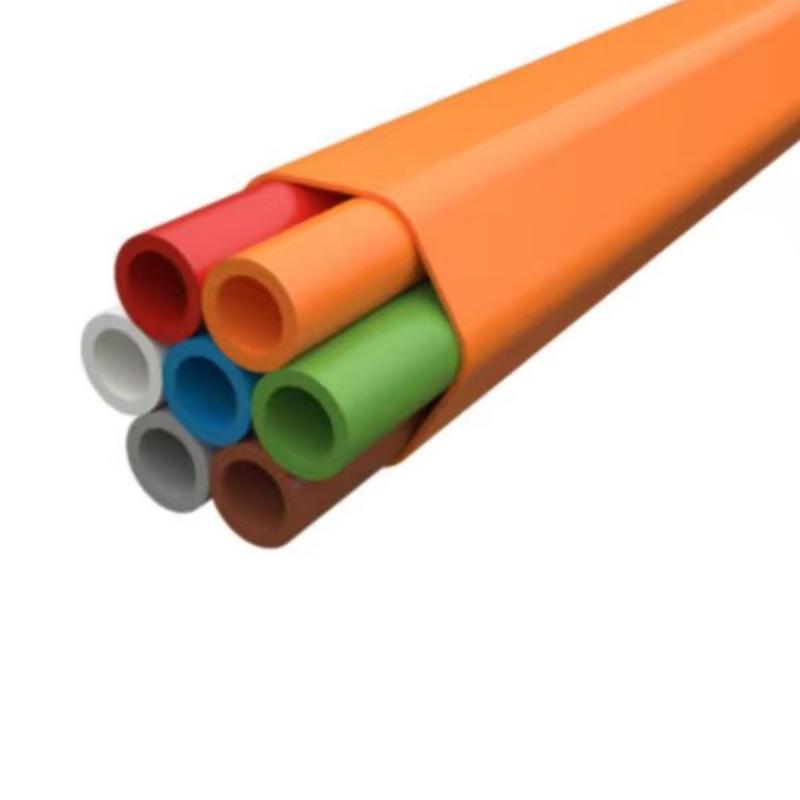 Direct Bury (DB) 7-way 16/12mm
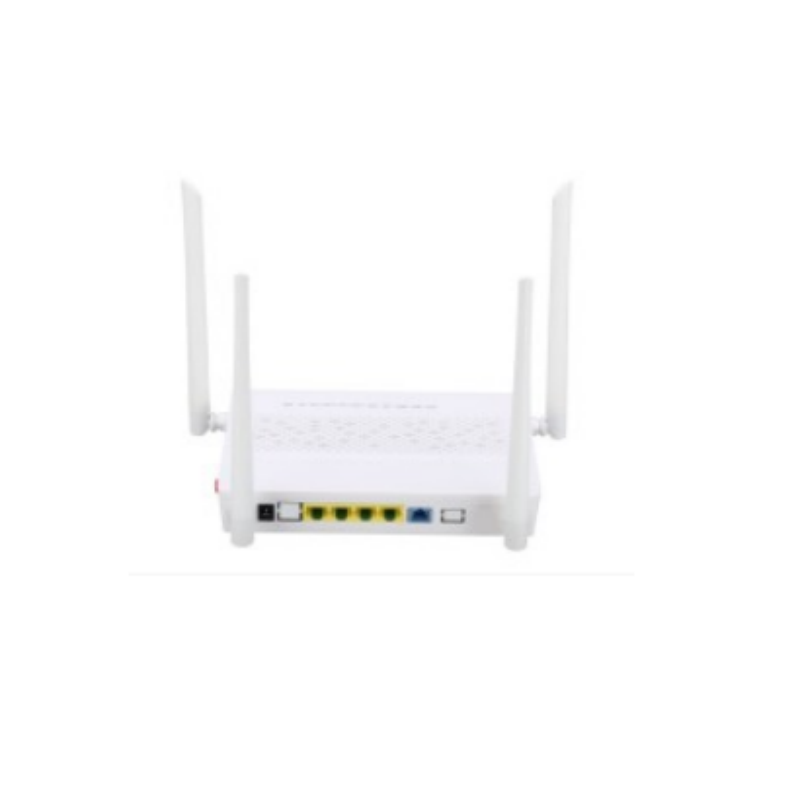 3436G4R Fiber Cable Solution
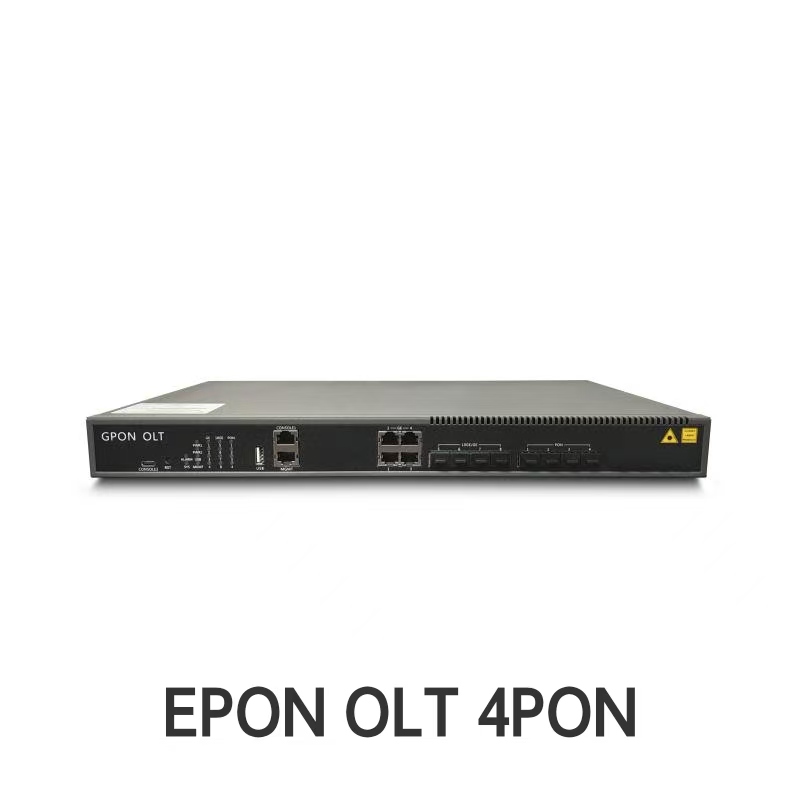 Smart Cassette EPON OLT
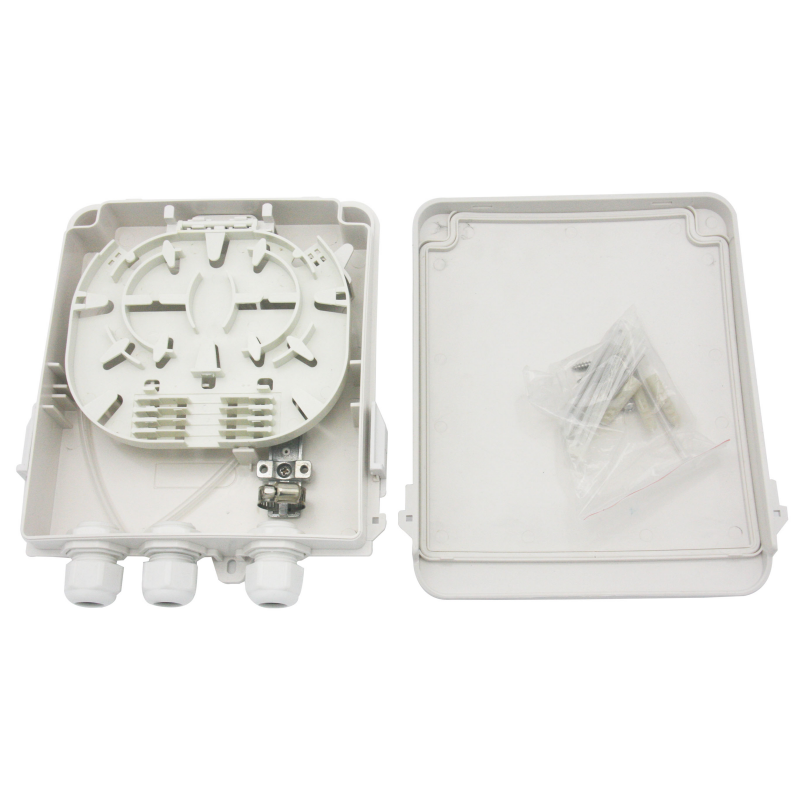 OYI-ATB08B Terminal Box
Industrial & Commercial Status of Indoor Simplex Fiber Cabling
In the contemporary telecommunications ecosystem, the demand for high-bandwidth, low-latency data transmission has reached unprecedented levels. As optical networks extend deeper into residential and commercial buildings through Fiber to the Home (FTTH), Fiber to the Room (FTTR), and Fiber to the Desk (FTTD), the role of the Simplex Fiber Optic Cable for Indoor Fiber Optic Terminal Box and Wall Box Installations has become paramount.
Unlike multi-core trunk cables designed for backbone transport, indoor simplex cables are optimized for localized distribution. A simplex fiber optic cable consists of a single optical fiber strand, tight-buffered, reinforced with aramid yarn strength members (such as Kevlar), and encapsulated within a flame-retardant outer jacket—typically Low Smoke Zero Halogen (LSZH) or Plenum-rated PVC. This specific cable geometry delivers unparalleled flexibility, minimal outer diameter, and exceptional bend performance, rendering it the ideal link between floor-level distribution boxes, wall-mounted Access Terminal Boxes (ATB), and end-user optical network units (ONUs).
FTTR & Gigabit Surge
With telecom operators pushing Wi-Fi 6/7 and FTTR deployments, tight-buffered simplex cables provide reliable point-to-point connections directly into room wall outlets without signal loss.
Flame-Retardant Safety
Modern indoor regulations demand strict CPR (Construction Products Regulation) compliance. Indoor simplex cables utilize LSZH jacketing to eliminate toxic halogen gases during high-temperature exposure.
Macro-Bend Immunity
Utilizing ITU-T G.657.A2/B3 single-mode bend-insensitive fibers, these cables withstand tight 7.5mm curvature radii inside cramped wall boxes without optical attenuation spikes.
Selecting the correct indoor simplex fiber optic cable ensures physical durability, fast field termination, and compliant fire safety. Integrating G.657.A2 single-mode simplex cables inside wall outlets (such as the OYI-ATB08B Terminal Box) eliminates splice loss risks and facilitates future-proof 10G/50G PON speed upgrades.
Structural Anatomy of Simplex Indoor Cables
An indoor simplex fiber cable is engineered for seamless field manipulation, allowing installer technicians to strip, cleave, and splice inside tiny wall-mounted enclosures. Understanding the inner construction highlights why simplex cable is chosen over standard duplex or multi-fiber drop cables for terminal box installations.
| Cable Element | Technical Specification | Functional Benefit in Wall Box Installation |
|---|---|---|
| Optical Core | Single-Mode 9/125µm (G.657.A1 / G.657.A2) or Multimode (OM3/OM4) | Provides ultra-low attenuation ( |
| Tight Buffer | 900µm ± 50µm (PVC, LSZH, or Hytrel) | Protects the 250µm bare glass, allowing direct mechanical crimping or fusion splicing inside splice trays. |
| Strength Member | High-Tensile Aramid Yarn (Kevlar) | Supplies pull-strength (up to 100N - 200N short term) during cable routing through wall conduits. |
| Outer Jacket | 2.0mm or 3.0mm LSZH / PVC / OFNP | Flame-retardant, flexible, easy to strip, available in white, yellow, or ivory to match indoor interior walls. |
| Operating Temperature | -20°C to +70°C | Ensures stable transmission parameters across diverse indoor climate environments. |
Single-Mode G.657.A2 vs. Standard G.652.D Fiber in Indoor Wall Enclosures
In conventional outdoor fiber deployments, G.652.D single-mode fiber is standard. However, inside indoor fiber optic terminal boxes—where space is restricted and cable bending radius can drop below 15mm—standard G.652.D fiber suffers from severe macro-bending losses. Simplex cables featuring ITU-T G.657.A2 fiber retain full structural optical integrity down to a 7.5mm bend radius, guaranteeing zero degradation for IPTV, VoIP, and broadband data services.
In-Depth Application Scenarios for Indoor Terminal & Wall Boxes
Simplex fiber optic cables excel across diverse residential, enterprise, and industrial infrastructures. Here is a breakdown of their primary indoor deployment environments:
1. FTTH Wall Outlet (ATB)
Installed inside individual apartment units or offices. The simplex cable routes from the hallway distribution box directly into a surface-mounted Rosette / Access Terminal Box (e.g., OYI-ATB08B), terminating into an SC/UPC or SC/APC adapter to connect to subscriber ONTs.
2. High-Density MDU Risers
In Multi-Dwelling Units (MDUs), simplex cables are drawn through floor vertical risers into floor-level floor splitters (e.g., OYI-FAT16F Series Terminal Box), simplifying individual tenant connection provisioning without disturbing adjacent fiber links.
3. Smart Home & FTTR Wiring
In modern FTTR architecture, invisible or micro simplex cables run along baseboards into wall boxes in every room, delivering 2.5Gbps/10Gbps optical backhaul directly to distributed Wi-Fi access points.
4. Data Center Patch Panels
Used for cross-connecting switches, OLT equipment (such as Smart Cassette EPON OLT), and patch panels inside server racks where lightweight, small-diameter 2.0mm simplex patch cords maximize airflow.
5. Industrial Control Cabinets
In factory automation, indoor simplex fiber cables connect DIN-rail mounted wall boxes to Programmable Logic Controllers (PLCs), delivering immune-to-EMI signal integrity in noisy electrical environments.
6. Hospital & Security Networks
Ideal for linking high-definition CCTV security cameras and medical imaging consoles to wall mounted fiber termination points, maintaining strict privacy and zero signal interception.
Best Practices: Installing Simplex Fiber in Wall Boxes & Terminal Boxes
To ensure optimal performance and long-term network reliability, field installers must adhere to standardized deployment guidelines when working with simplex fiber optic cables inside indoor wall boxes:
1. Controlled Buffer Stripping and Cleaning
When stripping the 900µm tight buffer down to the 250µm coating, use precision calibrated stripping tools to prevent micro-nicks on the silica glass cladding. Clean bare fibers using 99% isopropyl alcohol wipes before mechanical or fusion splicing.
2. Management of Minimum Bend Radius
Always maintain the manufacturer-recommended bend radius inside wall boxes. Never force a tight 90-degree kink. Coiling spare 900µm buffered fiber around internal spool guides inside terminal boxes like the OYI-ATB08B protects against macro-bending optical losses.
3. Strain Relief & Cable Anchorage
Secure the outer jacket of the simplex cable at the entrance point of the wall box using cable ties or internal retention clamps. Strain relief prevents accidental pulling forces from damaging delicate fusion splices or field-installable fast connectors.
4. Dust Protection & End-Face Quality
Optical fiber connectors (SC, LC, FC, ST) must remain capped until the final patch cord hookup. Inspect connector end-faces with a optical fiber microscope to ensure surface cleanliness free of dust, oils, or scratches.
Oyi International Co., Ltd.
Oyi International Co., Ltd. is a dynamic and innovative optical fiber cable manufacturer based in Shenzhen, China. Since its inception in 2006, OYI has been dedicated to delivering world-class fiber optic products and end-to-end optical communications solutions globally.
Comprehensive Optical Infrastructure Manufacturing
Our specialized Technology R&D department continuously pioneers advanced fiber distribution systems, fiber optic cables (ADSS, ASU, Drop Cable, Micro Duct Cable, OPGW), fast connectors, PLC splitters, fiber optic splice closures, and wall terminal boxes. We empower telecommunication operators, data centers, CATV providers, and industrial enterprises with custom OEM/ODM solutions, technical guidance, and cost-efficient financial integration.
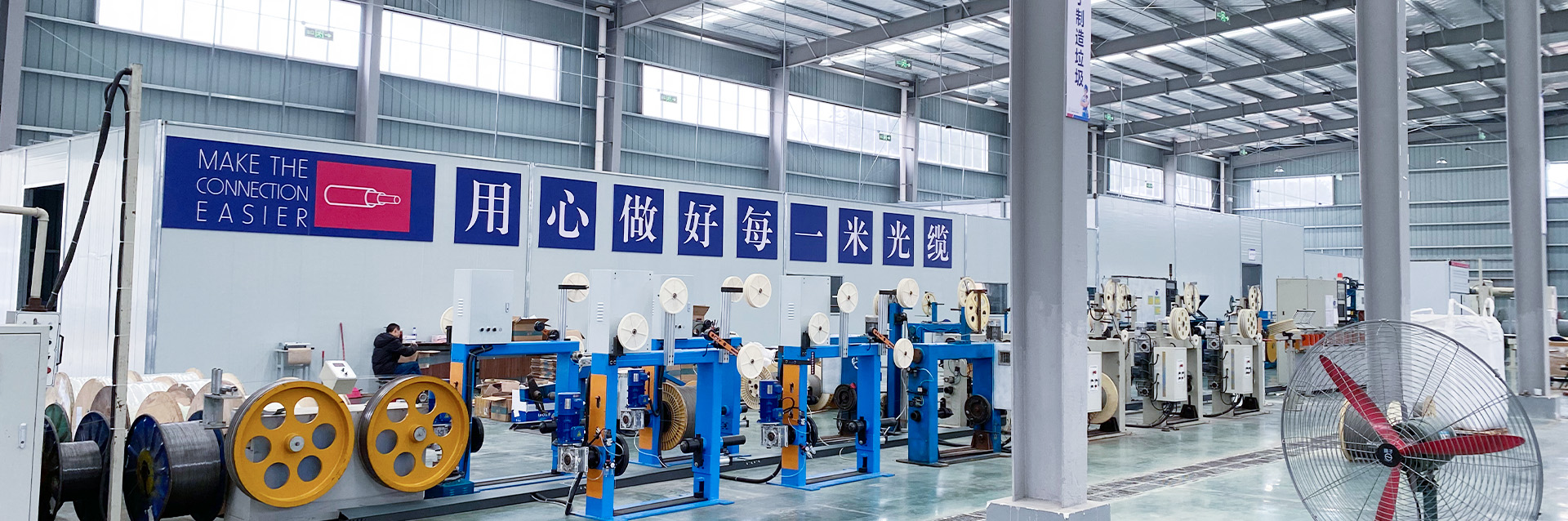
Manufacturing Capabilities & Factory Overview


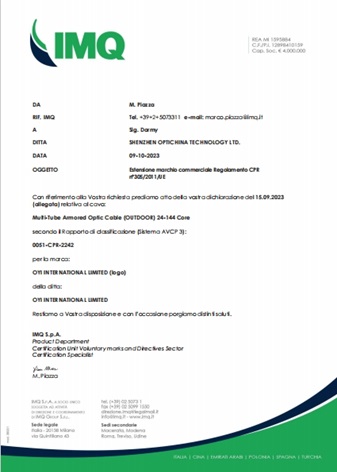
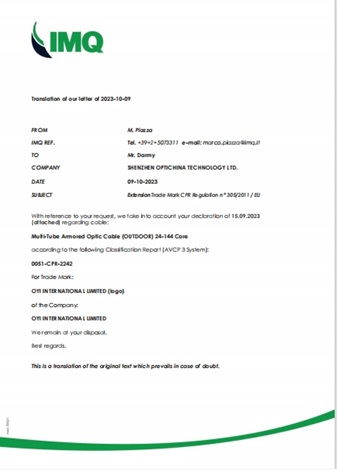
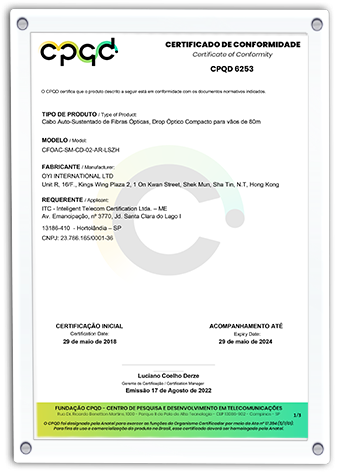
International Certifications & Compliance
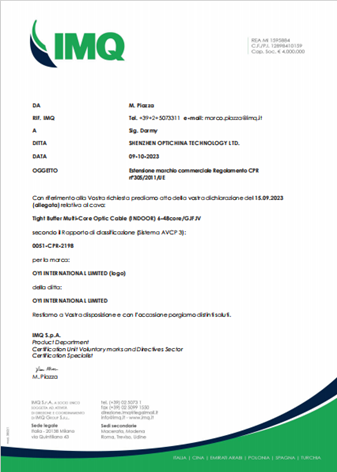
Our commitment to excellence is backed by rigorous international quality standards. OYI products hold CPR, CE, ISO, BCTC, and RoHS certifications, ensuring compliance with strict global telecom guidelines.


Complete Fiber Optic Product Portfolio
Browse our full range of optical cabling, distribution closures, terminal boxes, and installation accessories engineered for reliable fiber networks.
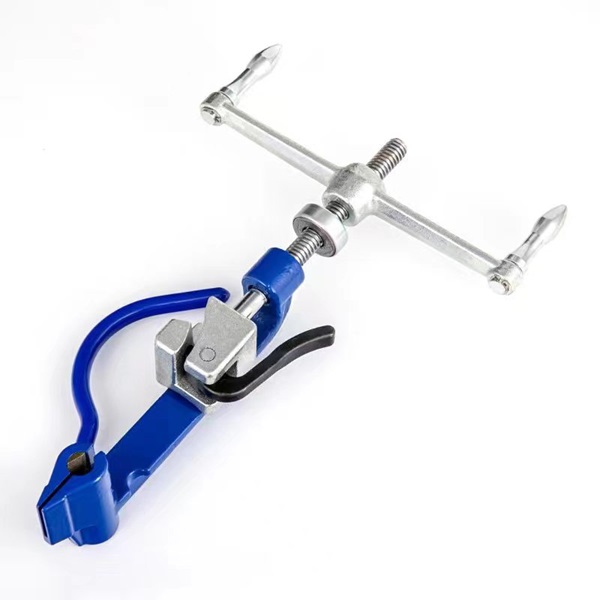 Stainless Steel Banding Strapping Tools
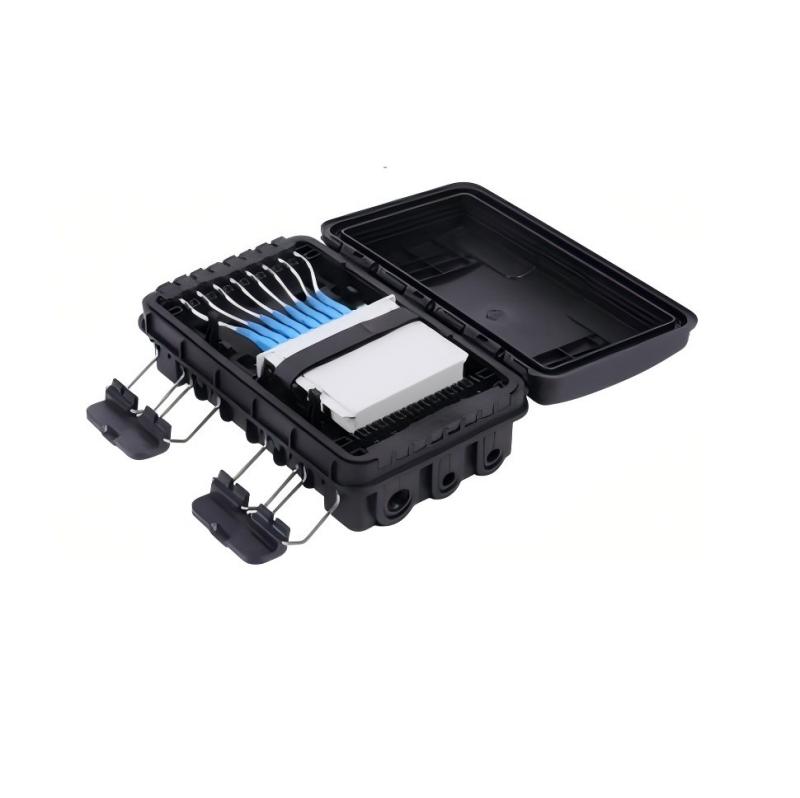 OYI-FAT16F Series Terminal Box
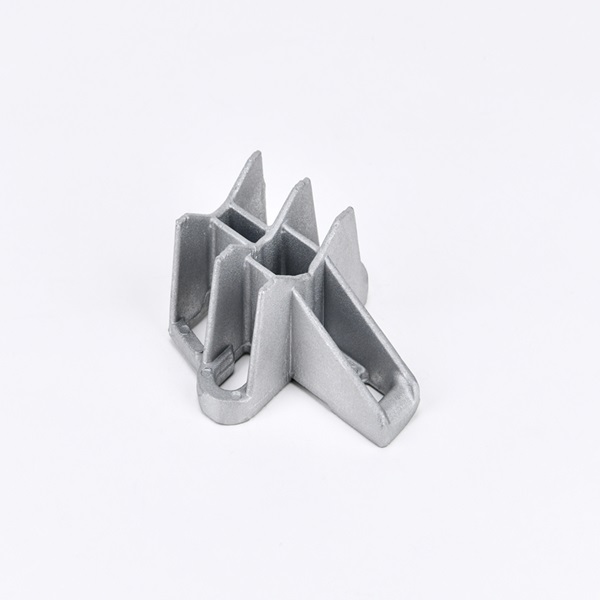 UPB Aluminum Alloy Universal Pole Bracket
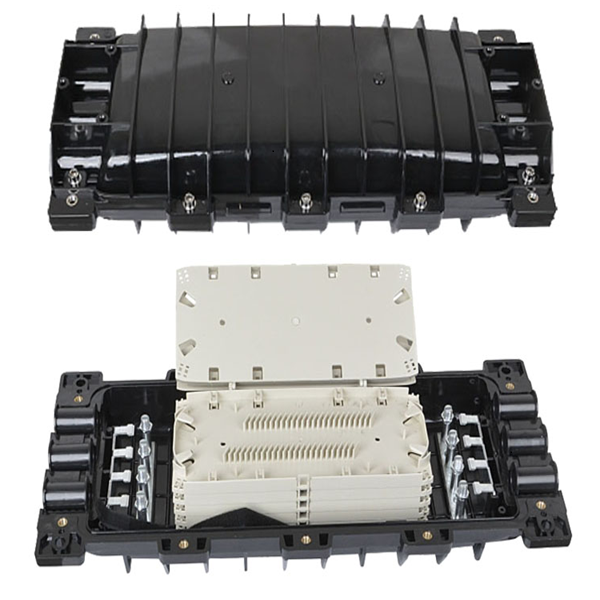 OYI-FOSC-H09