 0755-23179541
  sales@oyii.net
.png) 8618926041961
8618926041961Featured Signal Control Solutions
Understanding the Crucial Role of Optical Distribution Boxes in Signal Power Attenuation
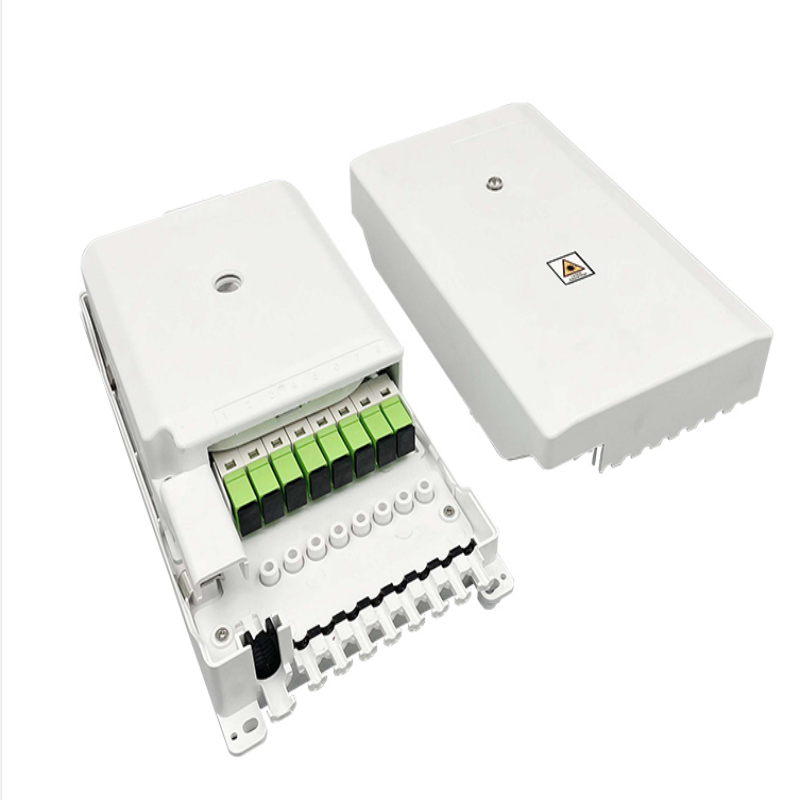
In modern high-speed telecommunication infrastructures, managing the integrity of optical signals is paramount. The Optical Distribution Box (ODB) serves as the central nervous system for fiber routing, splicing, and termination. However, its role extends far beyond basic cable organization. In the context of optical fiber communication link signal power attenuation, the ODB functions as a critical control point where signal strength, insertion loss, and attenuation parameters are actively managed to ensure optimal system performance.
Signal power attenuation, or the reduction in intensity of the light beam as it travels through an optical fiber, is an inevitable physical phenomenon. It is caused by various factors including intrinsic absorption, scattering, and extrinsic bending losses. In high-power long-haul networks or dense Fiber-to-the-Home (FTTH) deployments, managing this attenuation is a delicate balancing act. Too much attenuation leads to signal loss and high bit error rates (BER), while too little attenuation in short-reach links can saturate sensitive optical receivers, causing data corruption. Therefore, integrating precise attenuation control within the Optical Distribution Box is a fundamental requirement for modern network architectures.
Precision Management
Ensures that the optical signal power levels entering active equipment are within the optimal dynamic range, preventing receiver saturation.
Structured Routing
Maintains strict bend-radius controls to eliminate macrobending and microbending losses, which are major contributors to unplanned link attenuation.
Environmental Isolation
Protects delicate optical connections, splices, and passive attenuators from moisture, dust, and temperature fluctuations that cause signal instability.
Commercial and Industrial Status of Optical Distribution Networks
The global telecommunication landscape is undergoing a massive transformation driven by 5G rollouts, cloud computing, IoT expansion, and the insatiable demand for gigabit broadband. Optical Distribution Boxes have evolved from simple plastic enclosures to highly engineered, high-density optical management platforms. Industry reports indicate that the optical fiber hardware market is expanding at an unprecedented compound annual growth rate (CAGR), with ODBs representing a major segment of this growth.
In industrial environments, such as smart manufacturing plants, petrochemical facilities, and railway networks, optical fiber communication links must withstand harsh physical conditions. Here, Optical Distribution Boxes are designed with ruggedized IP65 to IP68 enclosures to safeguard optical links against extreme temperatures, chemical exposure, and mechanical stress. The commercial value of these systems lies in their ability to minimize network downtime. A single fiber link failure due to poor signal management or environmental degradation can cost operators thousands of dollars per minute in service level agreement (SLA) penalties and lost productivity. Consequently, investing in robust distribution hubs that incorporate reliable attenuation and splice control has become a standard industry practice.
Key Factors Driving the Demand for Precision ODB Solutions:
- High-Density Patching: As fiber counts increase in data centers and urban distribution hubs, space is at a premium. Modern ODBs must pack more connections into smaller footprints without compromising the bend radius or accessibility.
- Integration of Passive Optical Components: Modern distribution boxes frequently house PLC splitters, wavelength division multiplexers (WDMs), and fixed or variable optical attenuators, turning the box from a passive routing point into an active signal conditioning node.
- Pre-Terminated Solutions: To reduce installation errors and labor costs, plug-and-play pre-terminated ODB systems are becoming the industry default, ensuring factory-certified insertion loss and attenuation levels.
Deep Application Analysis: Addressing Signal Power Attenuation Challenges
Managing attenuation in fiber optic links requires a deep understanding of optical physics and mechanical design. When light propagates through a single-mode or multi-mode fiber, it experiences attenuation measured in decibels per kilometer (dB/km). In typical single-mode fibers, attenuation is lowest at the 1550 nm wavelength (approximately 0.2 dB/km) and slightly higher at 1310 nm (approximately 0.35 dB/km). However, physical connections within the Optical Distribution Box introduce additional losses.
1. Connector and Splice Loss Management
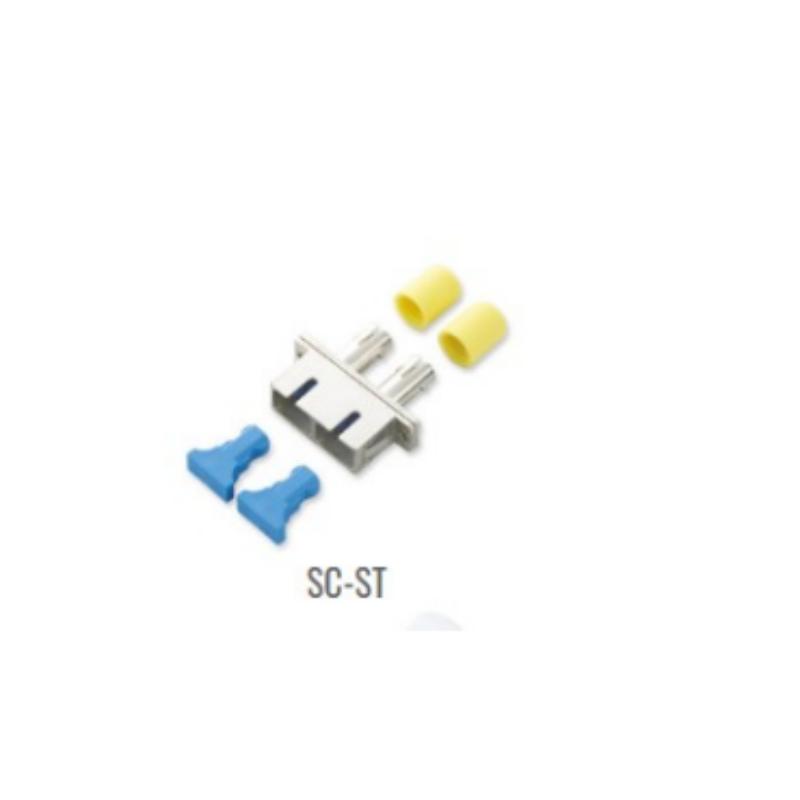
Every connection point in an ODB introduces insertion loss. Splicing two fibers together typically introduces a loss of less than 0.05 dB, while mechanical connectors (such as SC, LC, FC, or ST adapters) can introduce losses ranging from 0.1 dB to 0.5 dB. Dust contamination on a connector face is the single most common cause of high attenuation and signal reflection (return loss) in optical networks. Modern ODBs are designed with sealed adapter panels and dust-proof routing pathways to keep connection faces pristine, ensuring that the link operates within its calculated optical power budget.
2. Controlling Bend-Induced Attenuation
When a fiber is bent beyond its minimum bend radius, light leaks out of the core into the cladding. This is known as macrobending loss. In tight spaces inside an ODB, routing fibers safely is a major challenge. Premium Optical Distribution Boxes feature integrated routing guides, storage trays, and radius-limiting mandrels that guarantee a minimum bend radius (typically 30mm for standard fibers, or 15mm/7.5mm for bend-insensitive fibers like G.657.A1/A2). By preventing tight bends, the ODB eliminates a major source of erratic, wavelength-dependent attenuation that can cripple high-speed communication links.
3. Strategic Integration of Optical Attenuators
In short-distance, high-power optical links (such as local loops or direct data center interconnects), the transmitter output power may exceed the receiver's threshold. This can overload the photodiode, leading to signal distortion and errors. To counter this, fixed or variable optical attenuators are installed directly within the ODB's adapter panels. The ODB serves as the ideal patch point for inserting these attenuators, allowing technicians to easily measure and tune the optical power levels during installation and maintenance without disrupting the rest of the network distribution.
Future Development Trends in Optical Distribution and Signal Conditioning
As networks transition to higher speeds (400G, 800G, and beyond) and utilize advanced modulation schemes like PAM4 and coherent detection, the margin for signal loss becomes razor-thin. The future of Optical Distribution Boxes is closely tied to smart infrastructure and automated physical layer management.
One of the most exciting trends is the development of Smart ODBs. These boxes integrate micro-sensors and passive RFID tags to monitor the physical status of connection ports, temperature, and even local humidity. Some concept systems incorporate mini optical power monitoring taps directly into the distribution adapters, allowing network operators to detect sudden increases in link attenuation in real-time, identifying the exact location of a physical fault or bend before it leads to a service outage.
Furthermore, the shift towards green and sustainable telecommunications is influencing material science in ODB manufacturing. Manufacturers are increasingly utilizing flame-retardant, halogen-free, and UV-stabilized polymers that offer a lifespan of over 25 years under harsh outdoor conditions, reducing the environmental footprint and total cost of ownership (TCO) for telecom operators worldwide.
Oyi international ., Ltd.
Oyi international., Ltd. is a dynamic and innovative fibre optic cable company based in Shenzhen, China. Since its inception in 2006, OYI has been dedicated to providing world-class fibre optic products and solutions to businesses and individuals across the globe. Our Technology R&D department has more than 20 specialized staff committed to developing innovative technologies and providing high-quality products and services. We export our products to 143 countries and have established long-term partnerships with 268 clients.
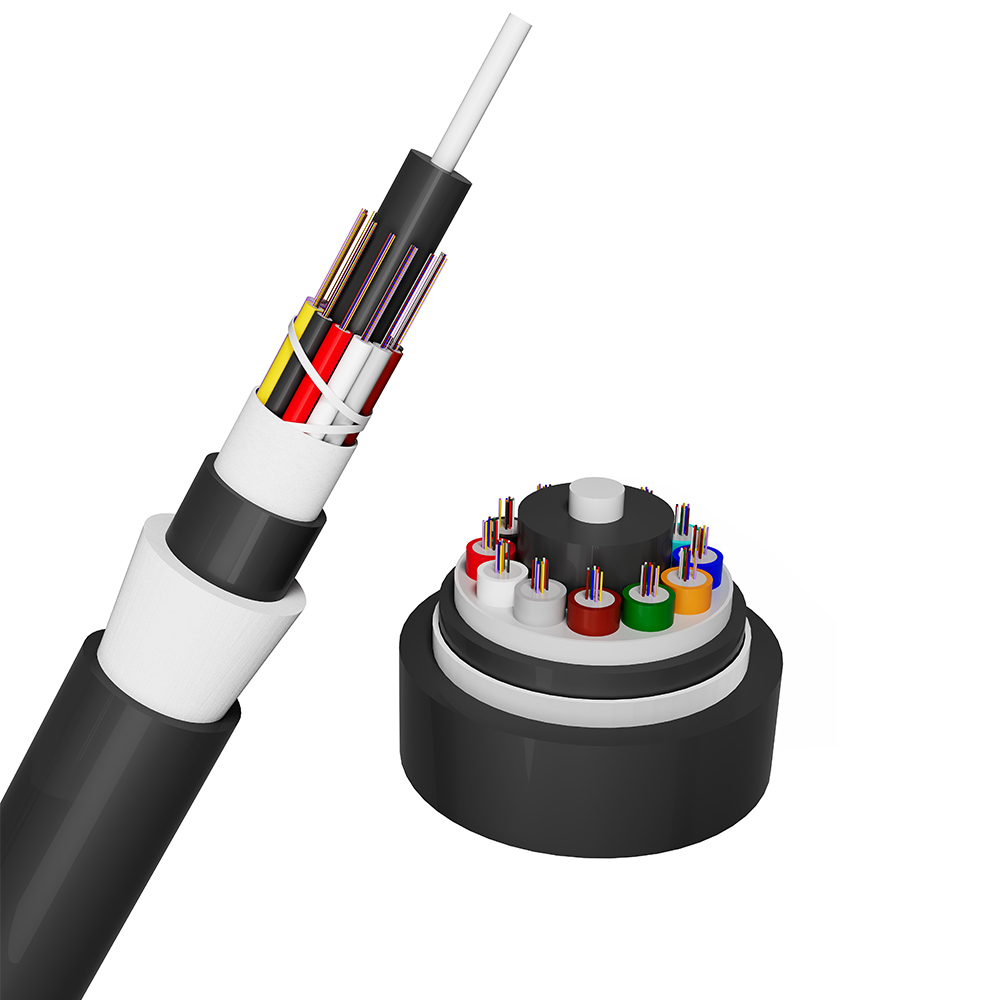
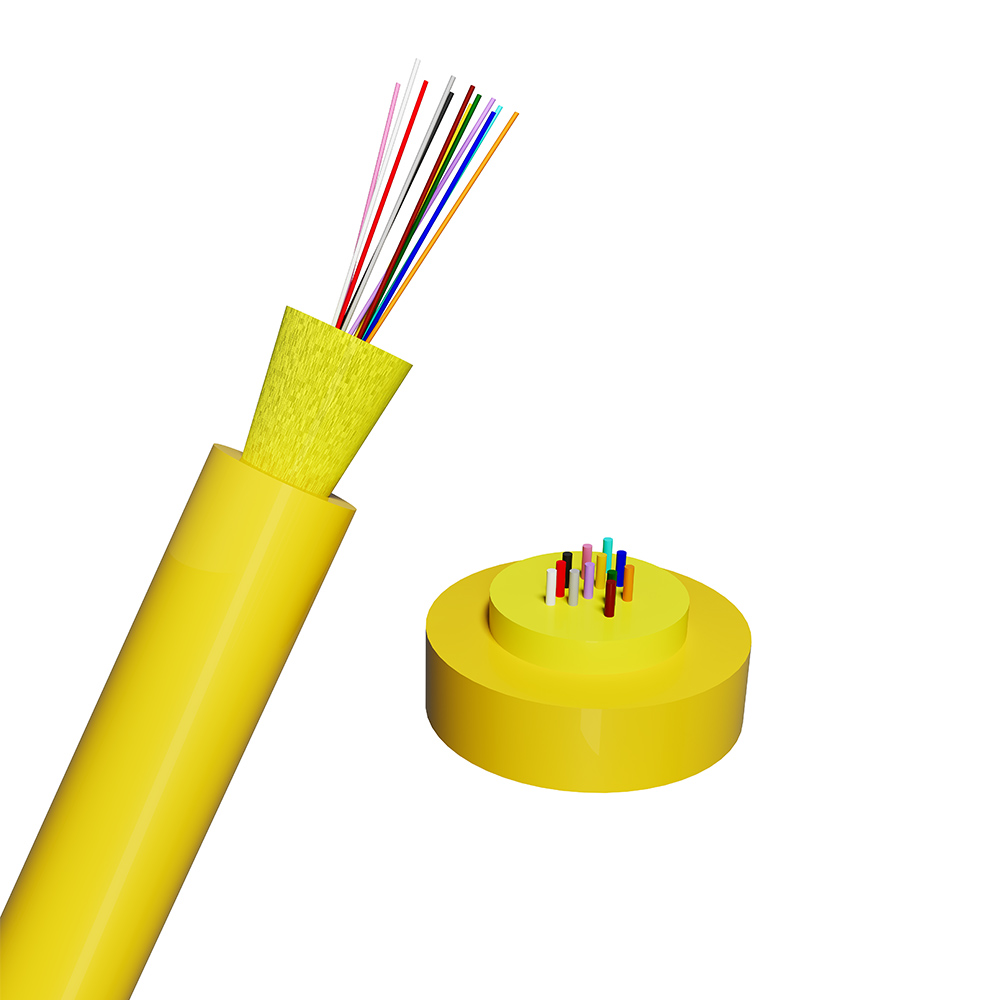
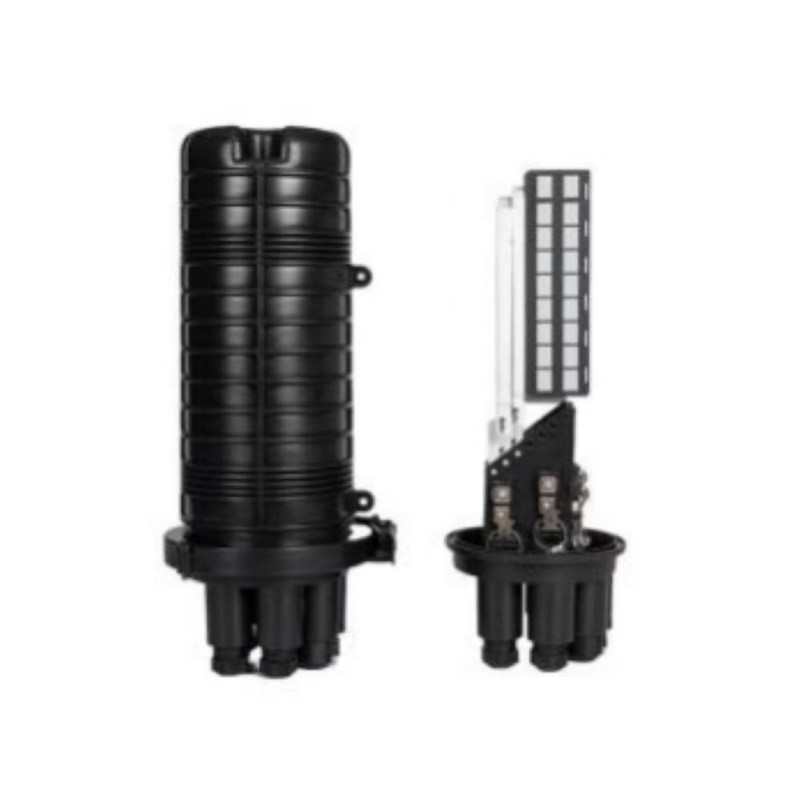
Our products are widely used in telecommunications, data center, CATV, industrial and other areas. Our main products include various types of optical fiber cables, fiber optic linkers, fiber distribution series, fiber optic connectors, fiber optic adapters, fiber optic couplers, fiber optic attenuators, and WDM series. Not only that, our products cover ADSS, ASU, Drop Cable, Micro Duct Cable, OPGW, Fast Connector, PLC Splitter, Closure, FTTH Box, etc. In addition, we provide our customers with complete fiber optic solutions, such as Fiber to the Home (FTTH), Optical Network Units (ONUs), and High Voltage Electrical Power Lines. We also provide OEM designs and financial support to help our customers integrate multiple platforms and reduce costs.
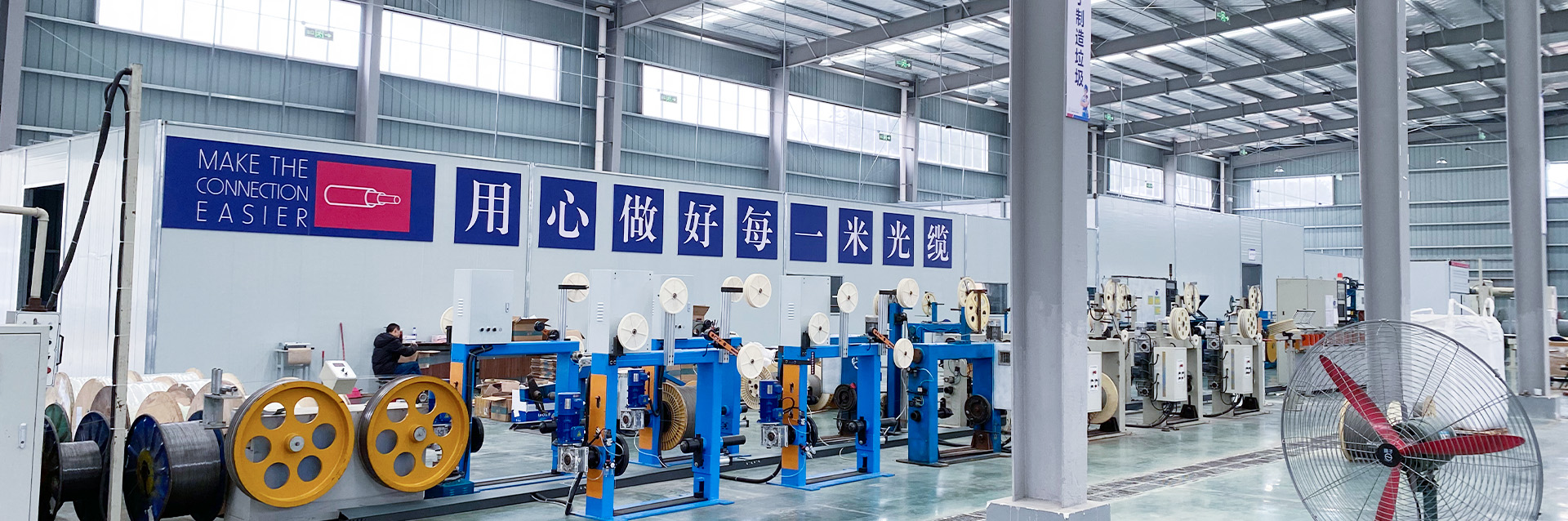
About Oyi - Manufacturing Excellence & Facilities
Explore our state-of-the-art production environments, precision testing facilities, and comprehensive warehousing systems. Our strict quality control protocols ensure that every product meets global telecommunication standards.


Company Philosophy & Our Factory
We are committed to innovation and excellence. Our team of experts are constantly pushing the boundaries of what’s possible, ensuring that we remain at the forefront of the industry. We invest heavily in research and development to ensure that we are always one step ahead of the competition. Our cutting-edge technology allows us to produce fibre optic cables that are not only faster and more reliable, but also more durable and cost-effective.
Our advanced manufacturing process ensures that our fibre optic cables are of the highest quality, guaranteeing lightning-fast speeds and reliable connectivity. Our commitment to excellence means that our customers can always rely on us to provide them with the best possible solutions.
If you’re looking for a reliable, high-speed fibre optic cable solution, look no further than OYI. Contact us now to see how we can help you stay connected and take your business to the next level.
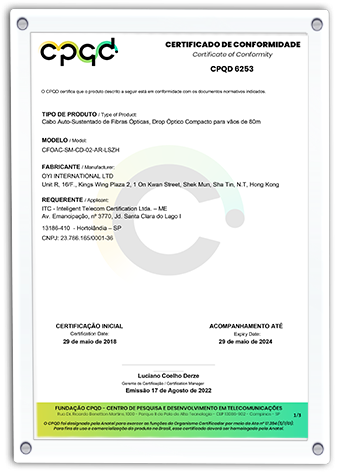
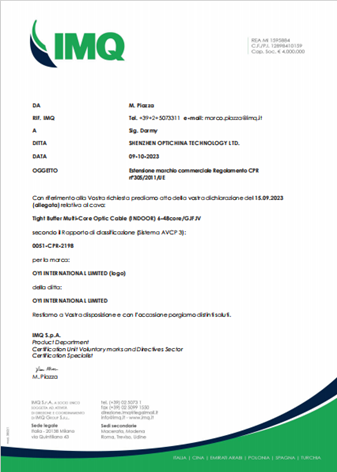
The Company has Obtained Certification




Our Comprehensive Product Portfolio