 0755-23179541
  sales@oyii.net
.png) 8618926041961
8618926041961Featured FTTH & Fusion Splicing Solutions
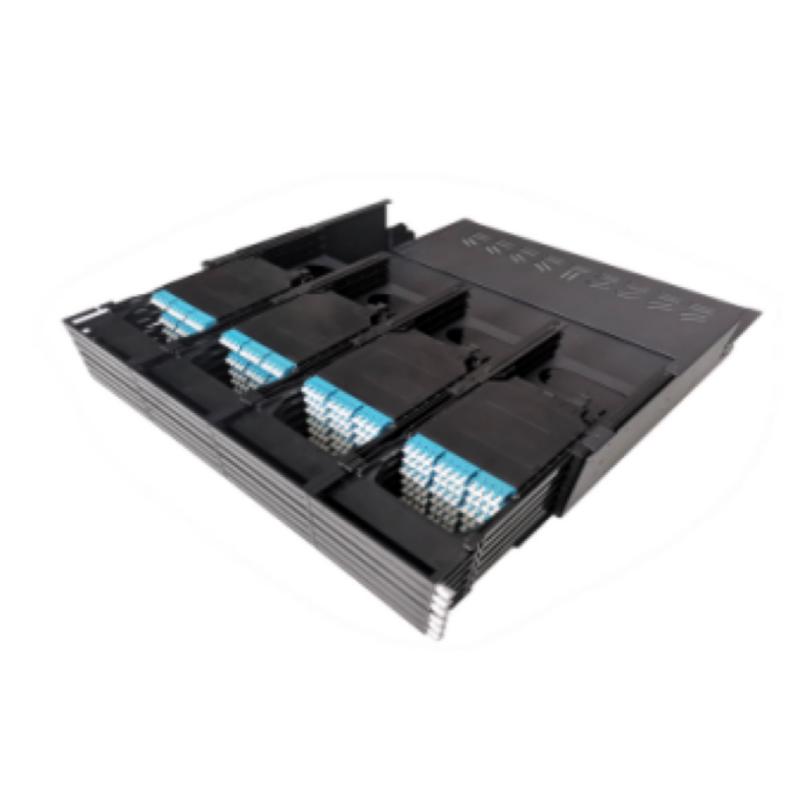
Understanding FTTH Optical Cables in the Era of Gigabit Connectivity
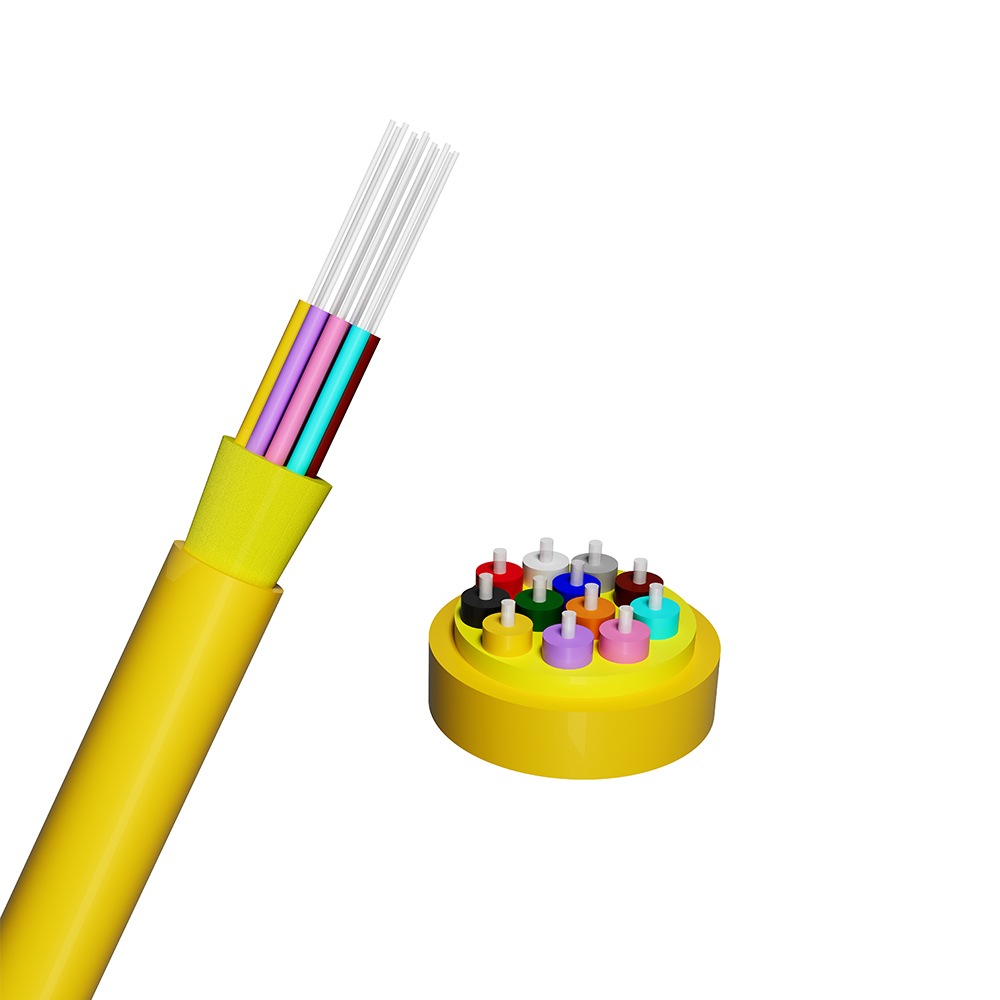
The global demand for high-speed internet has pushed Fiber-to-the-Home (FTTH) architectures to the forefront of modern telecommunication infrastructure. At the core of this network transformation is the FTTH optical cable, a specialized medium designed to withstand the physical rigors of urban routing while maintaining exceptional optical performance. When deployed for fusion splicing in telecommunication distribution boxes, these cables form the critical link between the service provider’s metropolitan ring and the subscriber’s premises.
Fusion splicing is widely recognized as the gold standard for connecting optical fibers due to its ultra-low insertion loss (typically less than 0.02 dB) and long-term mechanical stability. Unlike mechanical connectors, fused joints are impervious to dust, temperature fluctuations, and physical vibration, making them the preferred choice inside high-density distribution frames, fiber access terminals (FAT), and optical distribution frames (ODF).
Key Technical Insight: Why Fusion Splicing Dominates FTTH Networks
As bandwidth requirements scale to 10G-PON and 50G-PON, signal budget margins have shrunk dramatically. Every fraction of a decibel lost at connection points can degrade service quality. Fusion splicing inside distribution boxes minimizes reflectance and attenuation, ensuring that high-frequency optical signals reach their destination with maximum integrity.
Industrial and Commercial Status of FTTH Deployments
The commercial landscape for FTTH cables is experiencing unprecedented growth. Telecom operators worldwide are investing billions of dollars to replace aging copper DSL and coaxial networks with end-to-end fiber systems. This surge is driven not only by residential broadband demands but also by the expansion of 5G micro-cells, which rely on dense fiber backhaul networks to handle massive data loads.
In industrial environments, FTTH optical cables are increasingly deployed for smart factory automation, IoT gateway distribution, and long-range security surveillance systems. Telecommunication distribution boxes serve as the strategic hubs where high-core-count backbone cables are split and distributed to localized terminals. Consequently, the compatibility of FTTH cables with standard fusion splicers and distribution box splice trays has become a key purchasing criterion for network engineers and procurement managers.
Global Market Trends & Technological Advancements
Several key trends are shaping the future of FTTH optical cables and distribution systems:
- Bend-Insensitive Fiber Technology: Modern FTTH cables utilize G.657.A1 and G.657.A2 single-mode fibers. These fibers allow for tight routing angles without causing significant macro-bending losses, which is crucial inside compact distribution boxes.
- Miniaturization and High Density: As space in urban utility ducts and building risers becomes scarce, manufacturers are designing micro-duct cables and ultra-compact distribution boxes that maximize fiber count per square millimeter.
- Pre-connectorized vs. Field Spliced: While pre-connectorized solutions offer plug-and-play convenience, field fusion splicing remains the dominant method for custom-length installations and high-reliability industrial links.
- Eco-Friendly & LSZH Materials: Low-Smoke Zero-Halogen (LSZH) jacketing has become mandatory in indoor and riser environments to meet strict fire safety regulations.
Deep Dive: Splicing Scenarios inside Distribution Boxes
The process of terminating an FTTH optical cable inside a distribution box requires meticulous cable management and precise splicing techniques. Let's analyze the typical deployment workflow:
Cable Entry and Anchoring
The external FTTH drop cable or distribution cable enters the enclosure through airtight, waterproof grommets. The cable's strength members (FRP or steel wire) are securely anchored to the box frame to prevent external tension from pulling on the delicate spliced fibers.
Fiber Stripping and Cleaving
The outer jacket and buffer tubes are stripped back to expose the colored optical fibers. Technicians clean the fibers with isopropyl alcohol and use high-precision cleavers to achieve a perfect 90-degree end-face angle, preparing them for the fusion process.
Fusion Splicing and Sleeve Protection
Using an automated core-alignment fusion splicer, the fiber is fused to a pre-installed pigtail or a splitter input. A heat-shrinkable splice protection sleeve (containing a stainless steel strength member) is shrunk over the joint to restore mechanical strength and protect the glass from moisture.
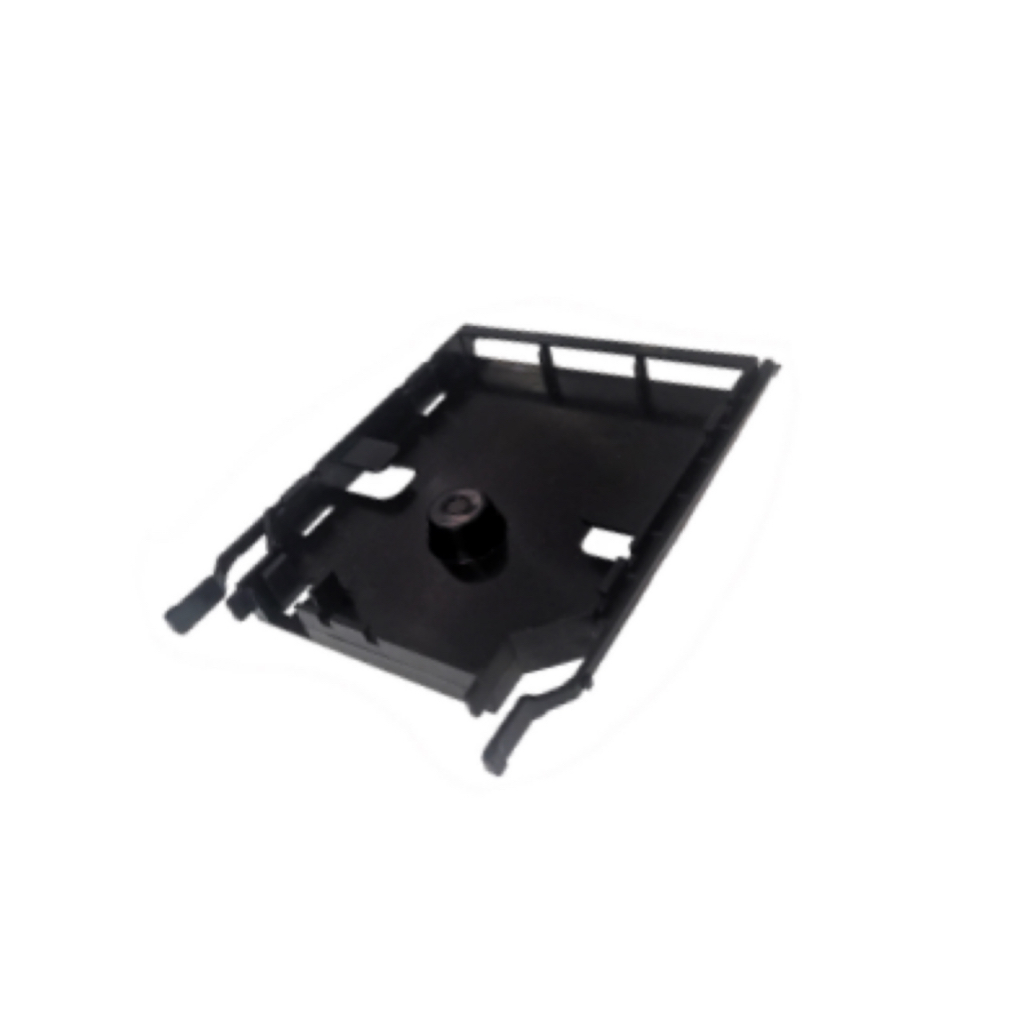
Splice Tray Management and Routing
The protected splice is placed into the designated slot of the splice tray. The remaining slack fiber is carefully coiled in loops that strictly adhere to the minimum bend radius (typically 30mm) to prevent micro-bend attenuation.
Optimizing the Link: Overcoming Common Splicing Challenges
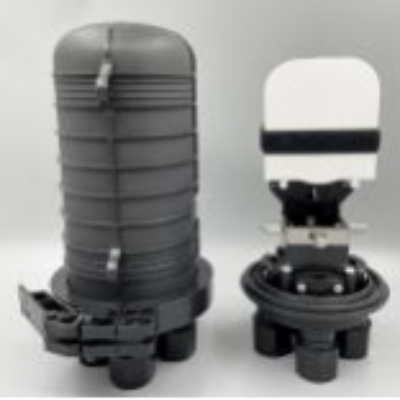
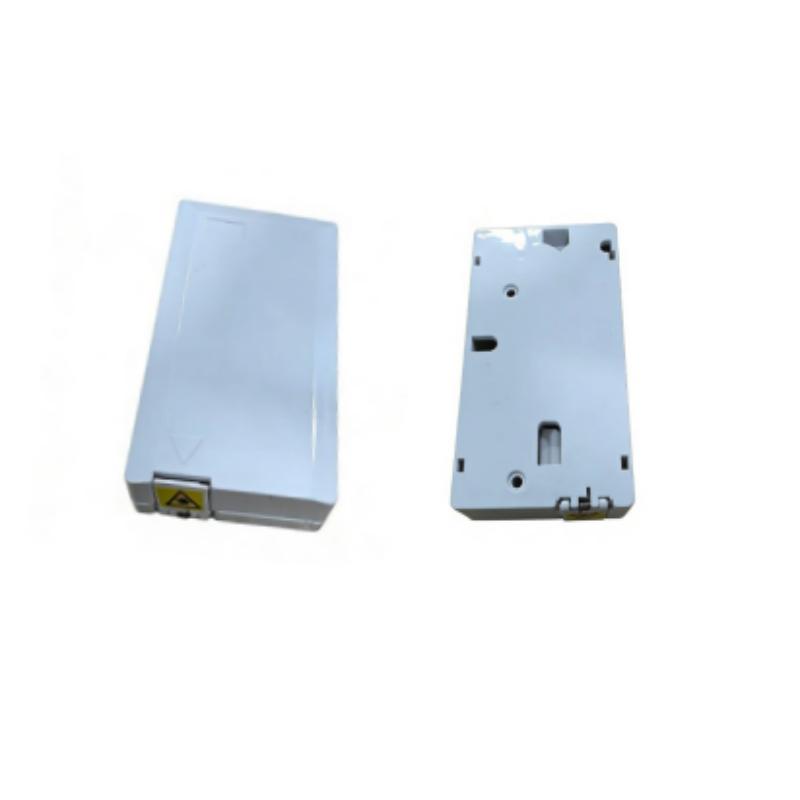
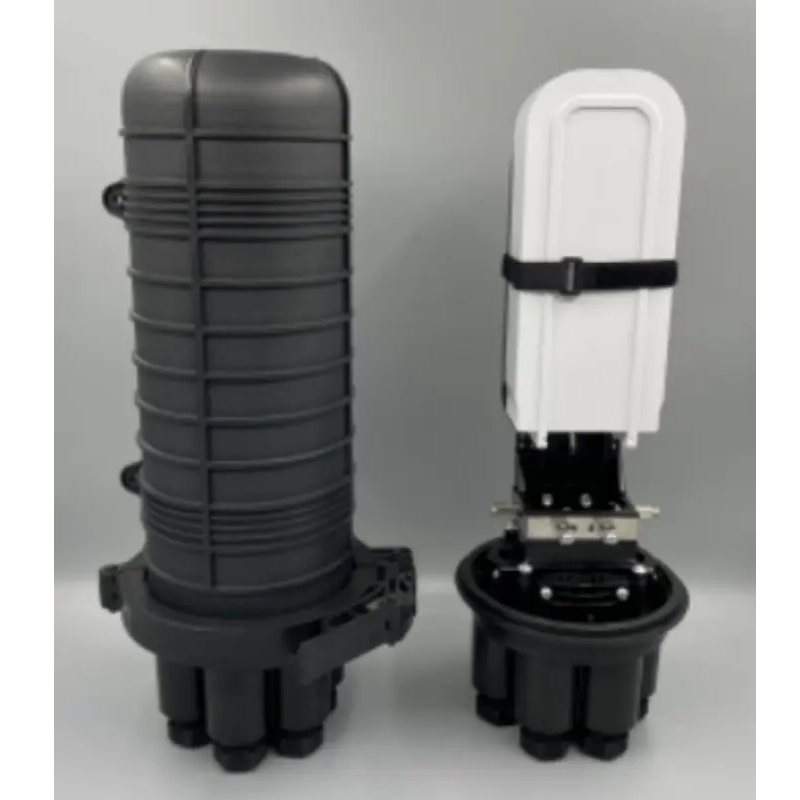
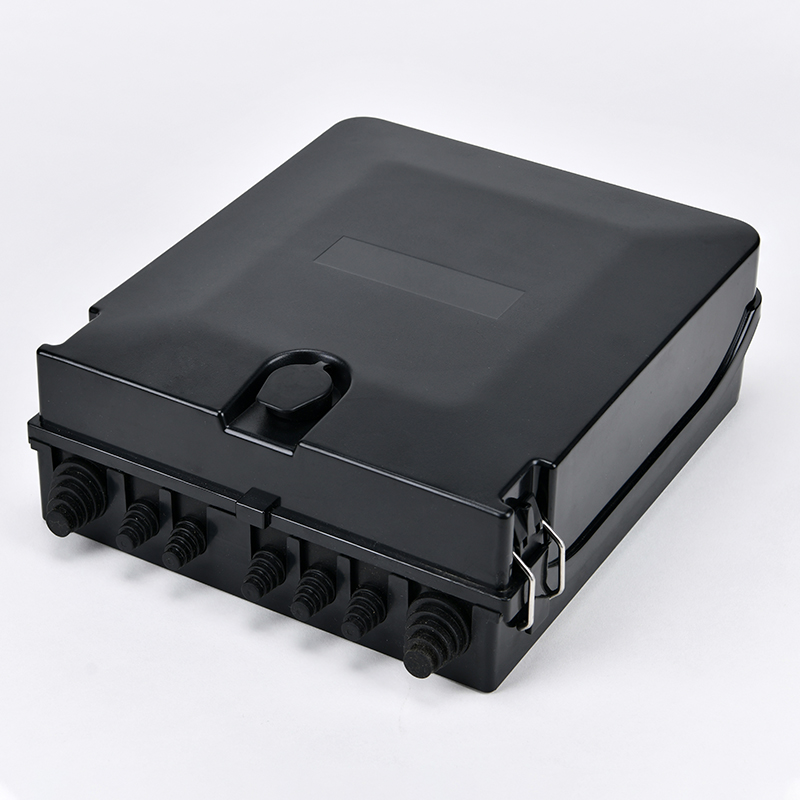
Field technicians often encounter challenges such as limited workspace, dust contamination, and poor fiber quality. Using high-quality, standardized components like the OYI FAT24B Terminal Box or the OYI-FOSC-D103M Dome Closure significantly mitigates these risks. These products feature dedicated splice trays, integrated fiber routing paths, and robust environmental sealing, ensuring that the fusion splices remain protected from dust and moisture over their 25+ year lifespan.
Oyi International Co., Ltd.
Oyi international., Ltd. is a dynamic and innovative fibre optic cable company based in Shenzhen, China. Since its inception in 2006, OYI has been dedicated to providing world-class fibre optic products and solutions to businesses and individuals across the globe. Our Technology R&D department has more than 20 specialized staff committed to developing innovative technologies and providing high-quality products and services. We export our products to 143 countries and have established long-term partnerships with 268 clients.
Our products are widely used in telecommunications, data center, CATV, industrial and other areas. Our main products include various types of optical fiber cables, fiber optic linkers, fiber distribution series, fiber optic connectors, fiber optic adapters, fiber optic couplers, fiber optic attenuators, and WDM series. Not only that, our products cover ADSS, ASU, Drop Cable, Micro Duct Cable, OPGW, Fast Connector, PLC Splitter, Closure, FTTH Box, etc. In addition, we provide our customers with complete fiber optic solutions, such as Fiber to the Home (FTTH), Optical Network Units (ONUs), and High Voltage Electrical Power Lines. We also provide OEM designs and financial support to help our customers integrate multiple platforms and reduce costs.
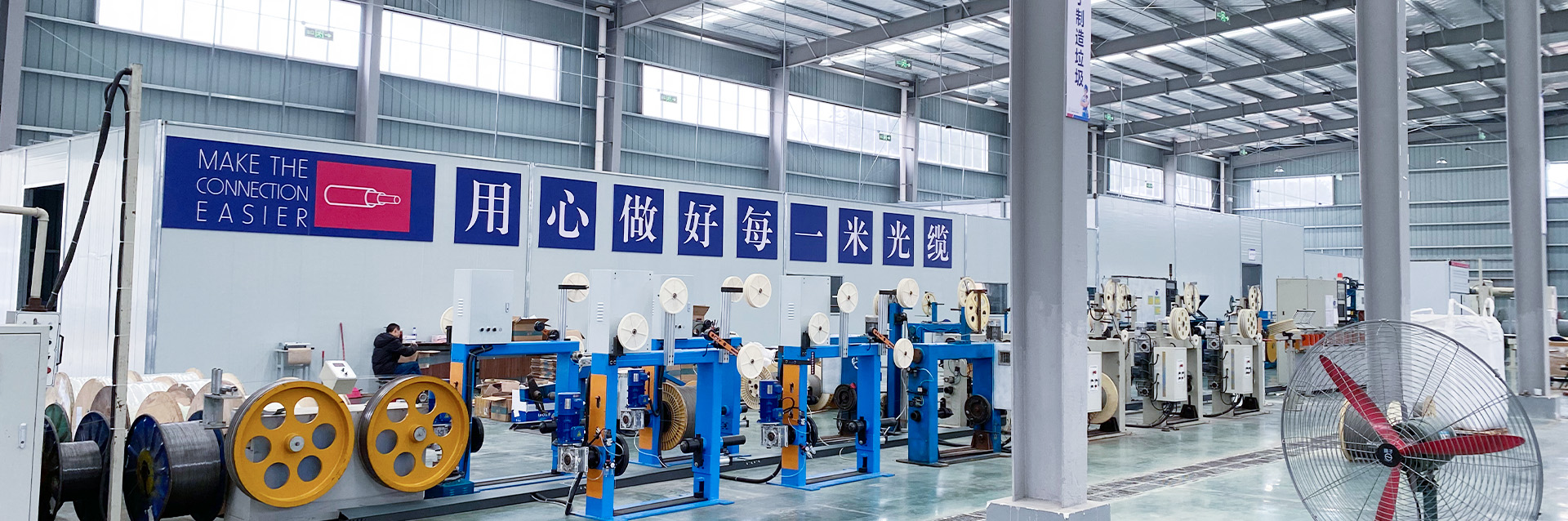
Our Enterprise & Production Facility


Company Philosophy & Manufacturing Power
We are committed to innovation and excellence. Our team of experts are constantly pushing the boundaries of what’s possible, ensuring that we remain at the forefront of the industry. We invest heavily in research and development to ensure that we are always one step ahead of the competition. Our cutting-edge technology allows us to produce fibre optic cables that are not only faster and more reliable, but also more durable and cost-effective.
Our advanced manufacturing process ensures that our fibre optic cables are of the highest quality, guaranteeing lightning-fast speeds and reliable connectivity. Our commitment to excellence means that our customers can always rely on us to provide them with the best possible solutions.
If you’re looking for a reliable, high-speed fibre optic cable solution, look no further than OYI. Contact us now to see how we can help you stay connected and take your business to the next level.
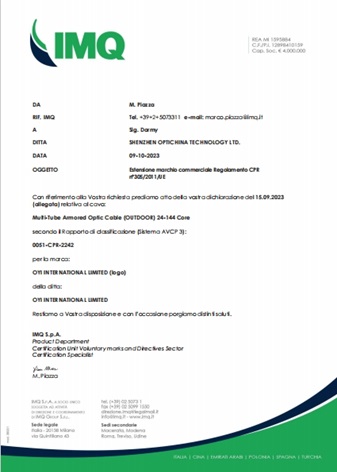
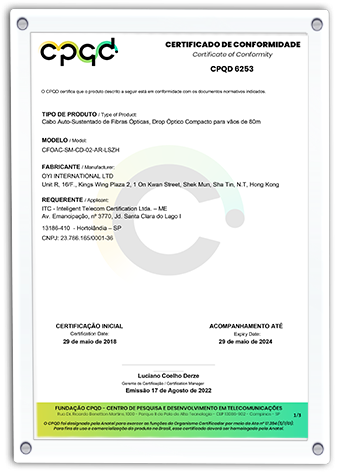
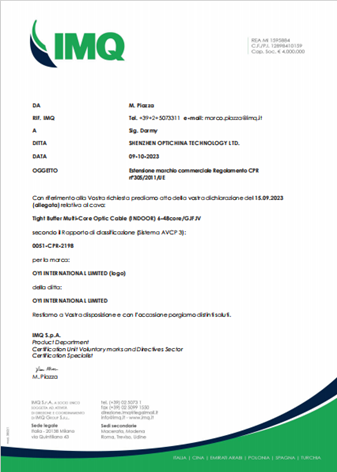
The Company has Obtained Certification
OYI strictly adheres to international quality standards. Our products have undergone rigorous testing and received multiple globally recognized certifications to ensure safety, reliability, and top-tier performance in any telecommunication environment.