 0755-23179541
  sales@oyii.net
.png) 8618926041961
8618926041961Featured Smart Grid Connectivity Solutions
Core Components for ADSS Overhead Deployments
Industrial and Commercial Landscape of ADSS Splice Closures in High-Voltage Power Grids
The modernization of the global energy sector has accelerated the convergence of electrical power transmission and telecommunications. Today's high-voltage power grids are no longer mere conduits for electricity; they are intelligent, data-driven systems that require robust, real-time communication networks to ensure grid stability, monitoring, and automated control. Among the various technologies enabling this digital transformation, All-Dielectric Self-Supporting (ADSS) fiber optic cables have emerged as the industry standard for overhead power line installations. The performance and longevity of these critical communication lines depend heavily on the protection of their splice points. Fiber optic splice closures (FOSC) designed specifically for ADSS overhead line installations in high-voltage environments play a critical role in preserving the integrity of the optical path under extreme conditions.
Why ADSS Overhead Line Closures Require Specialized Design
Unlike standard underground or aerial telecom closures, closures mounted on high-voltage transmission towers are subjected to strong electromagnetic fields, high space potentials, mechanical vibrations from wind (Aeolian vibration), ice loading, and severe ultraviolet (UV) radiation. Standard plastic enclosures fail rapidly under these conditions due to electrical tracking and environmental degradation.
The Commercial Shift Toward Smart Grid Infrastructure
Commercially, utility companies and power transmission system operators (TSOs) are investing billions of dollars in upgrading existing overhead infrastructure to support Smart Grid initiatives. High-voltage power lines (ranging from 110kV to 500kV and above) are retrofitted with ADSS fiber optic cables to facilitate distributed temperature sensing (DTS), phasor measurement units (PMUs), and wide-area monitoring systems (WAMS). In this commercial landscape, the reliability of the fiber network is directly linked to operational uptime. A single failure at a fiber splice joint can disrupt grid telemetry, leading to massive financial losses and potential grid instability. Consequently, high-performance closures have transitioned from simple utility commodities to critical assets requiring advanced engineering and stringent quality compliance.
Key Technological Challenges: Space Potential and Electrical Tracking
One of the most critical challenges in high-voltage ADSS installations is the phenomenon of electrical tracking. When an ADSS cable and its splice closure are positioned within the high-voltage electric field of a transmission tower, capacitive coupling induces a space potential on the surface of the cable and closure. In the presence of moisture, salt, or industrial pollution, leakage currents flow along the surface. This leads to dry-band arcing, which can degrade the outer shell of the closure and the cable jacket, eventually causing structural failure. To combat this, modern ADSS closures are manufactured using tracking-resistant (TR) engineering polymers and are strategically positioned on the towers where the space potential is minimized (often referred to as the "neutral point").
Oyi International Co., Ltd.: Driving Innovation in Fiber Optic Grid Networks
Oyi international., Ltd. is a dynamic and innovative fibre optic cable company based in Shenzhen, China. Since its inception in 2006, OYI has been dedicated to providing world-class fibre optic products and solutions to businesses and individuals across the globe. Our Technology R&D department has more than 20 specialized staff committed to developing innovative technologies and providing high-quality products and services. We export our products to 143 countries and have established long-term partnerships with 268 clients.
Our products are widely used in telecommunications, data center, CATV, industrial and other areas. Our main products include various types of optical fiber cables, fiber optic linkers, fiber distribution series, fiber optic connectors, fiber optic adapters, fiber optic couplers, fiber optic attenuators, and WDM series. Not only that, our products cover ADSS, ASU, Drop Cable, Micro Duct Cable, OPGW, Fast Connector, PLC Splitter, Closure, FTTH Box, etc. In addition, we provide our customers with complete fiber optic solutions, such as Fiber to the Home (FTTH), Optical Network Units (ONUs), and High Voltage Electrical Power Lines. We also provide OEM designs and financial support to help our customers integrate multiple platforms and reduce costs.
About Oyi - Manufacturing Excellence
State-of-the-Art Facilities and Global Projects


Deep Application Scenarios of ADSS Closures in Power Distribution
The deployment of ADSS fiber optic splice closures varies significantly depending on the voltage level, geographic location, and structural design of the transmission towers. Understanding these deep application scenarios is vital for engineers designing modern overhead optical networks.
1. High-Voltage Transmission Corridors (110kV - 500kV)
In high-voltage corridors, ADSS cables are installed on the same towers carrying high-voltage conductors. The splice closures are typically mounted directly on the steel lattice towers or concrete poles using heavy-duty mounting brackets, such as the UPB Aluminum Alloy Universal Pole Bracket. Because the electric field strength is extreme in these corridors, the closure must be installed at the lowest possible space potential point, usually near the lower section of the tower, close to the ground wire or the structural neutral zone. The closure must feature high electrical tracking resistance to prevent surface discharge caused by induced voltages. Mechanical stress from wind-induced vibration requires the closure to have robust cable retention clamps to prevent strain on the internal fiber splice trays.
Key Engineering Insight: The Neutral Zone Positioning
Locating the exact neutral zone on a transmission tower requires electric field simulation software. Placing the ADSS closure even a few centimeters outside this zone can expose the device to space potentials exceeding 12kV, leading to rapid tracking degradation and eventual failure of the cable entry seals.
2. Coastal and High-Pollution Industrial Zones
Overhead lines running through coastal regions are exposed to high concentrations of atmospheric salt spray, while those near heavy industrial hubs face soot, chemical dust, and conductive particulates. These contaminants accumulate on the surface of the ADSS closure. When combined with dew or light rain, they form a conductive film that greatly increases surface leakage currents. This scenario demands a closure with an IP68-rated seal, utilizing high-grade silicone gaskets and mechanical sealing systems that prevent moisture ingress over a 25-year lifespan. The outer shell must be constructed from tracking-resistant polypropylene (PP) or polycarbonate (PC) with UV stabilizers to resist both chemical attack and solar degradation.
3. Extreme Climate Environments and Heavy Ice Loading
In cold regions, overhead lines are subjected to severe ice accumulation and sub-zero temperatures. Ice loading increases the weight of the ADSS cable, causing significant sag and tension at the attachment points. The splice closure must be capable of absorbing this mechanical load without transferring tension to the delicate spliced fibers inside. Modern closures utilize internal strength member clamp systems that anchor the cable's aramid yarns directly to the closure's structural frame. Furthermore, the materials used must maintain their impact resistance at temperatures as low as -40°C, ensuring that falling ice or maintenance activities do not crack the enclosure.
Company Philosophy & Factory Operations
Committed to Innovation, Quality, and Global Connectivity
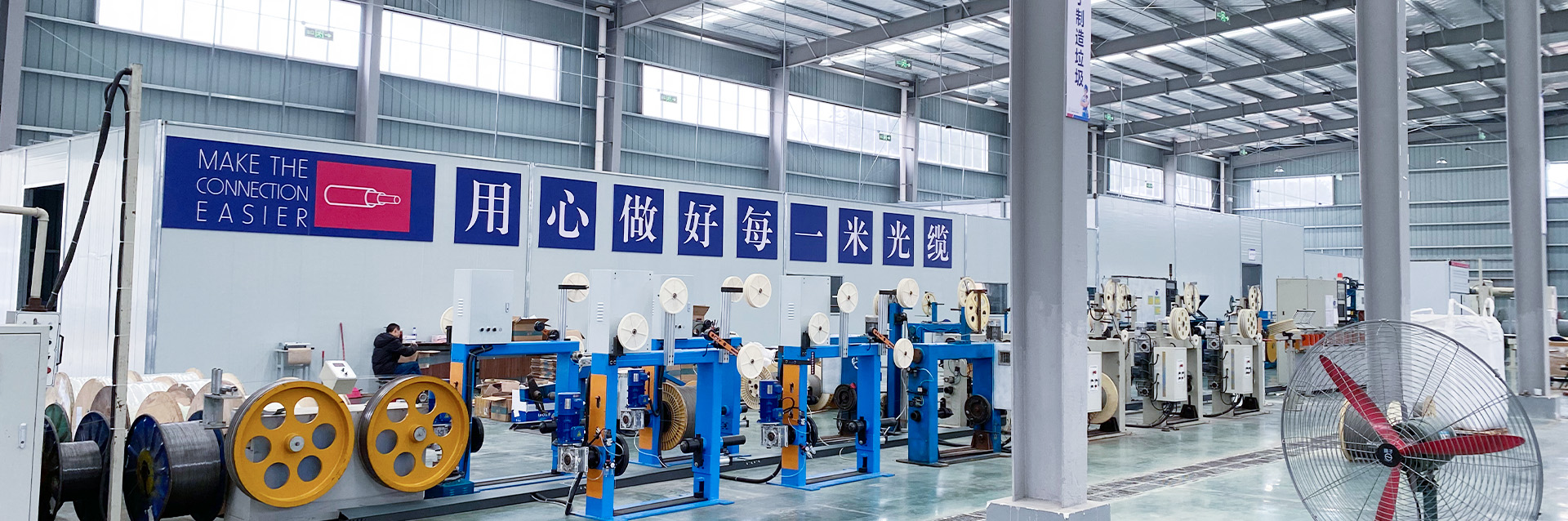
Our Factory & Manufacturing Excellence
We are committed to innovation and excellence. Our team of experts are constantly pushing the boundaries of what’s possible, ensuring that we remain at the forefront of the industry. We invest heavily in research and development to ensure that we are always one step ahead of the competition. Our cutting-edge technology allows us to produce fibre optic cables that are not only faster and more reliable, but also more durable and cost-effective.
Our advanced manufacturing process ensures that our fibre optic cables are of the highest quality, guaranteeing lightning-fast speeds and reliable connectivity. Our commitment to excellence means that our customers can always rely on us to provide them with the best possible solutions.
If you’re looking for a reliable, high-speed fibre optic cable solution, look no further than OYI. Contact us now to see how we can help you stay connected and take your business to the next level.
Future Trends in ADSS Overhead Line Splice Closures
As power grids transition into the era of the Internet of Things (IoT) and artificial intelligence, the infrastructure supporting them must also evolve. The future of ADSS overhead splice closures lies in smart integration, modularity, and environmental sustainability.
1. Smart Closures with Integrated Sensing Technology
The integration of passive sensors inside the splice closure is a rapidly growing trend. By embedding temperature, humidity, and vibration sensors within the FOSC, utility companies can monitor the health of the splice joints in real-time. These sensors, often powered by energy harvesting from the surrounding electromagnetic field or utilizing spare optical fibers for transmission, can detect moisture ingress or mechanical stress before they lead to network failure. This predictive maintenance capability dramatically reduces operational costs and enhances grid resilience.
2. High-Density Fiber Management for 5G Backhaul
With the rollout of 5G networks, telecom operators are increasingly leasing fiber capacity from power utilities. This has led to a demand for much higher fiber counts within ADSS cables and, consequently, within the splice closures. Modern closures must accommodate up to 144, 288, or even more splices in a compact, organized structure. Advanced ribbon fiber routing trays and modular tray designs allow for easy scaling and clean organization, preventing signal loss due to macrobending or microbending of the fibers.
3. Eco-Friendly and Circular Economy Materials
Environmental regulations are pushing manufacturers to develop closures using recyclable, halogen-free, and low-emission materials. The challenge lies in maintaining the 25-year service life and tracking resistance while utilizing green materials. Research into bio-based polymers and advanced composite materials is paving the way for the next generation of sustainable grid infrastructure products.
Global Certifications & Quality Standards
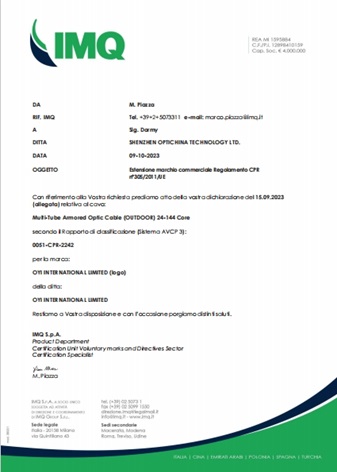
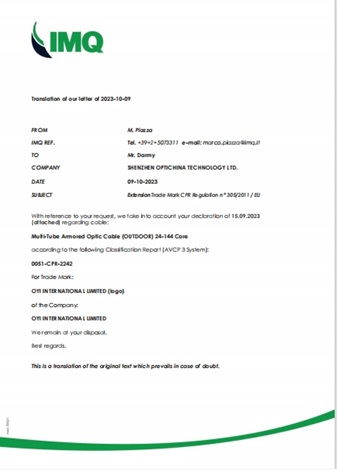
Fully Certified for International Smart Grid Deployments
Our commitment to quality is backed by rigorous testing and international certifications. OYI products meet the highest industry standards, ensuring reliable performance in demanding high-voltage environments.



Complete Product Portfolio for ADSS Grid Installations
End-to-End Fiber Optic Infrastructure Solutions
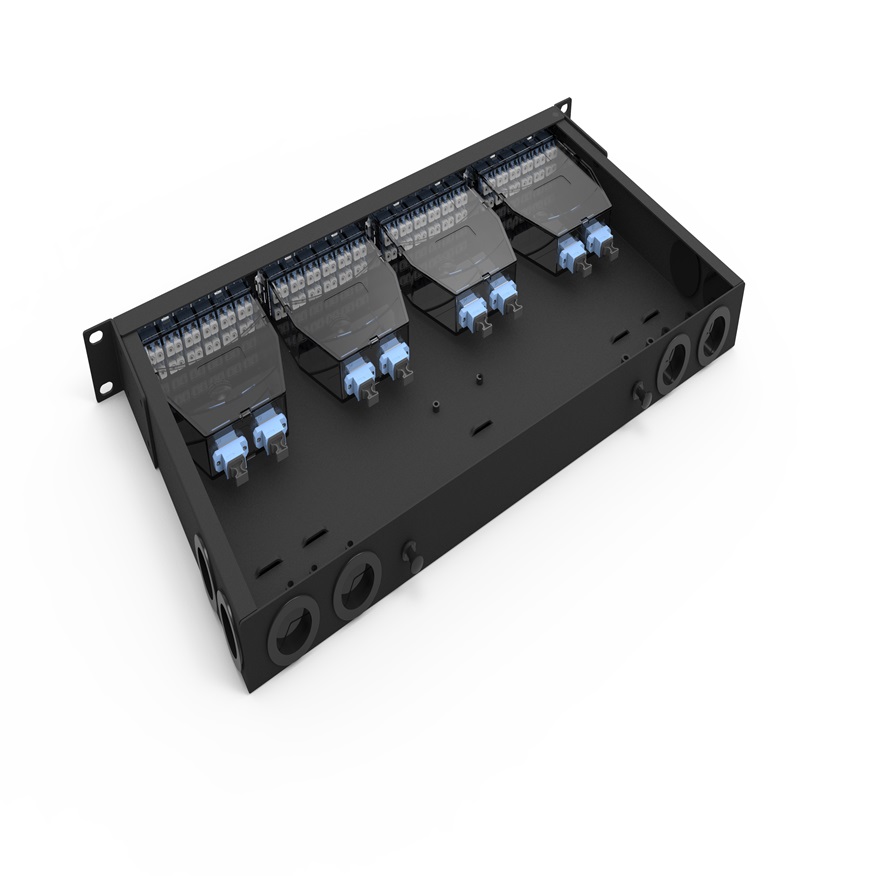
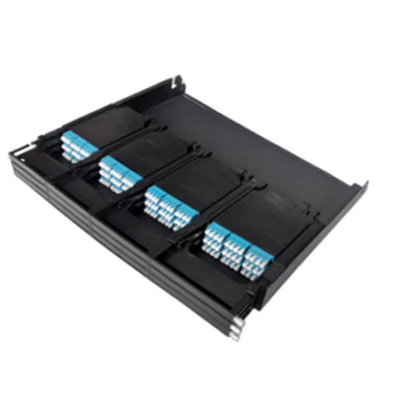
High-Voltage Grid OYI-ODF-MPO Fiber Distribution Panel
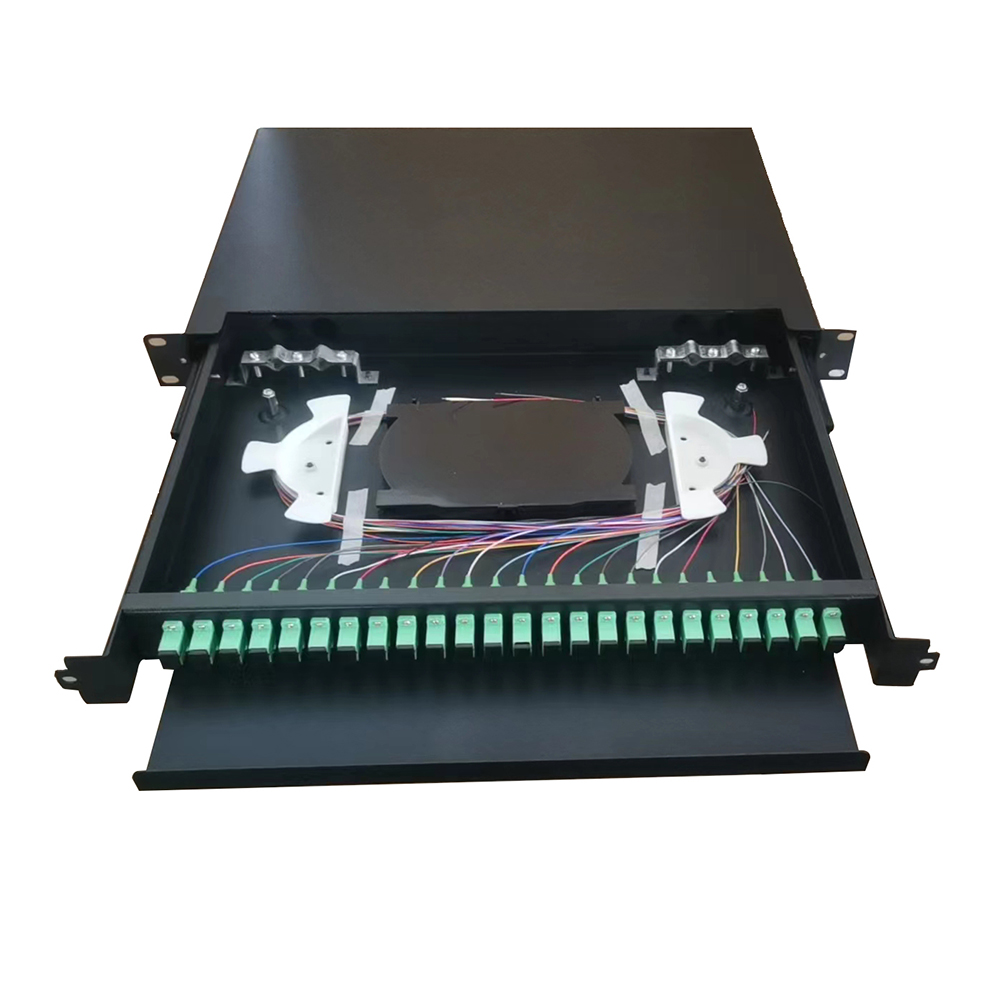
ADSS Grid Terminal OYI-ODF-SR2 Fiber Patch Panel
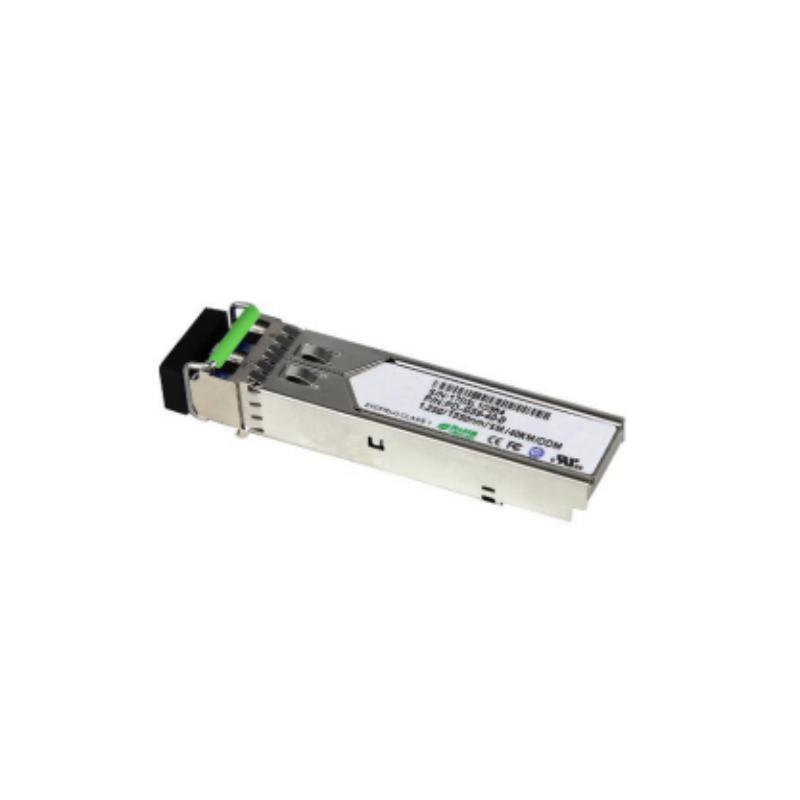
Grid Telecommunication 1.25Gbps 60Km LC DDM Transceiver
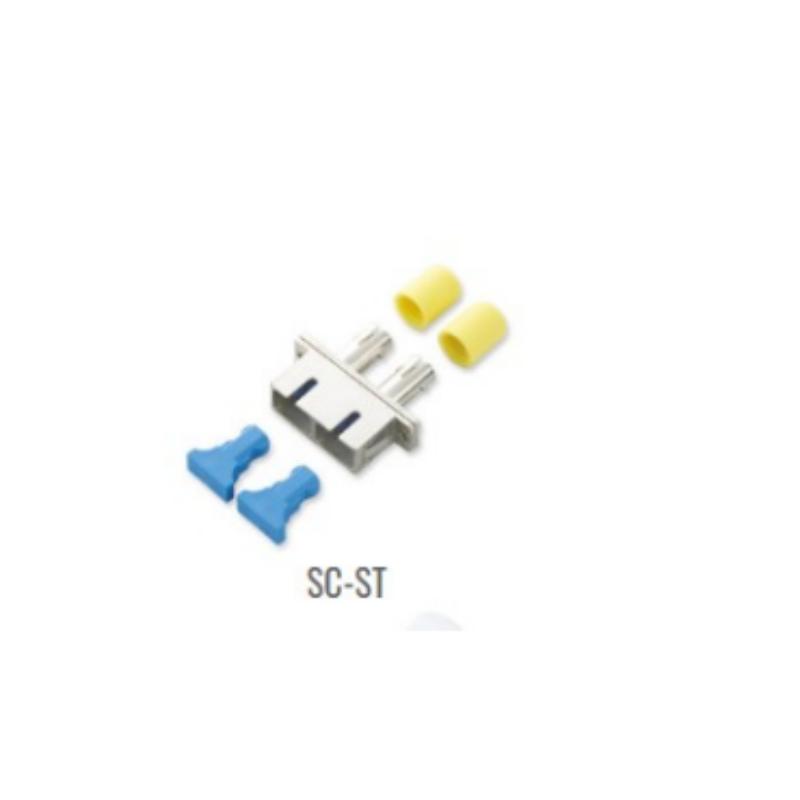
ADSS Line Interface SC / FC / LC / ST Hybrid Adapter
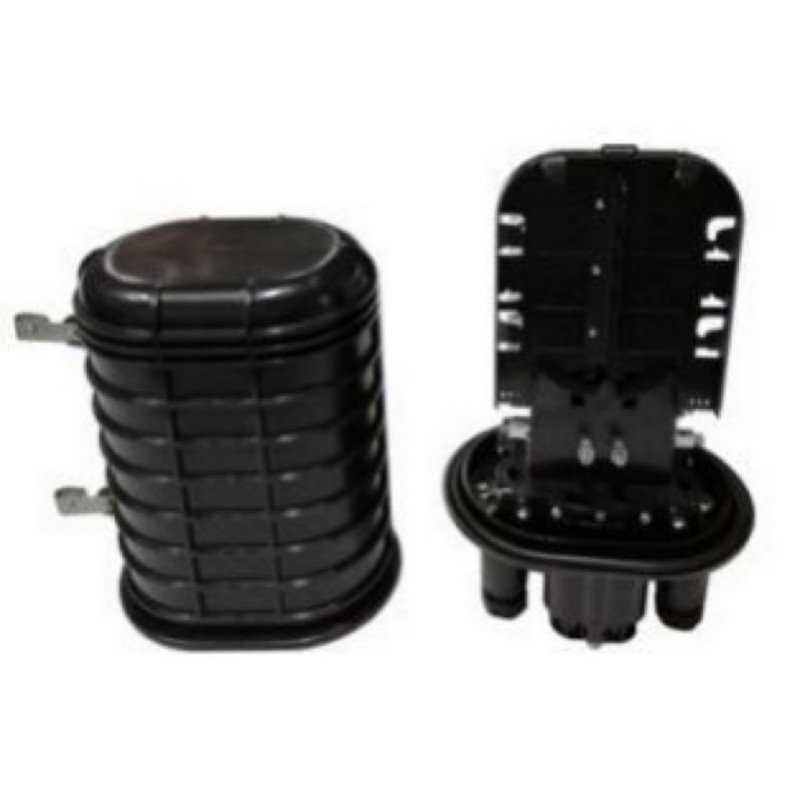
OYI-FOSC-D111M ADSS Overhead Splice Closure
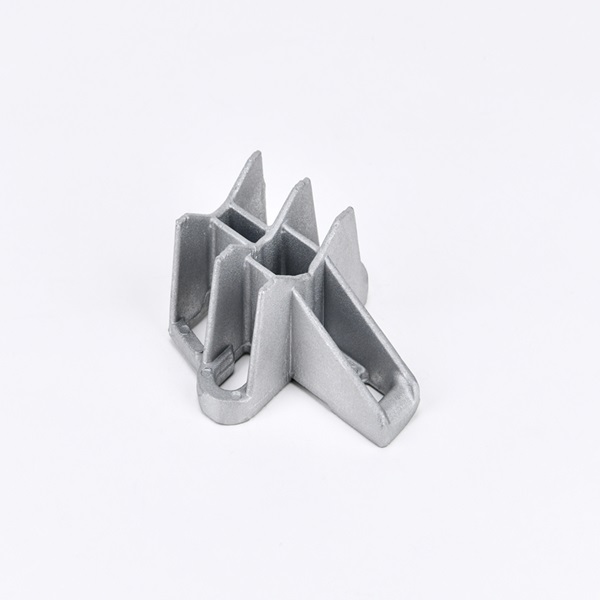
UPB Aluminum Alloy Universal Pole Bracket for ADSS
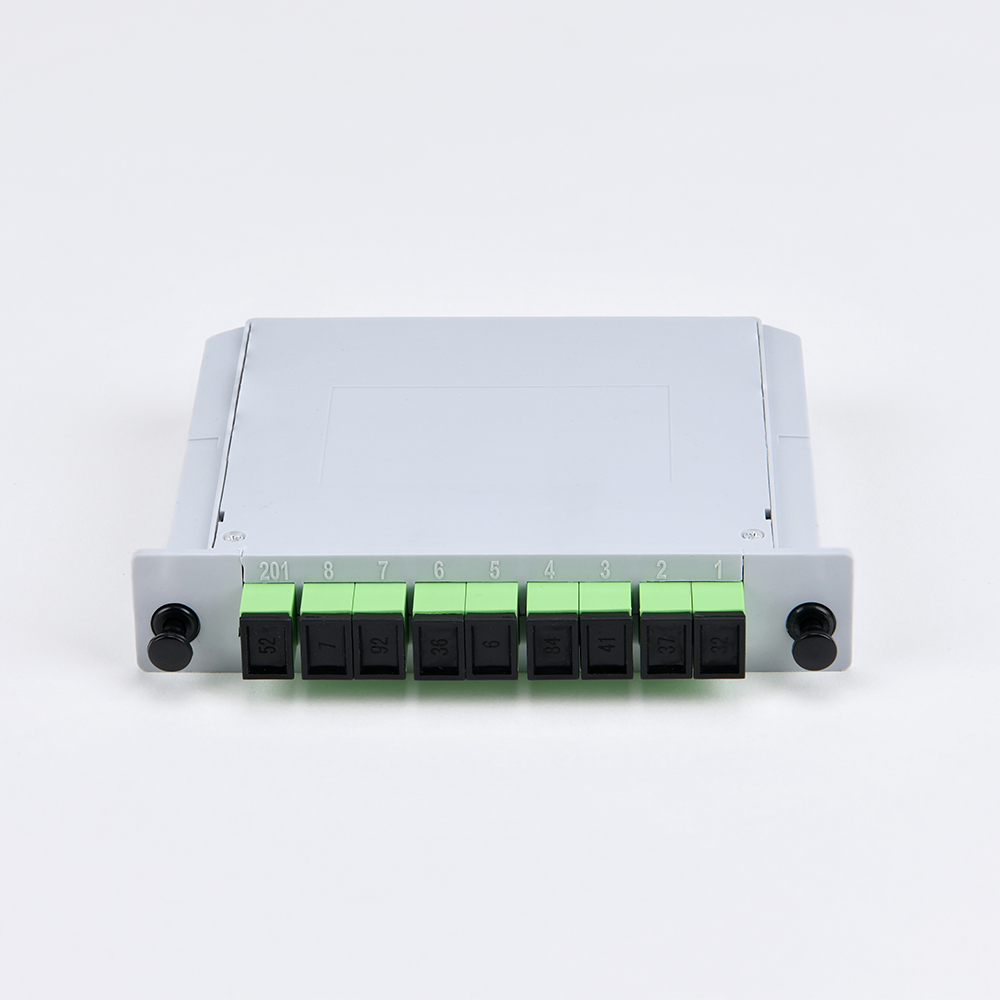
LGX Insert Cassette Type Splitter for ADSS Distribution