 0755-23179541
  sales@oyii.net
.png) 8618926041961
8618926041961Featured Signal Conversion Equipment & Cabling
The Critical Role of Simplex Patchcords in Fiber-to-Copper Media Conversion
Modern telecommunication networks are undergoing a hybrid revolution. While fiber optic technology offers unprecedented bandwidth and speed over massive distances, legacy copper-based infrastructures (such as Ethernet RJ45) remain deeply embedded in local networks, industrial automation plants, and enterprise environments. The bridge between these two disparate media is the Fiber-to-Copper Media Converter. However, the efficiency of this conversion depends entirely on the physical layer connection—specifically, the Simplex Patchcord used to transport optical signals to and from the converter.
In long-distance signal conversions, data integrity is highly sensitive to insertion loss and signal dispersion. A simplex patchcord, which utilizes a single optical fiber strand, is the optimal choice for bidirectional data transmission over long spans. By leveraging Wavelength Division Multiplexing (WDM) or BiDi (Bi-directional) transceivers, a single simplex patchcord can simultaneously transmit and receive data on different wavelengths (e.g., 1310nm and 1550nm). This design halves the physical cabling requirements while maintaining high-speed, long-distance communication links up to 20km, 40km, or even 80km.
Key Optimization Insight
Using premium Single-mode Simplex Patchcords for long-distance media conversion ensures minimal attenuation (typically < 0.4 dB/km at 1310nm) and eliminates the polarity mismatch issues common in duplex cabling configurations.
Industrial & Commercial Landscape of Signal Conversions
Globally, the demand for high-speed connectivity in smart cities, industrial IoT (IIoT), and metropolitan area networks has driven massive deployment of media converters. Industrial facilities frequently generate high levels of electromagnetic interference (EMI), which degrades copper Ethernet signals within short distances (often restricted to 100 meters). By converting Ethernet to fiber via a media converter and routing it through a ruggedized simplex patchcord, enterprises bypass EMI limitations completely, transmitting data over several kilometers without loss.
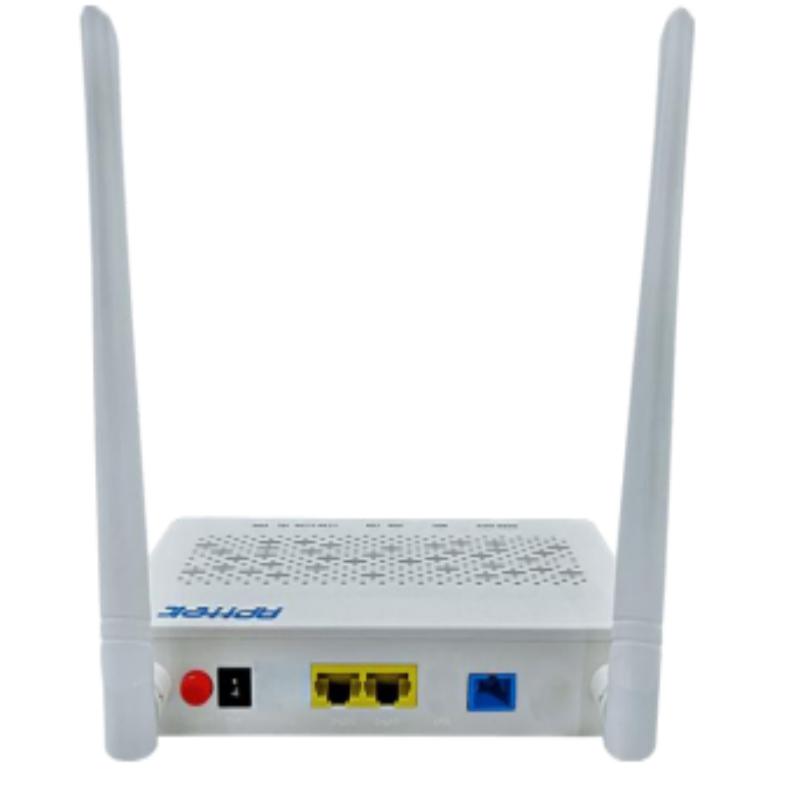
Furthermore, commercial internet service providers (ISPs) utilize simplex patchcords in Fiber-to-the-Home (FTTH) and Fiber-to-the-Building (FTTB) architectures. The media converter acts as the customer premises equipment (CPE) or optical network unit (ONU), translating the optical fiber signal back into standard copper Ethernet for home routers. This hybrid approach significantly reduces infrastructure upgrade costs, allowing ISPs to deliver gigabit speeds over existing building copper wiring.
Deep Application Scenarios & Engineering Analysis
1. Municipal Surveillance and Traffic Monitoring Systems
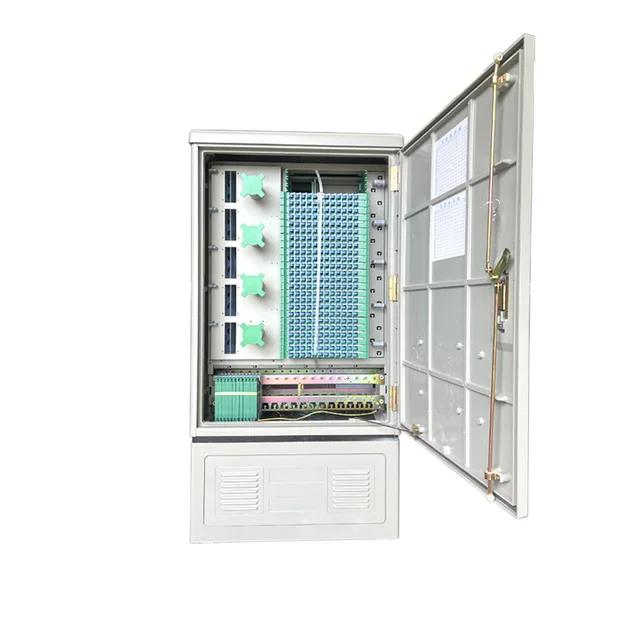
Modern smart cities require extensive IP camera networks spread across vast municipal zones. IP cameras natively output copper-based RJ45 Ethernet signals. However, transmission distances to the central command center often exceed 10 kilometers. By deploying a hardened fiber-to-copper media converter at the camera pole, engineers convert the copper signal into optical waves. A single-mode simplex patchcord connects the converter to the optical distribution box, utilizing BiDi technology to stream high-definition video feeds back to the control room over a single fiber strand. This layout saves critical space in narrow conduits and reduces fiber leasing costs.
2. Substation Automation and Power Grid Systems
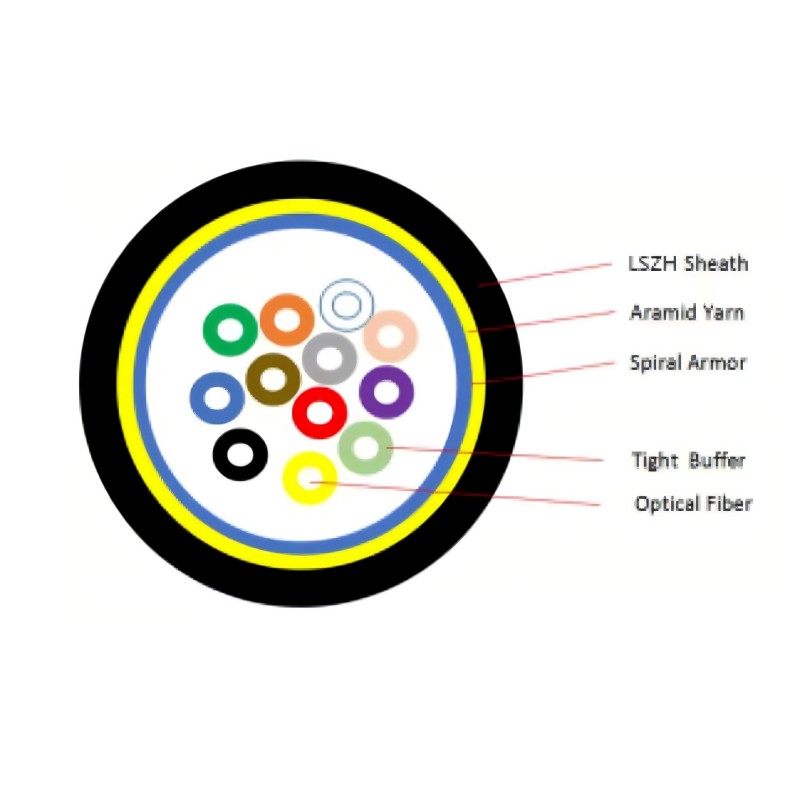
Electrical substations generate extreme electromagnetic fields. Copper cables running near high-voltage lines suffer from severe induced currents and signal corruption. Implementing fiber-to-copper converters allows critical monitoring sensors to communicate safely. The conversion utilizes specialized simplex patchcords with LSZH (Low Smoke Zero Halogen) jacketing to connect the optical converters to centralized terminal boxes. This setup provides complete electrical isolation between the high-voltage yard and the control room, safeguarding personnel and equipment.
3. Enterprise Campus Backbone Extensions
Large-scale enterprise campuses (such as universities or corporate parks) often have outlying facilities that need to connect to the main network core. Laying new multi-fiber trunks can be cost-prohibitive. By utilizing existing dark fiber cores paired with simplex patchcords and media converters, IT departments can extend the local area network (LAN) to remote offices. This setup supports gigabit speeds over single-mode fiber links up to 40km, avoiding the need for expensive managed switch upgrades at every endpoint.
Development Trends: The Shift Towards Intelligent Media Conversion
As networks evolve toward 10G and beyond, the industry is witnessing a shift towards intelligent media converters equipped with Link Fault Pass-Through (LFP) and Far End Fault (FEF) capabilities. These features immediately alert network administrators if an optical patchcord link is severed, allowing for instant rerouting of traffic. Additionally, patchcords are evolving with bend-insensitive fibers (such as G.657.A1/A2), allowing tight bends in compact enclosure units without increasing attenuation or disrupting signal conversion.
Oyi international ., Ltd.
Oyi international., Ltd. is a dynamic and innovative fibre optic cable company based in Shenzhen, China. Since its inception in 2006, OYI has been dedicated to providing world-class fibre optic products and solutions to businesses and individuals across the globe. Our Technology R&D department has more than 20 specialized staff committed to developing innovative technologies and providing high-quality products and services. We export our products to 143 countries and have established long-term partnerships with 268 clients.
Our products are widely used in telecommunications, data center, CATV, industrial and other areas. Our main products include various types of optical fiber cables, fiber optic linkers, fiber distribution series, fiber optic connectors, fiber optic adapters, fiber optic couplers, fiber optic attenuators, and WDM series. Not only that, our products cover ADSS, ASU, Drop Cable, Micro Duct Cable, OPGW, Fast Connector, PLC Splitter, Closure, FTTH Box, etc. In addition, we provide our customers with complete fiber optic solutions, such as Fiber to the Home (FTTH), Optical Network Units (ONUs), and High Voltage Electrical Power Lines. We also provide OEM designs and financial support to help our customers integrate multiple platforms and reduce costs.
About Oyi & Factory Operations
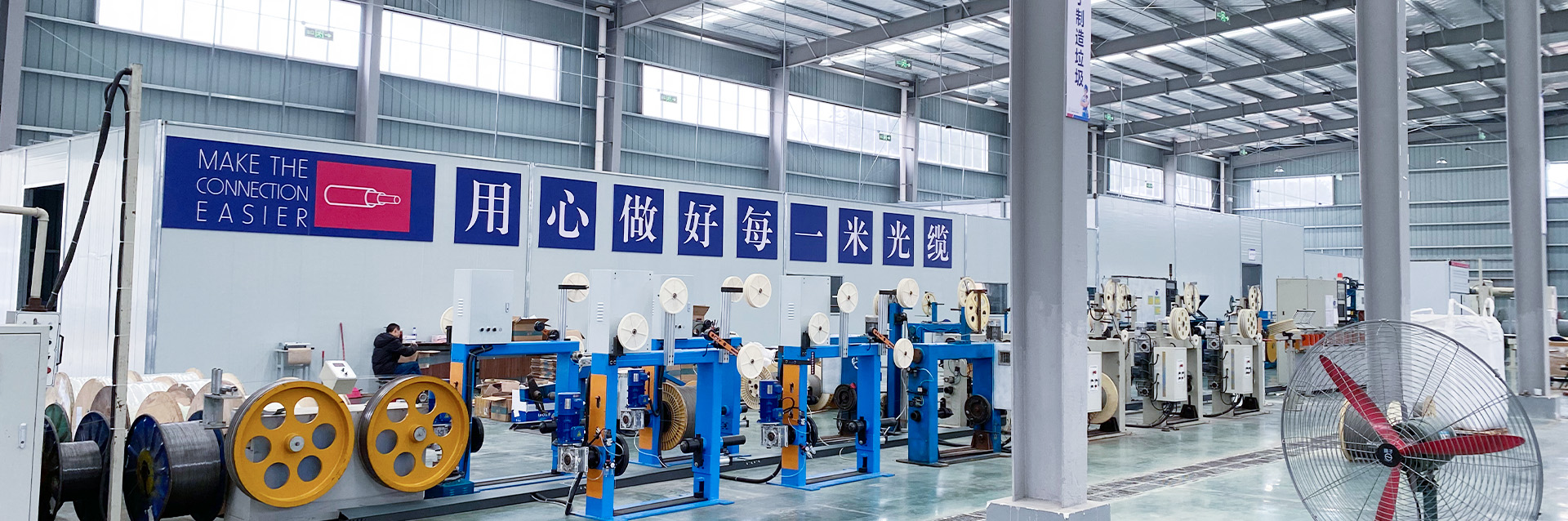
To support our global customers, OYI maintains state-of-the-art production environments. Our facilities are optimized for the high-precision assembly of optical connectors, distribution cabinets, and single-mode patchcords.


Company Philosophy
We are committed to innovation and excellence. Our team of experts are constantly pushing the boundaries of what’s possible, ensuring that we remain at the forefront of the industry. We invest heavily in research and development to ensure that we are always one step ahead of the competition. Our cutting-edge technology allows us to produce fibre optic cables that are not only faster and more reliable, but also more durable and cost-effective.
Our advanced manufacturing process ensures that our fibre optic cables are of the highest quality, guaranteeing lightning-fast speeds and reliable connectivity. Our commitment to excellence means that our customers can always rely on us to provide them with the best possible solutions.
If you’re looking for a reliable, high-speed fibre optic cable solution, look no further than OYI. Contact us now to see how we can help you stay connected and take your business to the next level.
The Company has Obtained Certification
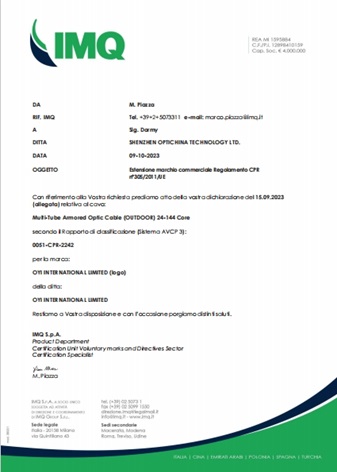
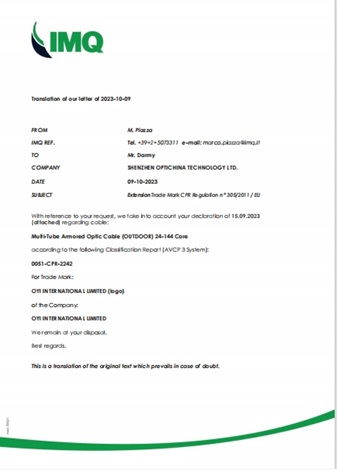
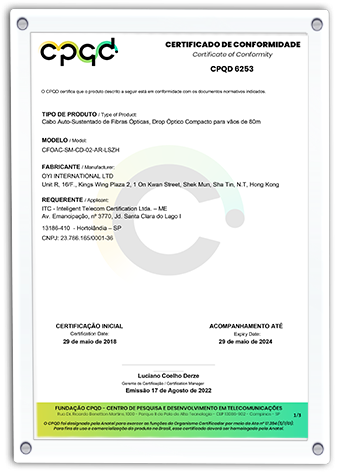
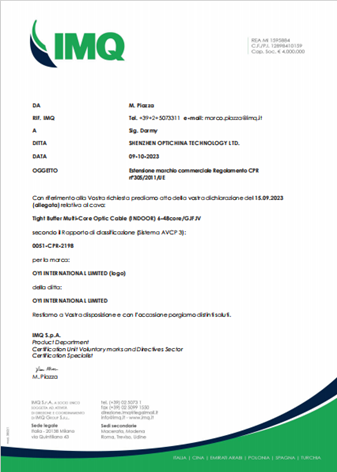
OYI products are manufactured in compliance with international quality, safety, and environmental standards.