
 0755-23179541
  sales@oyii.net
.png) 8618926041961
8618926041961Featured High-Speed Optical SFP Connection Components
Introduction to Simplex Patchcords in Modern SFP Transceiver Environments
In the rapidly evolving landscape of telecommunications and enterprise networking, the demand for high-bandwidth, low-latency data transmission has reached unprecedented levels. Modern data centers and telecommunication hubs are transitioning from legacy architectures to high-speed frameworks supporting 100G, 400G, and even 800G transmission rates. At the heart of these optical infrastructures lies the Small Form-factor Pluggable (SFP) module, which interfaces directly with high-speed optical switches and routers. To bridge these critical nodes, the Simplex Patchcord for High-Speed Optical Switch and Router SFP Module Connections plays a vital, yet frequently underestimated, role.
A simplex patchcord consists of a single optical fiber and a single connector at each end, facilitating unidirectional data transmission. While duplex patchcords are commonly deployed for bidirectional communication using two fiber strands, simplex configurations are essential for specialized optical networks. These include BiDirectional (BiDi) SFP transceivers, which transmit and receive signals over a single fiber strand using different wavelengths (Wavelength Division Multiplexing, or WDM). By utilizing a simplex patchcord, network engineers can double their fiber capacity without laying new cables, significantly reducing physical footprint and structural costs in dense data center environments.
Key Technical Optimization:
By optimizing insertion loss (IL) and return loss (RL) at the connector interface, simplex patchcords ensure that high-speed optical modules (such as SFP, SFP+, SFP28, and QSFP) maintain maximum signal integrity, avoiding packet loss and transmission errors in mission-critical networks.
Industrial and Commercial Dynamics of High-Speed Optical Cabling
The global optical fiber market is witnessing a massive surge driven by cloud computing, artificial intelligence (AI) clusters, 5G deployments, and Internet of Things (IoT) infrastructures. High-speed switches and routers manufactured by industry giants require robust, high-precision interconnects. Simplex patchcords designed for these high-speed SFP module connections must meet strict international standards, including Telecordia GR-326-CORE, IEC, and RoHS compliance.
From a commercial perspective, data center operators are constantly seeking ways to optimize Capex (Capital Expenditure) and Opex (Operating Expenditure). The integration of simplex patchcords with BiDi SFP transceivers presents a highly cost-effective alternative to traditional duplex systems. Instead of deploying two fibers per link, a single fiber is used, which directly halves the cabling cost and reduces the congestion within cable trays and patch panels. This spatial efficiency is crucial in high-density data centers where airflow optimization and thermal management are directly tied to energy consumption and operating costs.
Furthermore, the industrial trend towards edge computing has pushed high-speed switches and routers closer to the end-users. These edge nodes are often deployed in harsh or space-constrained environments, such as industrial manufacturing floors or outdoor telecom cabinets. In these scenarios, simplex patchcords featuring ruggedized LSZH (Low Smoke Zero Halogen) jackets or armored designs are essential to withstand physical stress, temperature fluctuations, and environmental hazards while maintaining seamless connectivity to SFP modules.
Deep Application Scenarios: Switching, Routing, and Transceiver Interfaces
Understanding the precise application scenarios where simplex patchcords excel is key to designing resilient network topologies. Below are the primary deployment architectures:
1. BiDi SFP Transceiver Integration
Standard transceivers use one port for transmitting (Tx) and one for receiving (Rx). BiDi transceivers combine these functions into a single optical port, utilizing diplexers to separate incoming and outgoing wavelengths (e.g., 1310nm/1550nm or 1270nm/1330nm). A simplex patchcord is the native connection medium for these modules, ensuring a direct, uninterrupted light path between the transmitter of one switch and the receiver of another over a single fiber core.
2. High-Density Spine-Leaf Architectures
In modern spine-leaf data center designs, every leaf switch is connected to every spine switch. As the network scales, the number of interconnections grows exponentially. Utilizing simplex patchcords in combination with high-density optical distribution frames (ODFs) allows operators to manage thousands of point-to-point connections efficiently, preventing cable management bottlenecks and ensuring clear identification of optical paths during maintenance.
3. FTTH (Fiber to the Home) and PON Networks
Passive Optical Networks (PON) inherently rely on single-fiber transmission to deliver high-speed broadband to residential and commercial subscribers. Simplex patchcords connect the Optical Line Terminal (OLT) SFP modules in central office switches to the distribution network, and subsequently connect the Optical Network Units (ONUs) at the customer premises, ensuring high-fidelity signal propagation over long distances.
Future Trends: Co-Packaged Optics, Silicon Photonics, and Ultra-Low Loss Fibers
As network speeds transition from 400G to 800G and eventually 1.6T, traditional copper interconnects and even standard optical transceivers face physical limitations regarding power consumption and signal degradation. This has paved the way for Silicon Photonics and Co-Packaged Optics (CPO). In these advanced architectures, the optical engine is packaged directly with the switch ASIC, reducing the electrical trace length and significantly cutting power consumption.
In a CPO-enabled environment, high-density fiber arrays and high-precision simplex patchcords are required to route optical signals from the faceplate directly to the internal optical engines. These patchcords must feature ultra-low bend insensitivity (such as G.657.A2/B3 fibers) to navigate the tight routing paths inside compact switch chassis without experiencing macro-bending losses. Additionally, the development of ultra-low loss connectors with automated alignment mechanisms will become standard, ensuring that insertion loss is kept below 0.1dB per connection to support the tight optical power budgets of next-generation networks.
Oyi international ., Ltd.
Oyi international., Ltd. is a dynamic and innovative fibre optic cable company based in Shenzhen, China. Since its inception in 2006, OYI has been dedicated to providing world-class fibre optic products and solutions to businesses and individuals across the globe. Our Technology R&D department has more than 20 specialized staff committed to developing innovative technologies and providing high-quality products and services. We export our products to 143 countries and have established long-term partnerships with 268 clients.
Our products are widely used in telecommunications, data center, CATV, industrial and other areas. Our main products include various types of optical fiber cables, fiber optic linkers, fiber distribution series, fiber optic connectors, fiber optic adapters, fiber optic couplers, fiber optic attenuators, and WDM series. Not only that, our products cover ADSS, ASU, Drop Cable, Micro Duct Cable, OPGW, Fast Connector, PLC Splitter, Closure, FTTH Box, etc. In addition, we provide our customers with complete fiber optic solutions, such as Fiber to the Home (FTTH), Optical Network Units (ONUs), and High Voltage Electrical Power Lines. We also provide OEM designs and financial support to help our customers integrate multiple platforms and reduce costs.
Time in The Industry Sector
Technical R&D Personnel
Exporting Countries
Cooperative Clients
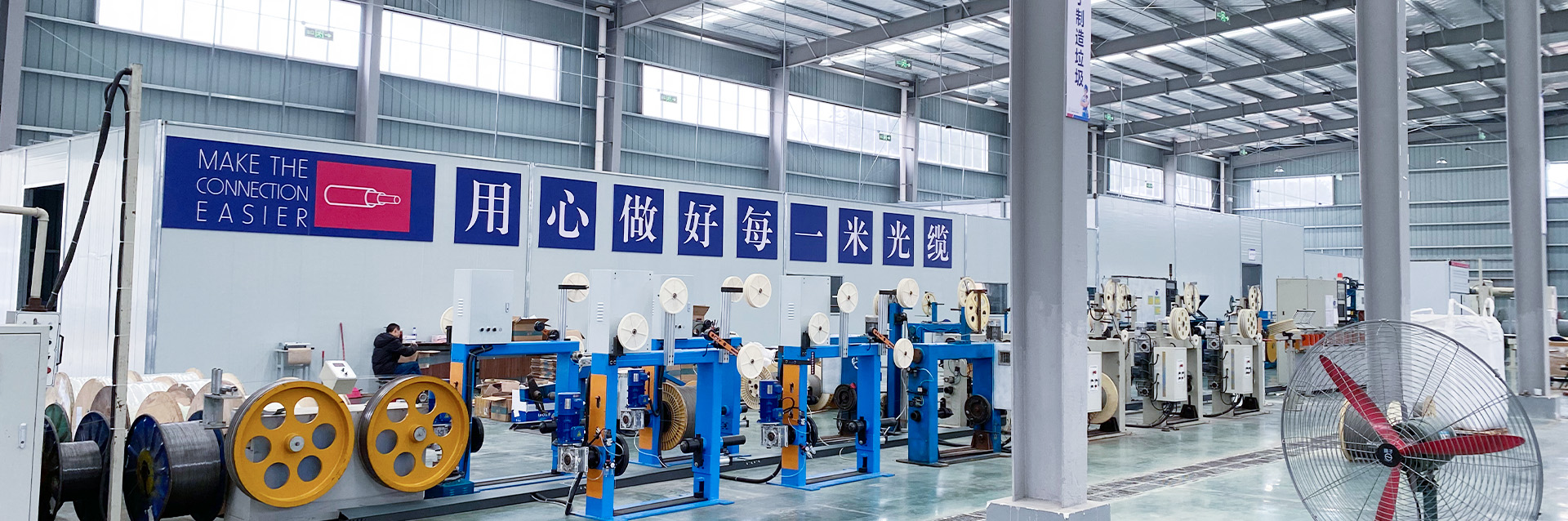
About Oyi - Production & Facilities


Company Philosophy & Our Factory
We are committed to innovation and excellence. Our team of experts are constantly pushing the boundaries of what’s possible, ensuring that we remain at the forefront of the industry. We invest heavily in research and development to ensure that we are always one step ahead of the competition. Our cutting-edge technology allows us to produce fibre optic cables that are not only faster and more reliable, but also more durable and cost-effective.
Our advanced manufacturing process ensures that our fibre optic cables are of the highest quality, guaranteeing lightning-fast speeds and reliable connectivity. Our commitment to excellence means that our customers can always rely on us to provide them with the best possible solutions.
If you’re looking for a reliable, high-speed fibre optic cable solution, look no further than OYI. Contact us now to see how we can help you stay connected and take your business to the next level.
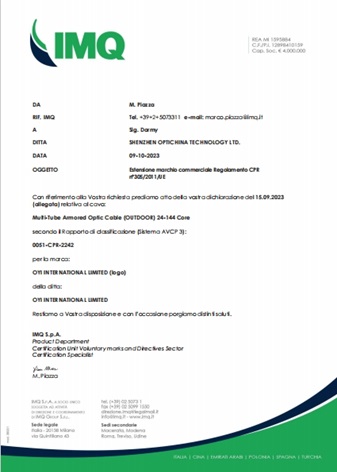
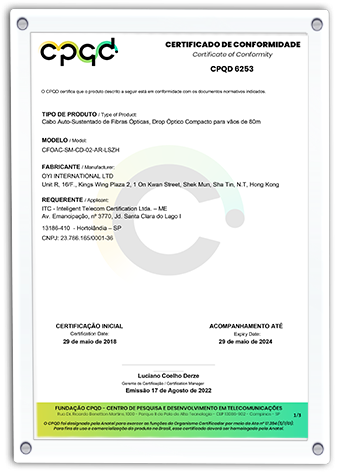
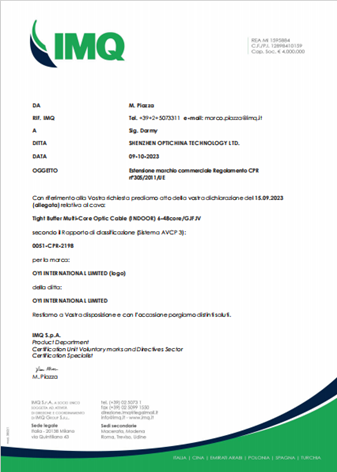
Global Certifications & Quality Assurances
To ensure compatibility with international telecom infrastructures, OYI products undergo rigorous testing and comply with global safety and performance standards.



Complete Optical Switch & SFP Interconnection Solutions
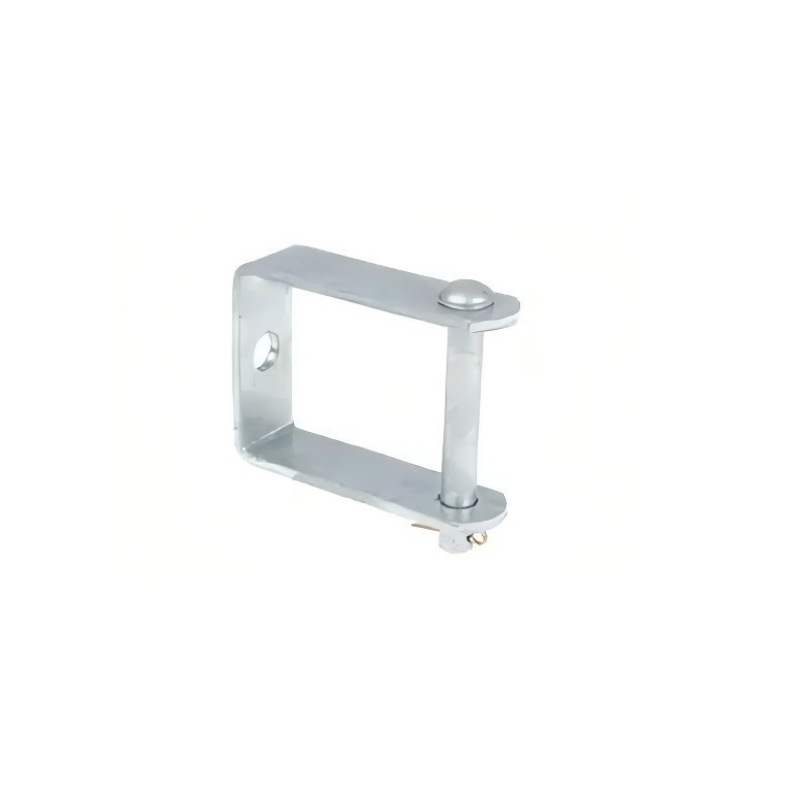 High-Tension Steel Clevis for SFP Infrastructure Supporting
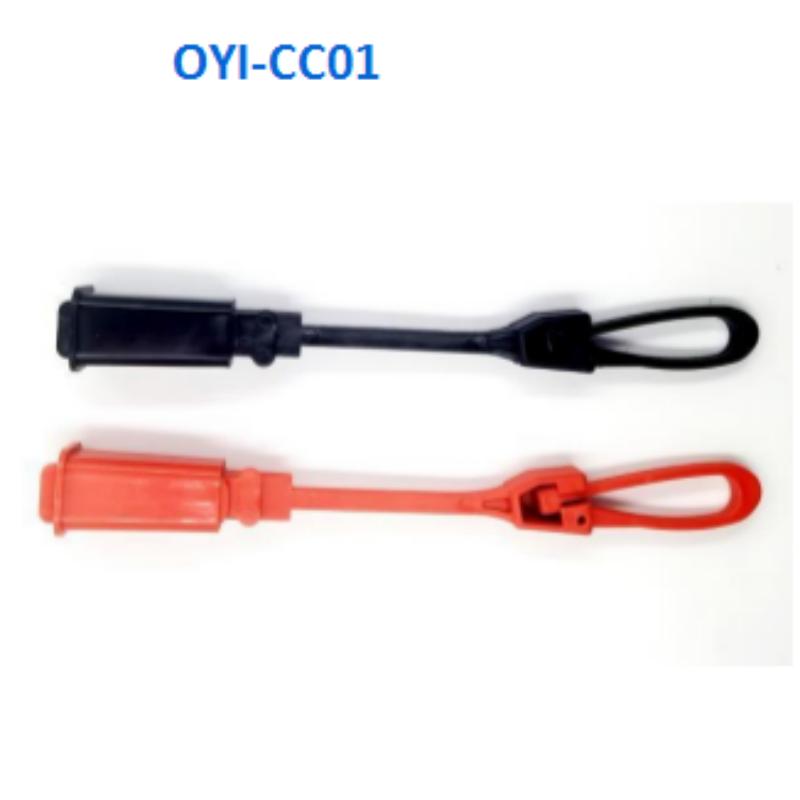 High-Speed Router Drop Clamp B&C Type
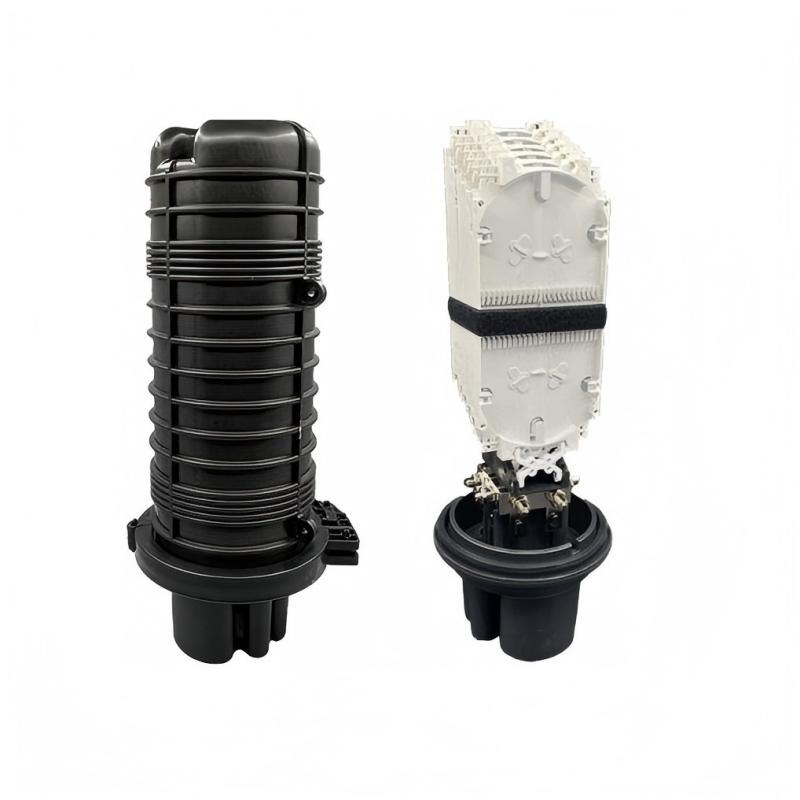 OYI-FOSC-D106H High-Speed Splice Closure
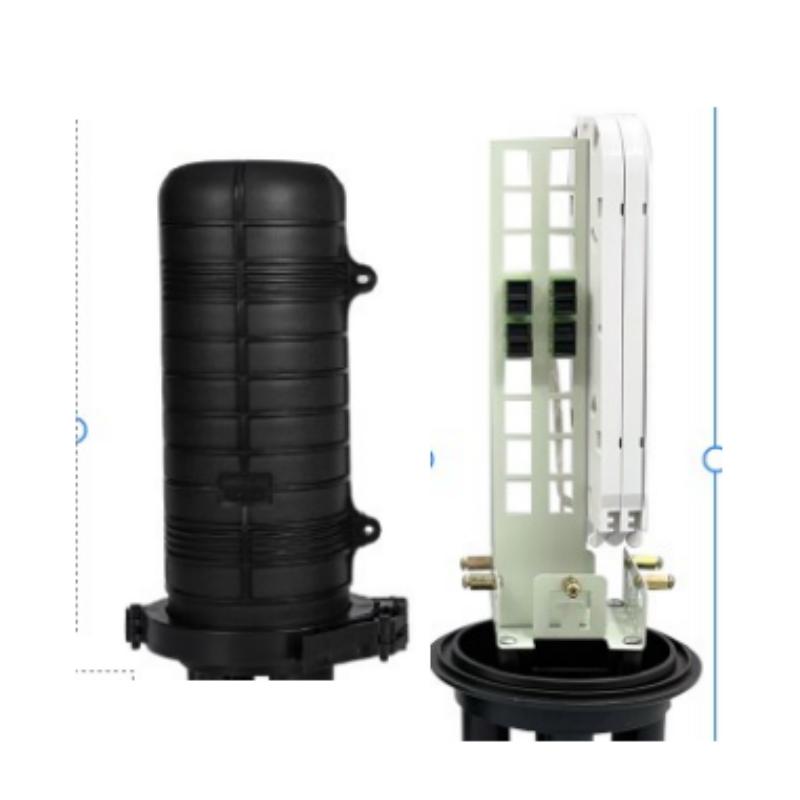 OYI-FOSC-D104H SFP Fiber Distribution Closure
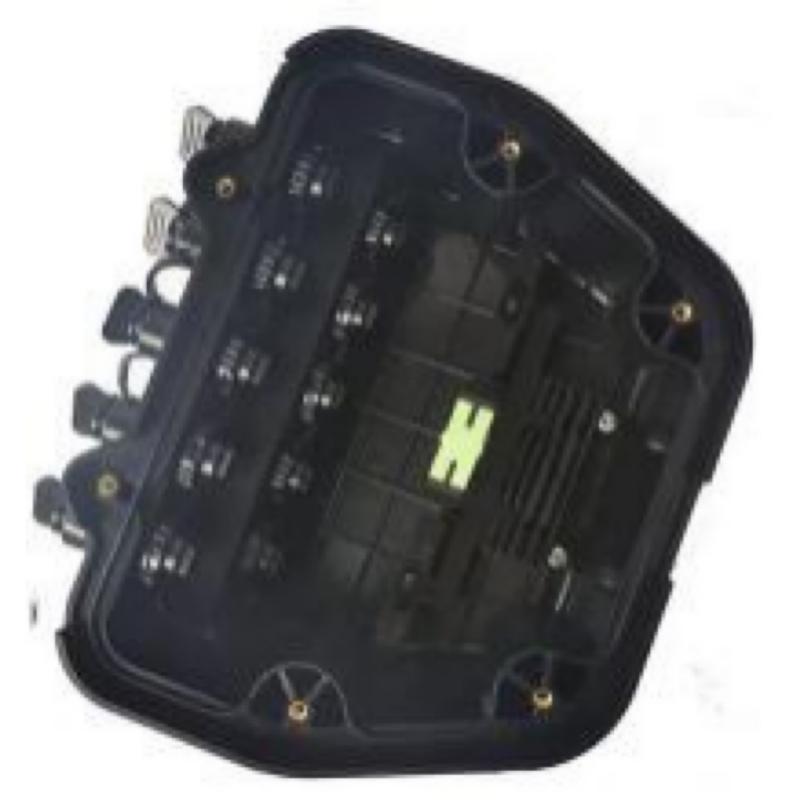 OYI-FTB-10A High-Density Terminal Box
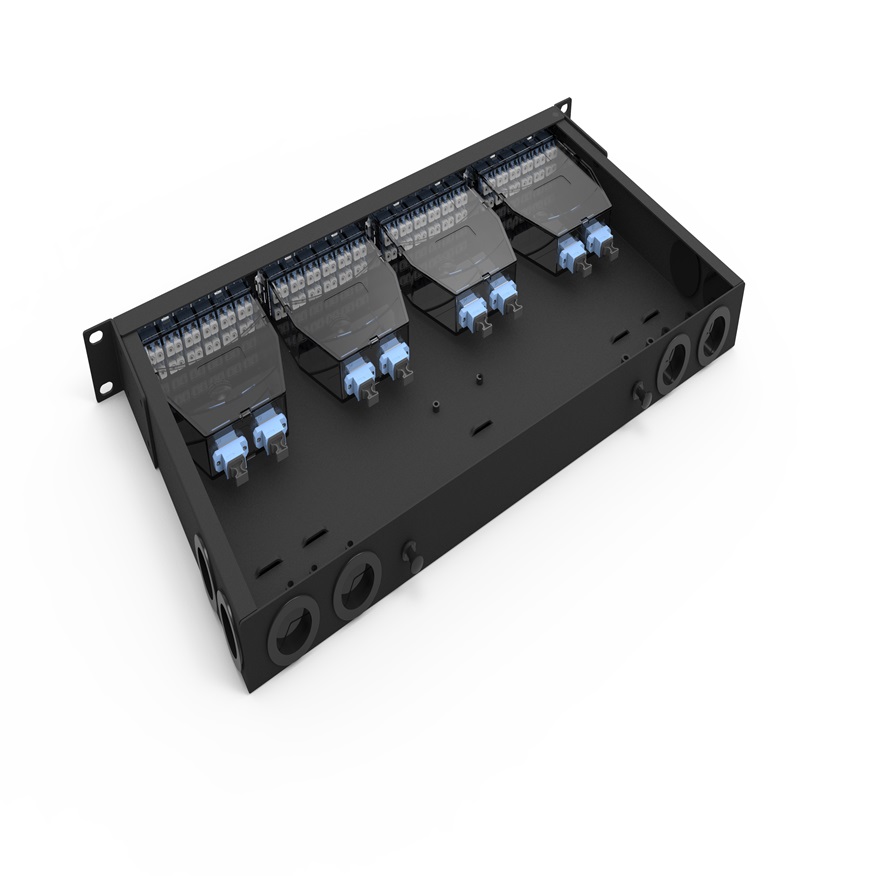 OYI-ODF-MPO High-Speed Switch Distribution Panel
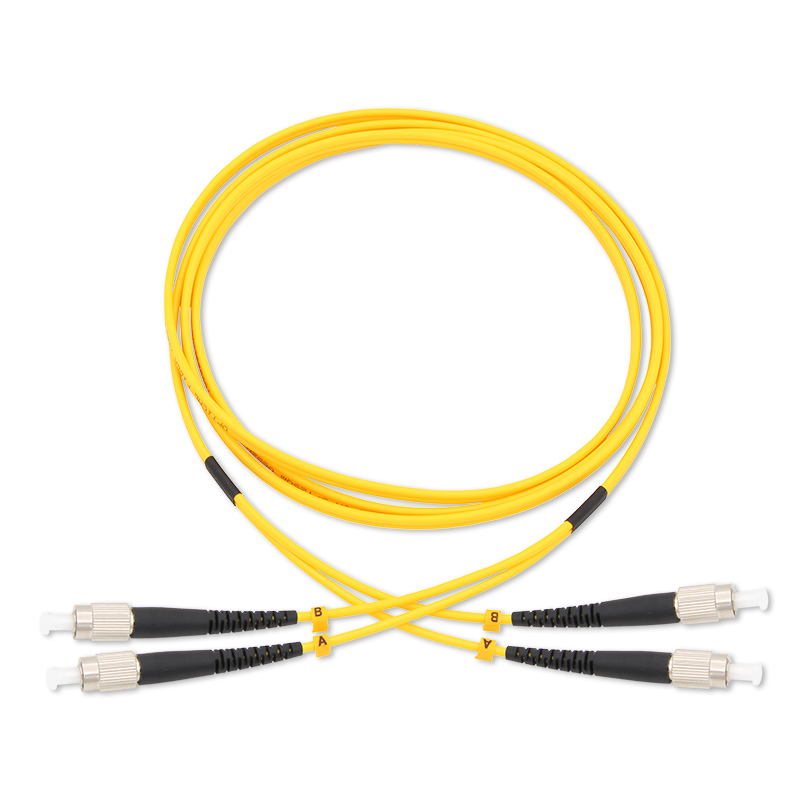 High-Performance Duplex Patch Cord for SFP Connections
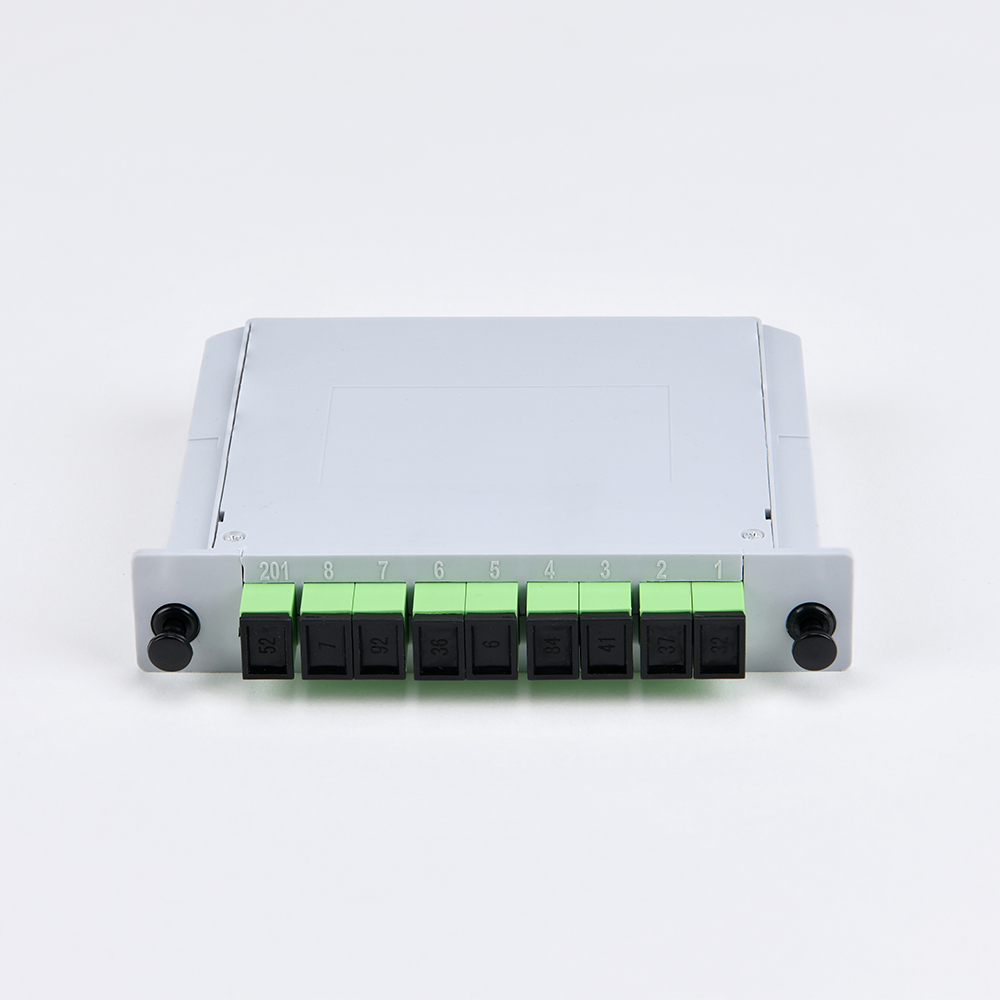 LGX Cassette Splitter for Optical Switch Routing
