
 0755-23179541
  sales@oyii.net
.png) 8618926041961
8618926041961Featured Interconnect & Termination Hardware
Essential optical distribution and enclosure systems designed for high-reliability fixations
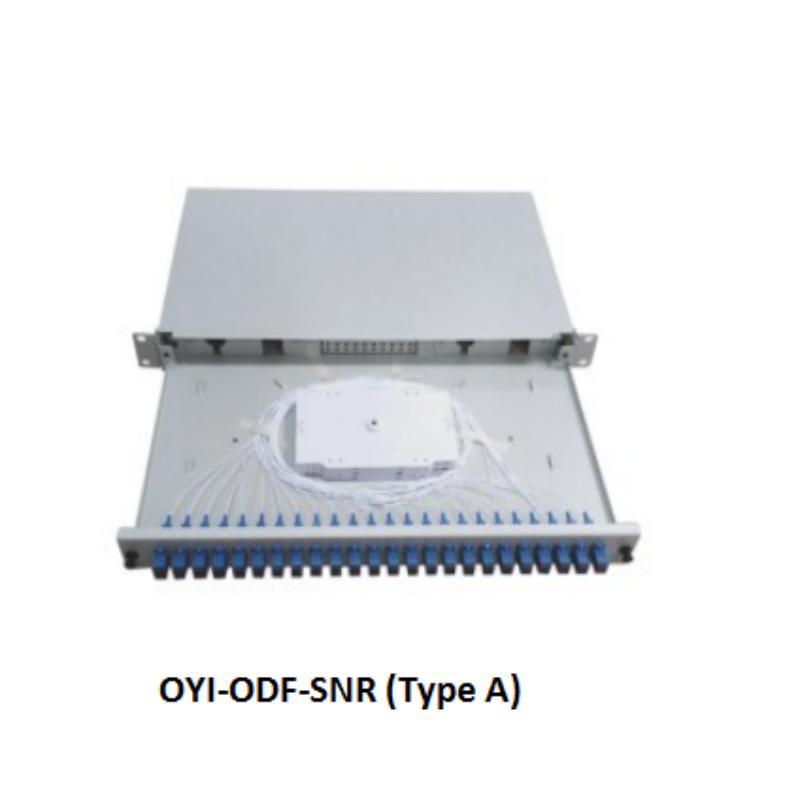 OYI-ODF-SNR-Series Type Heavy-Duty Distribution Panel
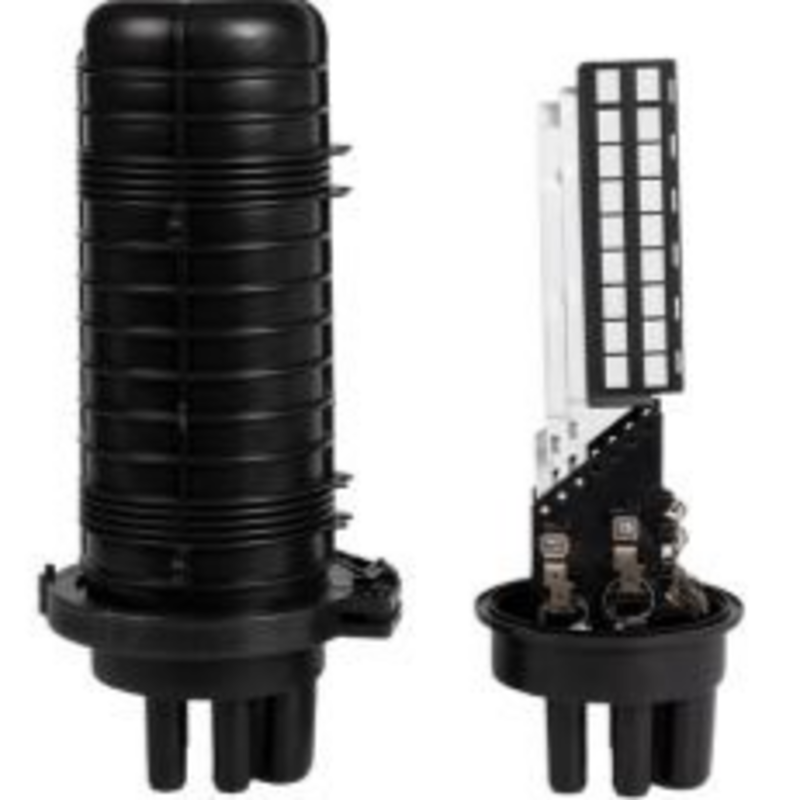 OYI-FOSC-D108H-B PLC Type Fiber Splice Closure
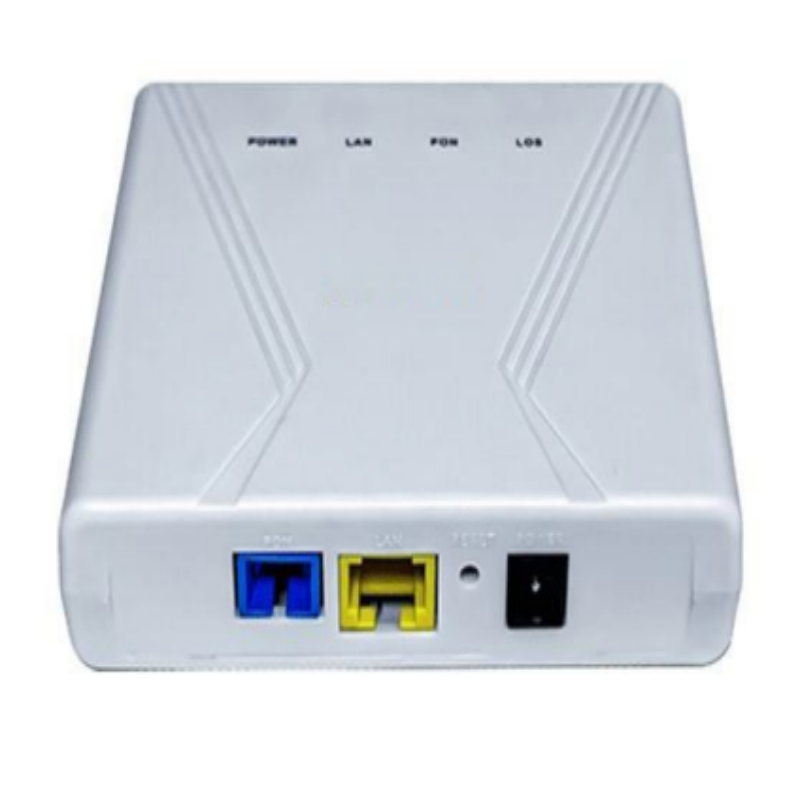 310GR Heavy-Duty Optical Terminal Attachment Box
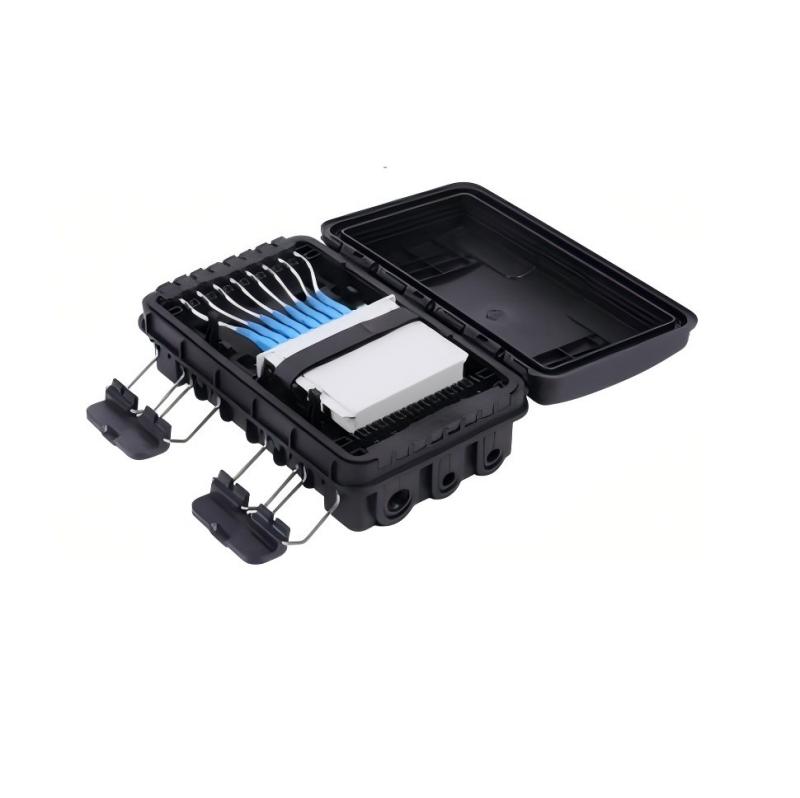 OYI-FAT16F Series Metal Fitting Compatible Terminal Box
Comprehensive Analysis: Simplex Fiber Optic Cables in Metal Fitting Fixations
Understanding the mechanical dynamics of single-core cables under heavy-duty clamping pressure
In modern industrial and outdoor telecommunication networks, the application of a Simplex Fiber Optic Cable For Heavy-Duty Optical Cable Metal Fitting Fixations represents a critical convergence of optical engineering and mechanical robustification. While multi-fiber ribbon or loose-tube cables cater to high-density trunk lines, simplex fiber optic cables remain the gold standard for dedicated point-to-point signal paths, sensor feeds, control links, and drop connections in environments demanding absolute reliability.
Deploying optical fibers in heavy industrial settings requires specialized cable construction to withstand severe mechanical forces. Metal fittings—such as stainless steel cable glands, wedge clamps, compression collet chucks, and strain relief anchor fixtures—exert substantial radial compressive stress and axial pulling forces. Without specialized cable jacketing, tight-buffering, and strength member integration, these mechanical fixations would induce severe micro-bending or macro-bending optical attenuation, or even crush the delicate glass core (silica cladding and germanium-doped core).
Key Structural Components for Heavy-Duty Metal Fixation
To survive heavy-duty metal clamping, simplex fiber optic cables designed for metal fitting fixations feature a multi-layered protective architecture:
- Tight-Buffered Fiber Coating: A resilient 900µm tight buffer layer (commonly constructed of Thermoplastic Elastomer, Hytrel, or Nylon) directly surrounds the 250µm primary coated fiber. This buffer acts as a mechanical shock absorber, isolating the fragile glass core from lateral compression applied by metal collets.
- Aramid Yarn Reinforcement (Kevlar®): Distributed symmetrically around the tight buffer, high-tensile aramid yarns absorb longitudinal strain. When secured within heavy-duty metal fitting strain-relief crimp rings, the aramid strength members transfer pulling tension directly to the fitting housing, preventing any stress on the optical core.
- Heavy-Duty Outer Jacket: Formulated from Low Smoke Zero Halogen (LSZH), Thermoplastic Polyurethane (TPU), or High-Density Polyethylene (HDPE), the outer jacket provides resistance to abrasion, oils, chemicals, UV radiation, and severe temperature fluctuations ranging from -40°C to +85°C.
High Tensile Retention
Engineered with heavy aramid yarn density to endure tensile loads exceeding 600N, ensuring the cable remains anchored in metal fittings without slippage.
Crush Resistance
Provides superior lateral crush protection up to 3000N/100mm, preventing signal degradation when metal gland nuts are fully torqued.
Environmental Sealing
Integrates seamlessly with IP67/IP68 metal fittings to form gas- and liquid-tight seals around the smooth, uniform outer jacketing.
Industrial Landscape & Market Evolution
Emerging requirements driving heavy-duty optical cable fixations across global sectors
The global market for heavy-duty optical connectivity is experiencing exponential growth, driven by Industry 4.0 automation, smart electrical grid modernization, continuous FTTA (Fiber-to-the-Antenna) 5G small cell rollouts, and harsh-environment energy exploration. As data transmission speeds transition from gigabit to multi-terabit capacities, copper wiring in industrial environments suffers from severe electromagnetic interference (EMI), ground loops, and bandwidth limitations. Consequently, optical fiber has transitioned from back-office server rooms directly to factory floors, high-voltage substations, and offshore platforms.
However, industrial environments subject cabling to extreme physical demands. Traditional indoor patch cords or lightweight drop cables fail rapidly under vibration, mechanical impact, and outdoor weather exposure. Industrial system integrators increasingly demand Simplex Fiber Optic Cable assemblies fitted into heavy-duty metal hardware to create robust, long-life interconnects.
Key Industry Drivers:
- Smart Grid & Substation Automation: High-voltage switchgear environments require non-conductive simplex fiber channels for control and relay protection. Metal fitting fixations ensure cables remain firmly attached to transformer control cabinets amidst constant high-frequency vibration.
- FTTA & Telecom Infrastructure: Remote Radio Units (RRUs) mounted on cell towers rely on heavy-duty simplex cables clamped with stainless steel cable grips and metal strain relief fittings to survive wind load strain and atmospheric thermal cycling.
- Heavy Machinery & Robotics: Multi-axis industrial robots and drag-chain systems require flexible yet robust simplex fiber cables secured with heavy-duty metal glands that prevent cable pull-out during rapid rotational movement.
Deep-Dive Application Scenarios
Where Simplex Fiber Cables and Metal Fitting Fixations excel in extreme environments
1. Renewable Energy: Offshore Wind Turbines & Solar Parks
In offshore wind farms, simplex fiber optic cables are routed through structural metal fixations inside turbine towers to connect pitch control systems, structural health sensors, and nacelle telemetry systems. The heavy-duty metal fittings maintain watertight integrity against corrosive salt mist, while the custom jacketed simplex fiber resists oil contamination from gearboxes.
2. Mining, Tunneling & Heavy Transportation Systems
Underground mining operations require ruggedized communication lines that can withstand falling debris, continuous dust, and high humidity. Simplex optical cables terminated with heavy-duty metallic strain-relief assemblies provide stable transmission for emergency communications, automated haul truck guidance, and environmental monitoring networks.
3. Oil, Gas & Petrochemical Processing Facilities
Chemical refineries present hazardous environments where explosion-proof metal glands (ATEX/IECEx certified) are mandated. Simplex fiber cables engineered specifically for these fixations feature flame-retardant LSZH outer sheaths and rigid tight buffering to ensure zero gas leakage through the fitting cable sleeve.
About Oyi International Co., Ltd.
Two decades of pioneering fiber optic innovation, engineering precision, and global delivery
Oyi International Co., Ltd. is a dynamic and innovative fiber optic cable enterprise headquartered in the high-tech hub of Shenzhen, China. Since its inception in 2006, OYI has been dedicated to delivering world-class fiber optic products and end-to-end optical infrastructure solutions to businesses, telecom operators, and industrial clients across the globe. Our dedicated Technology R&D department features over 20 specialized optical engineers committed to pioneering advanced manufacturing techniques, rigorous quality assurance, and bespoke OEM solutions.
OYI's expansive product portfolio encompasses a comprehensive range of optical cable solutions, including ADSS, ASU, Drop Cable, Micro Duct Cable, OPGW, Fast Connectors, PLC Splitters, Fiber Optic Closures, FTTH Boxes, and custom-designed heavy-duty patch cords. Today, OYI proudly exports high-performance fiber optic products to 143 countries and maintains long-term strategic partnerships with over 268 major global corporations.
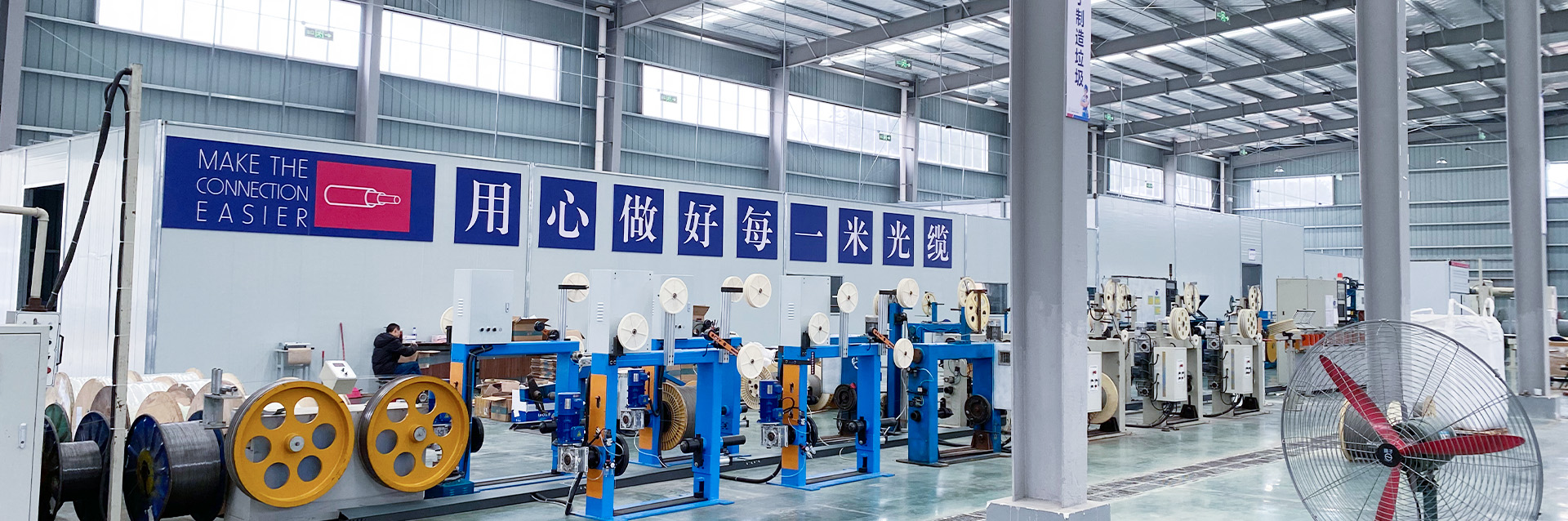
Commitment to Quality & World-Class Manufacturing
Our state-of-the-art manufacturing facilities utilize automated precision extruders, real-time laser diameter control systems, and specialized tensile testing apparatus. We invest heavily in continuous research and development to ensure our fiber optic cables remain at the forefront of speed, durability, and cost-effectiveness. Whether supplying standard FTTH drop cables or specialized simplex cables for heavy-duty metal fitting fixations, OYI guarantees lightning-fast connectivity and unyielding physical resilience.
Manufacturing Facilities & Testing Showcase


International Certifications & Compliance
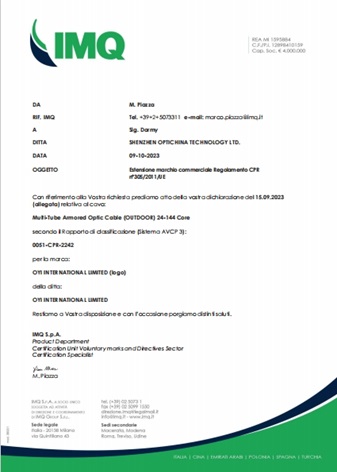
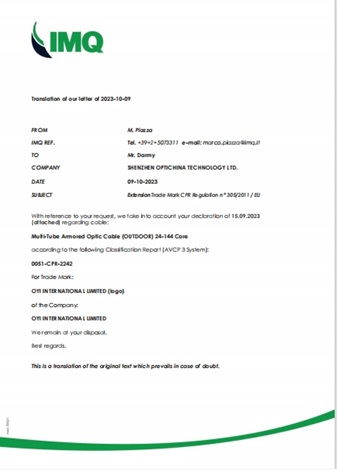
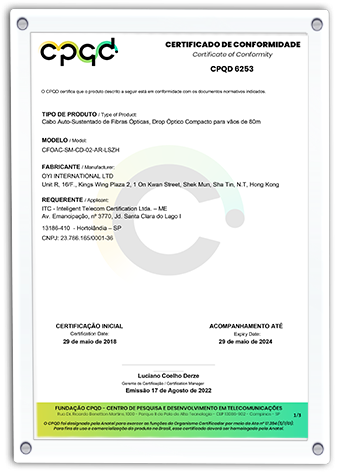
Our products strictly comply with international standards including CPR, ISO9001, CE, RoHS, and BCTC certifications.


Engineering Selection Guide & Installation Guidelines
Optimizing optical performance and preventing loss during fitting assembly
Achieving optimal optical performance with a Simplex Fiber Optic Cable For Heavy-Duty Optical Cable Metal Fitting Fixations requires careful engineering alignment during installation. System design engineers should consider the following parameters:
1. Matching Cable Outer Diameter (OD) with Fitting Bore Size
The outer diameter of the simplex cable (typically available in 2.0mm, 3.0mm, or custom 4.8mm outer armor jackets) must precisely match the compression rubber grommet or collet seal inside the metal fitting. An oversized cable jacket can cause uneven pressure concentration, while an undersized jacket leads to ingress of moisture and reduced strain retention.
2. Torque Management on Metal Gland Fixations
When tightening heavy-duty metal cable glands or threaded strain fittings, technicians must adhere strictly to specified torque values (typically 3.5 Nm to 5.0 Nm depending on fitting material). Excessive torque can compress the 900µm tight buffer layer, creating localized micro-bends that increase signal attenuation at 1310nm and 1550nm wavelengths.
3. Bend Radius Enforcement
During installation inside metal junction boxes or distribution enclosures, the simplex cable must never be bent beyond its minimum dynamic bend radius (typically 20 times the cable OD during installation, and 10 times OD post-fixation). Utilizing G.657.A2 bend-insensitive single-mode fiber core technology dramatically mitigates optical power loss in space-constrained heavy-duty metal enclosures.
Complete Heavy-Duty Optical Cable & Enclosure Portfolio
Explore our full range of fiber optic cables, distribution boxes, closures, and patch cords
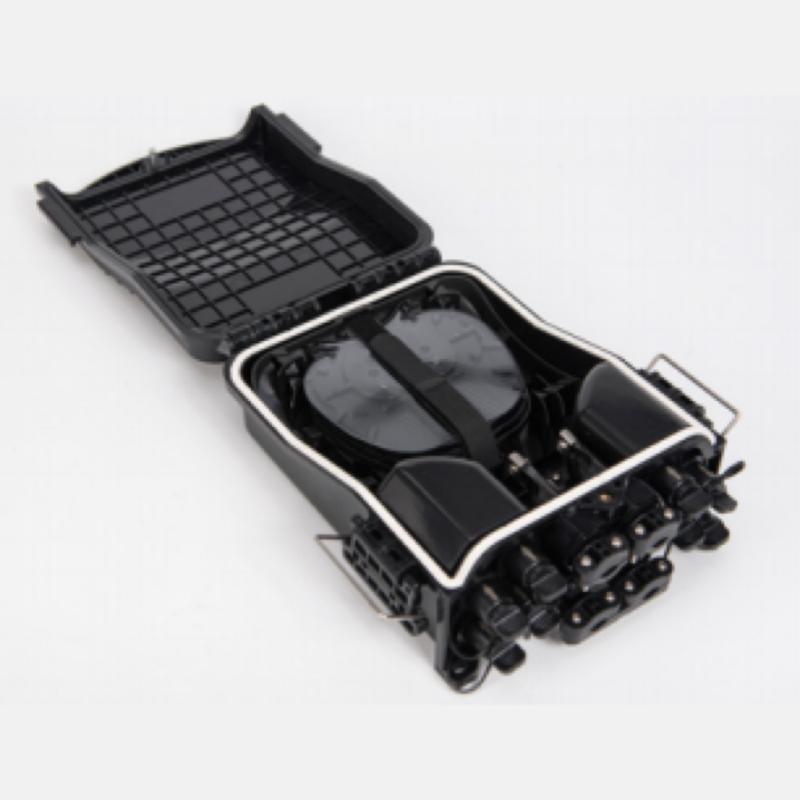 OYI-FATC 8A Terminal Box
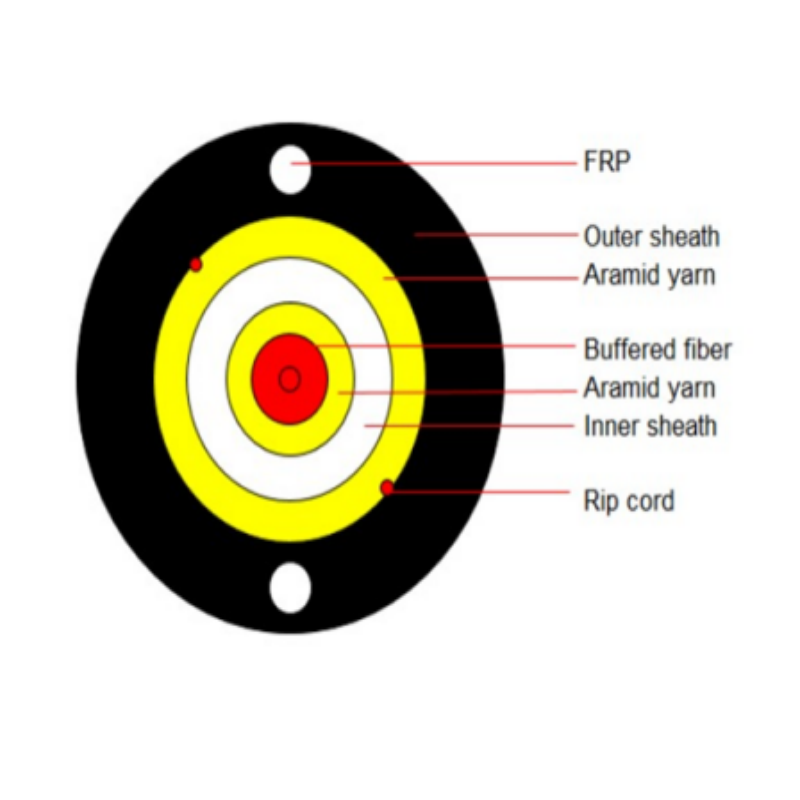 Jacket Round Cable
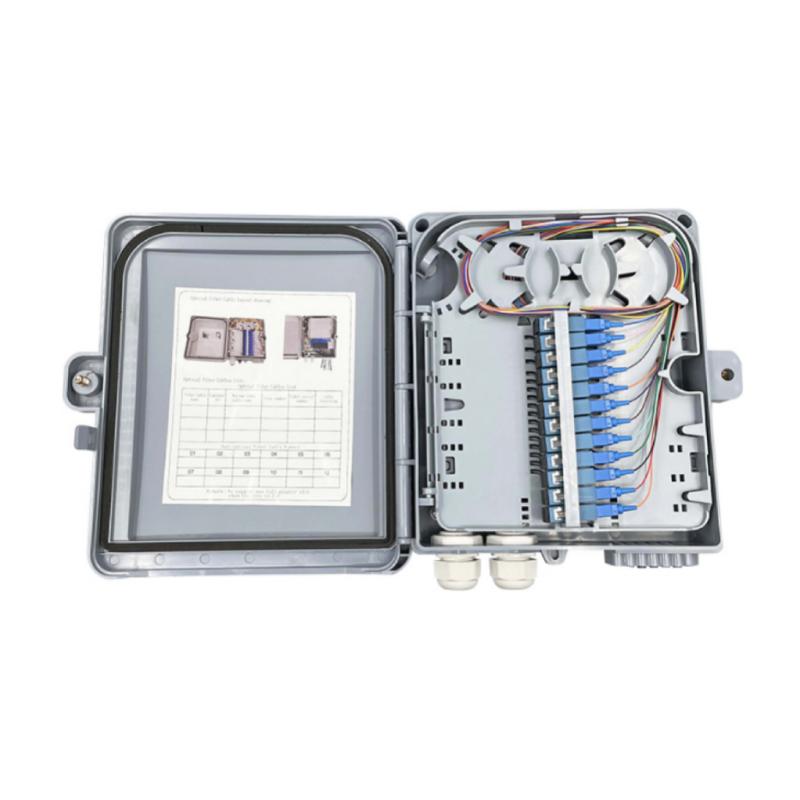 OYI-FAT12B Terminal Box
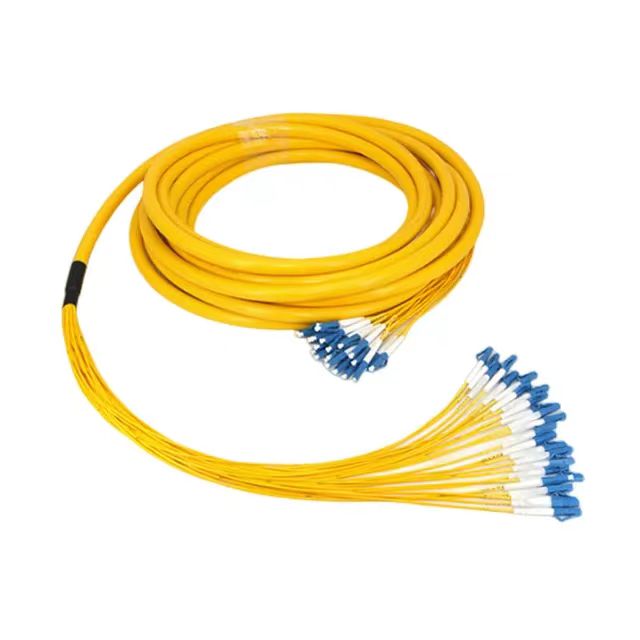 Fanout Multi-core (4~48F) Patch Cord
