 0755-23179541
  sales@oyii.net
.png) 8618926041961
8618926041961Featured Optical Connectivity Components
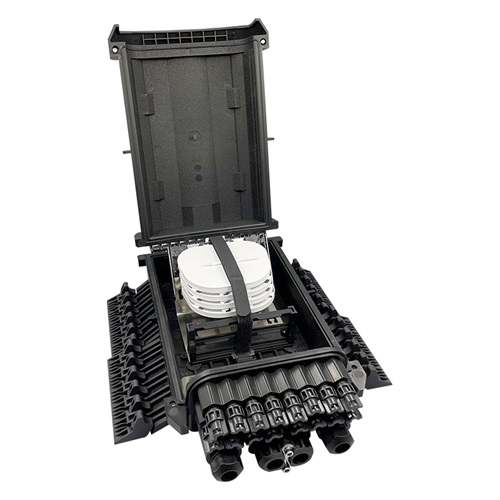
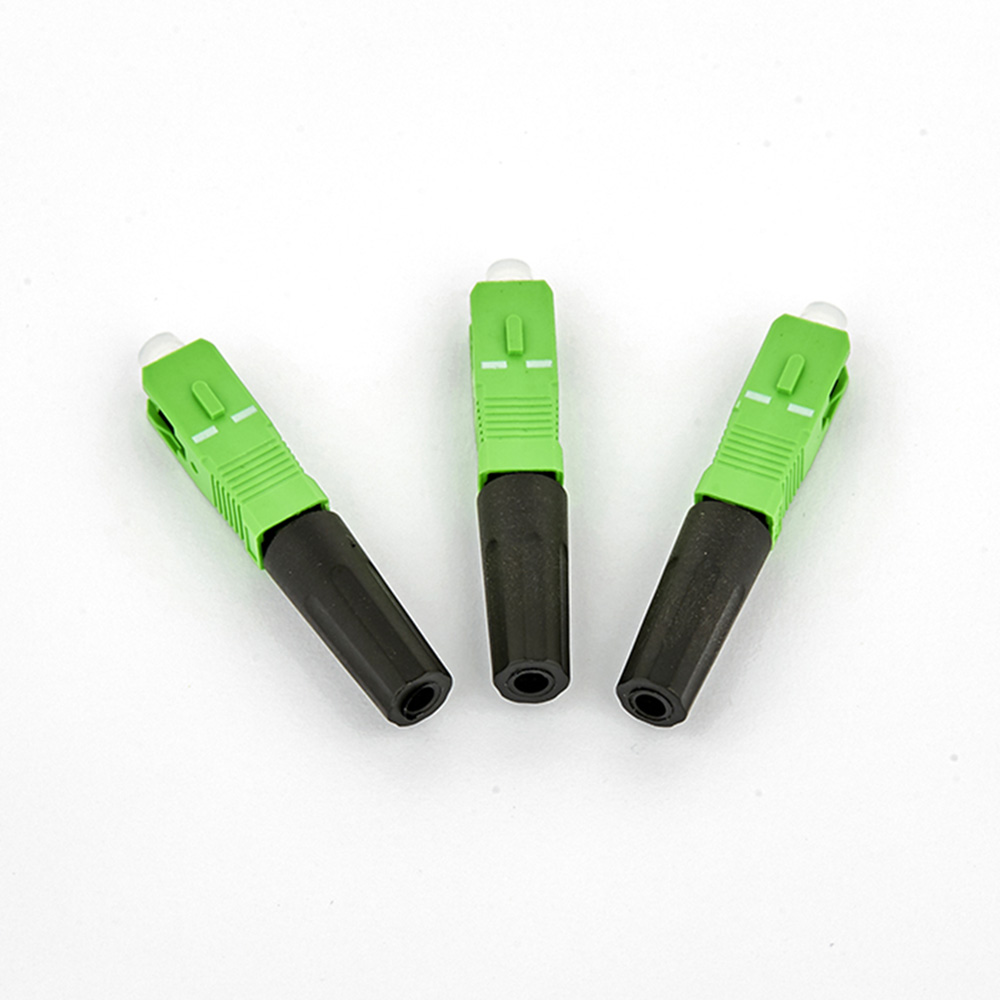
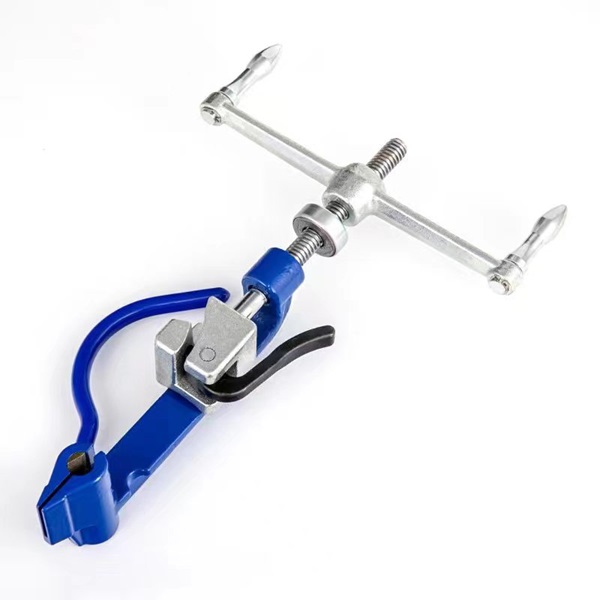
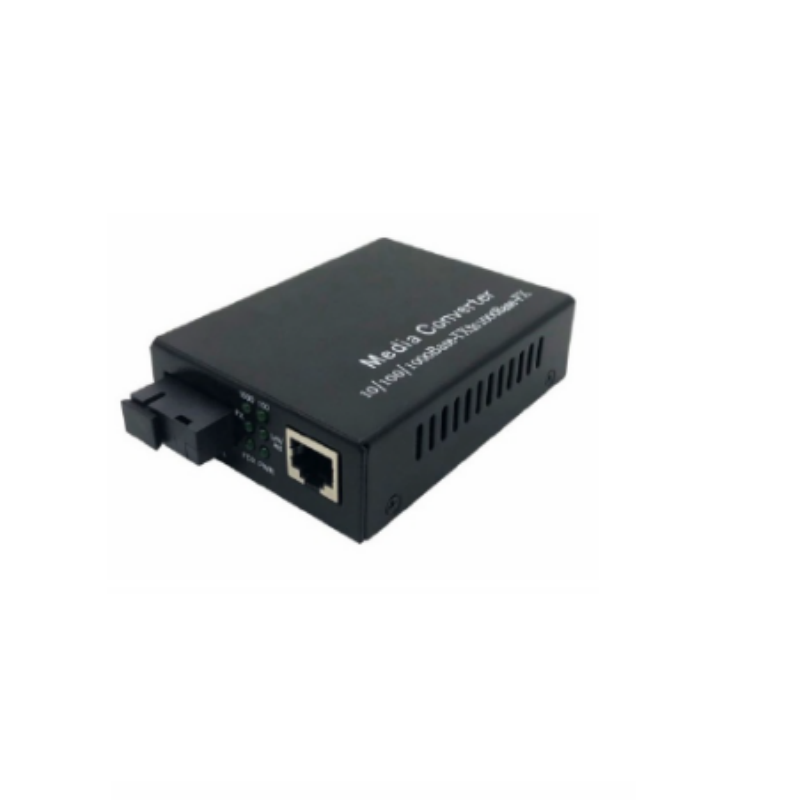
The Critical Role of Metal Fittings in LAN Optical Transceiver Connections
In the era of hyper-scale data centers, enterprise networking, and localized cloud infrastructures, Local Area Networks (LANs) are undergoing a monumental shift towards optical architectures. High-speed optical transceivers—ranging from SFP+, QSFP28, to the latest OSFP modules—act as the electronic-to-optical translators that power our digital world. However, the performance of these sophisticated transceivers relies heavily on the physical layer. Metal fittings, ranging from transceiver cages and locking latches to anchoring clamps and robust external structural brackets, form the physical backbone that ensures these optical connections remain precise, stable, and protected from environmental and mechanical hazards.
Why Precision Metal Hardware Matters for Fiber Optic Integrity
Optical fibers transmit data using light waves through cores measuring as small as 9 microns in single-mode fibers. Even a sub-micron misalignment between the optical transceiver and the incoming fiber patch cord can lead to catastrophic insertion loss, signal attenuation, or complete link failure. Precision-engineered metal fittings provide the structural rigidity needed to maintain perfect alignment under thermal fluctuations, mechanical vibrations, and physical strain.
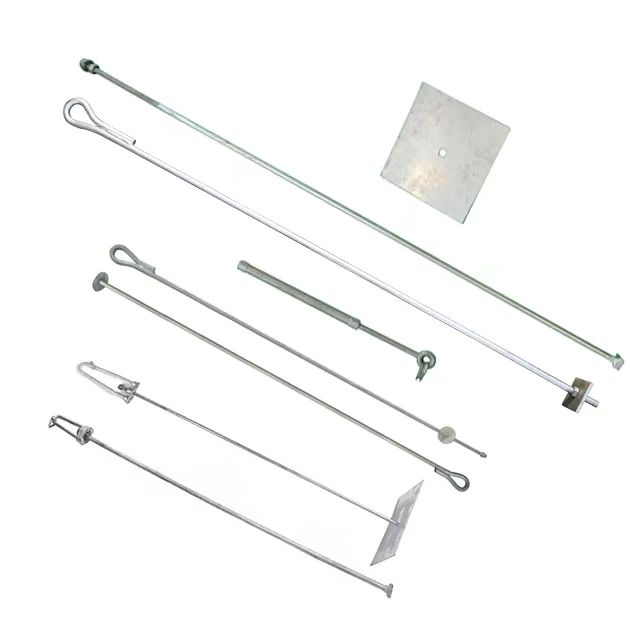
Furthermore, local area networks are no longer confined to climate-controlled server rooms. They extend across campus environments, industrial production floors, and outdoor overhead utility systems. In these diverse settings, metal fittings like anchoring clamps, stay rods, and stainless steel banding systems secure the fiber optic distribution cables as they transition from external backbones to internal transceivers, shielding delicate glass cores from physical tension.
Industrial & Commercial Status of LAN Optical Connections
The global market for optical transceivers is experiencing exponential growth, driven by the demand for higher bandwidth, lower latency, and the integration of artificial intelligence (AI) workloads in local data networks. Enterprise LANs are transitioning from standard 10G networks to 100G, 400G, and even 800G infrastructures. As data rates climb, the tolerance for physical instability within transceivers drops to near zero.
Industrially, this has triggered a surge in demand for advanced metal components. Modern optical transceiver housings require specialized zinc alloys or nickel-plated copper alloys to provide superior Electromagnetic Interference (EMI) shielding. At speeds of 400G and above, high-frequency electromagnetic noise can disrupt neighboring circuits if the transceiver cage and its corresponding metal fittings do not form a continuous, grounded shield.
Commercially, network operators are prioritizing durability and ease of maintenance. Quick-deployment solutions, such as fast connectors utilizing specialized metal clamping mechanisms, allow field technicians to terminate fiber lines rapidly without sacrificing connection quality. Hardware components must also resist corrosion, especially in industrial LAN deployments where chemical exposure, humidity, and wide temperature swings are common. This has made high-grade stainless steel (such as SUS304 and SUS316) the standard material for outdoor line fittings, anchoring clamps, and strapping tools.
Deep Application Scenario Analysis
To understand the indispensable nature of metal fittings, we must look at their specific applications across various LAN environments:
1. High-Density Enterprise Data Centers
Within a data center rack, hundreds of optical transceivers are packed tightly into switches and patch panels. Here, metal transceiver cages serve a dual purpose: structural containment and thermal management. Because high-speed transceivers generate significant heat, these metal cages are engineered with integrated heat sinks and thermal interface materials to draw heat away from the optical diodes. Precision latches and metal pull-tabs ensure that modules can be hot-swapped smoothly without damaging the delicate internal backplane connectors.
2. Campus Backbone & FTTX Deployments
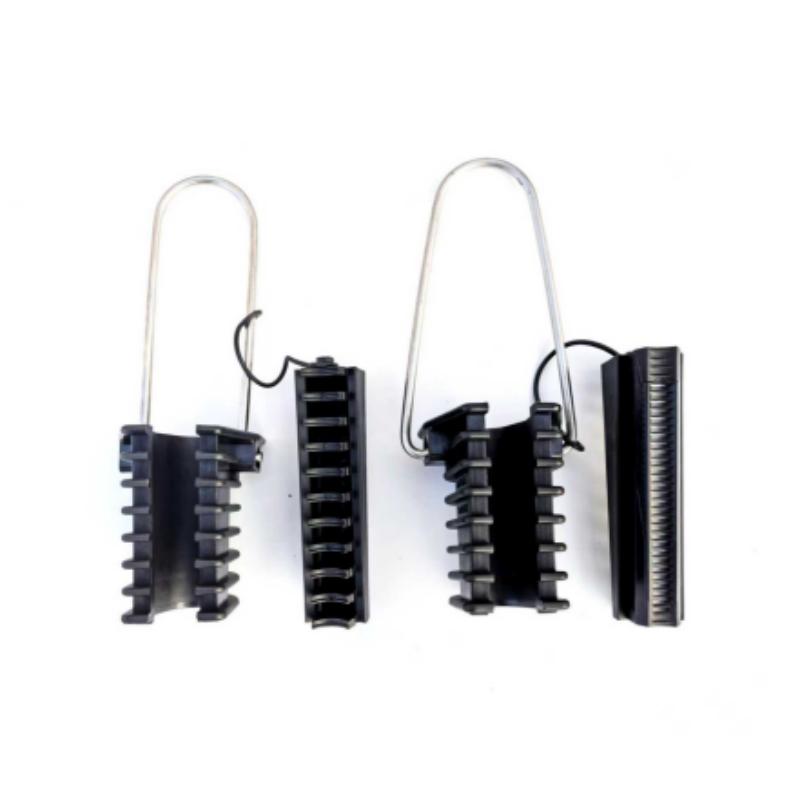
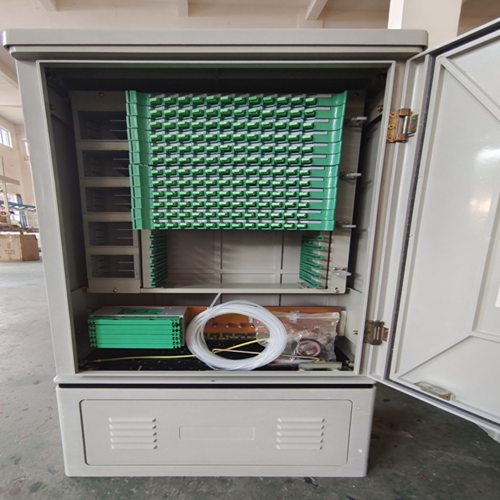
Connecting multiple buildings within a corporate or university campus requires overhead or underground fiber optic runs. In these scenarios, structural metal fittings such as anchoring clamps (e.g., OYI-TA03-04 Series) and stay rods are vital. They absorb the mechanical tension caused by wind, ice loading, and thermal expansion, preventing these forces from reaching the internal fiber cores that connect directly to the building's optical distribution cabinets and transceivers.
3. Industrial Automation and Harsh Environments
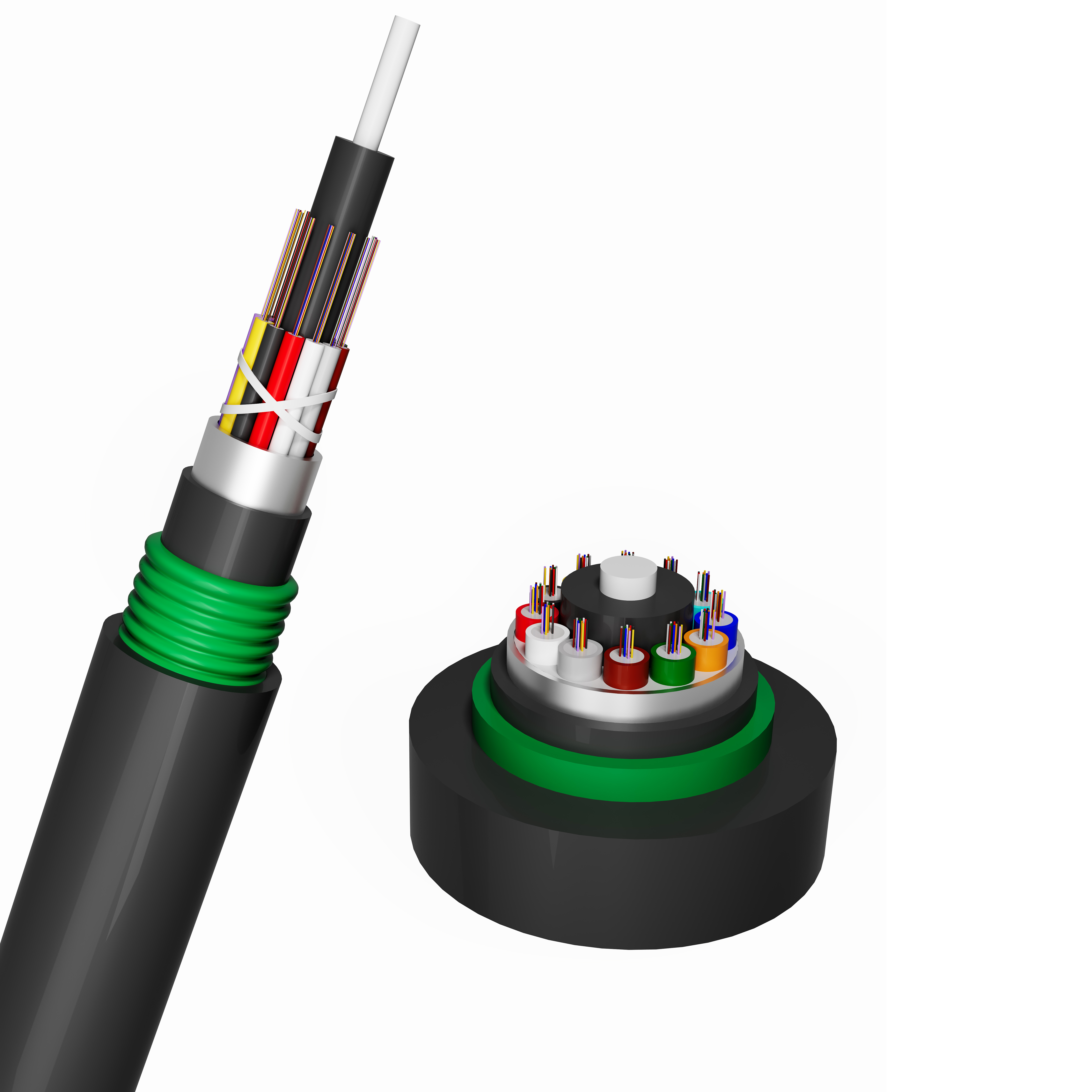
Industrial LANs operating in manufacturing plants, mines, or transportation hubs face constant vibration and physical hazards. Standard plastic connectors and fittings fail rapidly under these conditions. Industrial-grade metal closures, armored direct-buried fiber cables, and heavy-duty stainless steel banding systems are used to secure optical lines. These metal fittings guarantee that the physical connection to the optical transceivers remains undisturbed, preserving network uptime in mission-critical environments.
Future Development Trends in Optical Hardware
As optical communication technology evolves, the metal fittings that support it are also undergoing significant technological transformations:
Key Trends Shaping the Future of Fiber Optic Metal Fittings
1. Miniaturization and High-Precision Engineering: With the rise of Co-Packaged Optics (CPO) and high-density connectors, metal fittings must be manufactured with tolerances down to the micrometer level using advanced CNC machining and metal injection molding (MIM).
2. Advanced Thermal Management Alloys: Future transceiver cages and fittings will incorporate advanced metal matrix composites and copper-graphite alloys to handle the extreme heat dissipation requirements of next-generation 1.6T transceivers.
3. Smart Infrastructure Integration: Development of metal fittings with integrated sensors that can monitor physical tension, strain, or temperature fluctuations in real-time, alerting operators to potential physical layer issues before they cause network downtime.
By investing in high-quality metal fittings and structural hardware, enterprises can future-proof their physical network layers, ensuring they are capable of supporting the rapid advancements in optical transceiver technology for decades to come.
Oyi International Co., Ltd.
Oyi international., Ltd. is a dynamic and innovative fibre optic cable company based in Shenzhen, China. Since its inception in 2006, OYI has been dedicated to providing world-class fibre optic products and solutions to businesses and individuals across the globe. Our Technology R&D department has more than 20 specialized staff committed to developing innovative technologies and providing high-quality products and services. We export our products to 143 countries and have established long-term partnerships with 268 clients.
Our products are widely used in telecommunications, data center, CATV, industrial and other areas. Our main products include various types of optical fiber cables, fiber optic linkers, fiber distribution series, fiber optic connectors, fiber optic adapters, fiber optic couplers, fiber optic attenuators, and WDM series. Not only that, our products cover ADSS, ASU, Drop Cable, Micro Duct Cable, OPGW, Fast Connector, PLC Splitter, Closure, FTTH Box, etc. In addition, we provide our customers with complete fiber optic solutions, such as Fiber to the Home (FTTH), Optical Network Units (ONUs), and High Voltage Electrical Power Lines. We also provide OEM designs and financial support to help our customers integrate multiple platforms and reduce costs.
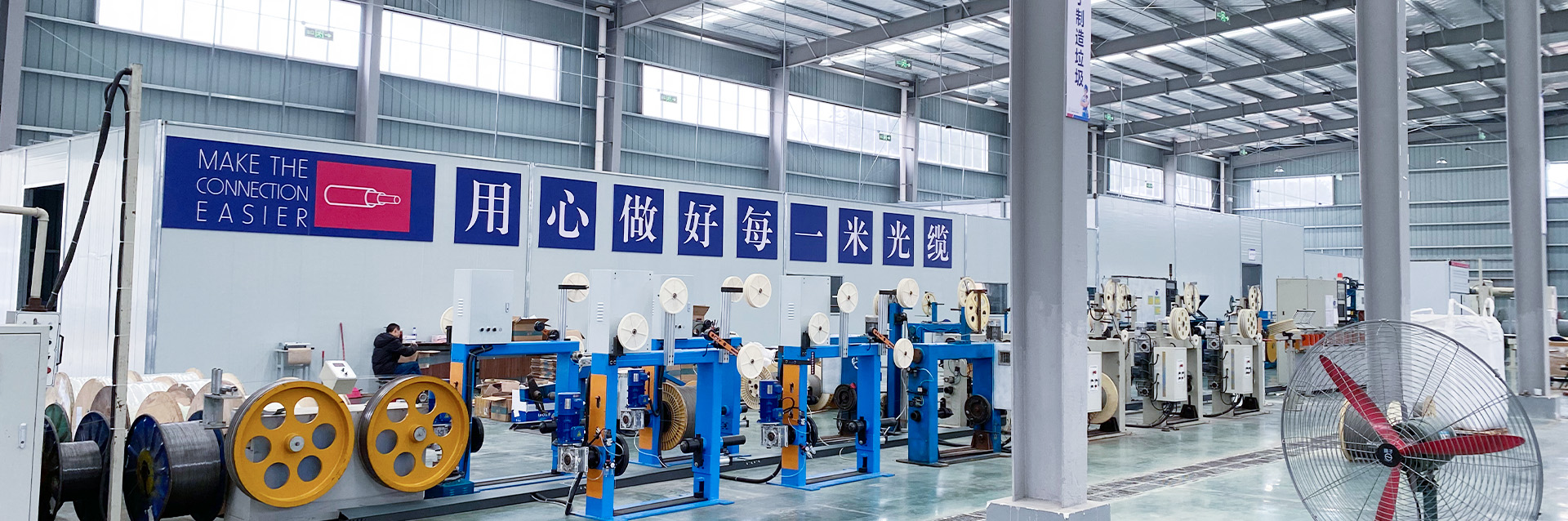
About Oyi - Manufacturing Excellence


Company Philosophy
We are committed to innovation and excellence. Our team of experts are constantly pushing the boundaries of what’s possible, ensuring that we remain at the forefront of the industry. We invest heavily in research and development to ensure that we are always one step ahead of the competition. Our cutting-edge technology allows us to produce fibre optic cables that are not only faster and more reliable, but also more durable and cost-effective.
Our advanced manufacturing process ensures that our fibre optic cables are of the highest quality, guaranteeing lightning-fast speeds and reliable connectivity. Our commitment to excellence means that our customers can always rely on us to provide them with the best possible solutions.
If you’re looking for a reliable, high-speed fibre optic cable solution, look no further than OYI. Contact us now to see how we can help you stay connected and take your business to the next level.
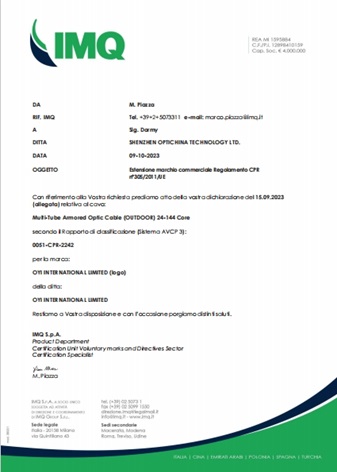
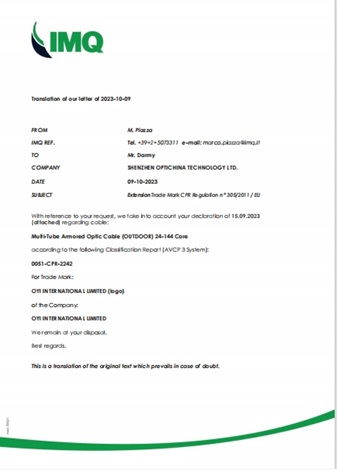
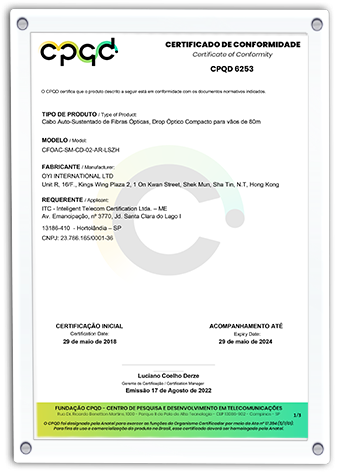
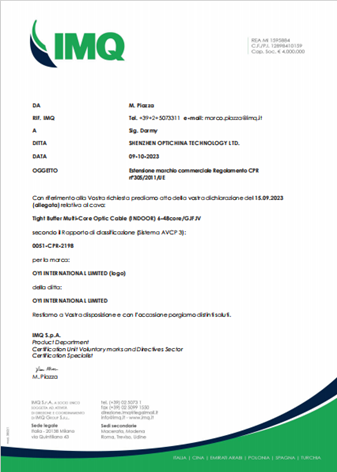
The Company has Obtained Certification