 0755-23179541
  sales@oyii.net
.png) 8618926041961
8618926041961

Panama's Growing Demand for Fusing Splitter Optic Technology
Panama has long been recognized as the geographic and economic crossroads of the Americas. In the digital age, this strategic importance has transitioned from maritime trade to telecommunications. As subsea fiber optic cables land on both the Caribbean and Pacific coasts of the Isthmus, Panama has emerged as a premier digital hub for Central and South America. To distribute this massive bandwidth from submarine landing stations to local businesses, high-rise financial districts, and rural communities, telecommunication providers rely on advanced optical distribution networks (ODN). At the heart of these networks is the Fusing Splitter Optic.
Fusing splitter optics, particularly Planar Lightwave Circuit (PLC) splitters and Fused Biconical Taper (FBT) splitters, are critical passive components that divide a single optical signal into multiple paths. This enables a single optical line terminal (OLT) port to serve dozens of optical network units (ONUs), significantly reducing the cost and complexity of Fiber to the Home (FTTH) and Fiber to the Business (FTTB) deployments. As Panama City undergoes rapid urbanization and logistics hubs like the Colon Free Zone expand, the demand for reliable optical splitter factories and exporters has reached an all-time high.
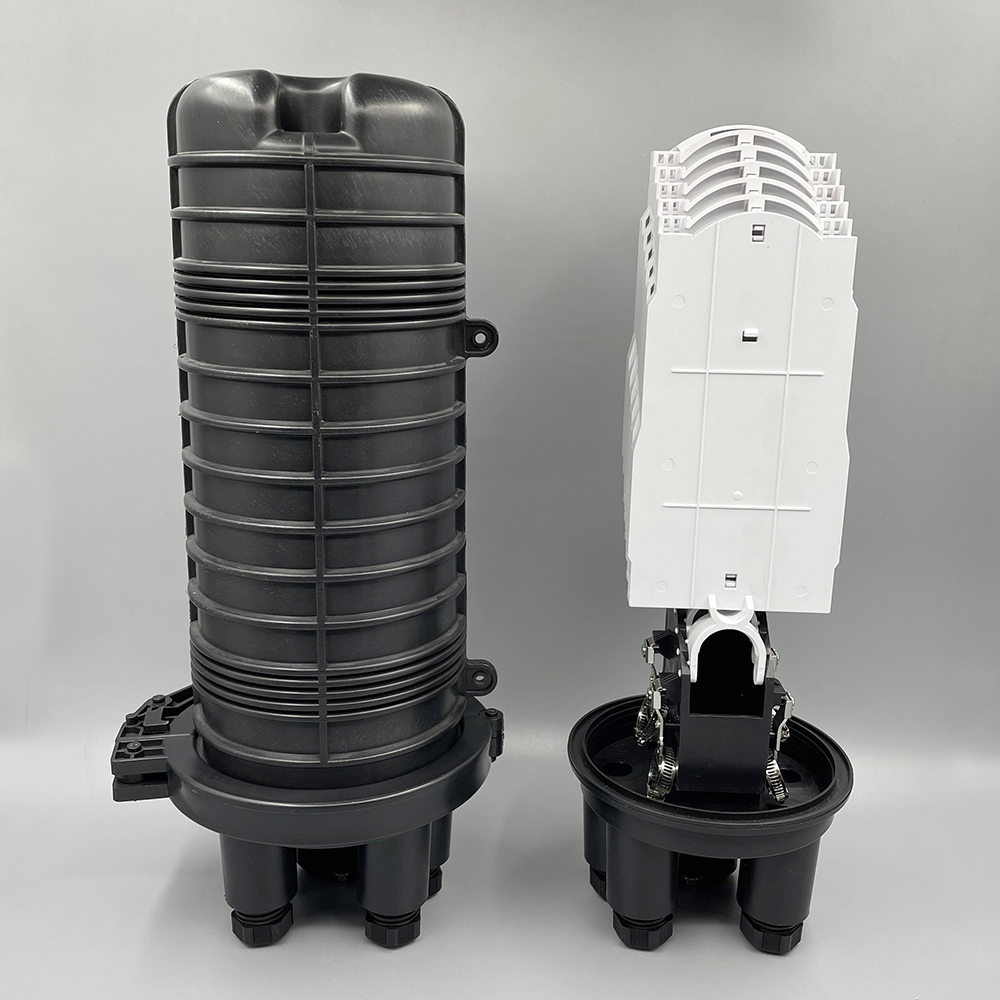
Panama's unique environment presents significant challenges for outdoor telecom infrastructure. High humidity, heavy rainfall, and salt mist from the surrounding oceans can quickly degrade inferior optical components. OYI's IP68-rated splice closures (such as the OYI-FOSC-H8) and hermetically sealed fusing splitters are engineered to withstand these harsh conditions, ensuring long-term network reliability and minimal signal attenuation.
Key Industrial & Commercial Applications in Panama
The deployment of fiber optic splitting technology in Panama spans across several critical sectors, driving economic efficiency and digital inclusion:
- Maritime and Logistics Infrastructure: The Panama Canal and surrounding ports utilize high-capacity private fiber networks for real-time traffic monitoring, automated crane operations, and secure communication links. Splitters allow for efficient distribution of fiber signals across expansive terminal yards.
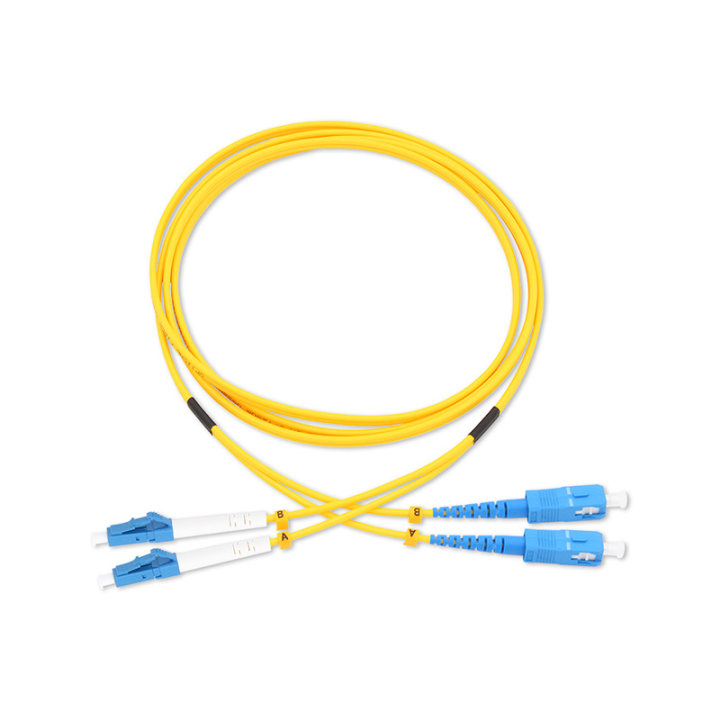
- Financial District Connectivity: Panama City's banking sector demands ultra-low latency and absolute redundancy. High-density armored patchcords and splitters are deployed within data centers to manage complex cross-connect systems.
- FTTH Expansion: Under government-backed digital initiatives, local internet service providers (ISPs) are aggressively expanding broadband access to residential areas in West Panama, Colón, and Chiriquí. PLC splitters are the primary tool used to make these deployments economically viable.
- Industrial Zones: The Colon Free Zone (Zona Libre de Colón) requires robust enterprise networks to facilitate global trade operations, inventory management, and cloud-based logistics software.
Future Trends in the Central American Fiber Optic Market
As the region prepares for the widespread rollout of 5G networks and the integration of IoT (Internet of Things) devices, the optical fiber market is evolving rapidly. Future trends indicate a shift toward higher-density splitting ratios (such as 1:64 and 1:128) to handle the surge in data traffic. Furthermore, the integration of smart optical network monitoring systems is becoming standard practice, allowing operators to locate fiber breaks or signal degradation instantly without manual field testing.
Exporters and manufacturers must adapt by providing pre-terminated, plug-and-play solutions that reduce installation time and human error during field deployment. OYI International remains at the forefront of this evolution, continually updating our R&D focus to deliver next-generation optical distribution hubs and high-performance transceivers.