 0755-23179541
  sales@oyii.net
.png) 8618926041961
8618926041961Key Components for High-Speed Optical Connections
Essential infrastructure elements optimized for switch, router, and SFP transceiver integration.
The Crucial Role of PLC Splitters in Modern High-Speed Optical Infrastructures
As global data traffic continues to grow exponentially, fueled by cloud computing, 5G communications, artificial intelligence (AI), and the Internet of Things (IoT), the demand for high-speed, reliable, and scalable optical infrastructure has reached unprecedented heights. At the heart of this communication revolution lie high-speed optical switches, core routers, and Small Form-factor Pluggable (SFP) transceiver modules. However, maintaining efficiency and cost-effectiveness in routing these high-speed optical signals requires advanced passive optical components. This is where the Planar Lightwave Circuit (PLC) Splitter becomes indispensable.
PLC splitters are micro-optical elements that use silica glass waveguide circuits to distribute optical signals from a single input port to multiple output ports uniformly. When integrated with high-speed optical switches and routers via SFP module connections, PLC splitters facilitate seamless signal distribution, monitoring, and redundancy without introducing latency or requiring external power. This article explores the commercial and industrial status, technical integration, and future trends of PLC splitters in high-density networking environments.
Industry Insight: Passive optical networks (PON) utilizing PLC splitters reduce active hardware footprints by up to 40%, drastically lowering power consumption and thermal load in hyperscale data centers.
Industrial and Commercial Status of PLC Splitters
The global market for PLC splitters is experiencing robust growth, driven by massive investments in Fiber-to-the-Home (FTTH) networks, metropolitan area networks (MANs), and enterprise data centers. Industrially, the transition from legacy Fused Biconical Taper (FBT) splitters to PLC splitters is complete in high-speed applications. Unlike FBT splitters, which are limited in splitting ratios and wavelength stability, PLC splitters offer uniform splitting across a wide range of wavelengths (1260nm to 1650nm) and operate reliably under extreme temperatures (-40°C to +85°C).
From a commercial perspective, network operators and data center managers face the constant challenge of optimizing fiber utilization. Deploying dedicated point-to-point fiber links for every single SFP transceiver port on a switch or router is economically unfeasible and physically unmanageable. PLC splitters allow operators to share a single high-bandwidth switch port among multiple downstream endpoints, maximizing the return on investment (ROI) of expensive active hardware like 100G, 400G, and emerging 800G optical switches.
Low Insertion Loss
Minimizes signal attenuation across all split channels, crucial for maintaining long-distance SFP links.
Broadband Operation
Supports wavelengths from 1260nm to 1650nm, fully compatible with CWDM and DWDM systems.
High Reliability
Passive design with no moving parts or electronic components, ensuring a lifespan exceeding 20 years.
Compact Form Factor
Easily integrates into high-density rackmount patch panels, splice closures, and distribution boxes.
Technical Deep-Dive: Integrating PLC Splitters with SFP Modules and Switches
Integrating PLC splitters with high-speed optical switches and routers requires careful planning of the optical power budget. SFP modules (including SFP+, SFP28, QSFP28, and QSFP-DD) have specific transmit power levels and receiver sensitivities. When a signal passes through a PLC splitter, it experiences insertion loss, which increases with the splitting ratio (e.g., approximately 3.5 dB for a 1x2 split, 7.2 dB for 1x4, 10.5 dB for 1x8, and up to 20.5 dB for a 1x64 split).
To ensure error-free data transmission at speeds of 10 Gbps, 25 Gbps, or 100 Gbps, engineers must select SFP transceivers with sufficient optical power margin (such as ER or ZR modules for longer reaches, or LR modules for medium distances) to compensate for the splitter's insertion loss. Additionally, high-quality MPO/MTP trunk cables and fast connectors are utilized to minimize connection losses at the interface points between the PLC splitter and the switch chassis.
Key Integration Considerations:
- Polarization Dependent Loss (PDL): High-speed coherent optical systems are sensitive to polarization changes. PLC splitters must maintain low PDL (typically < 0.2 dB) to prevent signal degradation.
- Return Loss: High return loss (APC connectors are preferred, offering > 60 dB return loss) prevents back-reflections from damaging sensitive SFP laser transmitters.
- Wavelength Uniformity: Uniform spectral response ensures that DWDM channels operating across different wavelengths experience identical attenuation levels.
Deep Application Scenarios in Modern Telecommunications
The synergy between PLC splitters, high-speed switches, and SFP modules is deployed across several critical scenarios:
1. Data Center Interconnect (DCI) and Spine-Leaf Architectures
In modern hyperscale data centers, spine-leaf network topologies require high-density meshed connections. PLC splitters are deployed to split monitoring signals (optical TAP) from core switch-to-switch links. This allows network intrusion detection systems (IDS) and performance monitors to analyze traffic in real-time without disrupting the primary data path.
2. Fiber-to-the-Home (FTTH) and Gigabit Passive Optical Networks (GPON/EPON)
In FTTH deployments, central office OLTs (Optical Line Terminals) equipped with high-power SFP GPON modules connect to PLC splitters. These splitters distribute the single fiber line to up to 64 or 128 individual homes. The PLC splitter's ability to divide the optical payload cost-effectively is the foundation of modern residential gigabit broadband services.
3. 5G Fronthaul and Backhaul Networks
5G base stations (gNodeBs) require ultra-low latency connections back to the core network. By combining wavelength division multiplexing (WDM) with PLC splitters and SFP28 transceivers, telecom operators can aggregate and split fronthaul traffic from multiple remote radio heads (RRH) onto a single feeder fiber, reducing lease costs and simplifying fiber management.
Future Development Trends
Looking ahead, the optical networking industry is moving towards even higher speeds and tighter integration. Key trends include:
- Co-Packaged Optics (CPO): As data rates surpass 1.6 Tbps, traditional pluggable SFP modules face thermal and electrical signal integrity limitations. CPO brings the optical engine directly onto the switch ASIC substrate. In these architectures, external laser sources (ELS) and passive PLC splitters will play a critical role in distributing light power to multiple co-packaged modulators.
- Ultra-High Density Splitting: Demand is shifting towards larger split ratios (1x128 and 2x128) in more compact footprints, pushing PLC manufacturers to refine waveguide fabrication processes for even lower loss margins.
- Silicon Photonics Integration: Integrating PLC waveguides directly onto silicon chips will enable hybrid active-passive optical chips, blurring the line between the splitter and the optical switch itself.
Oyi international ., Ltd.
Oyi international., Ltd. is a dynamic and innovative fibre optic cable company based in Shenzhen, China. Since its inception in 2006, OYI has been dedicated to providing world-class fibre optic products and solutions to businesses and individuals across the globe. Our Technology R&D department has more than 20 specialized staff committed to developing innovative technologies and providing high-quality products and services. We export our products to 143 countries and have established long-term partnerships with 268 clients.
Our products are widely used in telecommunications, data center, CATV, industrial and other areas. Our main products include various types of optical fiber cables, fiber optic linkers, fiber distribution series, fiber optic connectors, fiber optic adapters, fiber optic couplers, fiber optic attenuators, and WDM series. Not only that, our products cover ADSS, ASU, Drop Cable, Micro Duct Cable, OPGW, Fast Connector, PLC Splitter, Closure, FTTH Box, etc. In addition, we provide our customers with complete fiber optic solutions, such as Fiber to the Home (FTTH), Optical Network Units (ONUs), and High Voltage Electrical Power Lines. We also provide OEM designs and financial support to help our customers integrate multiple platforms and reduce costs.

About Oyi - Production & Quality Showcase
A glimpse inside our advanced manufacturing facility and fiber optic testing processes.


Company Philosophy
Innovation, Excellence, and Global Connectivity
We are committed to innovation and excellence. Our team of experts are constantly pushing the boundaries of what’s possible, ensuring that we remain at the forefront of the industry. We invest heavily in research and development to ensure that we are always one step ahead of the competition. Our cutting-edge technology allows us to produce fibre optic cables that are not only faster and more reliable, but also more durable and cost-effective.
Our advanced manufacturing process ensures that our fibre optic cables are of the highest quality, guaranteeing lightning-fast speeds and reliable connectivity. Our commitment to excellence means that our customers can always rely on us to provide them with the best possible solutions.
If you’re looking for a reliable, high-speed fibre optic cable solution, look no further than OYI. Contact us now to see how we can help you stay connected and take your business to the next level.
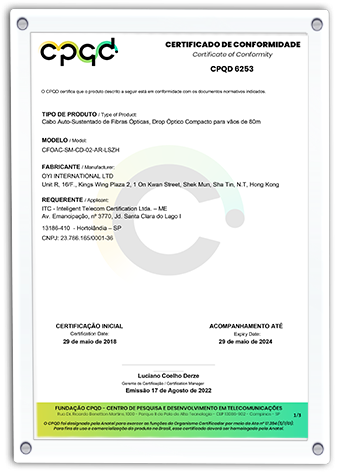
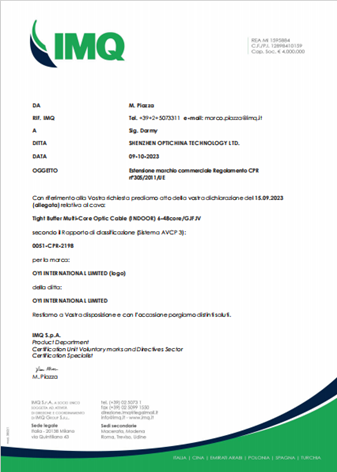
The Company has Obtained Certification




Complete Optical Switch and Router SFP Connectivity Range
Explore our full line of passive and active fiber optic solutions designed for high-performance networking.
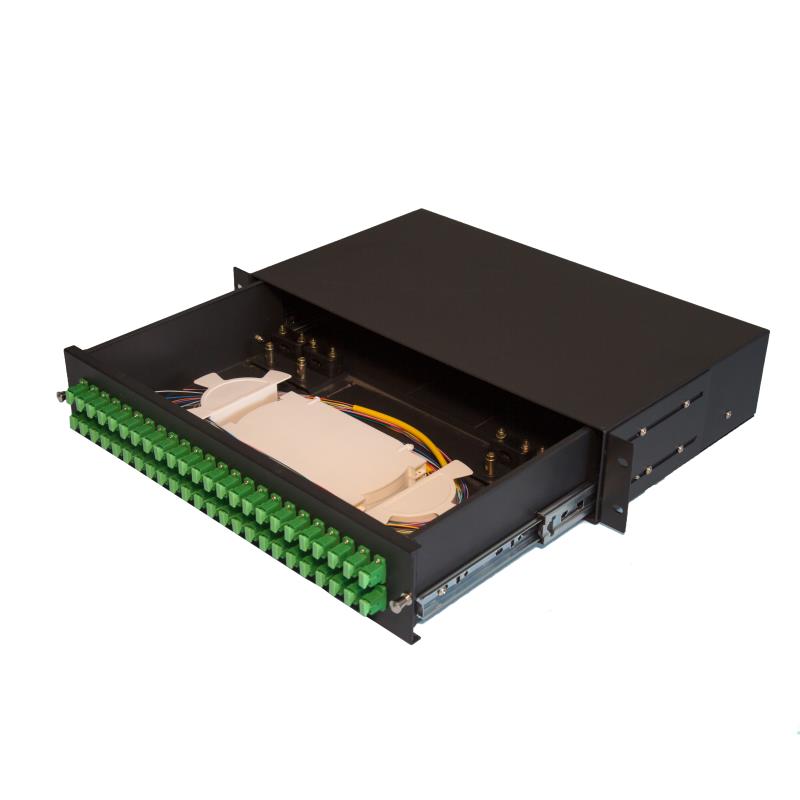
OYI-ODF-SR-Series Type Terminal Distribution Panel
Learn More →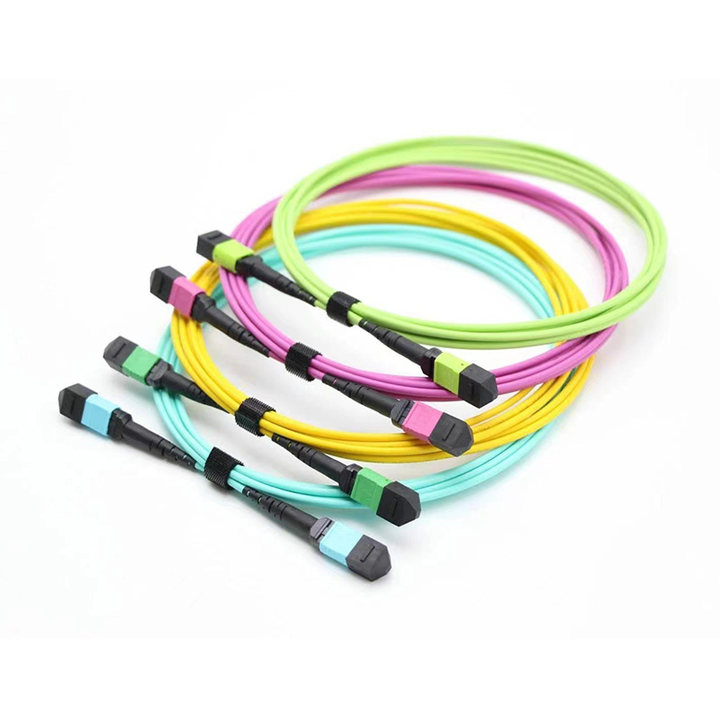
MPO / MTP Trunk Cables for High-Density SFP Links
Learn More →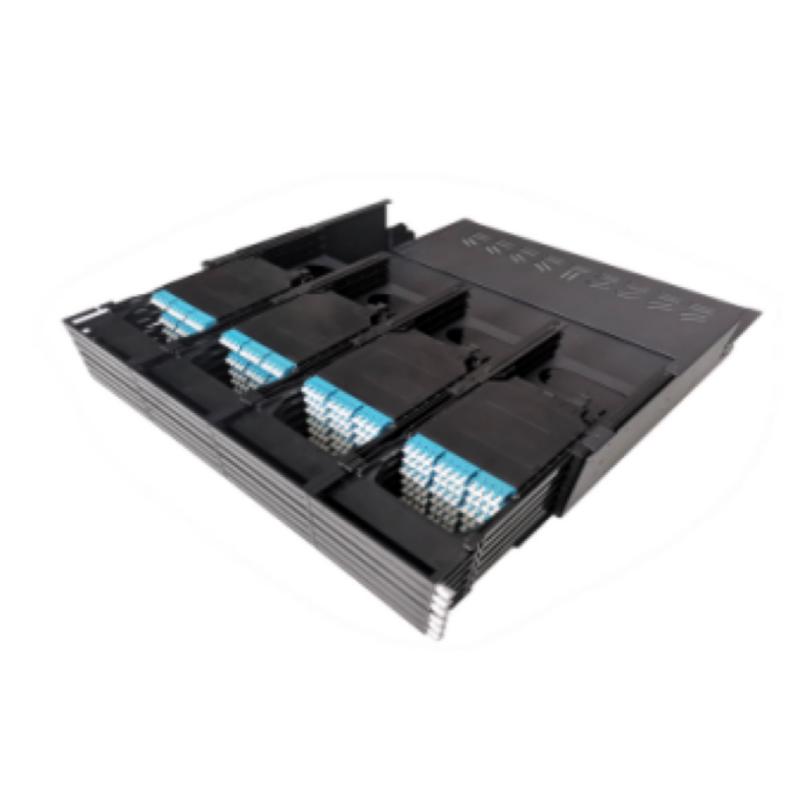
OYI-ODF-MPO RS288 High-Density Switch Patch Panel
Learn More →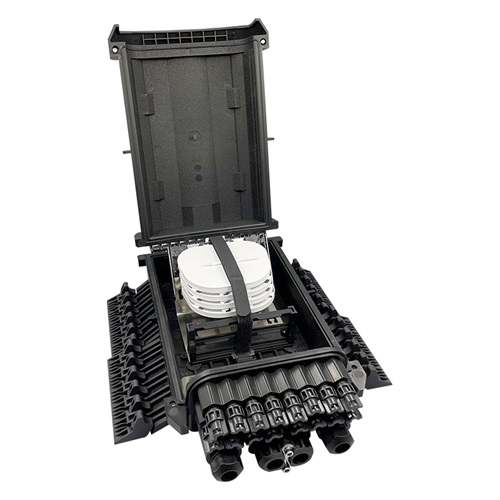
OYI-FATC-04M Series Access Terminal Closure
Learn More →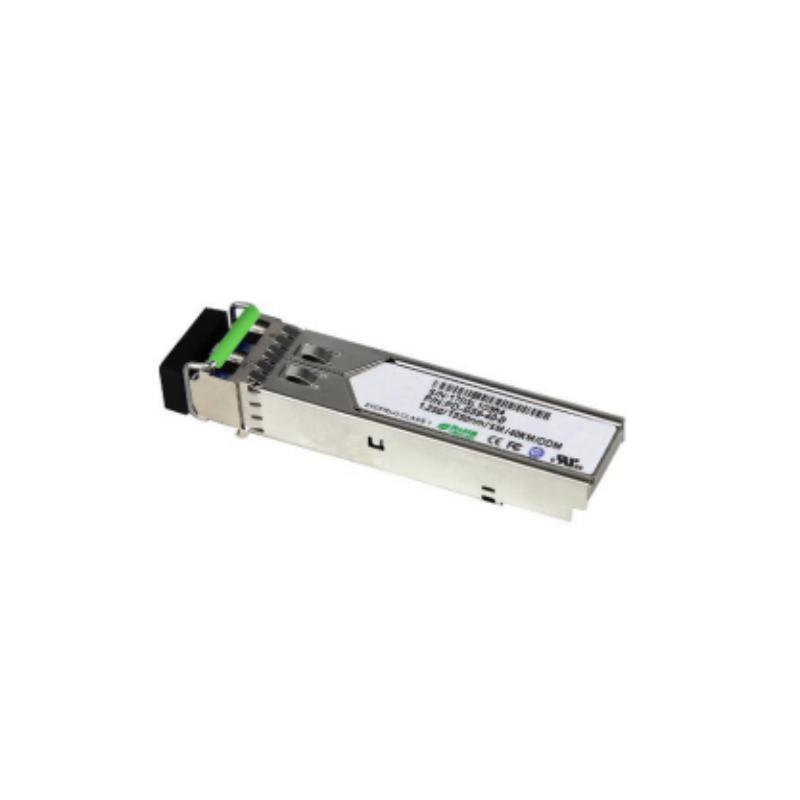
1.25Gbps 1550nm 60Km LC DDM SFP Transceiver
Learn More →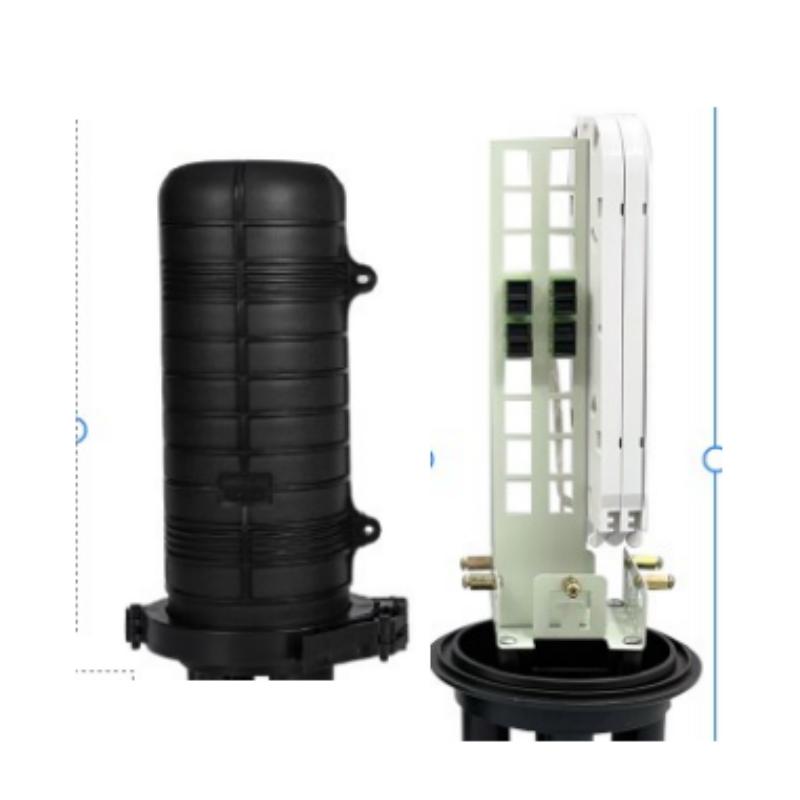
OYI-FOSC-D104H Fiber Optic Splice Closure
Learn More →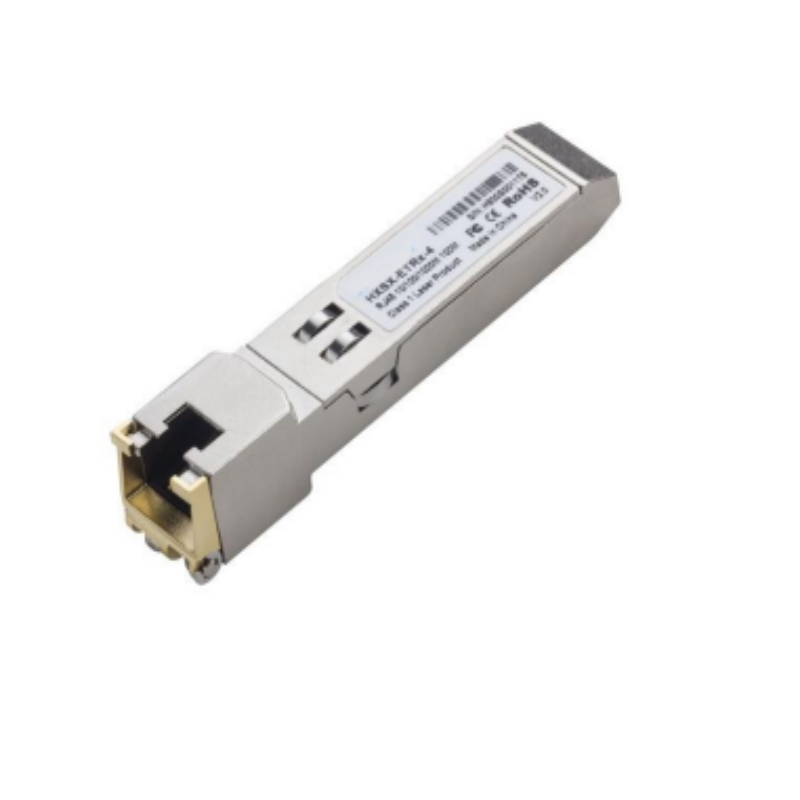
SFP-ETRx-4 High-Performance Transceiver Module
Learn More →