 0755-23179541
  sales@oyii.net
.png) 8618926041961
8618926041961Featured Connectivity Solutions
High-performance fiber optic and installation accessories engineered for robust networks.
The Landscape of Metal Fittings and Fiber Infrastructure in Kenya
Kenya is rapidly positioning itself as the premier digital hub of East Africa, often referred to as the "Silicon Savannah." Driven by ambitious government initiatives like the Kenya National Digital Masterplan and massive private investments from telecom giants, the demand for robust telecommunication and electrical power distribution networks has reached unprecedented heights. To support this nationwide expansion, high-quality metal fittings and pole line hardware have become critical components of physical infrastructure developments.
From the bustling urban centers of Nairobi and Mombasa to the rural expanses undergoing electrification, overhead line networks are the backbone of Kenya's connectivity. Aerial deployments using ADSS (All-Dielectric Self-Supporting) and OPGW (Optical Ground Wire) cables rely heavily on specialized metal fittings to ensure structural integrity and long-term reliability. These fittings—ranging from tension clamps, suspension clamps, and bracket fittings to stainless steel bands—must withstand harsh environmental conditions, including coastal salinity in Mombasa and intense solar radiation across the Rift Valley.
Key Applications of Metal Fittings in Kenyan Projects
The application of metal fittings in Kenya covers several key sectors, each demanding high precision and durability:
- Overhead Power Grid Upgrades: Kenya Power (KPLC) continuously modernizes its transmission lines. The integration of OPGW cables requires premium suspension assemblies, dead-end clamps, and vibration dampers to prevent wire fatigue and guarantee uninterrupted communication channels along high-voltage routes.
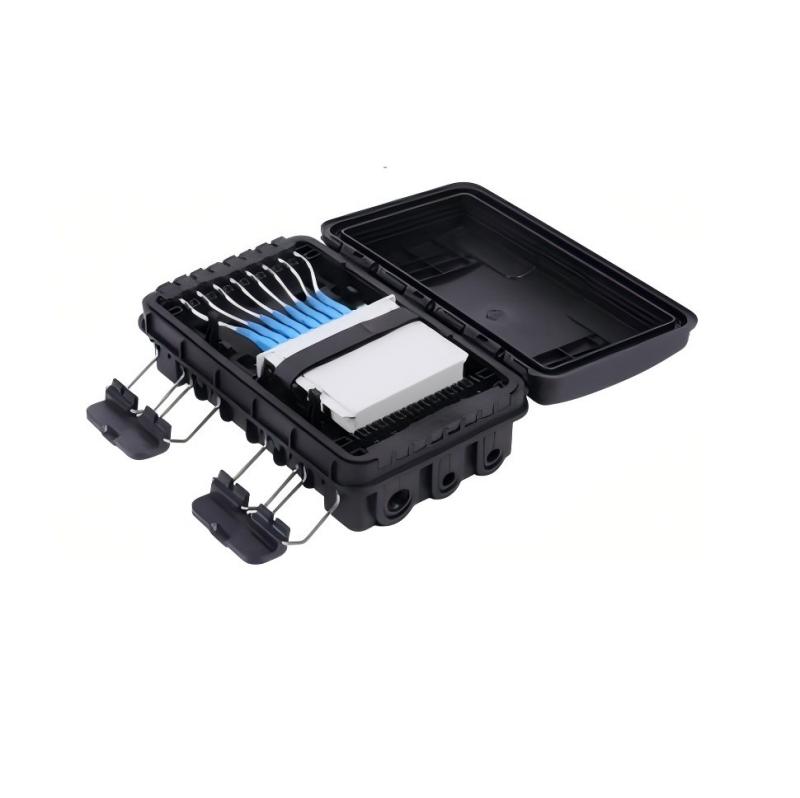
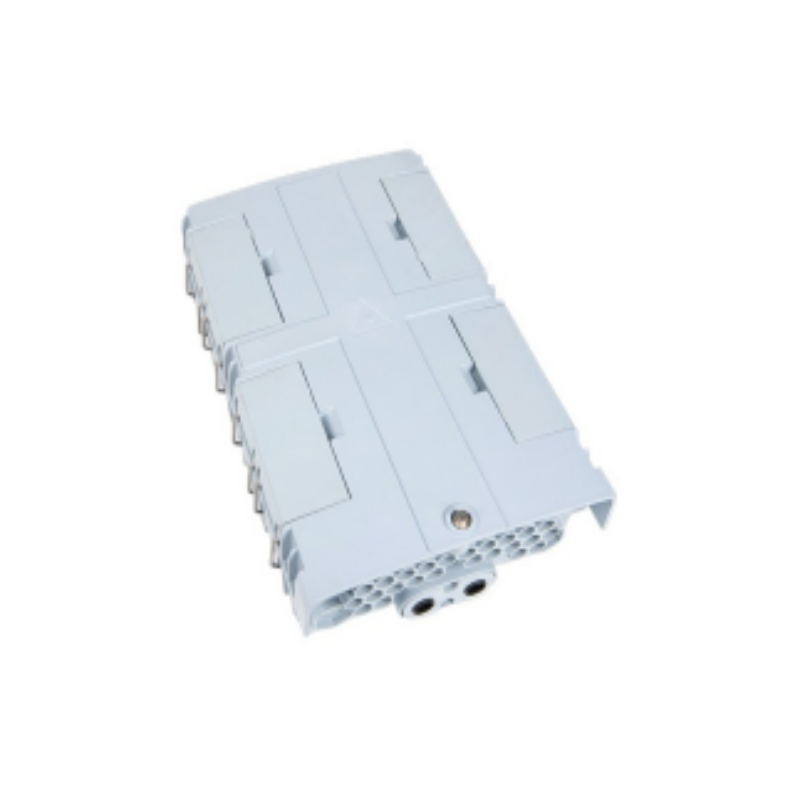
- FTTH (Fiber to the Home) Expansion: Internet Service Providers (ISPs) are expanding fiber networks across major residential estates. Metal pole brackets, drop wire clamps, and anchor clamps are vital for routing aerial drop cables from distribution boxes to individual households safely.
- Rural Electrification & Telecom Bridging: Bridging the digital divide in remote counties involves deploying self-supporting ASU and ADSS cables. Light-weight yet high-tensile metal fittings ensure fast installation with minimal maintenance overheads.
Emerging Industry Trends in East Africa's Metal Fittings Sector
As the East African Community (EAC) harmonizes trade and infrastructure standards, Kenya serves as the primary gateway for importing and distributing high-tech hardware. The market is shifting from low-grade local fabrications to highly engineered, hot-dip galvanized and aluminum-alloy fittings. Corrosion resistance has become a non-negotiable metric, especially for installations near coastal regions or high-humidity agricultural zones.
Furthermore, the convergence of power utilities and telecommunications has popularized the deployment of dual-purpose infrastructure. Power distribution poles now regularly host fiber optic cables. This requires specialized insulated metal fittings, ADSS brackets, and storage brackets (slack bracket assemblies) that prevent interference and maintain structural safety without compromising the power line's integrity.
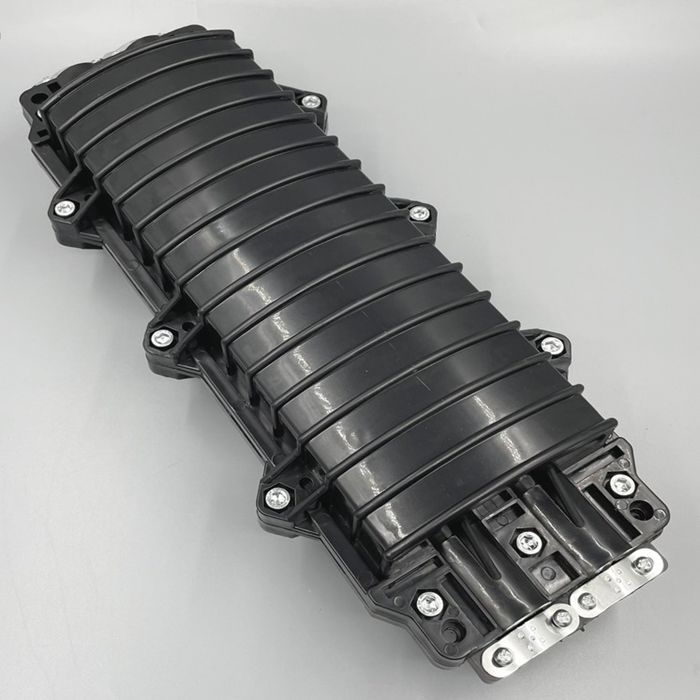
For exporters and factories targeting the Kenyan market, offering complete end-to-end solutions is the modern standard. Rather than sourcing cables and fittings separately, engineers prefer integrated packages where the optical cables, splice closures, distribution boxes, and matching metal pole line hardware are tested together for mechanical compatibility. This reduces installation errors, minimizes cable slippage, and guarantees the lifespan of the network matches the projected 20 to 25-year lifecycle.
Oyi International Co., Ltd.
A global leader in fiber optic manufacturing and integrated infrastructure solutions.
Oyi international., Ltd. is a dynamic and innovative fibre optic cable company based in Shenzhen, China. Since its inception in 2006, OYI has been dedicated to providing world-class fibre optic products and solutions to businesses and individuals across the globe. Our Technology R&D department has more than 20 specialized staff committed to developing innovative technologies and providing high-quality products and services. We export our products to 143 countries and have established long-term partnerships with 268 clients.
Our products are widely used in telecommunications, data center, CATV, industrial and other areas. Our main products include various types of optical fiber cables, fiber optic linkers, fiber distribution series, fiber optic connectors, fiber optic adapters, fiber optic couplers, fiber optic attenuators, and WDM series. Not only that, our products cover ADSS, ASU, Drop Cable, Micro Duct Cable, OPGW, Fast Connector, PLC Splitter, Closure, FTTH Box, etc. In addition, we provide our customers with complete fiber optic solutions, such as Fiber to the Home (FTTH), Optical Network Units (ONUs), and High Voltage Electrical Power Lines. We also provide OEM designs and financial support to help our customers integrate multiple platforms and reduce costs.
About Oyi - Production & Facility
Inside our state-of-the-art manufacturing plant and global distribution center.


Company Philosophy
Committed to innovation, excellence, and building reliable connections worldwide.
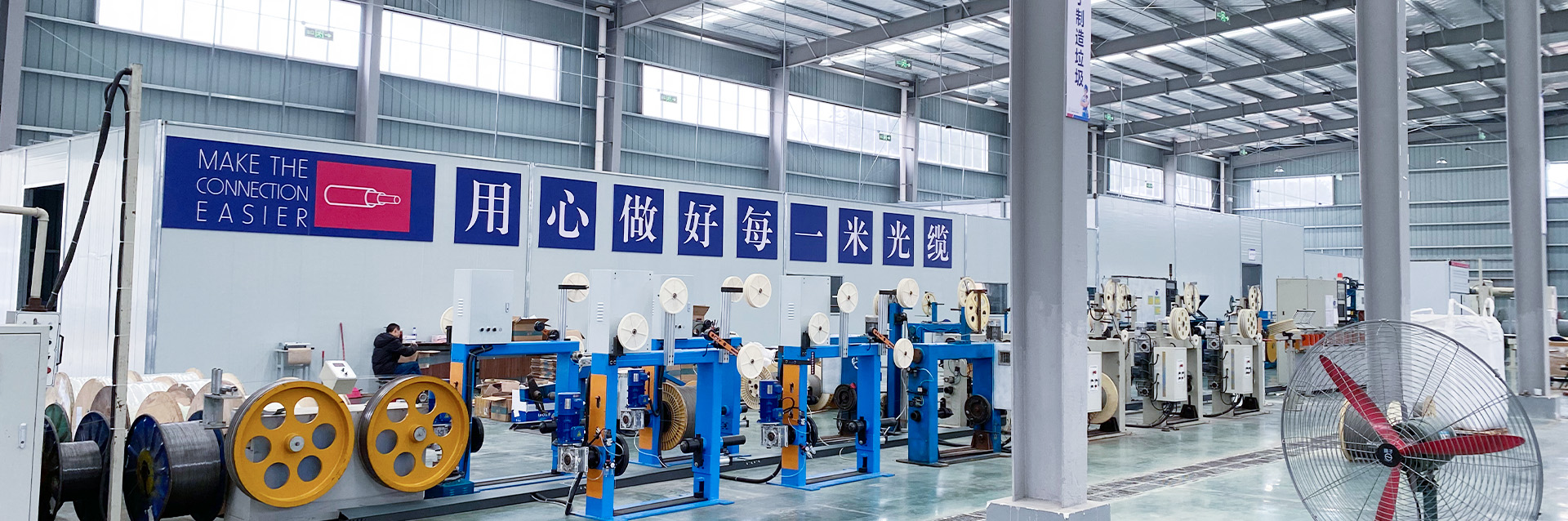
Our Factory
We are committed to innovation and excellence. Our team of experts are constantly pushing the boundaries of what’s possible, ensuring that we remain at the forefront of the industry. We invest heavily in research and development to ensure that we are always one step ahead of the competition. Our cutting-edge technology allows us to produce fibre optic cables that are not only faster and more reliable, but also more durable and cost-effective.
Our advanced manufacturing process ensures that our fibre optic cables are of the highest quality, guaranteeing lightning-fast speeds and reliable connectivity. Our commitment to excellence means that our customers can always rely on us to provide them with the best possible solutions.
If you’re looking for a reliable, high-speed fibre optic cable solution, look no further than OYI. Contact us now to see how we can help you stay connected and take your business to the next level.
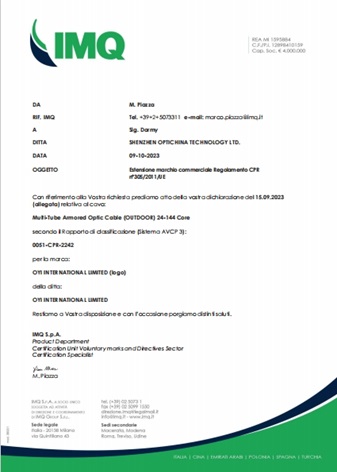
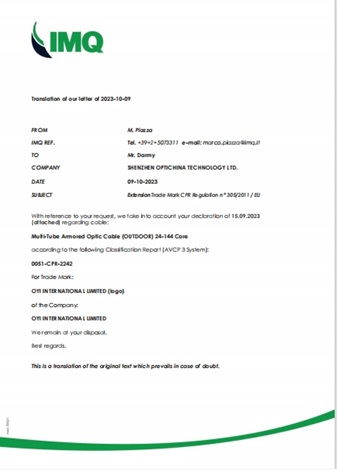
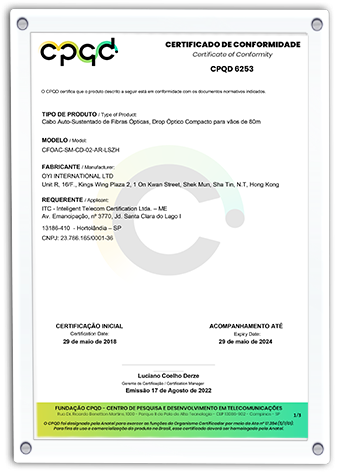
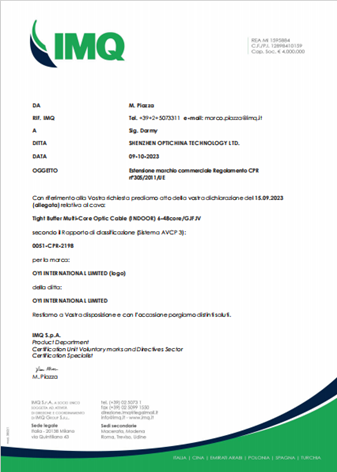
The Company has Obtained Certification
Our products comply with strict international standards, ensuring safe and efficient operations.


Technical Guide: Selecting the Right Metal Fittings for Kenyan Overhead Lines
Deploying aerial fiber optic infrastructure in Kenya requires a thorough understanding of localized environmental stress factors. When engineering overhead networks, selecting the correct metal fittings is just as critical as choosing the fiber cable itself. Poorly matched hardware can lead to cable sagging, fiber attenuation, or catastrophic line breaks during seasonal storms.
1. Mechanical Tension and Span Considerations
Kenya’s diverse topography features variable span lengths between utility poles. For short spans typical in urban FTTH deployments (under 50 meters), lightweight aluminum or plastic-coated drop clamps are sufficient. However, for long-span applications (ranging from 100 to 300+ meters) common in rural cross-country links using ADSS or OPGW cables, heavy-duty helical tension clamps and forged steel suspension assemblies are required to distribute mechanical load without damaging the cable jacket.
2. Corrosion Protection & Galvanization Standards
For installations in coastal areas like Mombasa, Kilifi, and Malindi, salt spray and high humidity accelerate rust. Exporters must supply hot-dip galvanized steel fittings complying with international standards (such as ASTM A153 or ISO 1461). The zinc coating thickness must be sufficient to prevent corrosion for at least 20 years, ensuring structural integrity and preventing rust-related failures.
3. Compatibility with Cable Types
Different cable structures require tailored clamping mechanisms:
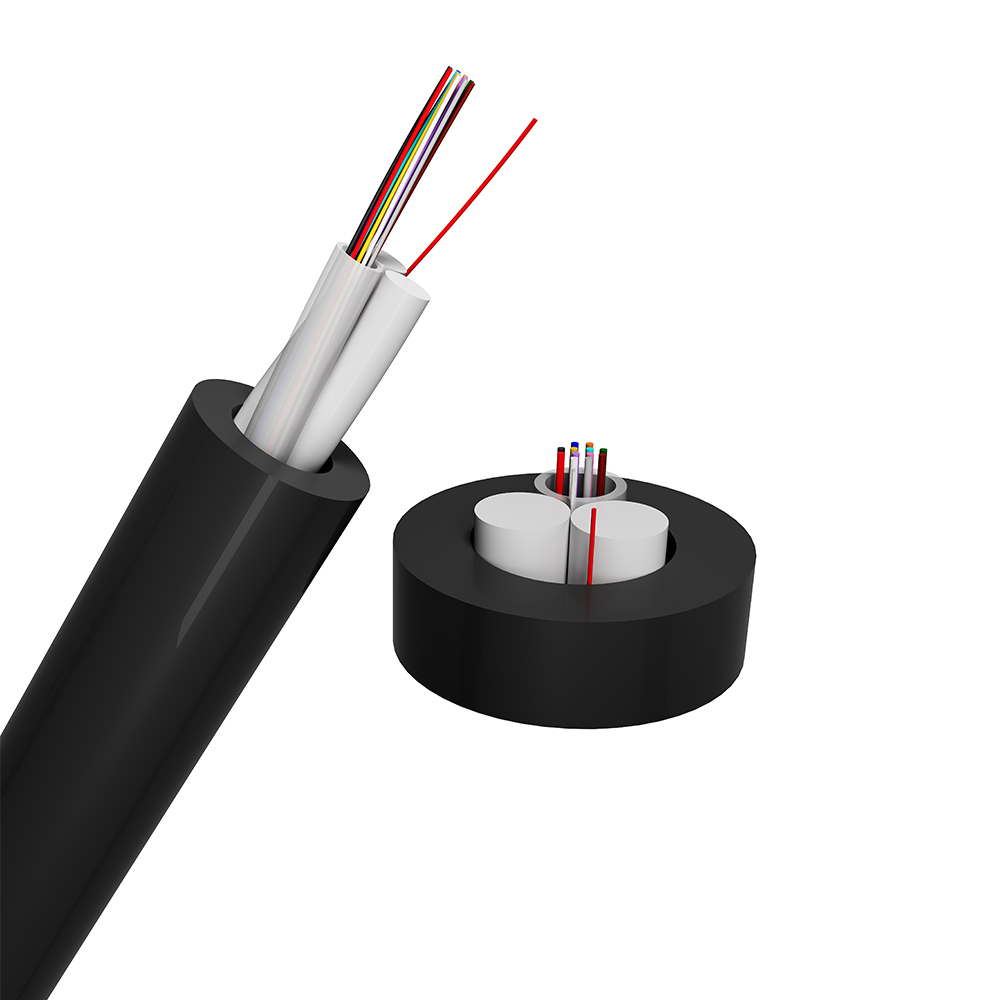
- ASU Cables: ASU (All-Dielectric Self-Supporting) cables feature a single tube design. Clamps must provide uniform radial pressure to prevent crushing the central buffer tube.
- ADSS Cables: ADSS cables require structural reinforcing rods and helical dead-ends to distribute clamping forces over a longer area, protecting the internal aramid yarns.
- OPGW Cables: OPGW installations require grounding clamps and vibration dampers to protect the optical fibers inside the metallic tube from high-voltage induction and wind-induced Aeolian vibration.
Complete Product Portfolio
Explore our complete range of fiber optic cables, termination boxes, and splice closures.