 0755-23179541
 sales@oyii.net
 8618926041961
Core Infrastructure for Drop Cable & Optical Conversion
Essential components engineered for seamless home-run drop cable routing, optical-electrical conversion, and subscriber terminal mounting.
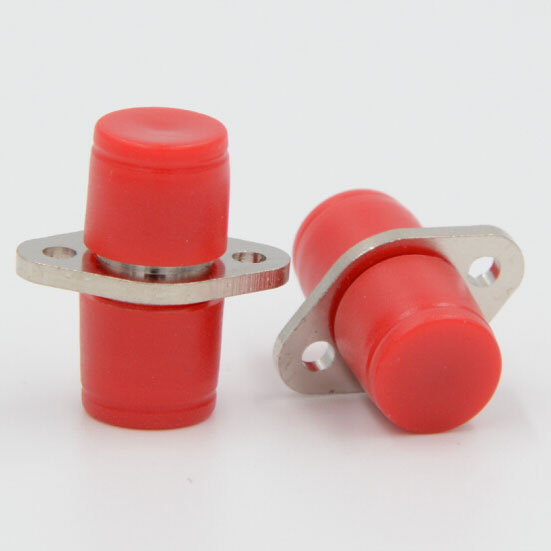
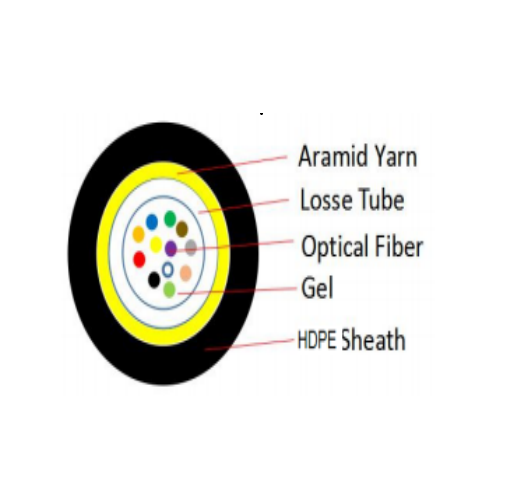

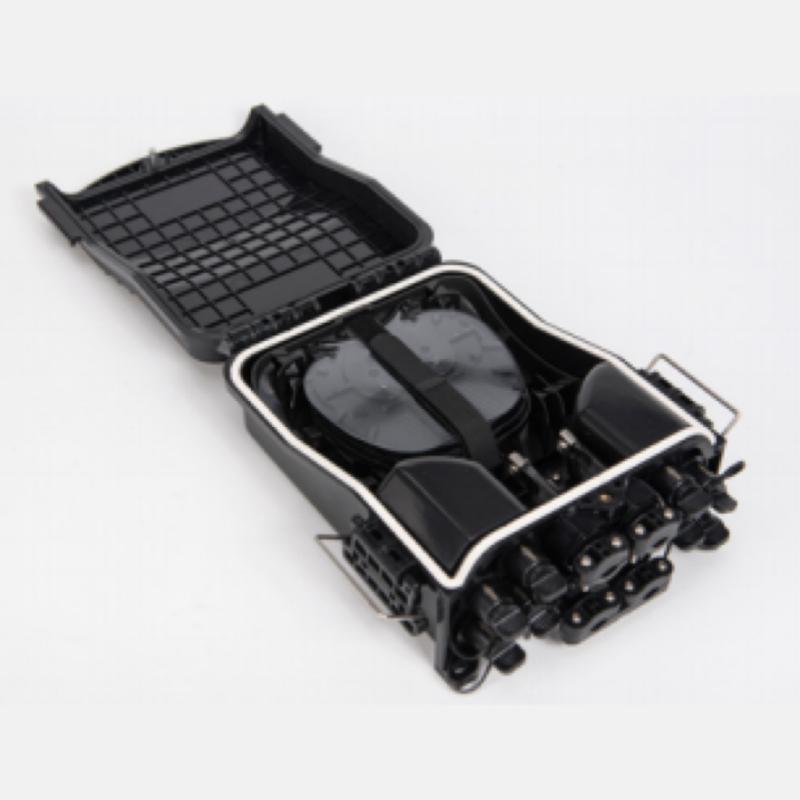
◆ Commercial Landscape: The Paradigm Shift in Home-Run Optical Demarcation
The rapid escalation of global bandwidth demands driven by artificial intelligence workloads, 4K/8K uncompressed video streaming, low-latency edge computing, and smart home automation has radically transformed broadband delivery. In fiber-to-the-home (FTTH), fiber-to-the-building (FTTB), and optical LAN (POL) architectures, traditional multi-split cascades are increasingly giving way to dedicated point-to-point "Home-Run" drop cable deployments. In this topology, continuous dielectric drop cables run un-spliced from central distribution hubs (such as outdoor optical cross-connect cabinets) directly to end-user premises.
At the subscriber interface, the optical media converter serves as the critical transition hardware. By transforming high-speed photonic signals (single-mode or multi-mode G.657.A2 optical pulses) into standard copper 10/100/1000Base-T or 2.5G/10GBase-T Ethernet signals, optical media converters allow legacy enterprise switches, industrial PLCs, and consumer routers to communicate directly across long-reach carrier fiber infrastructures. Proper wall-fixing mechanisms and strain-relieved drop cable ingress points ensure zero signal attenuation, absolute mechanical protection, and extended Mean Time Between Failures (MTBF).
Eliminates intermediate street-level splitters, reducing total optical insertion loss by up to 3.5dB per optical segment. Direct routing guarantees dedicated symmetrical bandwidth, simplifies OTDR fault tracing, and optimizes signal margin for 10G-EPON, XGS-PON, and future 50G-PON upgrades.
- Guaranteed optical power budget > 28 dB across 20 km spans
- Zero active intermediate equipment reduces point-of-failure vulnerabilities
- Immunity to localized electromagnetic interference (EMI) via non-metallic drop paths
Modern media converters integrate micro-form-factor silicon transceivers, Link Fault Pass-Through (LFP), and Far-End Fault (FEF) monitoring. Wall-mountable designs feature integrated cable management mandrels, ensuring bend-radius control (≥15mm) and robust thermal convection for 24/7 continuous operation.
- Supports single-strand WDM bi-directional (BiDi) 1310nm/1550nm transmission
- Compact DIN-rail and wall-mounting brackets with dual power redundancy
- Jumbo frame pass-through (up to 9K/10K bytes) for enterprise SAN traffic
◆ Engineering Mechanics: Drop Cable Deployment & Secure Wall Fixing
Successful long-term fiber installation relies on rigorous physical layer engineering. When deploying home-run drop cables across outdoor-to-indoor transition zones, cables encounter environmental friction, aerial wind loads, structural thermal expansion, and mechanical shear stresses. Addressing these challenges requires coordinated hardware selection across tensile anchoring, wall penetration sealing, and enclosure mounting.
1. Drop Cable Physical Characteristics & Pulling Dynamics
Non-metallic dual-purpose drop cables (such as GYFXTY and flat butterfly FTTH cables) utilize dual FRP (Fiber Reinforced Plastic) or aramid yarn strength members surrounding bend-insensitive optical fibers (ITU-T G.657.A1/A2). During deployment:
- Tensile Load Limits: Maximum short-term pulling force must not exceed 200N to avoid core strain and micro-bending attenuation spikes.
- Clamping Mechanics: S-Hook B-Type suspension tension clamps evenly distribute mechanical pinching forces along the outer Low Smoke Zero Halogen (LSZH) or HDPE jacket, preventing fiber core deformation under high aerial spans.
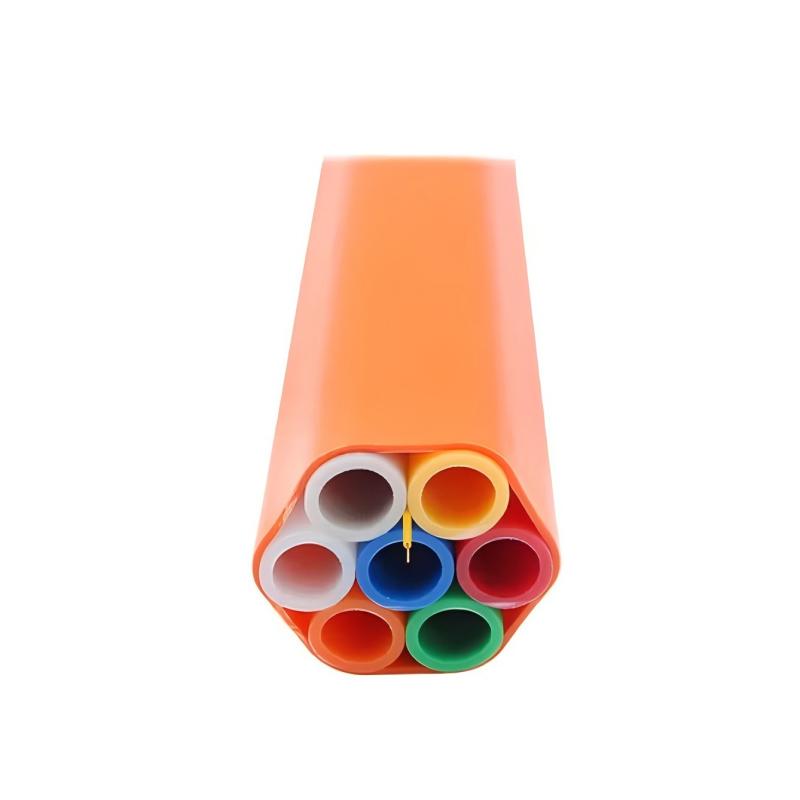
- Conduit & Micro-Duct Routing: Direct bury DB 7-way micro-ducts provide sub-channel isolation for ultra-fast pneumatic cable jetting and easy brownfield expansion.
2. Wall Demarcation, Fixing & Strain Relief Protocols
The transition from exterior masonry to interior wall-mounted media converters is the most vulnerable point in the optical link. The following engineering protocols safeguard system integrity:
- Drip Loop & Ingress Sealing: Drop cables must form a downward 75mm drip loop prior to entering wall bushings to eliminate water ingress along the jacket.
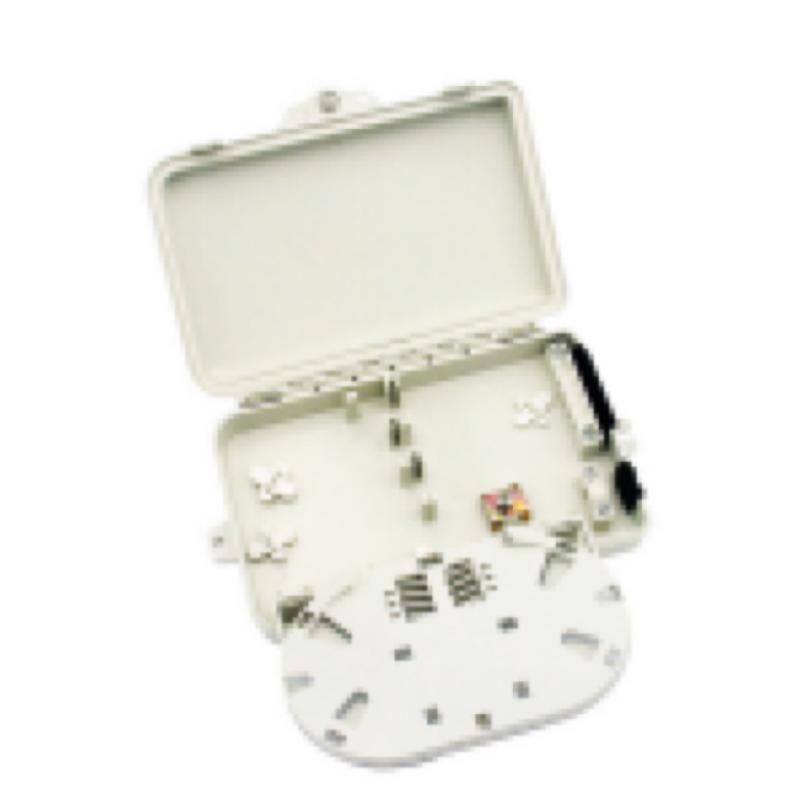
- Mechanical Wall Anchoring: Terminal demarcation boxes (such as OYI-FATC 8A and OYI-ATB06A) utilize corrosion-resistant steel expansion bolts or nylon wall anchors to securely withstand cable vibrations and accidental pull shocks.
- Internal Fiber Splicing & Patching: Inside the wall-mounted enclosure, the buffer tube transitions to a dedicated splice tray with snap-in adapter plates (FC, SC, or LC), isolating the sensitive optical pigtail from converter patch cords.
Multi-Scenario Application Breakdown
From multi-dwelling residential buildings to heavy industrial automation, explore how media converter optics and home-run drop infrastructures perform under demanding operational criteria.
Multi-Dwelling Units (MDU) & Commercial High-Rises
In residential towers and corporate facilities, home-run drop cables run directly from basement Optical Distribution Frames (ODF) through vertical riser shafts to floor-level distribution boxes. Individual non-metallic drop cables route into each tenant’s demarcation box (ATB), connecting to a wall-mounted Gigabit media converter that feeds internal VoIP, IPTV, and high-speed Wi-Fi 6/7 access points without electrical cross-talk between units.
Perimeter Security & Smart City CCTV Surveillance
Outdoor IP surveillance cameras distributed across vast perimeters (airports, industrial parks, and municipal highways) require continuous gigabit feeds. Hardened media converters housed in IP65 wall-mount terminal boxes convert optical feeds from direct-buried trunk lines into Power-over-Ethernet (PoE+) copper lines, delivering both data and operational power directly to pan-tilt-zoom (PTZ) optical cameras.
Industrial Automation & Harsh Factory Environments
Modern manufacturing plants generate massive electromagnetic fields from heavy motors and variable frequency drives (VFDs). Using all-dielectric drop cables to route home-run connections to DIN-rail and wall-mounted industrial optical converters eliminates grounding loops and packet drops, safeguarding SCADA controllers and automated production line telemetry.
Smart Grid Substations & Renewable Energy Plants
Solar farms and high-voltage power substations demand galvanic isolation. Dielectric drop cables paired with wall-fixed media converters connect remote inverter stations and switchgear monitoring units to the central control room across high-voltage corridors with zero risk of induced electrical surges.
Oyi international ., Ltd.
Pioneering High-Precision Optical Communication Hardware Since 2006
Oyi international., Ltd. is a dynamic and innovative fibre optic cable company based in Shenzhen, China. Since its inception in 2006, OYI has been dedicated to providing world-class fibre optic products and solutions to businesses and individuals across the globe. Our Technology R&D department has more than 20 specialized staff committed to developing innovative technologies and providing high-quality products and services. We export our products to 143 countries and have established long-term partnerships with 268 clients.
Our products are widely used in telecommunications, data center, CATV, industrial and other areas. Our main products include various types of optical fiber cables, fiber optic linkers, fiber distribution series, fiber optic connectors, fiber optic adapters, fiber optic couplers, fiber optic attenuators, and WDM series. Not only that, our products cover ADSS, ASU, Drop Cable, Micro Duct Cable, OPGW, Fast Connector, PLC Splitter, Closure, FTTH Box, etc. In addition, we provide our customers with complete fiber optic solutions, such as Fiber to the Home (FTTH), Optical Network Units (ONUs), and High Voltage Electrical Power Lines. We also provide OEM designs and financial support to help our customers integrate multiple platforms and reduce costs.
Production Standards & Project Showcase
Rigorous quality control and automated optical testing ensure reliable long-term field deployments.
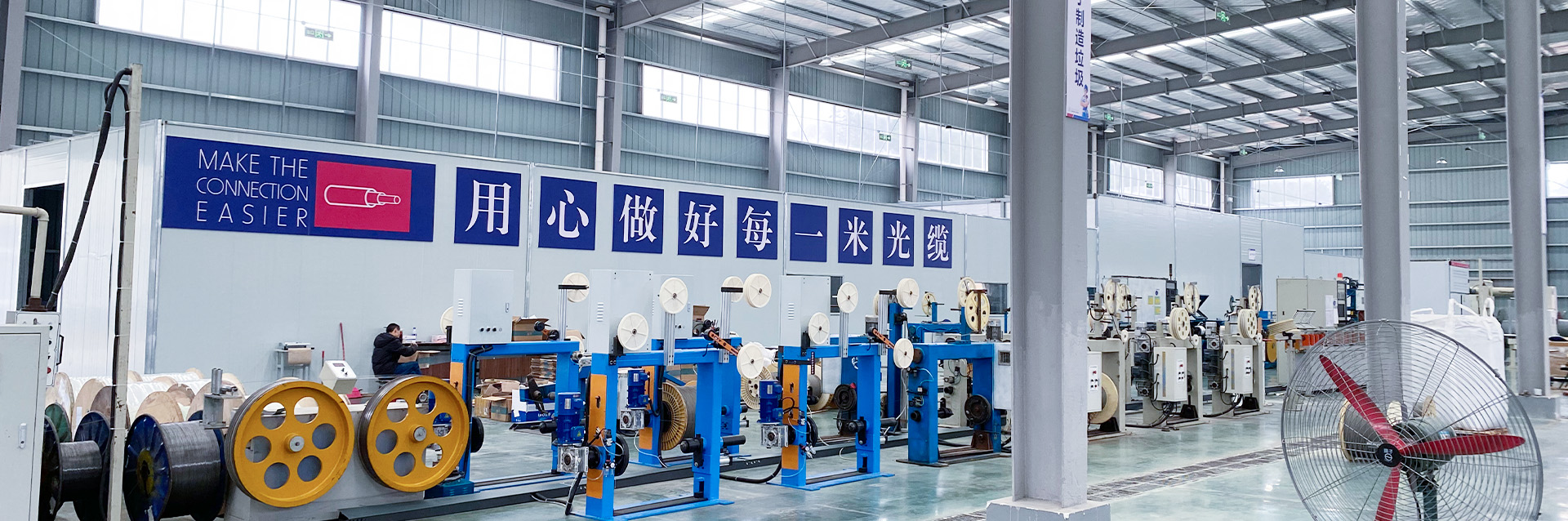
We are committed to innovation and excellence. Our team of experts are constantly pushing the boundaries of what’s possible, ensuring that we remain at the forefront of the industry. We invest heavily in research and development to ensure that we are always one step ahead of the competition. Our cutting-edge technology allows us to produce fibre optic cables that are not only faster and more reliable, but also more durable and cost-effective.
Our advanced manufacturing process ensures that our fibre optic cables are of the highest quality, guaranteeing lightning-fast speeds and reliable connectivity. Our commitment to excellence means that our customers can always rely on us to provide them with the best possible solutions. If you’re looking for a reliable, high-speed fibre optic cable solution, look no further than OYI.
Deployment & Production Gallery


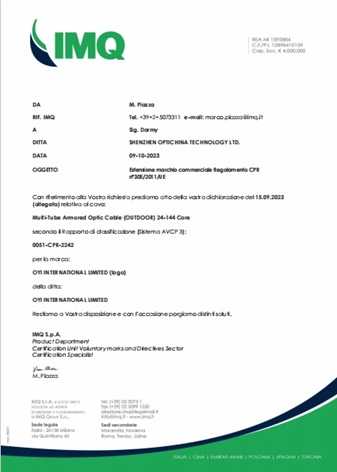
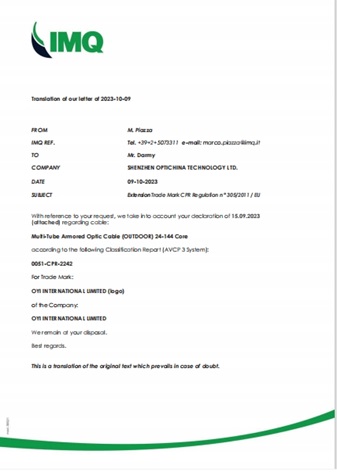
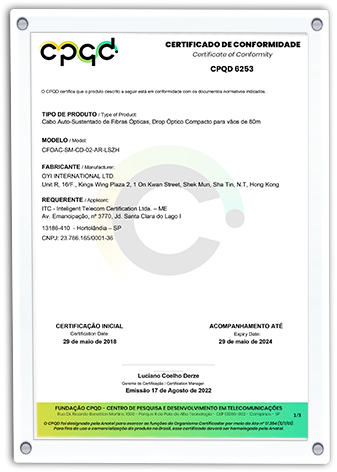
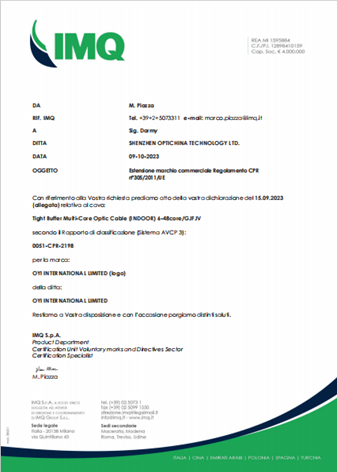
International Compliance & Certifications
Certified compliance with international telecom standards including CPR fire ratings, RoHS, CE, and ISO management systems.


End-to-End Home-Run Optical Demarcation Portfolio
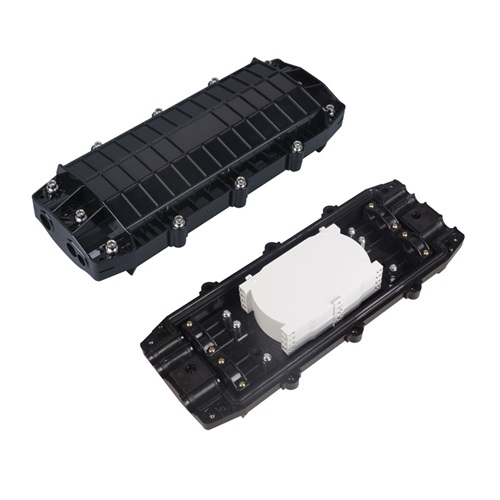
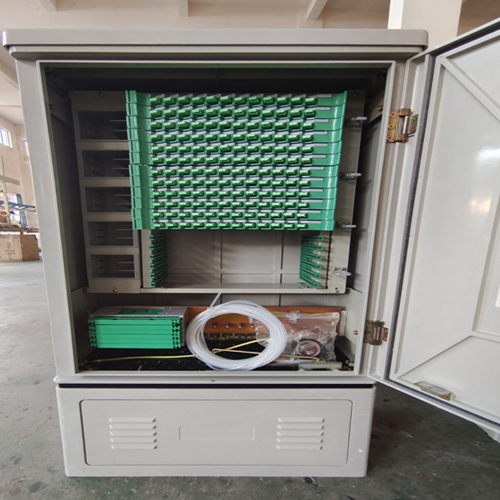
Comprehensive product lineup covering fiber adapters, high-tensile drop cables, mechanical anchoring clamps, micro-duct systems, desktop terminal boxes, splice closures, and distribution cabinets.