 0755-23179541
  sales@oyii.net
.png) 8618926041961
8618926041961Featured Fiber Optic Solutions
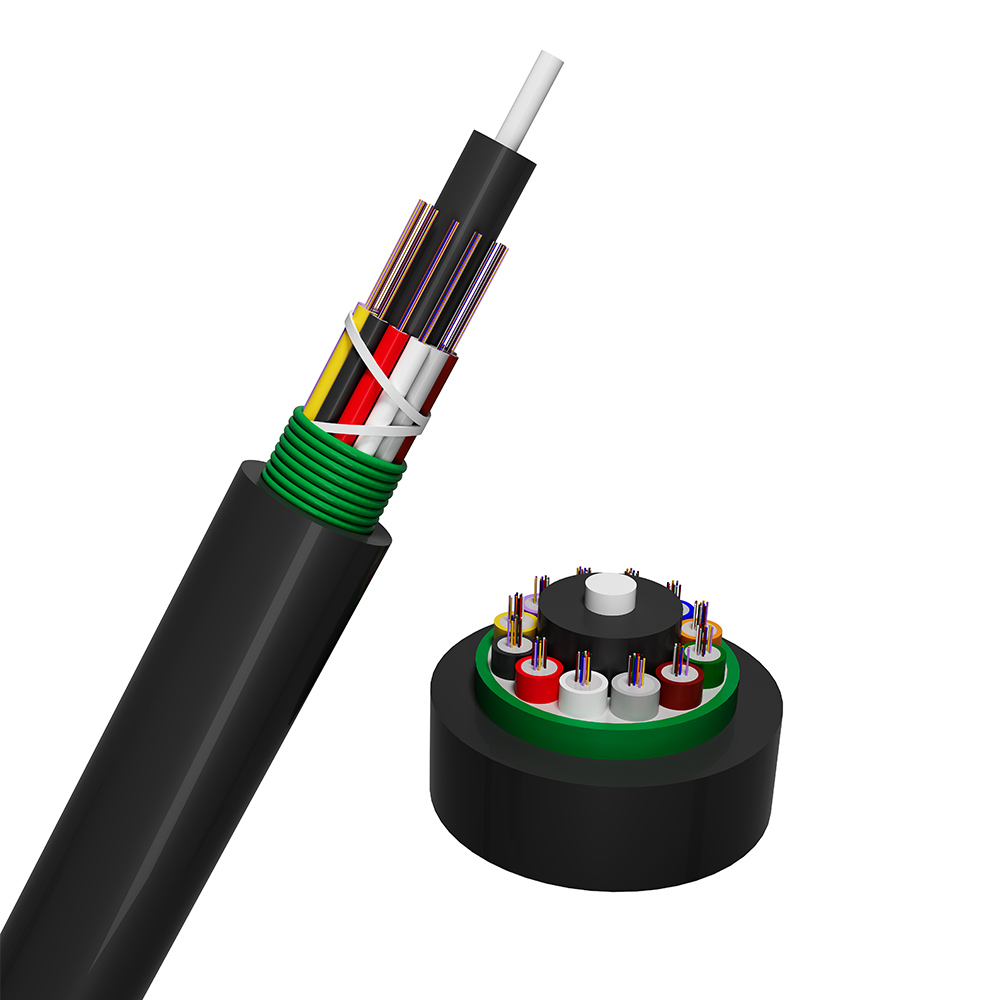
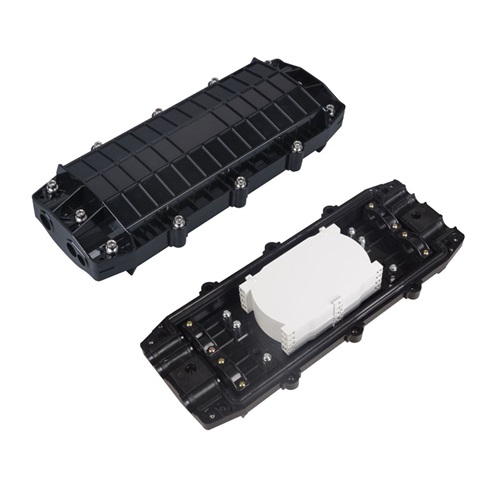
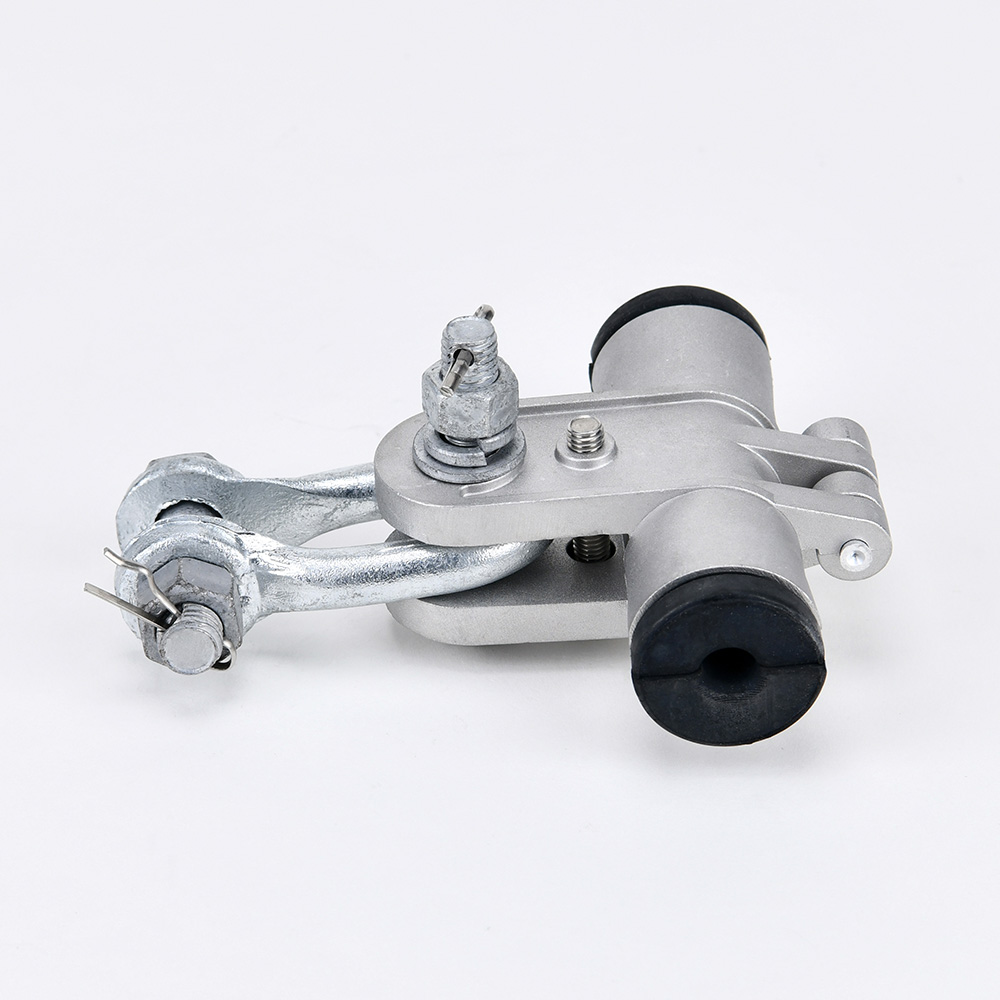
Brazil's Booming Telecom Market & The Vital Role of Fiber Closures
Brazil has emerged as one of the most vibrant and fast-growing telecommunications landscapes in Latin America. Driven by aggressive national broadband initiatives, the rapid rollout of 5G infrastructure, and the continuous expansion of Fiber-to-the-Home (FTTH) networks, the country's thirst for reliable data transmission is higher than ever. Within this massive telecommunication ecosystem, the integrity of the physical fiber plant relies heavily on small yet crucial components: Fiber Optic Splice Closures (FOSC). As leading closure exporters & suppliers in Brazil, we understand that these protective enclosures are the guardians of the network, ensuring that delicate optical splices remain unaffected by the country's challenging environmental conditions.
The Brazilian market is uniquely structured, featuring a dynamic blend of major national telecom operators (such as Vivo, Claro, and TIM) and thousands of regional Internet Service Providers (known locally as Provedores de Internet or ISPs). These regional ISPs have been the unsung heroes of Brazil’s digital transformation, connecting remote municipalities and rural agricultural hubs that were previously underserved. For these ISPs, deploying cost-effective, durable, and easily accessible splice closures is a matter of business survival. A single network outage caused by water ingress or physical damage to a fiber splice can lead to significant financial losses and customer churn.
Meeting Strict Regulatory and Technical Standards
Deploying telecommunication equipment in Brazil requires compliance with local regulatory frameworks established by Anatel (Agência Nacional de Telecomunicações). Anatel enforces strict technical standards to ensure the safety, interoperability, and longevity of the nation's network infrastructure. When selecting fiber optic splice closures, Brazilian engineering teams prioritize products that meet international IP68 ratings for dust and water resistance, alongside robust mechanical sealing systems. As experienced suppliers, we ensure our closures are manufactured to withstand the rigorous field conditions mandated by Brazilian operators, providing seamless integration into both legacy networks and next-generation architectures.
Industrial Trends in the Fiber Optic Closure Market
The global fiber optic closure industry is undergoing a technological evolution, and Brazil is at the forefront of adopting these innovations. Modern network architectures demand faster deployment times, higher splice capacities, and reduced maintenance overheads. Here are the key trends shaping the market:
The industry is rapidly transitioning from traditional heat-shrink sealing methods to tool-less mechanical sealing. Mechanical seals drastically reduce installation time, eliminate the need for specialized heating torches on-site, and allow for easy re-entry and re-use of the closure without replacing the sealing components.
As operators deploy high-count fiber cables to support 5G backhaul and dense urban FTTH networks, closures must accommodate more splices in smaller footprints. Modern closures utilize modular, stackable splice trays that support both single-fiber fusion splicing and ribbon fiber splicing, maximizing capacity efficiency.
With climate change causing more unpredictable and severe weather events, extreme weatherproofing has become standard. IP68-rated closures ensure total protection against dust penetration and continuous immersion in water, making them suitable for manholes, direct burial, and harsh aerial environments.
Localized Application Scenarios in Brazil
Brazil's vast geographic diversity—ranging from the humid Amazon basin to the bustling coastal metropolises and expansive agricultural plains—requires localized engineering approaches for fiber optic deployments. Here is how our closures are applied across various typical Brazilian scenarios:
1. Metropolitan Aerial Deployments (São Paulo & Rio de Janeiro)
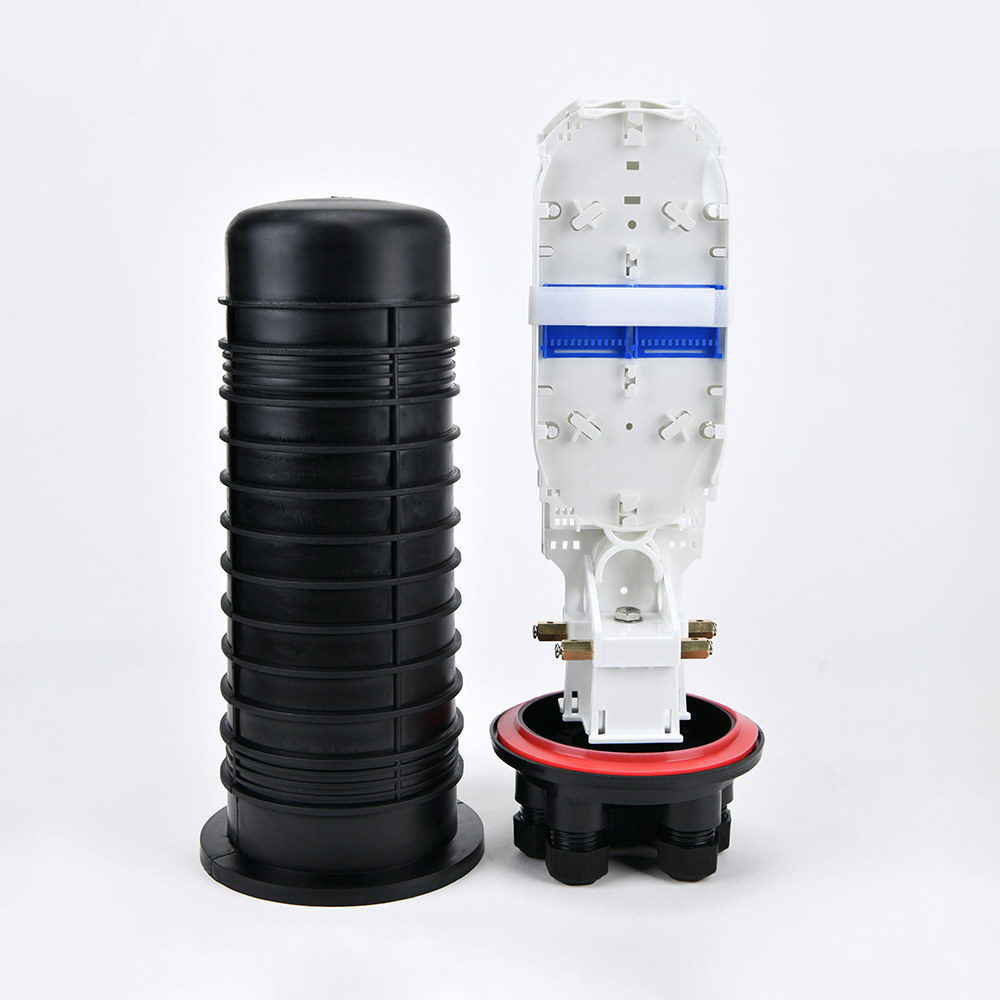
In Brazil's densely populated cities, underground space is limited and costly to excavate. Consequently, over 90% of last-mile fiber networks are deployed aerially, sharing utility poles with electrical power lines. These poles are often heavily congested, subjected to high mechanical tension, and exposed to intense tropical sunlight (UV radiation). For these aerial networks, compact dome closures like the OYI-FOSC-M20 are ideal. Their aerodynamic design minimizes wind resistance, while the high-grade UV-stabilized plastic casing prevents cracking and degradation caused by decades of solar exposure.
2. Flooded Manholes & Coastal Infrastructure (Recife & Salvador)
Coastal regions in Northeast Brazil experience high levels of humidity, salt spray, and seasonal flooding. Manholes and handholes in cities like Recife frequently fill with brackish water. Horizontal closures, such as the OYI-FOSC H13, are specifically designed to handle these environments. Equipped with high-quality silicone sealing gaskets and corrosion-resistant metallic parts, these closures maintain a hermetic seal even when submerged for extended periods, protecting the internal fiber splices from moisture-induced attenuation.
3. Rural FTTH and Agribusiness Connectivity (Mato Grosso & Paraná)
Brazil’s agribusiness sector is rapidly adopting smart farming technologies, demanding fiber connectivity across vast rural territories. Deploying fiber over long distances requires cost-effective and low-maintenance solutions. In these scenarios, light-weight closures and terminal boxes are mounted on rural poles to distribute connections to farmhouses and IoT sensors. The ease of re-entry allows local technicians to quickly add new subscribers without disrupting existing connections, facilitating organic network growth.
Oyi International ., Ltd.
Oyi international., Ltd. is a dynamic and innovative fibre optic cable company based in Shenzhen, China. Since its inception in 2006, OYI has been dedicated to providing world-class fibre optic products and solutions to businesses and individuals across the globe. Our Technology R&D department has more than 20 specialized staff committed to developing innovative technologies and providing high-quality products and services. We export our products to 143 countries and have established long-term partnerships with 268 clients.
Our products are widely used in telecommunications, data center, CATV, industrial and other areas. Our main products include various types of optical fiber cables, fiber optic linkers, fiber distribution series, fiber optic connectors, fiber optic adapters, fiber optic couplers, fiber optic attenuators, and WDM series. Not only that, our products cover ADSS, ASU, Drop Cable, Micro Duct Cable, OPGW, Fast Connector, PLC Splitter, Closure, FTTH Box, etc. In addition, we provide our customers with complete fiber optic solutions, such as Fiber to the Home (FTTH), Optical Network Units (ONUs), and High Voltage Electrical Power Lines. We also provide OEM designs and financial support to help our customers integrate multiple platforms and reduce costs.
-
20Years in the Industry Sector
-
20+Technical R&D Personnel
-
143Exporting Countries
-
268Cooperative Clients
About Oyi - Inside Our Operations


Company Philosophy & Our Factory
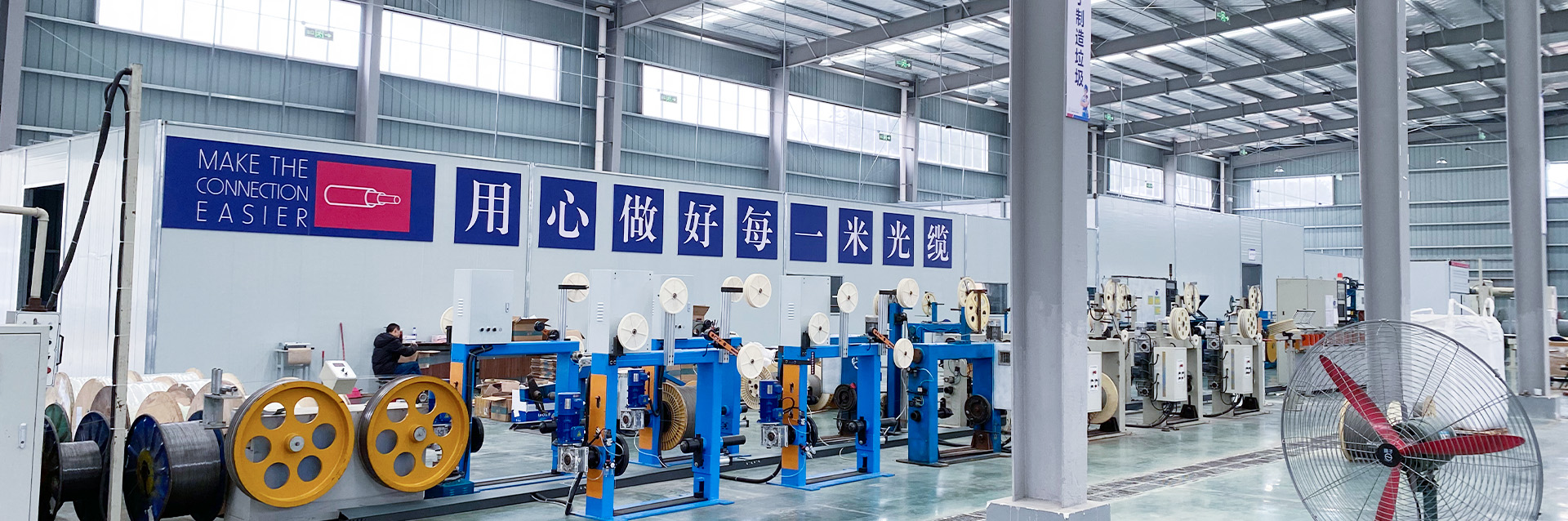
We are committed to innovation and excellence. Our team of experts are constantly pushing the boundaries of what’s possible, ensuring that we remain at the forefront of the industry. We invest heavily in research and development to ensure that we are always one step ahead of the competition. Our cutting-edge technology allows us to produce fibre optic cables that are not only faster and more reliable, but also more durable and cost-effective.
Our advanced manufacturing process ensures that our fibre optic cables are of the highest quality, guaranteeing lightning-fast speeds and reliable connectivity. Our commitment to excellence means that our customers can always rely on us to provide them with the best possible solutions.
If you’re looking for a reliable, high-speed fibre optic cable solution, look no further than OYI. Contact us now to see how we can help you stay connected and take your business to the next level.
The Company has Obtained Certification
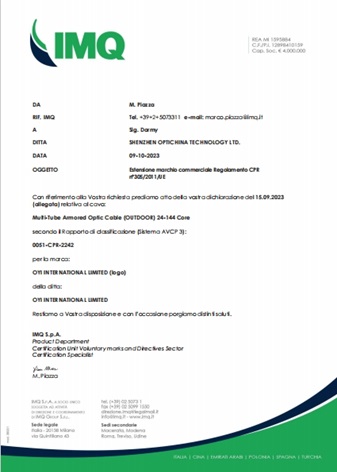
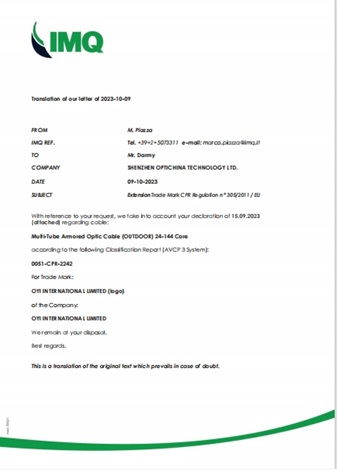
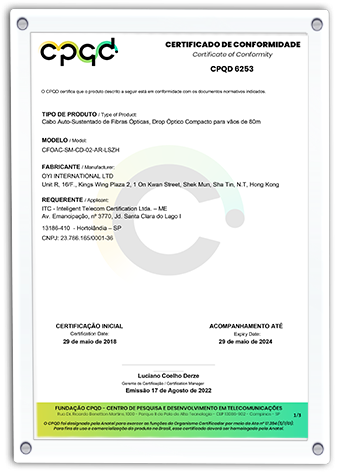
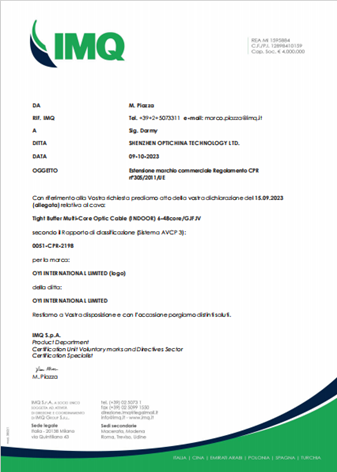
Our dedication to international quality standards is backed by globally recognized certifications, ensuring reliable deployments in the Brazilian market.