
 0755-23179541
  sales@oyii.net
.png) 8618926041961
8618926041961Featured Optical Network Components
Understanding Attenuators in Residential FTTH Networks
In the modern telecommunications landscape, Fiber-to-the-Home (FTTH) has emerged as the gold standard for residential broadband delivery. As demands for ultra-high-speed internet, 4K/8K streaming, online gaming, and smart home automation escalate, optical access networks must operate at peak efficiency. One of the most critical, yet frequently overlooked, components in ensuring this efficiency is the optical attenuator. An attenuator for residential FTTH optical access networks serves as a precise control mechanism, balancing optical signal power to prevent receiver overload and preserve signal integrity across varying transmission distances.
Optical access networks, predominantly built on Gigabit Passive Optical Network (GPON) or 10-Gigabit Symmetric PON (XGS-PON) architectures, rely on a shared optical distribution network (ODN). Light signals travel from the Optical Line Terminal (OLT) at the provider's central office, through splitters, and finally to the Optical Network Unit (ONU) or Optical Network Terminal (ONT) at the subscriber's residence. Because the distance between the central office and individual homes varies significantly, the optical power reaching each ONT is not uniform. Herein lies the primary engineering challenge: managing the dynamic range of optical power to keep it within the optimal operating window of the residential receiver.
The Industrial and Commercial Reality of FTTH Attenuation
From a commercial perspective, telecommunications operators and internet service providers (ISPs) operate under strict Quality of Service (QoS) guidelines. Network downtime, packet drops, and truck rolls (dispatching technicians to customer premises) represent significant operational expenditures (OPEX). When an ONT receives an optical signal that is too strong—a common occurrence for subscribers living close to a local distribution hub or splitter cabinet—the receiver saturates. This leads to bit errors, intermittent connection drops, and eventually, hardware failure. By integrating fixed plug-in optical attenuators (typically SC/APC or LC/APC interfaces) directly into the residential wall outlet or fiber distribution box, operators can proactively eliminate saturation risks for a fraction of the cost of a single maintenance call.
Furthermore, the global transition to high-speed standards such as XGS-PON and 50G-PON introduces tighter optical power budgets. These advanced systems utilize higher-frequency modulation schemes that are highly sensitive to optical reflections and power discrepancies. As a result, the demand for high-performance, low-reflection (high return loss) optical attenuators has surged. Industry standards dictate that attenuators used in FTTH networks must exhibit a return loss of at least 60dB for APC (Angled Physical Contact) connectors to prevent back-reflections from disrupting the laser sources at the OLT.
Deep-Dive Application Scenarios in Residential Deployments
To fully appreciate the role of attenuators, we must analyze the specific scenarios where they are deployed within residential optical access networks:
- Short-Loop Residential Connections: In high-density urban areas, many apartment buildings or single-family homes are located within a few hundred meters of the fiber distribution hub. The optical path attenuation over these short distances is minimal. Without an inline attenuator (typically 5dB to 15dB), the signal arriving at the residential ONT would far exceed the maximum overload threshold (often around -8dBm for standard GPON ONTs).
- Multi-Dwelling Units (MDUs) and High-Rise Buildings: MDUs utilize centralized optical splitters (e.g., 1:32 or 1:64) located in the basement. The fiber runs to the lower floors are significantly shorter than those to the top floors. Network engineers deploy varying values of attenuators on the lower-floor drop lines to balance the signal levels, ensuring that every apartment receives a uniform signal strength regardless of physical elevation.
- RF Video Overlay Integration: Some legacy and hybrid FTTH networks overlay analog or digital RF cable television signals on a separate wavelength (typically 1550nm) alongside standard data wavelengths (1310nm upstream / 1490nm downstream). RF receivers require highly precise and narrow optical power windows. Attenuators are crucial here to fine-tune the 1550nm signal level without degrading the data channels.
Technological Trends: The Future of Optical Attenuation
As networks evolve towards software-defined architectures (SDN), the physical layer is also seeing innovations. While fixed male-to-female plug-in attenuators remain the most cost-effective solution for residential subscriber lines, there is a growing trend toward the development of smart, automated optical distribution frames (ODFs) that incorporate variable optical attenuators (VOAs). These devices can automatically adjust attenuation levels based on real-time telemetry data received from the ONTs. This automation reduces the need for manual configuration during network provisioning or when rerouting optical paths during fiber cuts.
Additionally, material science advancements have led to the creation of wavelength-independent attenuators (WIA). Traditional attenuators sometimes exhibit varying attenuation values across different wavelengths. WIAs ensure flat attenuation performance across the entire O, E, S, C, and L bands (from 1260nm to 1625nm), making them future-proof for next-generation multi-wavelength PON technologies (such as NG-PON2) where multiple wavelengths coexist on the same fiber strand.
Oyi international ., Ltd.
Oyi international., Ltd. is a dynamic and innovative fibre optic cable company based in Shenzhen, China. Since its inception in 2006, OYI has been dedicated to providing world-class fibre optic products and solutions to businesses and individuals across the globe. Our Technology R&D department has more than 20 specialized staff committed to developing innovative technologies and providing high-quality products and services. We export our products to 143 countries and have established long-term partnerships with 268 clients.
Our products are widely used in telecommunications, data center, CATV, industrial and other areas. Our main products include various types of optical fiber cables, fiber optic linkers, fiber distribution series, fiber optic connectors, fiber optic adapters, fiber optic couplers, fiber optic attenuators, and WDM series. Not only that, our products cover ADSS, ASU, Drop Cable, Micro Duct Cable, OPGW, Fast Connector, PLC Splitter, Closure, FTTH Box, etc. In addition, we provide our customers with complete fiber optic solutions, such as Fiber to the Home (FTTH), Optical Network Units (ONUs), and High Voltage Electrical Power Lines. We also provide OEM designs and financial support to help our customers integrate multiple platforms and reduce costs.
Manufacturing & Facilities


-
20Years
Time in The Industry Sector
-
20+
Technical R&D Personnel
-
143Countries
Exporting Country
-
268Customers
Cooperative Clients
Company Philosophy & Factory Strength
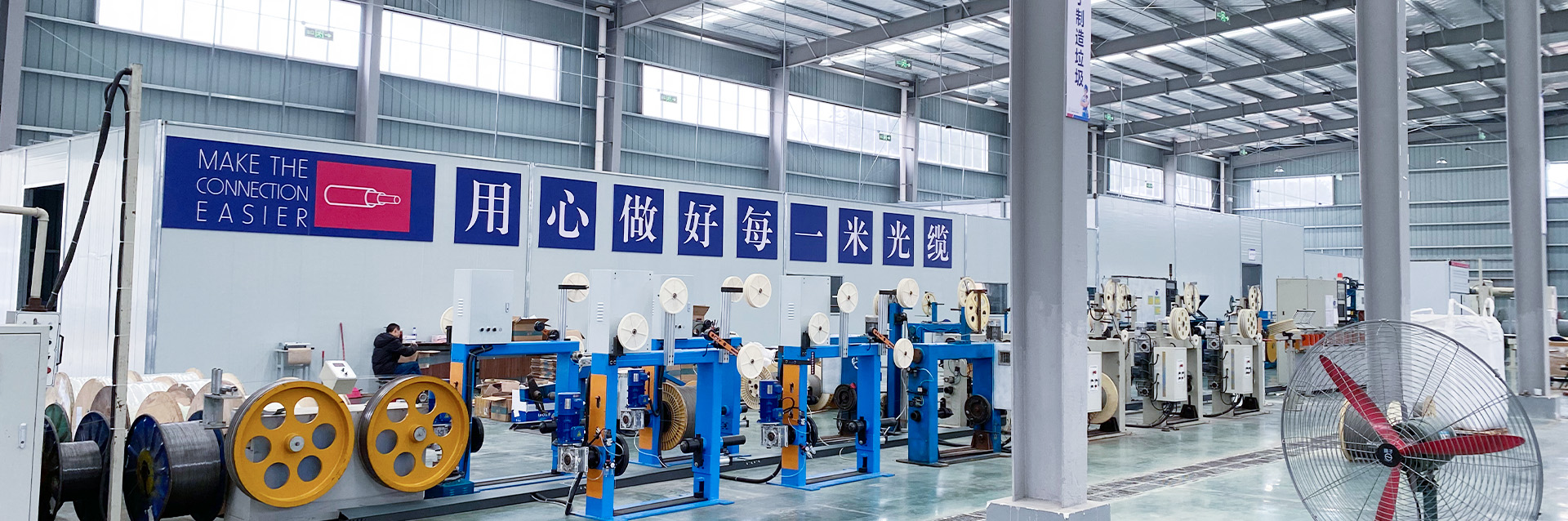
We are committed to innovation and excellence. Our team of experts are constantly pushing the boundaries of what’s possible, ensuring that we remain at the forefront of the industry. We invest heavily in research and development to ensure that we are always one step ahead of the competition. Our cutting-edge technology allows us to produce fibre optic cables that are not only faster and more reliable, but also more durable and cost-effective.
Our advanced manufacturing process ensures that our fibre optic cables are of the highest quality, guaranteeing lightning-fast speeds and reliable connectivity. Our commitment to excellence means that our customers can always rely on us to provide them with the best possible solutions.
If you’re looking for a reliable, high-speed fibre optic cable solution, look no further than OYI. Contact us now to see how we can help you stay connected and take your business to the next level.
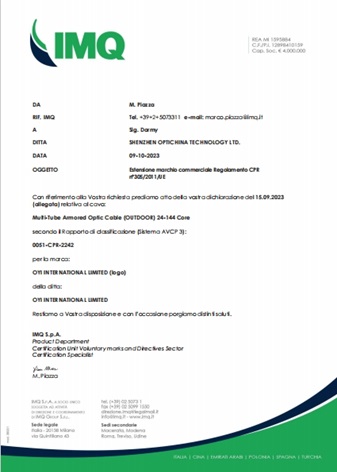
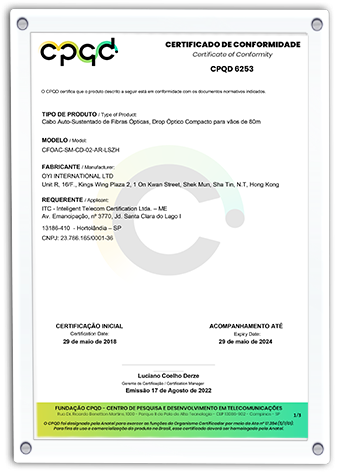
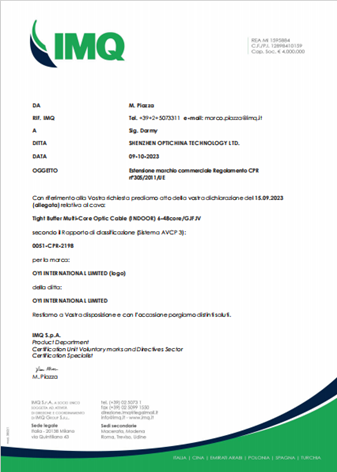
The Company has Obtained Certification



High-Performance FTTH Solutions & Accessories
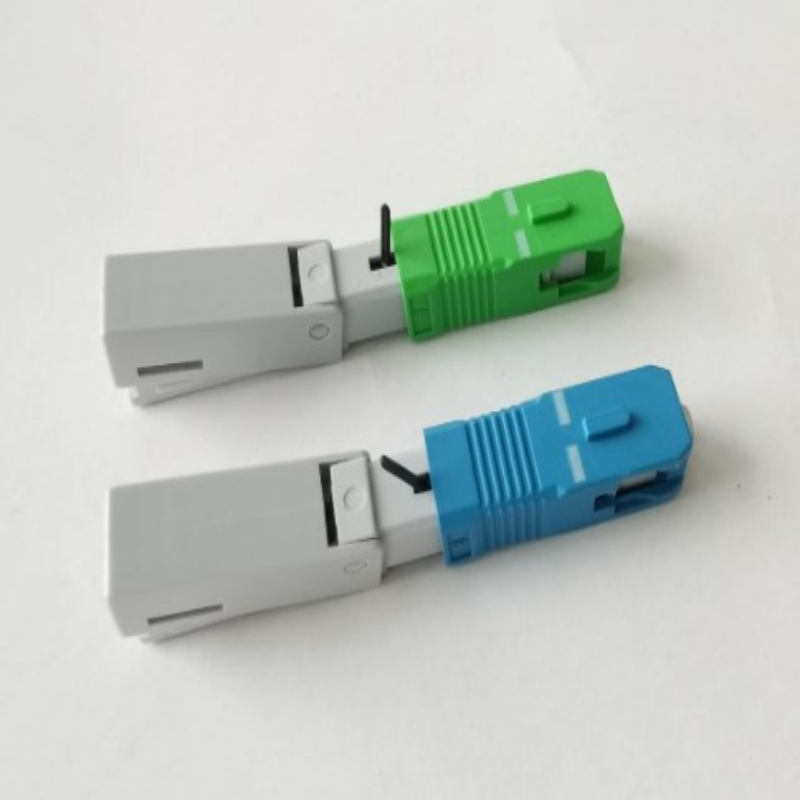 FTTH Drop Cable J-Type Fast Connector
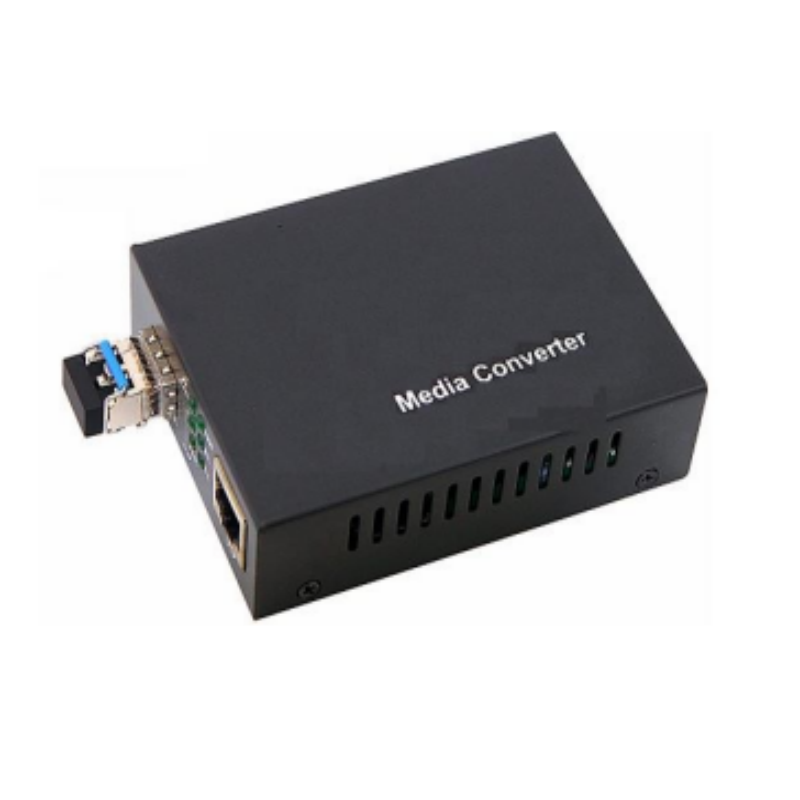 10/100/1000M Residential Media Converter
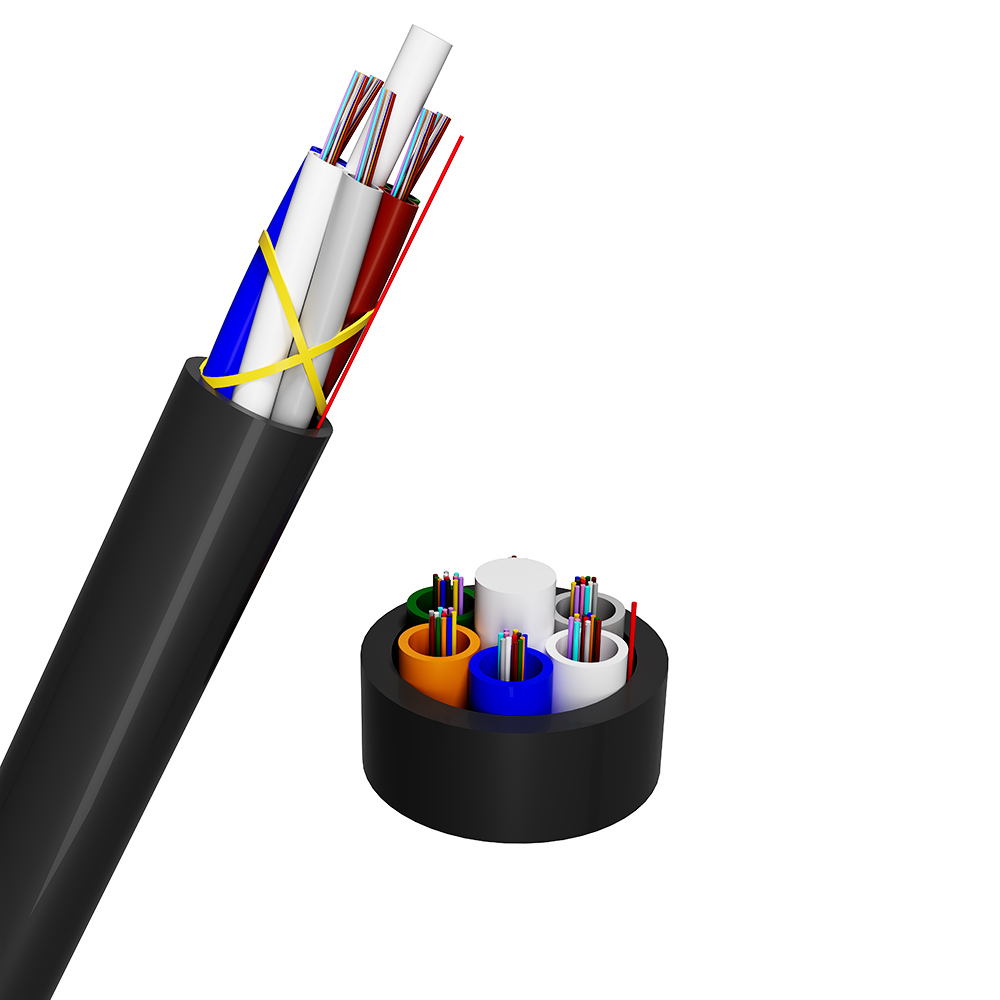 Air Blowing Mini Optical Fibre Cable
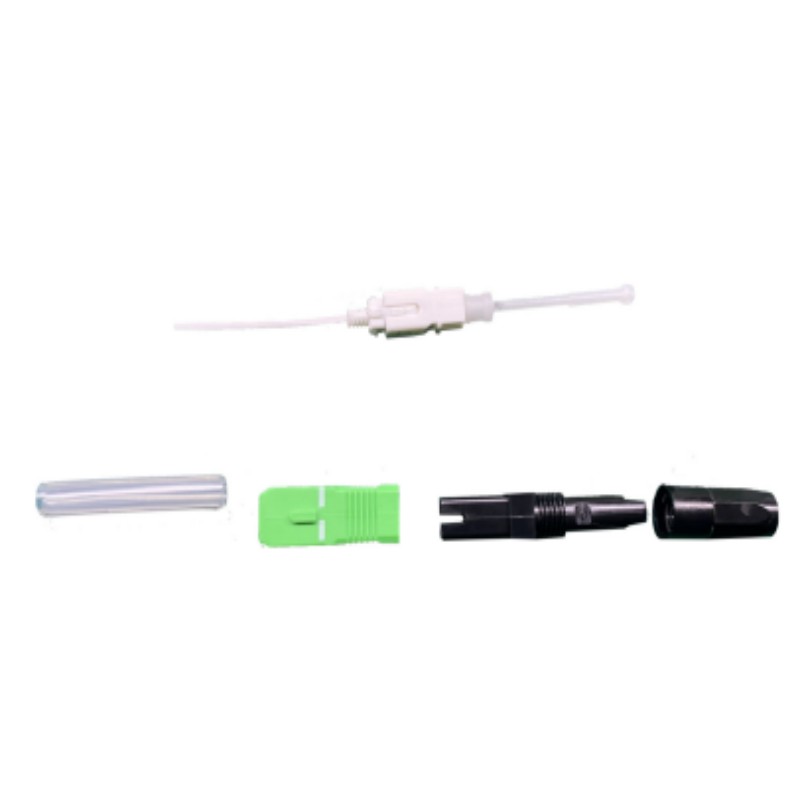 OYI H-Type FTTH Fast Connector
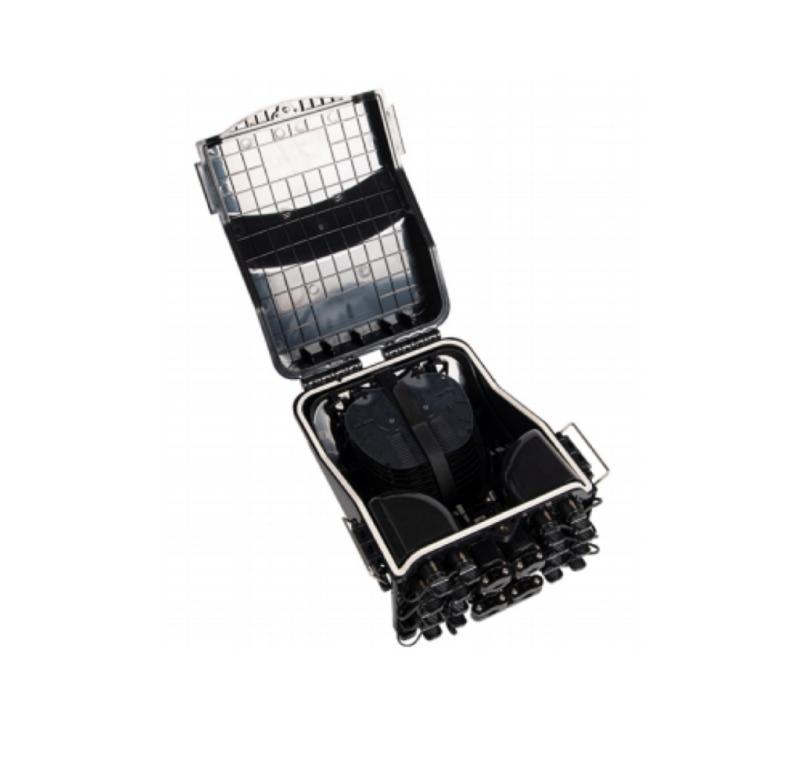 OYI-FATC 16A FTTH Distribution Terminal Box
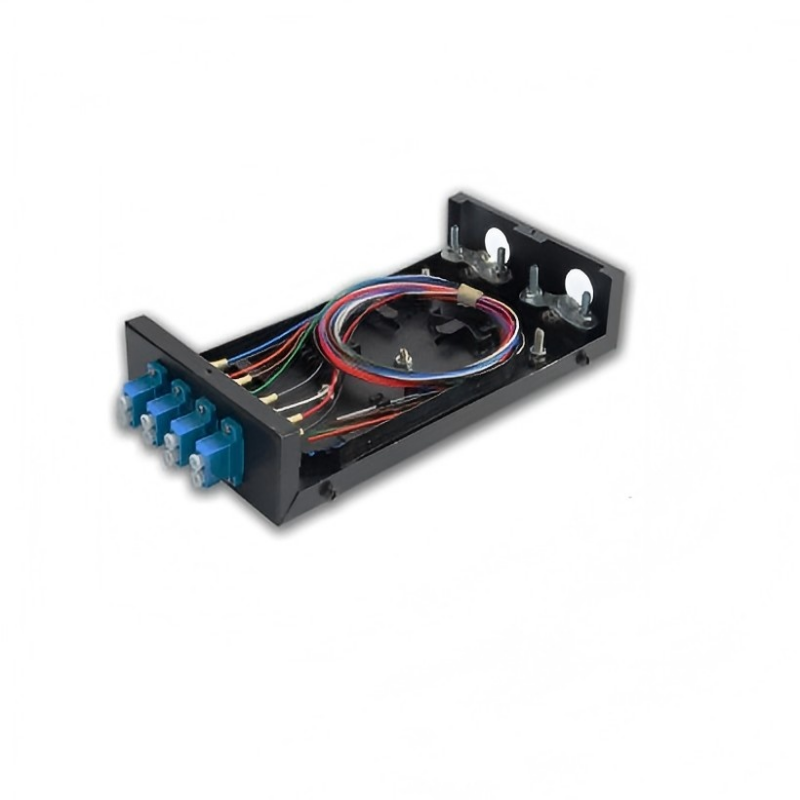 OYI-F402 FTTH Wall Outlet Panel
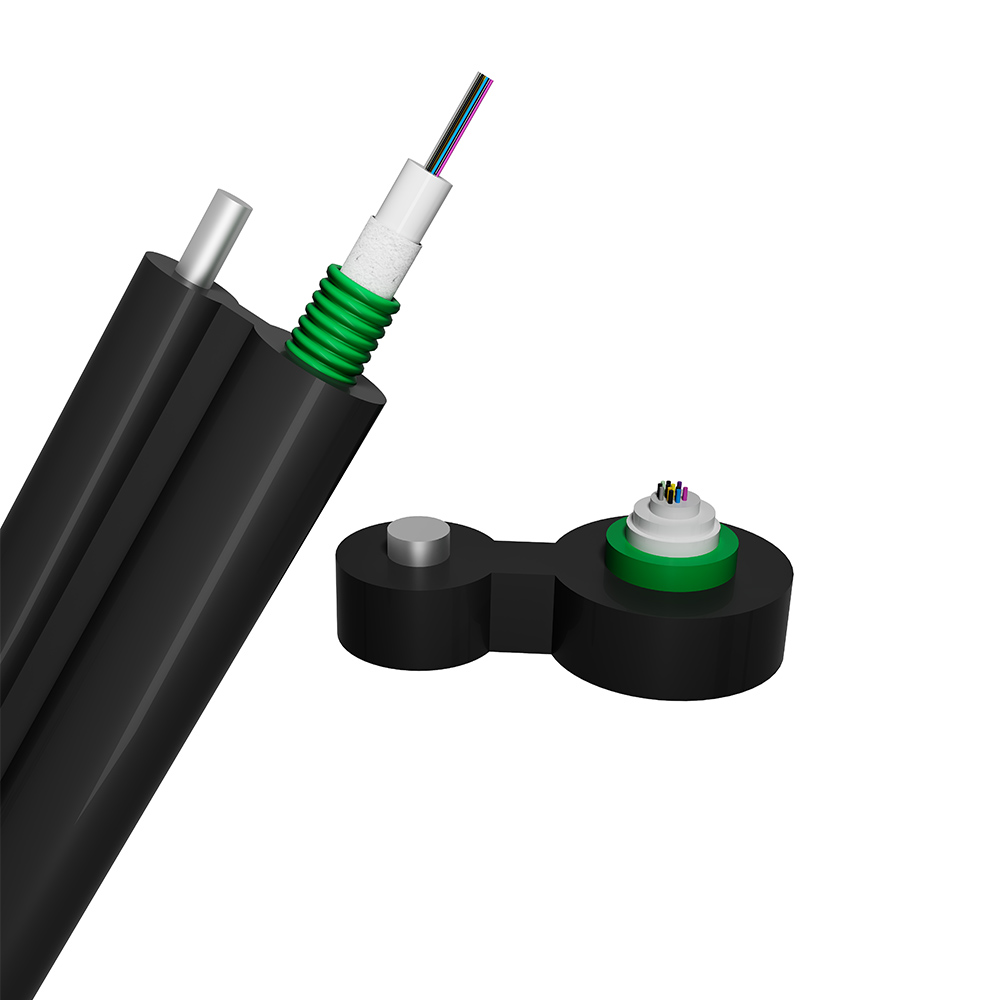 Figure 8 Self-supporting Aerial Fiber Cable
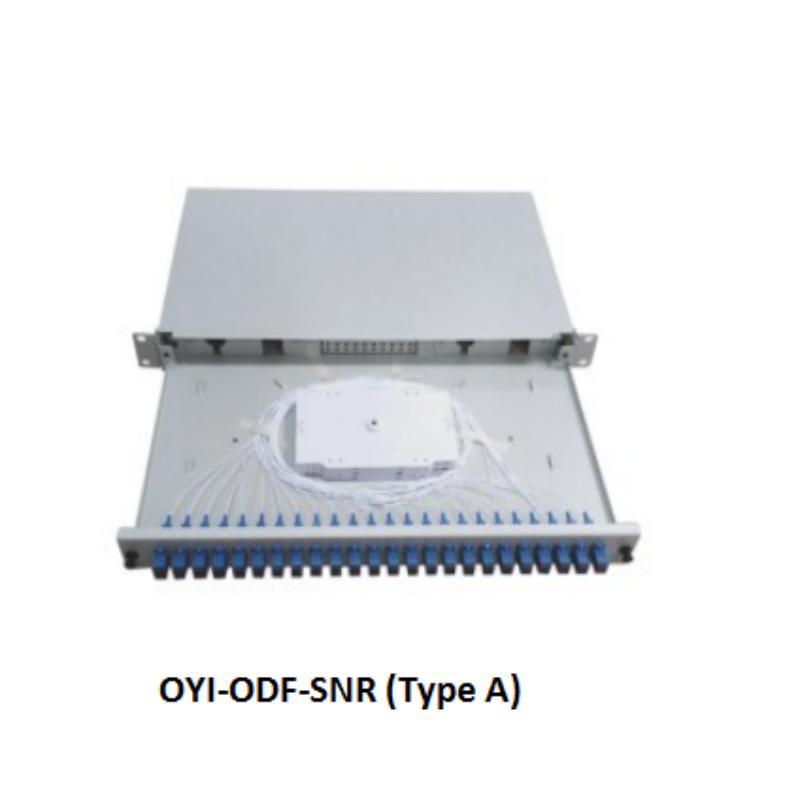 OYI-ODF-SNR Series Distribution Panel
