
 0755-23179541
  sales@oyii.net
.png) 8618926041961
8618926041961Featured Core Signal Conversion Solutions
Understanding the Crucial Role of Attenuators in Fiber-To-Copper Media Conversions
In modern telecommunications, bridging the gap between fiber optic networks and copper-based Ethernet infrastructures is a fundamental requirement. Fiber-to-copper media converters serve as the vital link, translating optical signals into electrical impulses to enable high-speed data transmission over vast distances. However, as optical signal transmission distances increase, managing the optical power budget becomes highly complex. This is where optical attenuators play a critical role. When deploying long-distance fiber optic links, transceivers must emit powerful laser signals to ensure the light reaches its destination. However, if the physical distance between the transmitter and the receiver is shorter than the design limit, or if the receiver is highly sensitive, the incoming optical power can exceed the receiver's threshold. An optical attenuator is essential to reduce this optical power to a safe and optimal level, preventing receiver saturation and ensuring stable data conversion.
Without the precise calibration provided by an optical attenuator, media converters can suffer from signal clipping, increased Bit Error Rates (BER), and in worst-case scenarios, permanent damage to the sensitive photodiode receiver. In industrial environments, where network downtime can translate into significant financial losses, the integration of high-reliability attenuators within fiber-to-copper media converter setups is not just a best practice—it is an absolute necessity. By carefully controlling the attenuation level, network engineers can maintain the delicate balance between signal strength and receiver sensitivity, ensuring seamless, long-term performance.
Prevents Receiver Saturation
Ensures that high-power optical signals from long-distance transmitters do not overwhelm sensitive media converter photodiodes.
Extends Hardware Lifespan
Protects active components from thermal stress and physical degradation caused by excessive optical power exposure.
Optimizes Signal Quality
Reduces Bit Error Rates (BER) and maintains the optimal dynamic range for clean, reliable data conversion.
Industrial Status and Commercial Trends in Fiber Signal Conversions
The global demand for high-bandwidth connectivity has driven rapid expansion in optical networks, particularly in metropolitan, industrial, and enterprise environments. The transition from legacy copper systems to fiber backbones has created a massive market for media converters. As a result, the commercial significance of optical attenuators has grown proportionally. Today, network operators are deploying mixed-media architectures where long-distance single-mode fiber links terminate at local distribution centers, converting to copper Ethernet for short-range distribution. This scenario is highly common in smart cities, security surveillance networks, and industrial automation systems.
In terms of development trends, the market is moving toward highly integrated and intelligent signal management solutions. Modern optical attenuators are no longer just simple passive components; they are increasingly engineered to support high-density configurations, broad wavelength operation (ranging from 1260px to 1625px), and precise attenuation tolerances. Furthermore, the integration of Variable Optical Attenuators (VOAs) is gaining traction. VOAs allow real-time adjustments to optical power levels, making them ideal for dynamic network environments where routing paths and signal strengths fluctuate. This flexibility is essential for maintaining network stability without manual intervention, aligning with the industry's push toward automated, self-healing networks.
The Economics of Signal Management
From a commercial perspective, using optical attenuators is a highly cost-effective strategy. The cost of a passive optical attenuator is negligible compared to the cost of replacing a damaged optical transceiver on a media converter or experiencing network downtime. By implementing proper attenuation, telecommunication companies and enterprise network administrators can significantly reduce their Operational Expenditure (OpEx). It minimizes the frequency of maintenance cycles and truck rolls, ensuring that the network infrastructure remains robust and reliable over its intended lifecycle.
Deep-Dive Application Scenarios of Attenuators in Media Converter Links
To fully appreciate the value of optical attenuators in fiber-to-copper media converter setups, it is helpful to examine specific industrial and commercial deployment scenarios:
1. Metropolitan Area Networks (MAN) and FTTx Infrastructure
In metropolitan networks, telecom operators run fiber lines over tens of kilometers to bring high-speed internet to residential and commercial hubs. At the local distribution point, media converters translate the optical signal to copper Ethernet to feed individual buildings. Since the distance from the central office to different distribution points varies, the optical power arriving at each media converter is different. Attenuators are installed at closer nodes to normalize the power levels, ensuring that all converters, regardless of distance, receive a uniform, safe optical signal.
2. Industrial IoT and Smart Manufacturing
Industrial environments are notorious for high levels of electromagnetic interference (EMI), which can degrade electrical signals over copper lines. To combat this, factories use fiber optic cabling for long-distance communication backbones. However, localized machinery, Programmable Logic Controllers (PLCs), and sensors typically interface via copper Ethernet. Media converters are deployed in control cabinets to bridge these systems. Because the physical layout of a factory floor may involve relatively short runs of high-grade single-mode fiber, the transmitter power can easily saturate the receiver. Fixed optical attenuators are integrated directly into the cabinet patch panels to safeguard the media converters and maintain continuous, low-latency control communications.
3. Highway and Rail Transit Monitoring Systems
Transportation networks utilize fiber optic cables along tracks and roadways to connect surveillance cameras, toll booths, and emergency phone stations back to a central control center. These networks span vast distances, requiring high-power optical transceivers. At each camera node, a media converter converts the optical signal to copper to connect the IP camera. Because the system utilizes standard long-range transceivers across all nodes to simplify inventory, nodes located closer to the control center must be equipped with optical attenuators to reduce power levels, preventing receiver degradation and ensuring constant video feeds.
Oyi International Co., Ltd. - Company Profile
Oyi international., Ltd. is a dynamic and innovative fibre optic cable company based in Shenzhen, China. Since its inception in 2006, OYI has been dedicated to providing world-class fibre optic products and solutions to businesses and individuals across the globe. Our Technology R&D department has more than 20 specialized staff committed to developing innovative technologies and providing high-quality products and services. We export our products to 143 countries and have established long-term partnerships with 268 clients.
Our products are widely used in telecommunications, data center, CATV, industrial and other areas. Our main products include various types of optical fiber cables, fiber optic linkers, fiber distribution series, fiber optic connectors, fiber optic adapters, fiber optic couplers, fiber optic attenuators, and WDM series. Not only that, our products cover ADSS, ASU, Drop Cable, Micro Duct Cable, OPGW, Fast Connector, PLC Splitter, Closure, FTTH Box, etc. In addition, we provide our customers with complete fiber optic solutions, such as Fiber to the Home (FTTH), Optical Network Units (ONUs), and High Voltage Electrical Power Lines. We also provide OEM designs and financial support to help our customers integrate multiple platforms and reduce costs.
Years in Industry
R&D Personnel
Exporting Countries
Cooperative Clients
About Oyi - Manufacturing and Facility Showcases


Company Philosophy & Manufacturing Facility
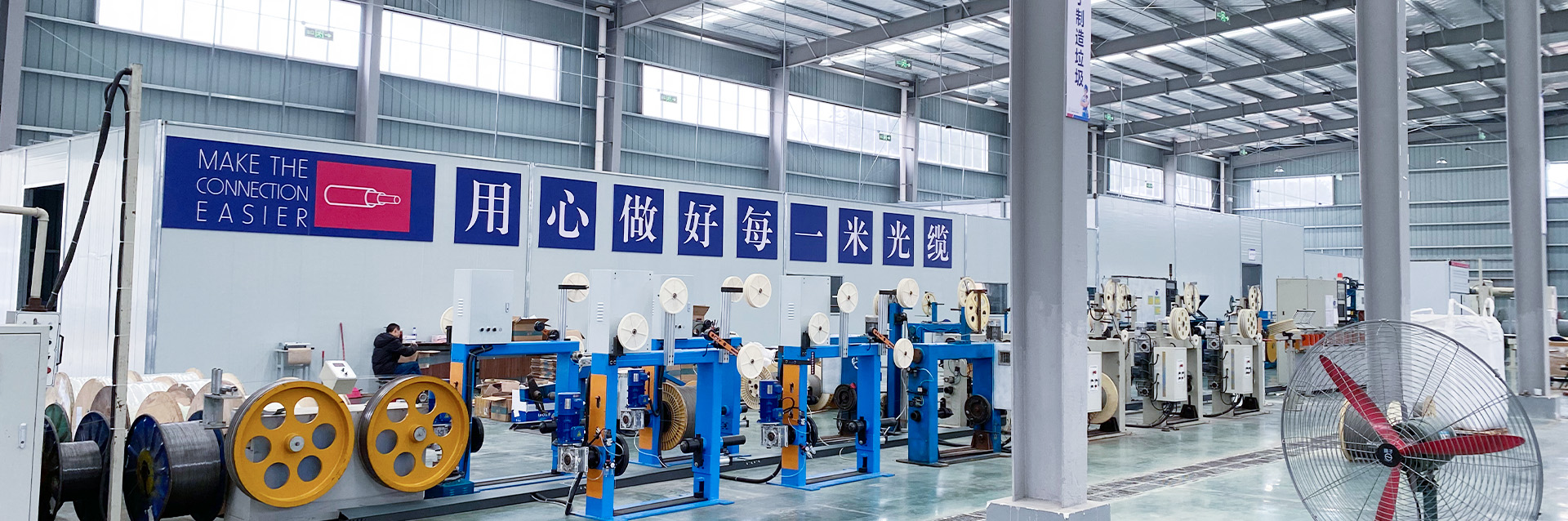
We are committed to innovation and excellence. Our team of experts are constantly pushing the boundaries of what’s possible, ensuring that we remain at the forefront of the industry. We invest heavily in research and development to ensure that we are always one step ahead of the competition. Our cutting-edge technology allows us to produce fibre optic cables that are not only faster and more reliable, but also more durable and cost-effective.
Our advanced manufacturing process ensures that our fibre optic cables are of the highest quality, guaranteeing lightning-fast speeds and reliable connectivity. Our commitment to excellence means that our customers can always rely on us to provide them with the best possible solutions.
If you’re looking for a reliable, high-speed fibre optic cable solution, look no further than OYI. Contact us now to see how we can help you stay connected and take your business to the next level.
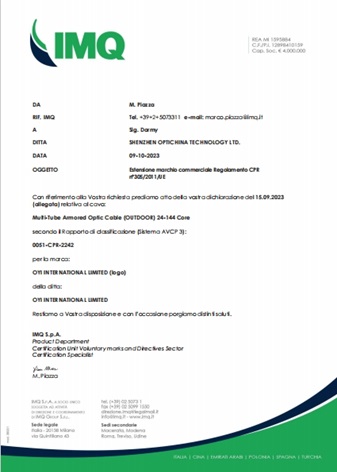
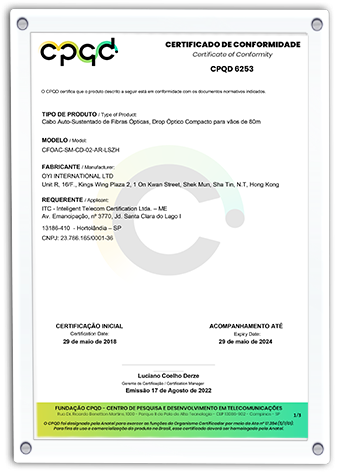
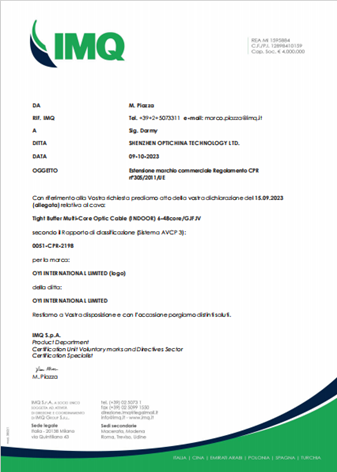
The Company has Obtained Certification



Complete Fiber Optic Product Portfolio
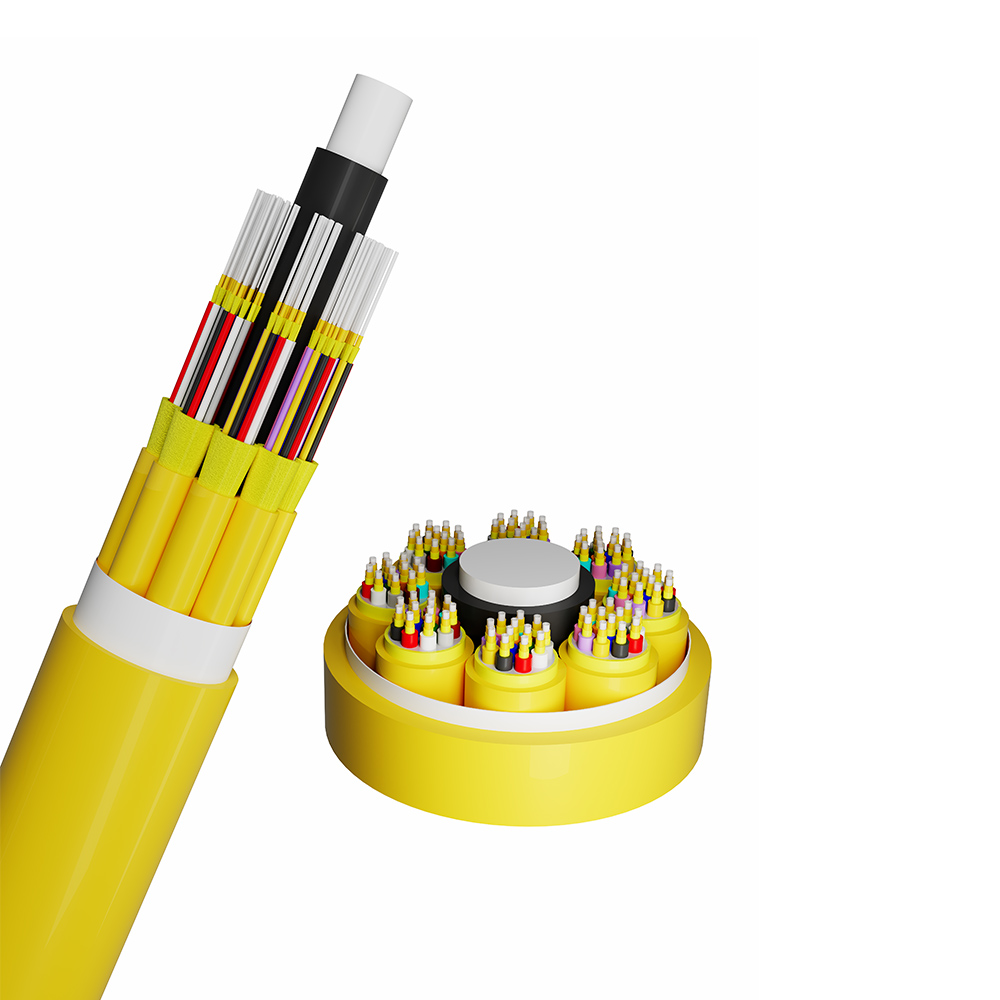 Multi Purpose Distribution Cable GJPFJV(GJPFJH)
 OYI-FAT H08C Distribution Box
 OYI-FOSC-D108H-B PLC Splitter Closure
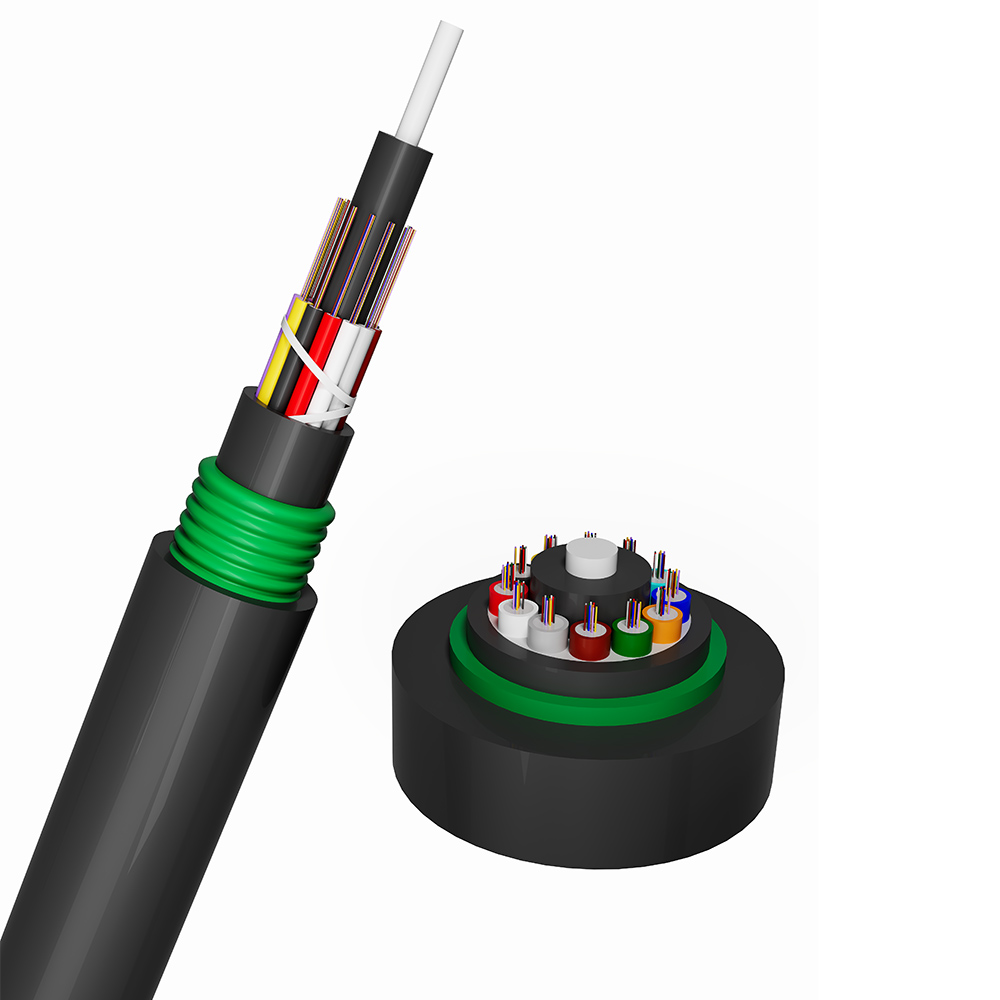 Non-metallic Strength Member Armored Cable
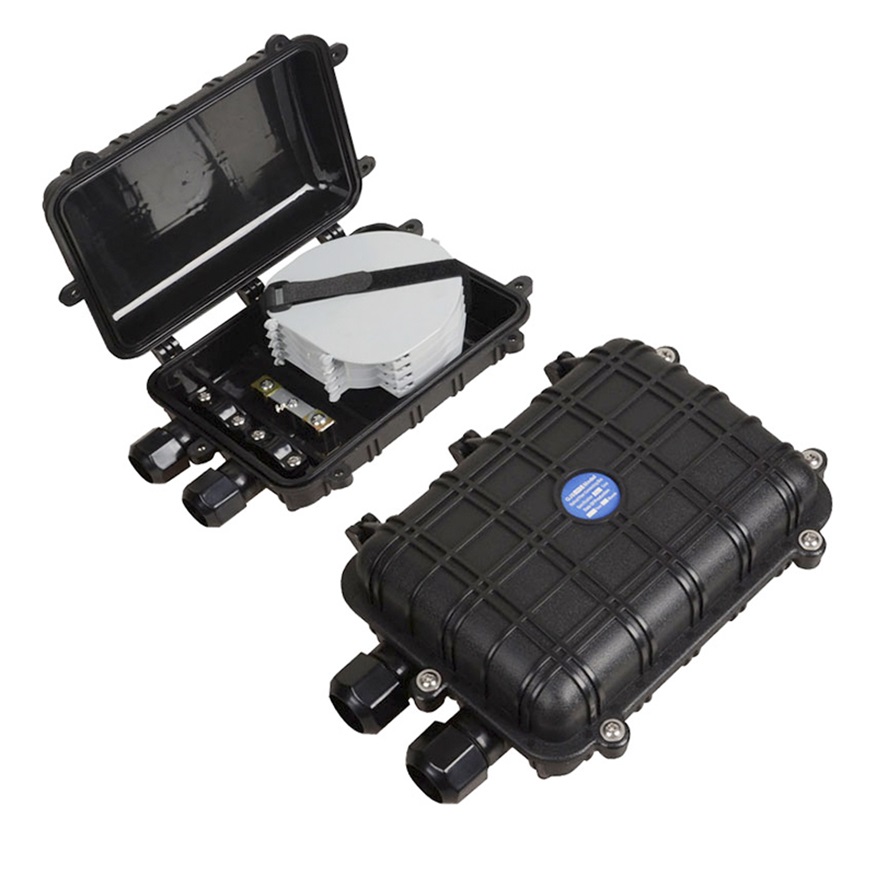 OYI-FOSC-H06 Horizontal Splice Closure
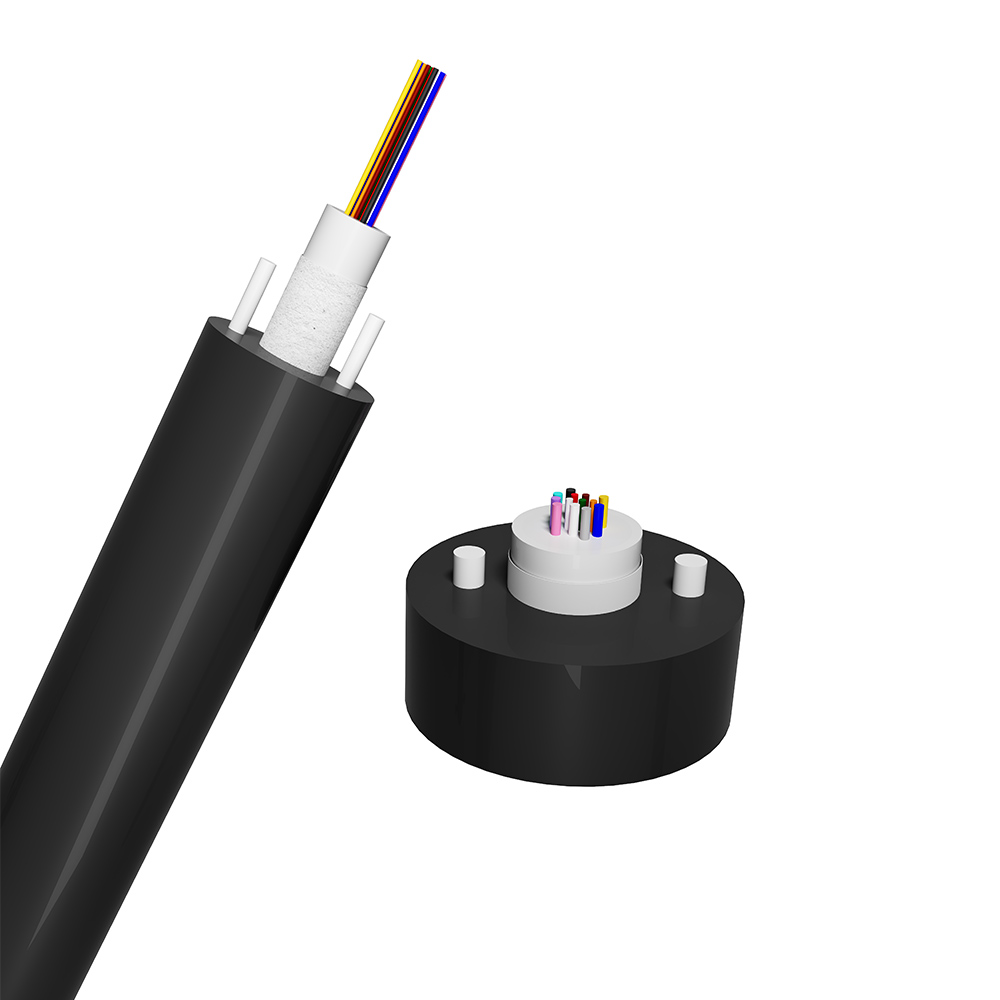 Central Loose Tube Non-metallic & Non-armored Fiber Cable
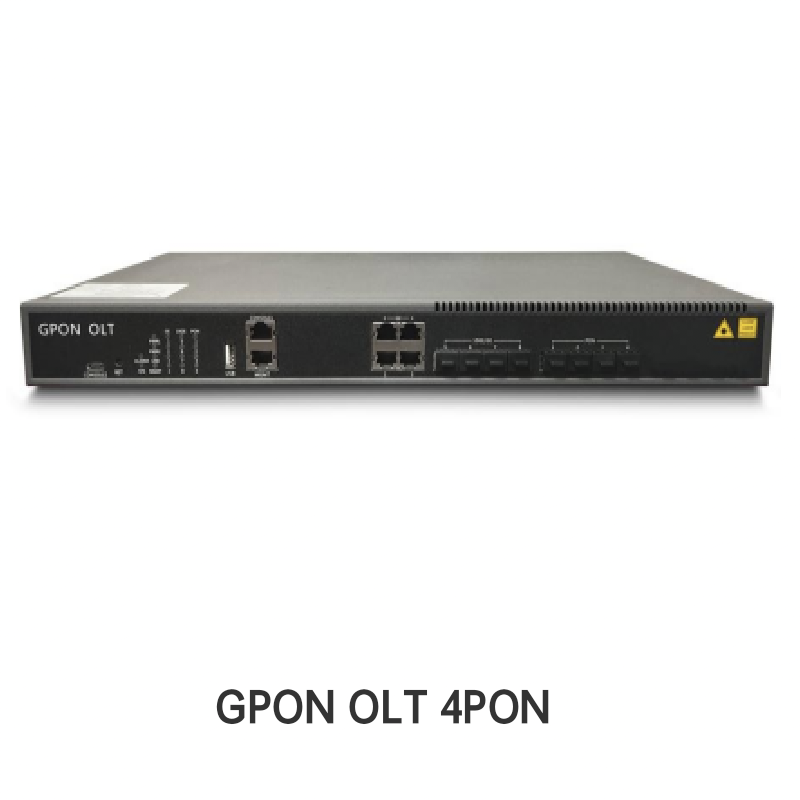 GPON OLT Series Datasheet
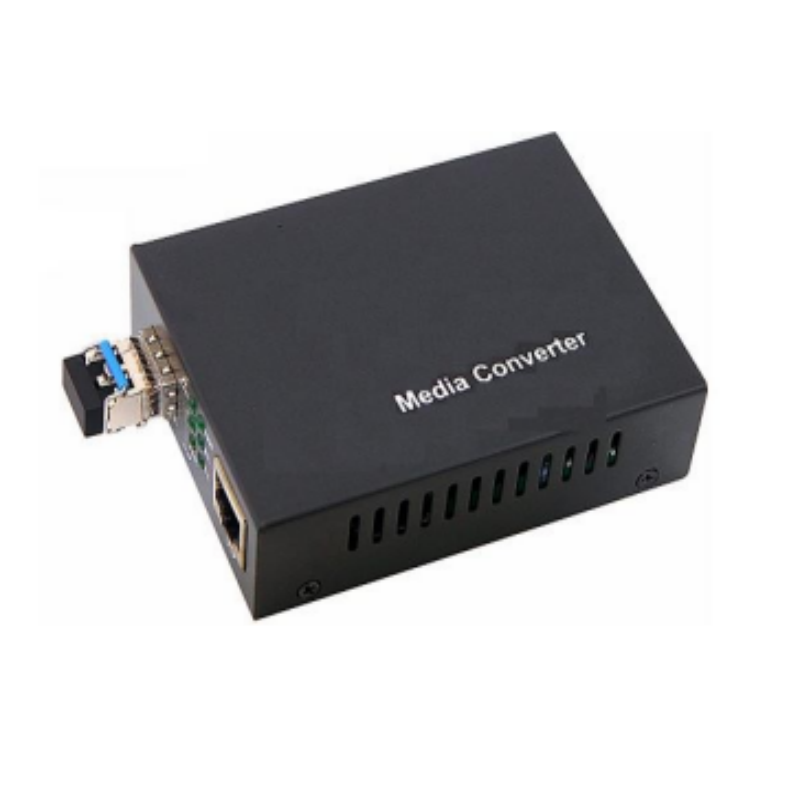 10/100/1000M Fiber-To-Copper Media Converter
