
 0755-23179541
  sales@oyii.net
.png) 8618926041961
8618926041961The Role of ADSS Cable in Modern Residential FTTH Access Networks
As the global demand for high-speed internet escalates, Fiber-to-the-Home (FTTH) has emerged as the definitive solution for residential connectivity. Within these networks, the selection of the correct transmission medium is crucial for ensuring low latency, high bandwidth, and long-term durability. All-Dielectric Self-Supporting (ADSS) cables have revolutionized how telecommunication operators and internet service providers (ISPs) construct aerial optical distribution networks. Unlike traditional aerial cables, ADSS cables are designed to support their own weight without the need for metallic messenger wires, making them ideal for deployment in residential and suburban zones where power utility infrastructure is already established.
The utility of ADSS cable lies in its dielectric construction. Built using high-tensile aramid yarns and robust polyethylene jackets, these cables provide excellent resistance to environmental hazards, such as wind-induced vibration, ice loading, and extreme UV exposure. When deployed in residential FTTH access networks, ADSS cables allow installers to share existing electrical poles safely. Since they contain no metal components, they do not require electrical grounding, minimizing installation time, reducing material costs, and eliminating the risk of electrical hazards during high-voltage surges or lightning strikes.
All-Dielectric Material Structure
Constructed completely without metal components, preventing electromagnetic interference and eliminating electrical grounding requirements near power lines.
Self-Supporting Design
Eliminates the need for external steel messengers, dramatically cutting down labor costs and accelerating aerial deployment processes.
Extreme Weather Resilience
Engineered with aramid strength members to withstand high wind speeds and heavy ice loads without sagging or fiber degradation.
Industrial & Commercial Status of ADSS Cable Deployment
From a commercial perspective, the deployment of residential FTTH access networks represents a significant capital expenditure (CAPEX) for telecom operators. Excavation and trenching for underground fiber optic cables are often cost-prohibitive, particularly in suburban, rural, or densely built residential neighborhoods. Consequently, aerial fiber deployment has seen a massive resurgence. ADSS cables sit at the very center of this shift, offering an optimized balance between long-term reliability and low initial investment.
The global market for ADSS cables is experiencing rapid growth, driven by government-backed broadband initiatives, smart city developments, and the expansion of 5G small cells which rely heavily on underlying FTTH transport networks. By leveraging existing utility poles, operators can roll out gigabit broadband services in a fraction of the time required for underground installations. Furthermore, the operational expenditure (OPEX) is significantly reduced because ADSS cables require minimal maintenance over their typical 25-year lifecycle.
Key Commercial Advantages for Operators:
1. Rapid Time-to-Market: Aerial installation using ADSS cable is up to 5 times faster than underground trenching, allowing operators to monetize their networks sooner.
2. Co-existence with Power Grids: Power utility companies frequently partner with telecom operators, leasing space on medium and low-voltage distribution lines. ADSS cables can be safely installed in the power space of the pole without risking safety violations.
3. Optimized Material Lifecycle: The resistance of ADSS jackets to environmental stress cracking ensures that the signal attenuation remains stable even in harsh environments, reducing service calls and replacement costs.
Deep-Dive Application Scenarios in Residential FTTH
In a typical residential FTTH architecture, the optical signal travels from the central office (CO) through a feeder line, reaches the local distribution point, and finally drops to the subscriber's home. ADSS cables are utilized across multiple segments of this topology:
1. Aerial Distribution Loop
The distribution network connects the optical splitter hubs to local terminal boxes located on poles throughout residential streets. Large-core ADSS cables (ranging from 12 to 144 fibers) are used to span distances between poles, serving as the main arterial pathway. These cables must withstand continuous mechanical stress while preserving the integrity of the delicate glass fibers inside.
2. The Last-Mile Drop Connection
At the final stage of the FTTH network, smaller, lightweight ADSS drop cables are used to bridge the gap between the pole-mounted terminal box (such as the OYI-FTB-10A Terminal Box) and the customer premises. These drop cables must be highly flexible, easy to strip, and compatible with mechanical anchoring clamps (such as the JBG Series Anchoring Clamps) to ensure a secure, sag-free attachment to the home's exterior wall.
3. High-Voltage Corridor Co-location
In many suburban residential developments, access networks must cross high-voltage transmission corridors. Because ADSS cables are constructed from non-conductive materials, they can be hung close to high-voltage lines without the risk of tracking, corona discharge, or induced currents, providing a safe path for telecom data through industrial-to-residential transitions.
Oyi International Co., Ltd.
Oyi international., Ltd. is a dynamic and innovative fibre optic cable company based in Shenzhen, China. Since its inception in 2006, OYI has been dedicated to providing world-class fibre optic products and solutions to businesses and individuals across the globe. Our Technology R&D department has more than 20 specialized staff committed to developing innovative technologies and providing high-quality products and services. We export our products to 143 countries and have established long-term partnerships with 268 clients.
Our products are widely used in telecommunications, data center, CATV, industrial and other areas. Our main products include various types of optical fiber cables, fiber optic linkers, fiber distribution series, fiber optic connectors, fiber optic adapters, fiber optic couplers, fiber optic attenuators, and WDM series. Not only that, our products cover ADSS, ASU, Drop Cable, Micro Duct Cable, OPGW, Fast Connector, PLC Splitter, Closure, FTTH Box, etc. In addition, we provide our customers with complete fiber optic solutions, such as Fiber to the Home (FTTH), Optical Network Units (ONUs), and High Voltage Electrical Power Lines. We also provide OEM designs and financial support to help our customers integrate multiple platforms and reduce costs.
About Oyi Showcase


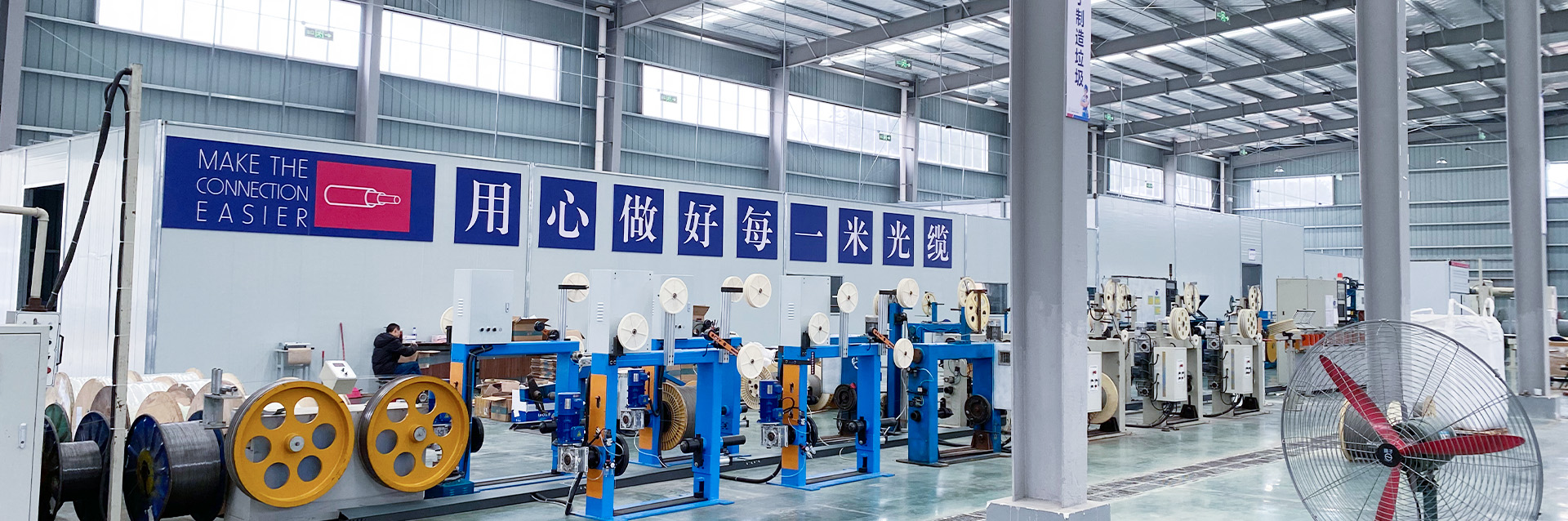
Company Philosophy & Our Factory
We are committed to innovation and excellence. Our team of experts are constantly pushing the boundaries of what’s possible, ensuring that we remain at the forefront of the industry. We invest heavily in research and development to ensure that we are always one step ahead of the competition. Our cutting-edge technology allows us to produce fibre optic cables that are not only faster and more reliable, but also more durable and cost-effective.
Our advanced manufacturing process ensures that our fibre optic cables are of the highest quality, guaranteeing lightning-fast speeds and reliable connectivity. Our commitment to excellence means that our customers can always rely on us to provide them with the best possible solutions.
If you’re looking for a reliable, high-speed fibre optic cable solution, look no further than OYI. Contact us now to see how we can help you stay connected and take your business to the next level.
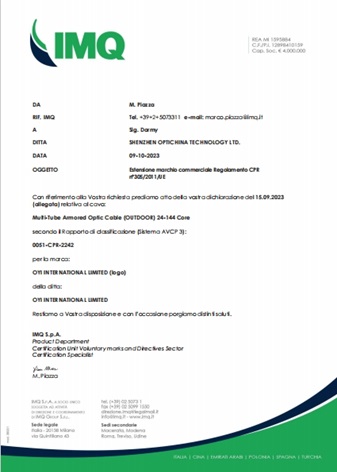
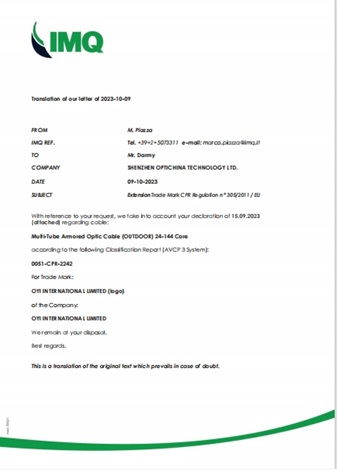
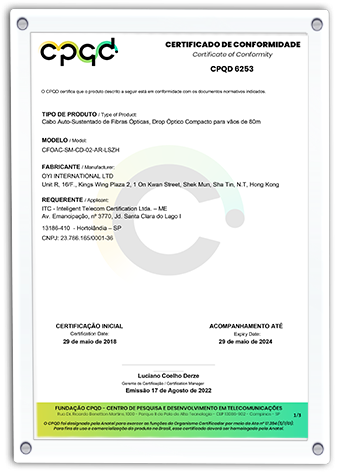
The Company has Obtained Certification
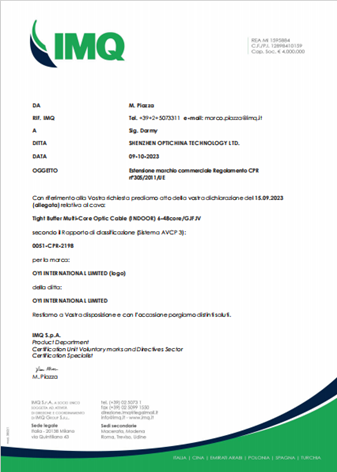
OYI products are manufactured in strict compliance with international standards. Our quality management system and products are certified by reputable global organizations, ensuring safety, reliability, and top-tier performance for all our residential FTTH deployments.


Complete FTTH Access Network Solutions
Explore our full suite of fiber optic products, from high-tensile ADSS cable accessories to optical splitters, termination boxes, and passive components designed to build robust FTTH networks.
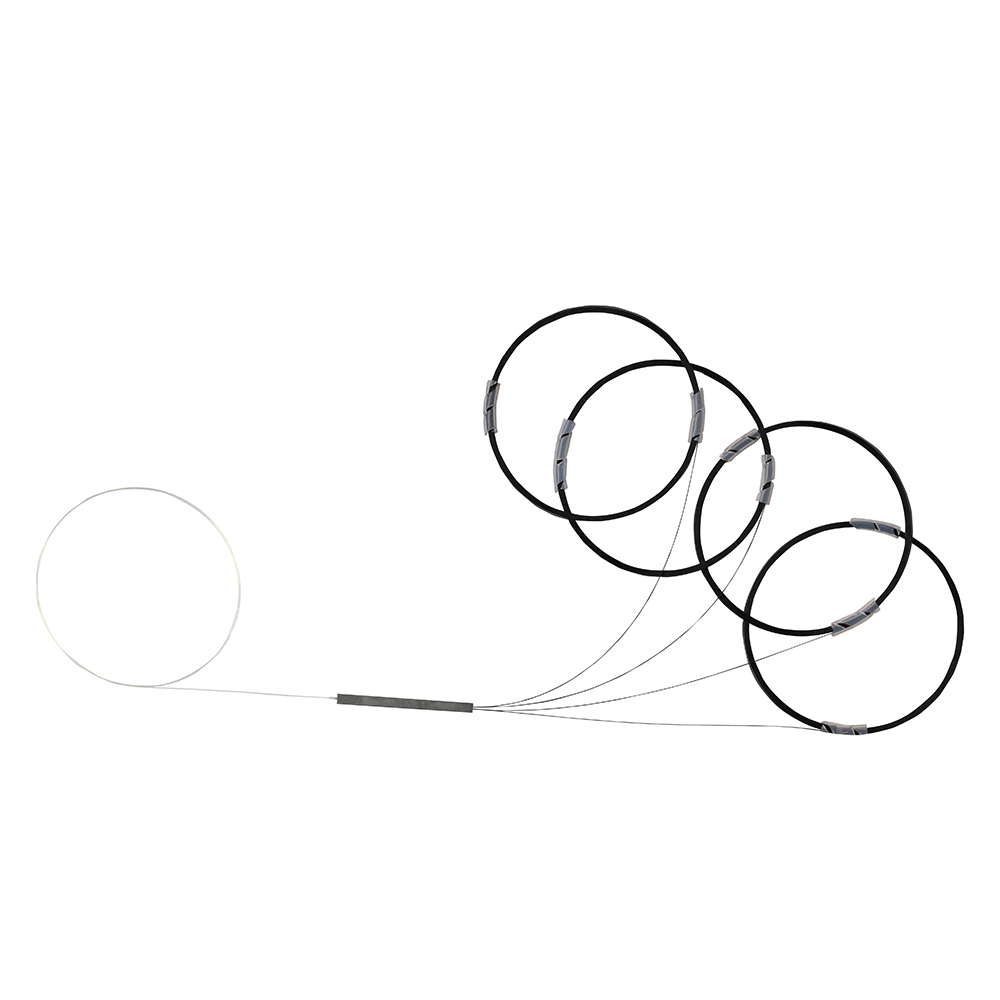 FTTH Residential Bare Fiber PLC Splitter
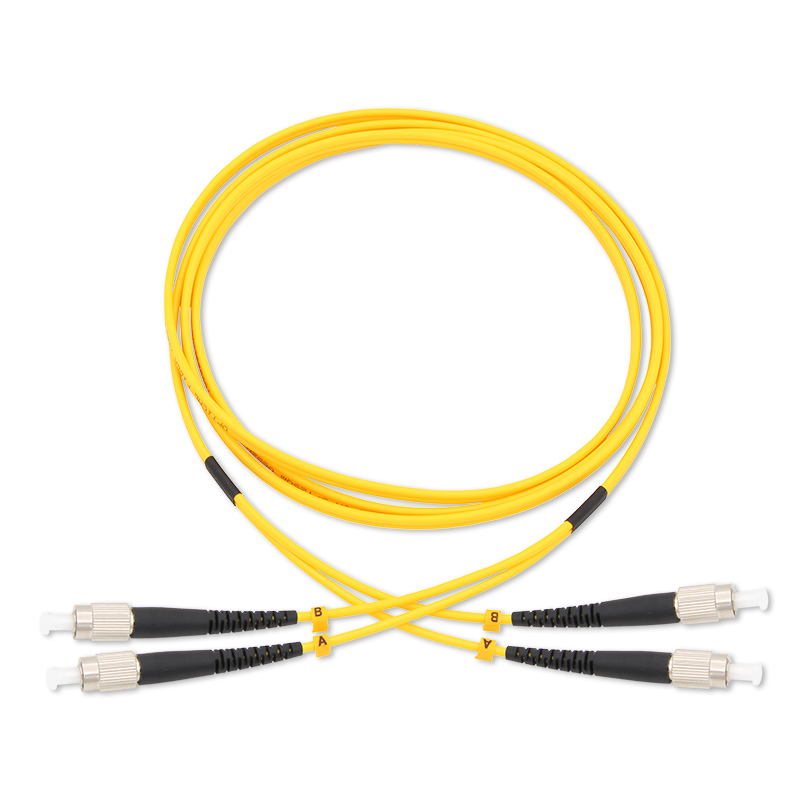 High-Density FTTH Duplex Patch Cord
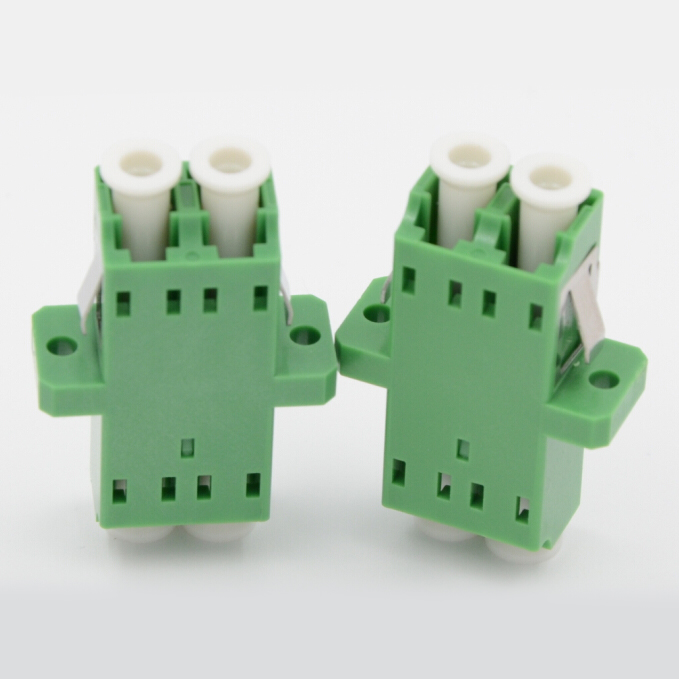 Residential LC Type Fiber Adapter
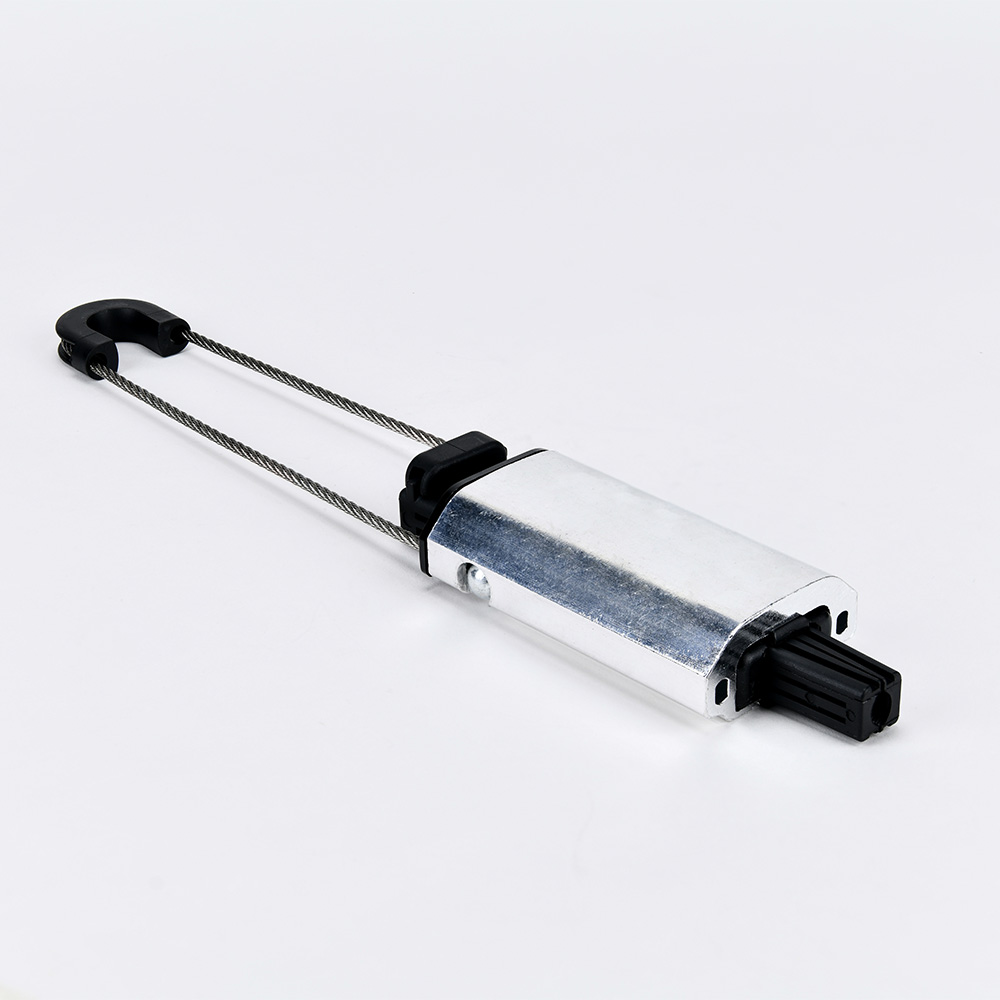 ADSS Cable Anchoring Clamp JBG Series
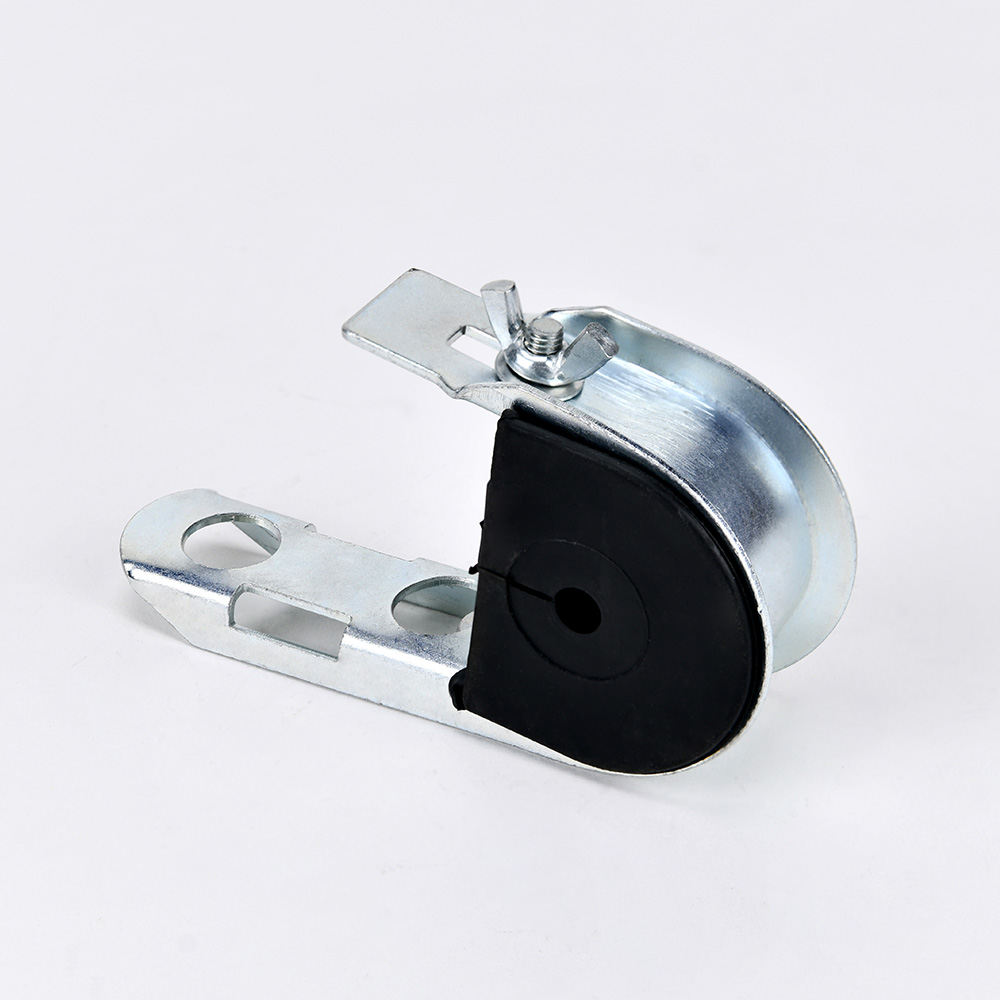 ADSS J Clamp J-Hook Suspension Clamp
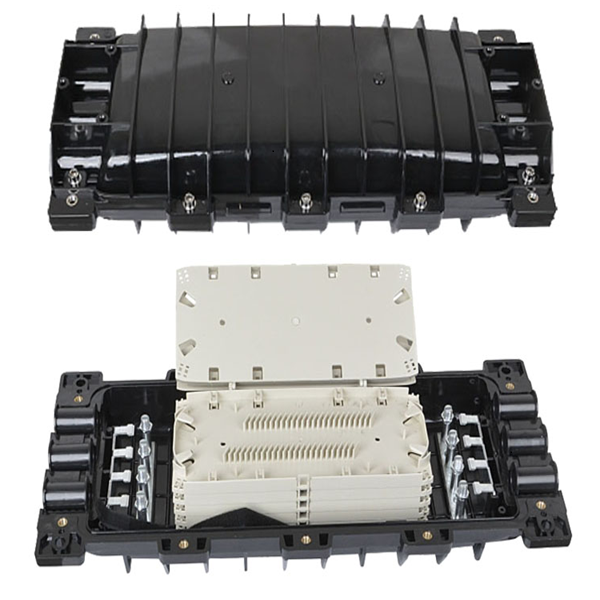 FTTH Aerial Splice Closure OYI-FOSC-H09
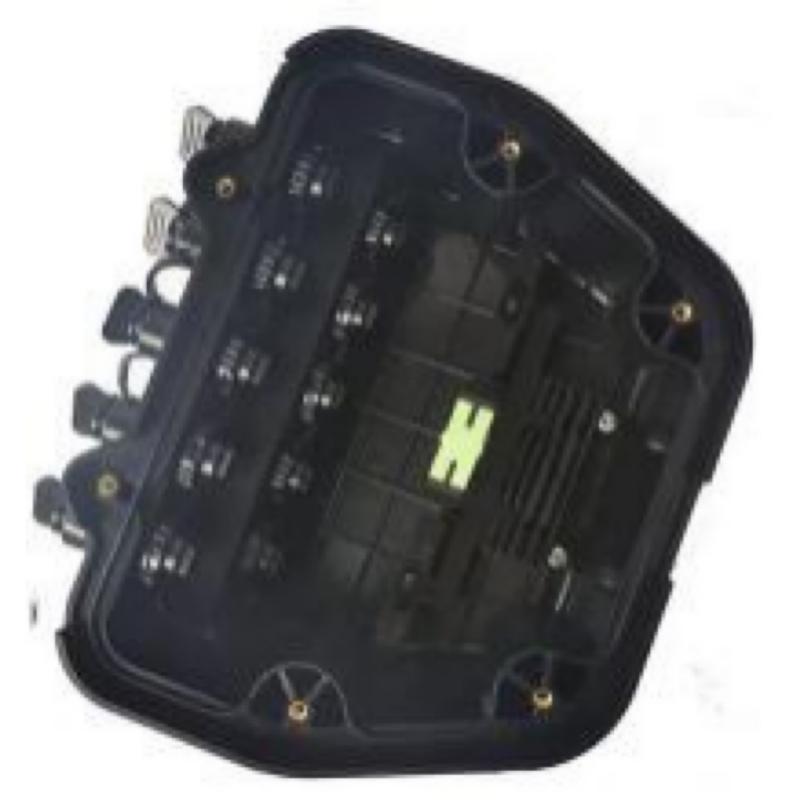 Residential FTTH Terminal Box OYI-FTB-10A
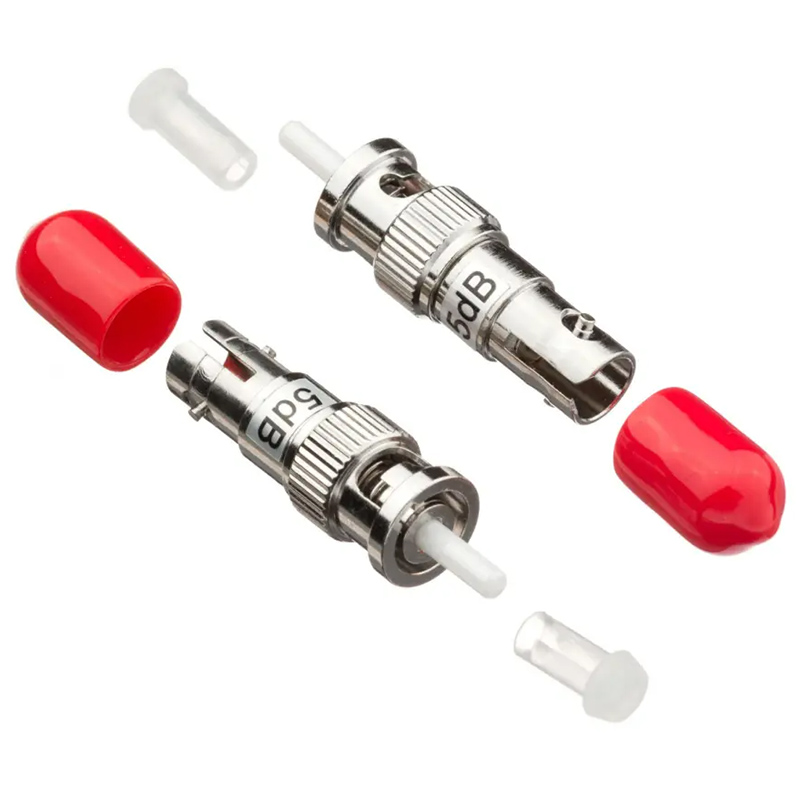 Male to Female ST Attenuator for FTTH Networks
