 0755-23179541
  sales@oyii.net
.png) 8618926041961
8618926041961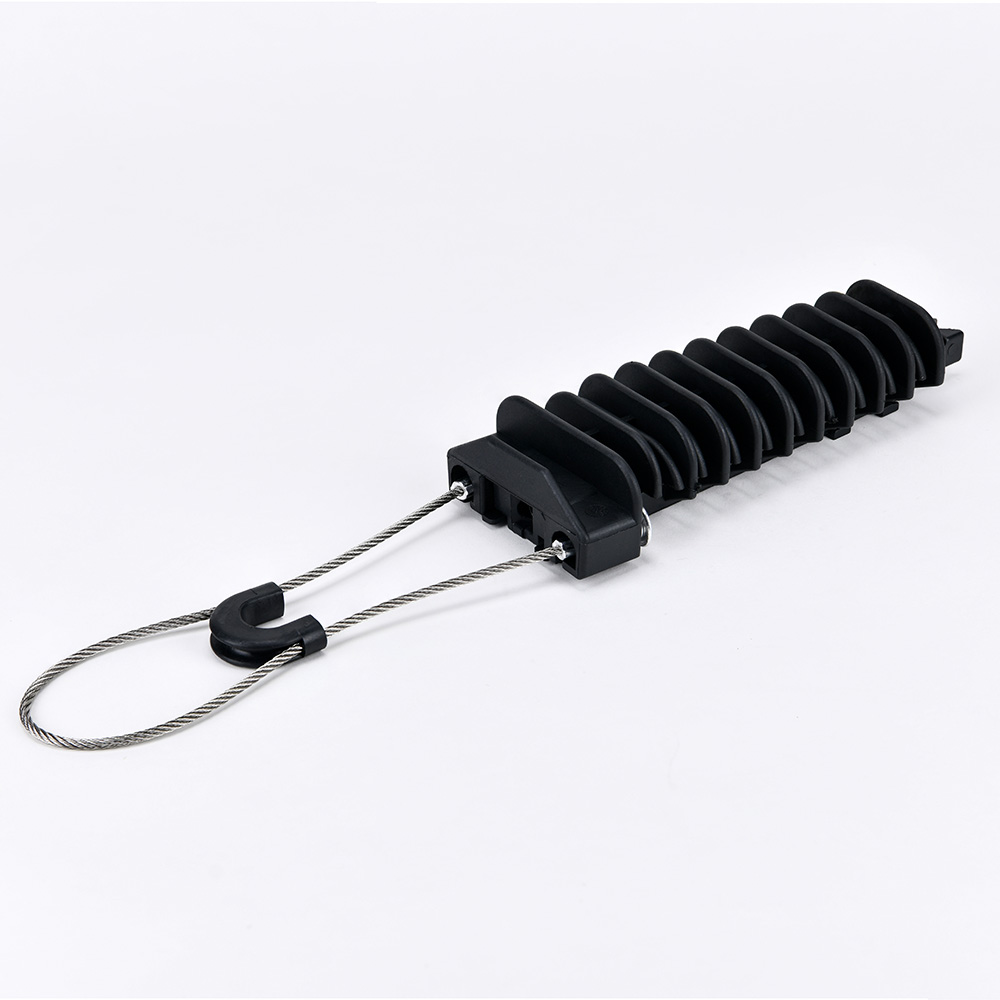
Commercial and Industrial Status of ADSS Cable in Modern Office Infrastructures
In today's hyper-connected corporate world, the demand for high-speed, reliable, and secure data transmission has reached unprecedented heights. Multi-story office buildings serve as the central hubs for multinational corporations, financial institutions, and tech giants. These environments require robust telecommunication infrastructures capable of handling massive bandwidth demands driven by cloud computing, big data analytics, high-definition video conferencing, and real-time IoT (Internet of Things) automation.
Historically, enterprise networks relied heavily on copper cabling or traditional armored fiber optic cables. However, the rise of smart office buildings has shifted the paradigm. Enter the ADSS (All-Dielectric Self-Supporting) cable. While traditionally utilized in outdoor aerial power transmission corridors, the unique characteristics of ADSS cables have paved the way for specialized integration into multi-story office building indoor fiber cabling systems.
Industry Insight: The global transition towards smart buildings and 5G in-building networks is driving a projected CAGR of 12.5% in the deployment of all-dielectric fiber networks. The absence of metallic components makes ADSS cables highly sought-after for complex indoor-outdoor transition pathways where lightning protection and electromagnetic immunity are critical.
Why ADSS Cable is Essential for Multi-Story Office Buildings
Multi-story office buildings present unique structural and electrical challenges. Traditional fiber cables containing metallic strength members can act as conductors for lightning strikes or electrical surges, especially when routed from outdoor aerial poles into indoor server rooms. ADSS cables, being entirely dielectric, eliminate this risk completely. They require no grounding or bonding, which simplifies the installation process and reduces overall deployment costs.
Additionally, high-rise buildings are packed with electromagnetic interference (EMI) sources, such as elevator shafts, heavy-duty HVAC systems, and high-voltage power risers. Traditional cables can suffer from performance degradation under severe EMI conditions. ADSS cables, constructed with aramid yarns and glass-reinforced plastic (GRP) strength members, are completely immune to electromagnetic interference, ensuring consistent, error-free gigabit data transmission throughout the building.
EMI Immunity
Complete resistance to electromagnetic interference from elevators, HVAC, and power lines, preserving signal integrity.
All-Dielectric Safety
Eliminates the risk of electrical surges and lightning strikes transitioning from outdoor aerial lines to indoor networks.
High Tensile Strength
Supported by advanced aramid yarns, allowing vertical installation across dozens of floors without structural sagging.
Deep Dive into Indoor-Outdoor Application Scenarios
Understanding where and how to deploy ADSS cables in a multi-story office campus is crucial for network architects. Here is a breakdown of the primary application scenarios:
1. Campus-to-Building Aerial Backbone
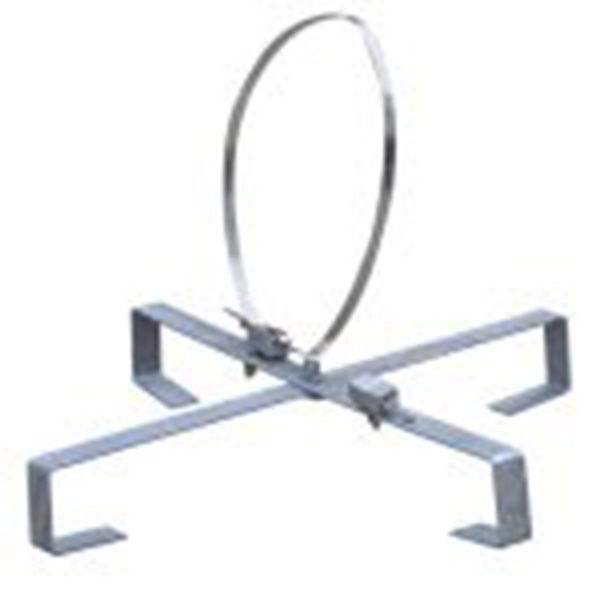
In large corporate campuses featuring multiple multi-story office buildings, optical links must cross open spaces. Laying underground ducts can be prohibitively expensive and disruptive. ADSS cables provide the perfect aerial bridge. They can span long distances between buildings, attached to external structures or poles using high-performance hardware like the Anchoring Clamp PA2000. Once the cable reaches the building exterior, it transitions seamlessly into the indoor riser system without requiring an intermediate splice point, reducing insertion loss and point-of-failure risks.
2. Vertical Riser Shafts in High-Rise Structures
The backbone of any multi-story building is its vertical riser shaft. Cables running vertically must support their own weight over several floors. Traditional cables require extensive clamping and support structures to prevent elongation and fiber damage. The self-supporting nature of ADSS cables, engineered to withstand high wind and ice loads outdoors, translates to exceptional vertical load-bearing capacity indoors. This allows installers to hang the cable through vertical shafts with minimal intermediate support, speeding up deployment and reducing material costs.
3. High-Voltage and Utility Duct Integration
Space is premium in urban multi-story office buildings. Often, telecommunications cables must share pathways with electrical mains, power distribution systems, and building utilities. In such scenarios, using metallic-armored cables is highly restricted due to safety regulations. ADSS cables, being non-conductive, can safely occupy the same conduits or cable trays as high-voltage lines, maximizing space efficiency without compromising safety or data integrity.
Development Trends in Enterprise Indoor Fiber Cabling
As we look towards the future of enterprise networking, several trends are shaping the design of indoor fiber systems:
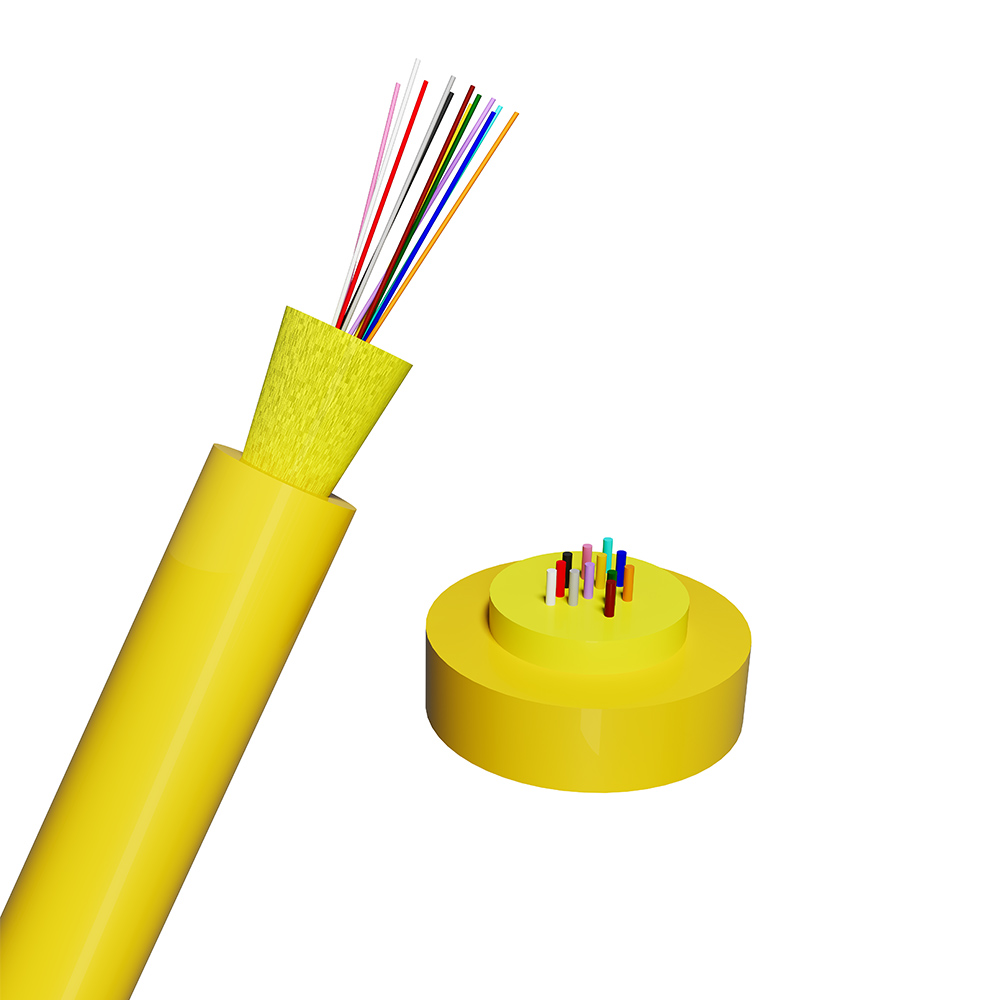
- Micro-Fibre and High-Density Deployments: With space constraints in vertical risers, the demand for micro-cables like the Micro Fiber Indoor Cable GJYPFV(GJYPFH) has surged. These cables pack more fibers into smaller diameters, allowing network expansion within existing ducts.
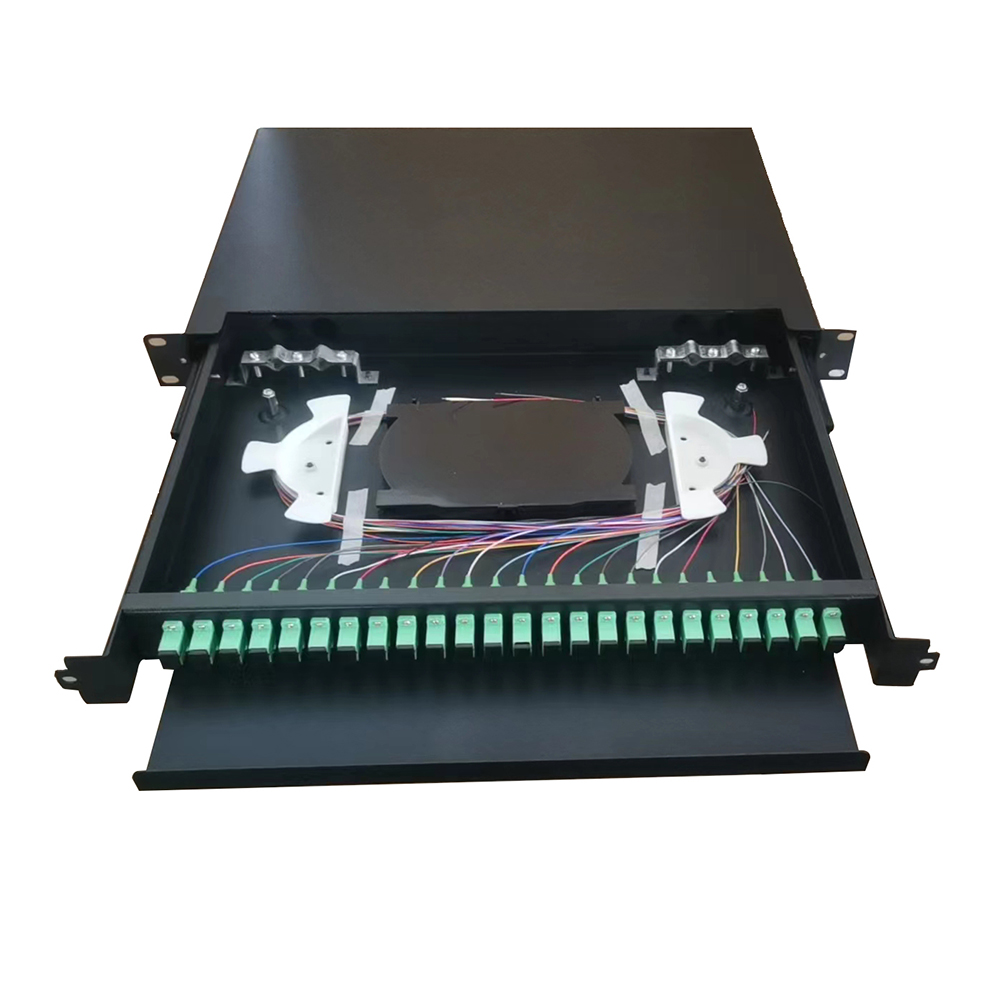
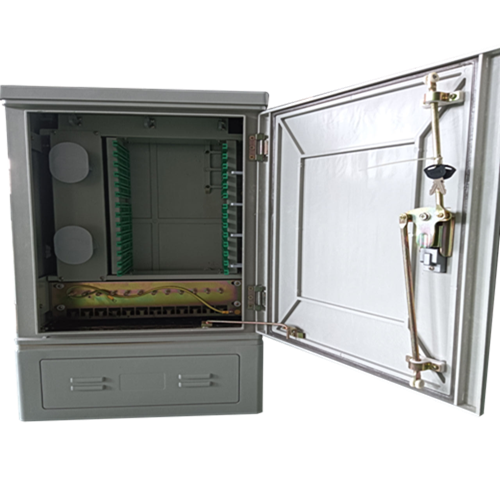
- Pre-Terminated Solutions: To reduce installation time and labor costs, pre-terminated fiber distribution panels (such as the OYI-ODF-SR2-Series Type) are becoming standard, enabling plug-and-play connectivity in telecom rooms.
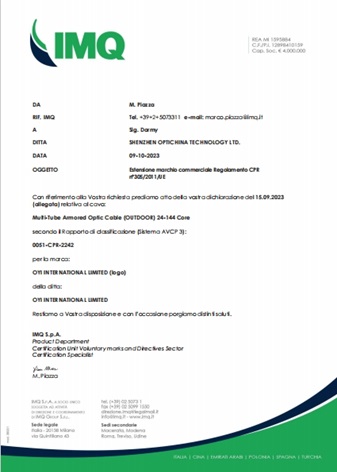
- Green and Low-Smoke Zero-Halogen (LSZH) Materials: Indoor safety regulations mandate the use of flame-retardant, LSZH materials. Modern ADSS and indoor cables are designed to comply with strict CPR (Construction Products Regulation) standards to ensure minimal toxic gas emission during fire incidents.