 0755-23179541
  sales@oyii.net
.png) 8618926041961
8618926041961Essential FTTH Access Network Components
Optimized Simplex Interconnection Solutions
The Role of Simplex Fiber Optic Cable in Modern FTTH Networks
Understanding the Core Technology
High-Density Deployment
Ultra-slim profile allows multiple simplex cables to be routed through narrow conduits inside residential buildings without congestion.
Bend Insensitivity
Utilizes advanced G.657.A2 singlemode glass cores to guarantee minimal signal loss around tight corners and wall moldings.
Cost-Efficiency
Simplifies optical termination, reduces splicing labor costs, and minimizes material waste in residential drop installations.
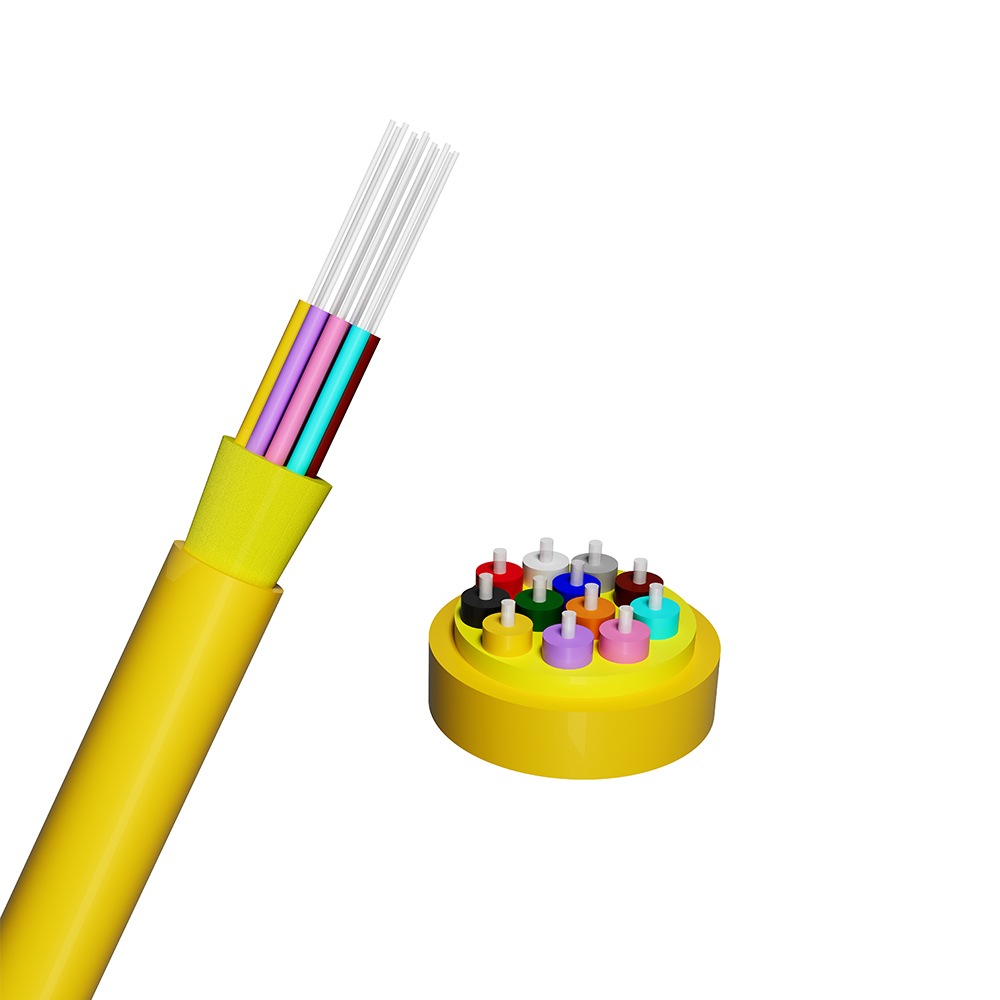
Unlike duplex or multi-core distribution cables, a simplex optical cable focuses entirely on delivering a single, clean pathway. In residential setups, this is ideal for connecting the local optical distribution point (such as a floor box or splice closure) directly to the customer premises equipment (CPE) or the Optical Network Terminal (ONT). The lightweight structure, combined with Low Smoke Zero Halogen (LSZH) jacket materials, ensures that it complies with indoor building safety codes while providing the high tensile strength needed during installation pull-throughs.
Global Market & Commercial Landscape
Driving the Future of Connectivity
The global demand for high-speed residential fiber access has surged dramatically. Telecommunications operators and internet service providers (ISPs) are shifting rapidly from legacy copper-based copper/DSL networks to pure FTTH infrastructures. According to industry reports, the FTTH market is projected to grow at a compound annual growth rate (CAGR) of over 8% in the coming decade.
This growth is driven by the universal adoption of remote working, high-definition 4K/8K video streaming, cloud computing, and real-time smart home automation systems. The simplex fiber optic drop cable represents the critical "last mile" link in this expansion. Manufacturers are optimizing simplex cable designs to be more robust, pre-terminated, and easy to deploy by technicians or even end-users in self-installation kits.
In regions like North America and Europe, strict fire safety regulations require indoor drop cables to have riser or plenum ratings with LSZH properties. In developing telecommunication markets across Asia-Pacific and Latin America, cost-effective aerial-to-indoor simplex drop cables are the primary choice to accelerate broad-scale network deployments.
Oyi International., Ltd.
Global Fiber Optic Solutions Leader
Deep Application Scenarios in FTTH Deployments
Where Simplex Fiber Optic Cables Excel
Indoor Drop Routing (MDU/SFU)
In Multi-Dwelling Units (MDUs) and Single Family Units (SFUs), simplex cables route optical signals from floor-level distribution boxes directly into individual living rooms through conduits or along baseboards.
Optical Wall Outlet Panel Connections
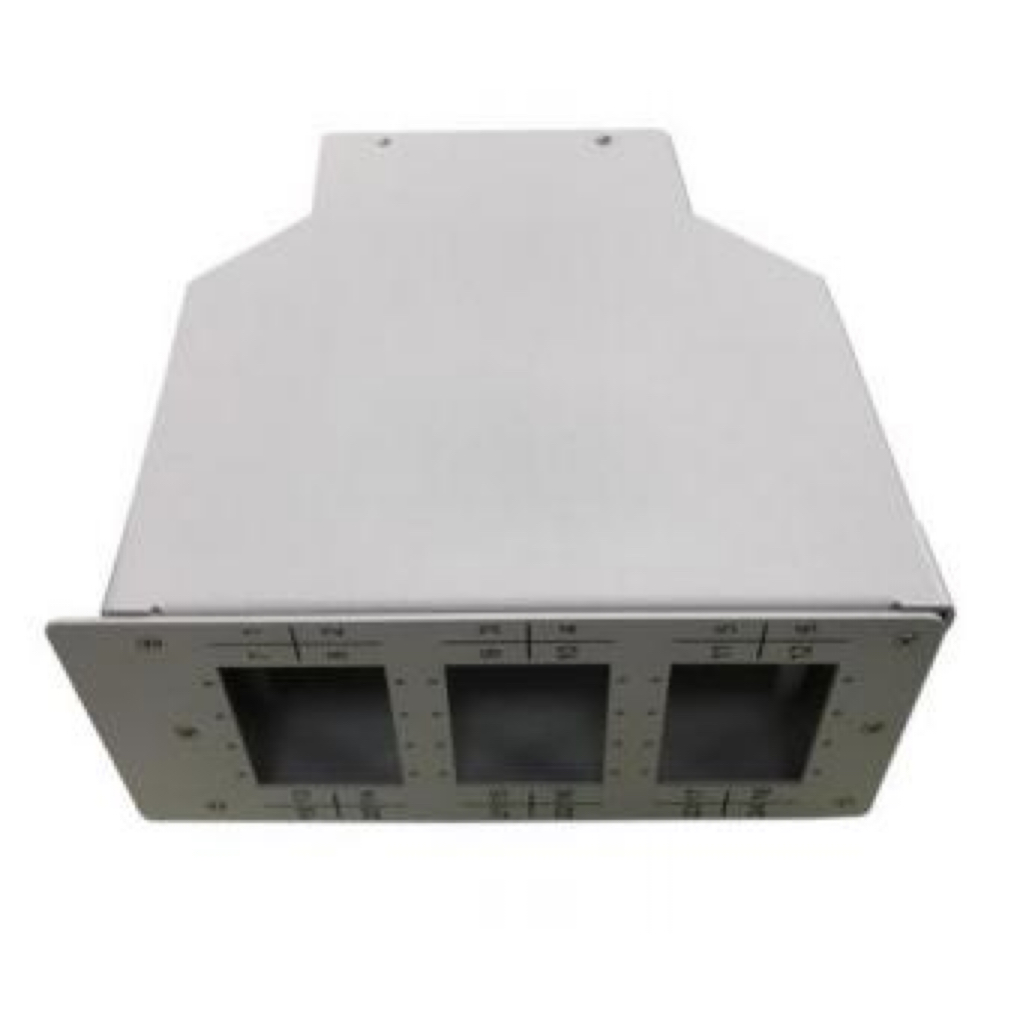
Simplex cables terminate inside standard wall faceplates (like the OYI-F402 Panel), providing a clean, protected optical interface for residential users to connect patch cords safely.
ONT & Gateway Interconnect
They serve as the direct link between the optical terminal box and the active ONT/ONU device, ensuring high-speed optical-to-electrical signal conversion for home Wi-Fi networks.
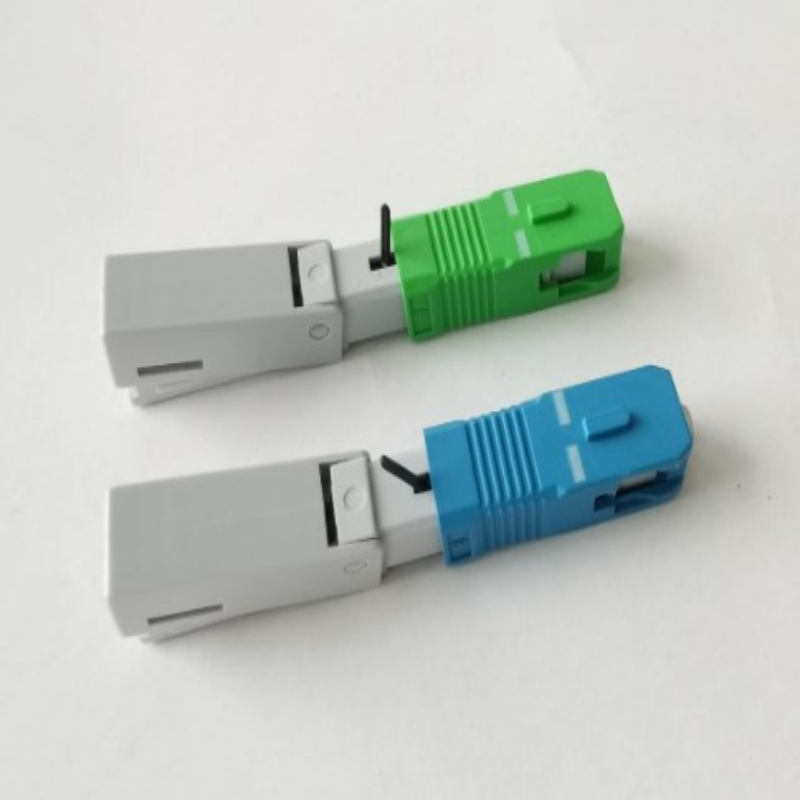
Thanks to their flexibility, simplex fiber cables can be terminated using field-installable connectors (such as the OYI J Type Fast Connector). This eliminates the need for expensive fusion splicing machines inside residential homes, allowing field technicians to complete the connection quickly and cleanly, reducing installation time and footprint.
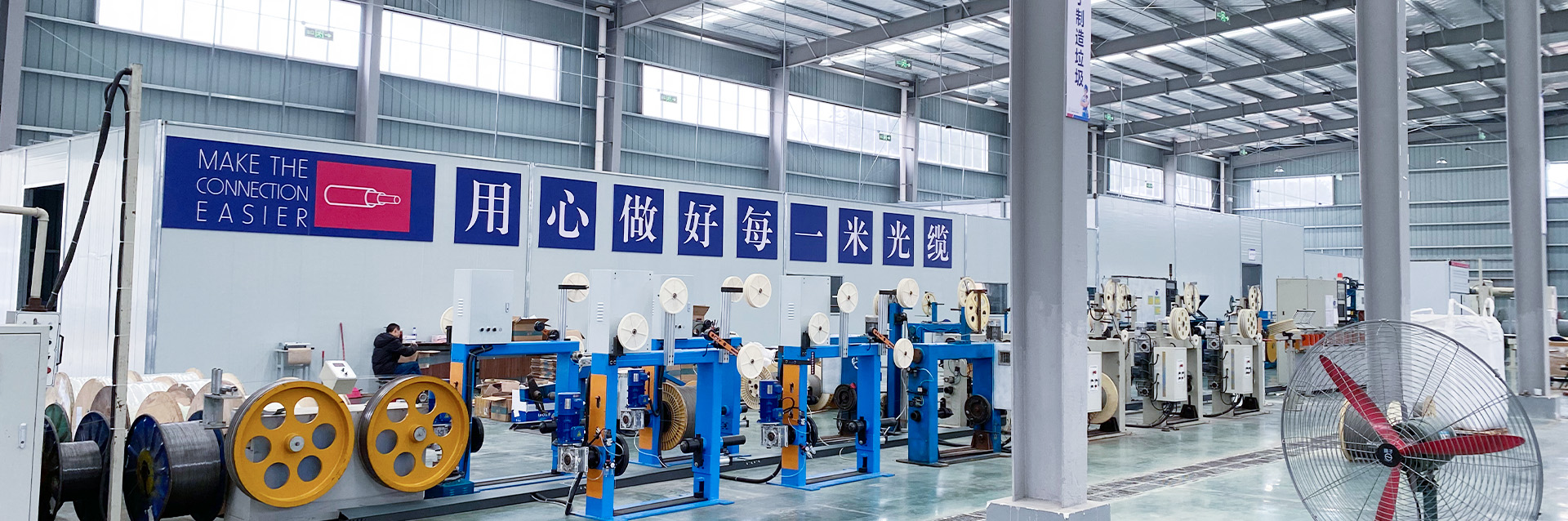
Our Factory & Manufacturing Excellence
State-of-the-Art Production Facility


Technical Specifications & Performance Standards
Engineered for Reliability and Compliance
To ensure compatibility with global telecommunication systems, simplex fiber optic cables used in FTTH deployments must meet strict international standards. Key specifications include:
Fiber Type: Singlemode ITU-T G.657.A1 or G.657.A2. These bend-insensitive fibers allow for a minimum bend radius of up to 7.5mm without introducing significant attenuation, which is essential for routing through sharp corners in residential structures.
Buffer Coating: A tight buffer (typically 900μm) made of PVC, LSZH, or Hytrel. This buffer provides mechanical protection to the optical glass fiber and simplifies stripping during termination procedures.
Strength Members: Aramid yarns (Kevlar) are wrapped around the buffered fiber. This provides the necessary tensile strength, protecting the glass fiber from stretching or snapping during installation and pulling operations.
Outer Jacket: Low Smoke Zero Halogen (LSZH) or Flame Retardant PVC. LSZH jackets release minimal smoke and zero toxic halogens when exposed to high heat sources, making them mandatory for indoor and residential installations.
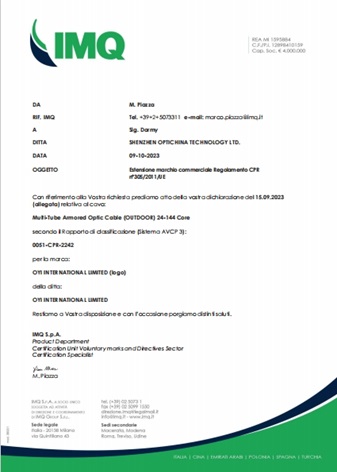
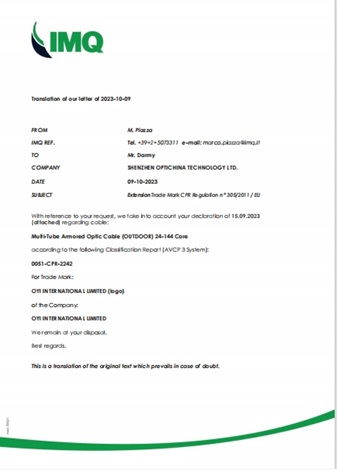
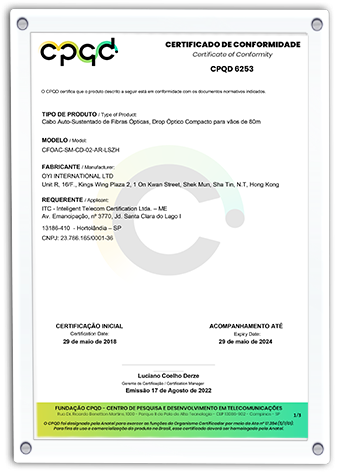
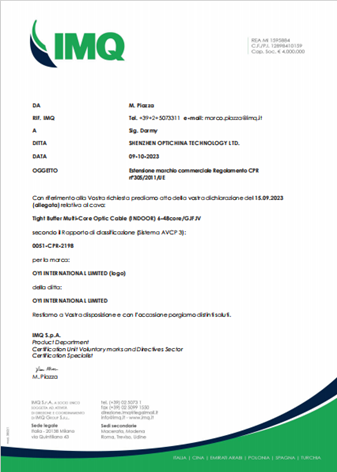
The Company has Obtained Certification
Meeting Global Quality and Safety Standards


Future Trends in Residential Optical Access Networks
Pre-termination, Coexistence, and XGS-PON Ready
As optical networks transition to higher speeds, including 10G-PON (XGS-PON) and next-generation 50G-PON, physical infrastructure requirements are evolving. Simplex fiber cables must support wider optical spectrums (1260nm to 1650nm) to facilitate multi-wavelength coexistence. This allows ISPs to upgrade active electronics at the central office and the customer home without replacing the physical fiber drop infrastructure.
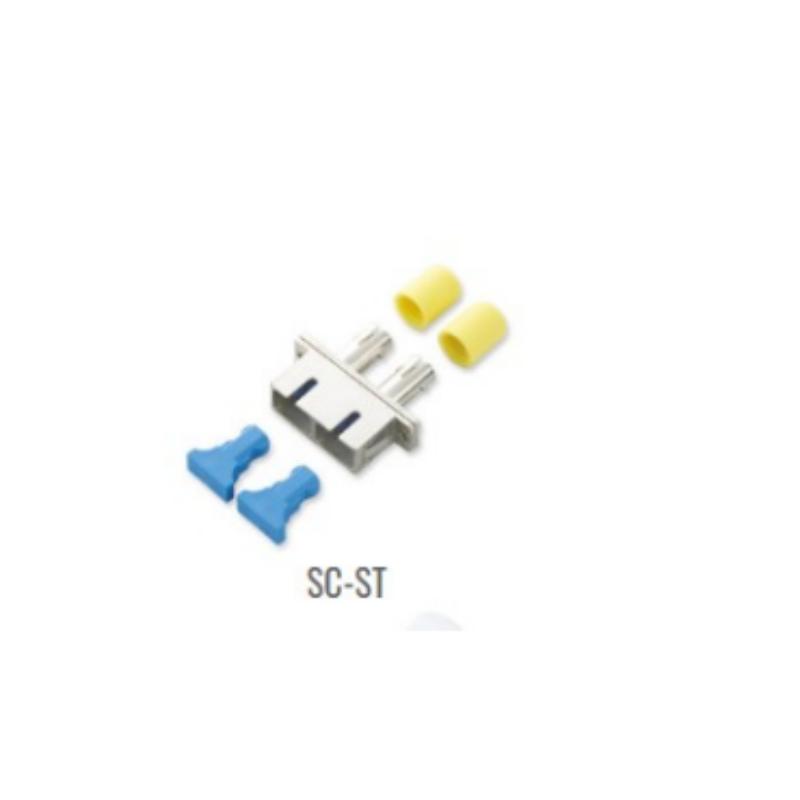
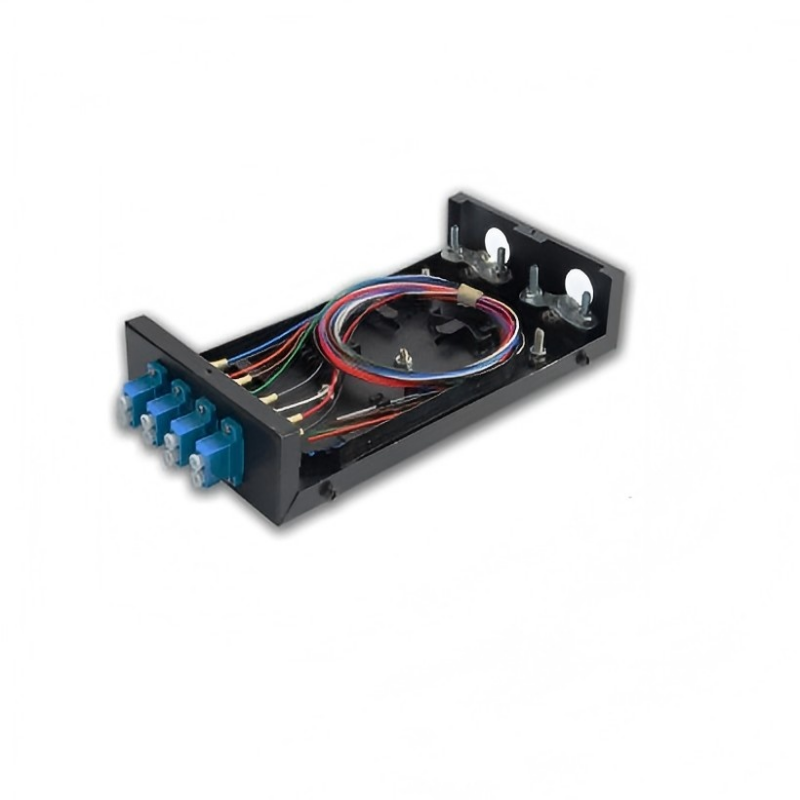
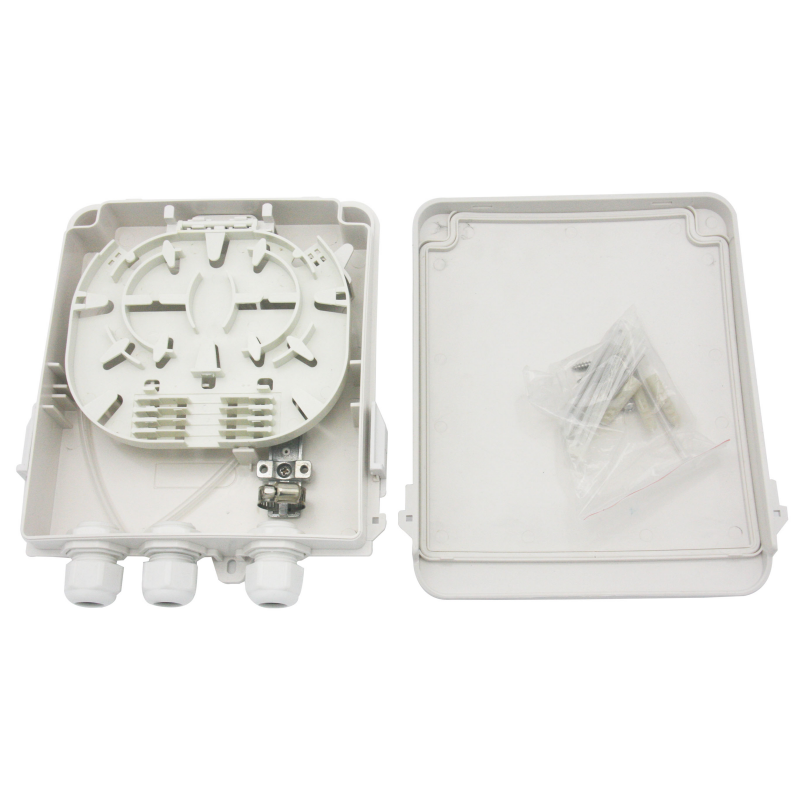
Furthermore, the market is moving rapidly towards pre-terminated simplex fiber drop systems. Pre-connectorized assemblies allow technicians to deploy fiber drops without field splicing, significantly reducing installation errors, dust contamination, and labor costs. OYI's portfolio of fast connectors, hybrid adapters, and pre-configured termination boxes is specifically designed to meet this demand, ensuring robust connections for FTTH networks worldwide.
Our Complete Simplex FTTH Product Portfolio
High-Performance Interconnection Components