 0755-23179541
  sales@oyii.net
.png) 8618926041961
8618926041961Introduction to FTTx and the Critical Role of Fiber Optic Pigtails
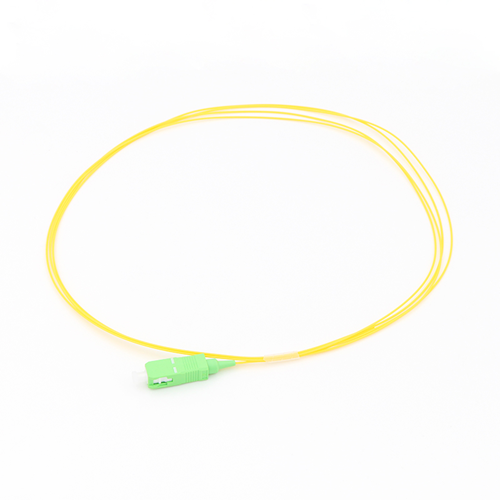
Fiber to the x (FTTx) is the foundation of modern high-speed telecommunication networks. As demand for gigabit-speed internet, ultra-low latency, and cloud computing surges, telecommunication providers are rapidly deploying fiber optic infrastructure. Among the myriad of critical components in these networks, the pigtail optical cable acts as the vital link between the distribution fiber and active termination equipment. A fiber optic pigtail is a single, short, usually unbuffered optical fiber that has an optical connector pre-installed on one end and a length of exposed fiber at the other end. The exposed end is spliced to the main trunk or distribution line, ensuring a reliable, low-loss termination point.
Ensuring optimal performance in FTTx deployments requires high-quality pigtail cables designed to minimize insertion loss and maximize return loss. In typical environments, such as Optical Distribution Frames (ODFs), fiber distribution boxes, and subscriber outlets, these small components make the difference between a high-performing network and one plagued by intermittent signal degradation.
Technical Breakdown of Pigtail Optical Cables
Pigtail optical cables are engineered with precision to support various fiber types, connector configurations, and jacket options. Understanding these specifications is crucial for network engineers planning long-term FTTx deployments:
Fiber Modes
Singlemode (OS2 9/125μm) is standard for long-haul FTTx. Multimode (OM3/OM4 50/125μm) is deployed in local data centers and enterprise networks.
Connector Types
SC, LC, FC, and ST connectors are widely used. SC/APC and LC/APC are preferred in FTTx to minimize back-reflection.
Jacket Materials
LSZH (Low Smoke Zero Halogen) and PVC are standard options. LSZH is mandatory in confined indoor areas for safety compliance.
The choice of connector polish is particularly critical in FTTx. Angle Physical Contact (APC) connectors feature an 8-degree angled end-face, which reflects light back into the cladding rather than directly down the fiber core. This achieves a return loss of 60dB or higher, which is essential for high-frequency video transmission, GPON/EPON systems, and long-wavelength singlemode transmissions.
Commercial and Industrial Status of FTTx Deployments Globally
The global FTTx market is experiencing unprecedented growth. Governments and private telecommunication operators are investing billions of dollars to expand FTTH (Fiber to the Home), FTTB (Fiber to the Building), and FTTC (Fiber to the Curb) architectures. This expansion is driven by the global transition to 5G networks, where fiber backhauls are required to support small cell densities, as well as the exponential rise in smart home applications and remote working environments.
From a commercial perspective, installers and network operators prioritize reduction in Total Cost of Ownership (TCO) and rapid deployment timelines. Fusion splicing bulk fiber to pre-terminated pigtails in a controlled distribution hub remains the most efficient, reliable method for field termination. It eliminates the need for complex, time-consuming field connector polishing and minimizes the risk of craft-sensitive installation failures.
Key Application Scenarios in FTTx Deployments
Pigtail optical cables are deployed at multiple stages of the optical distribution network (ODN):
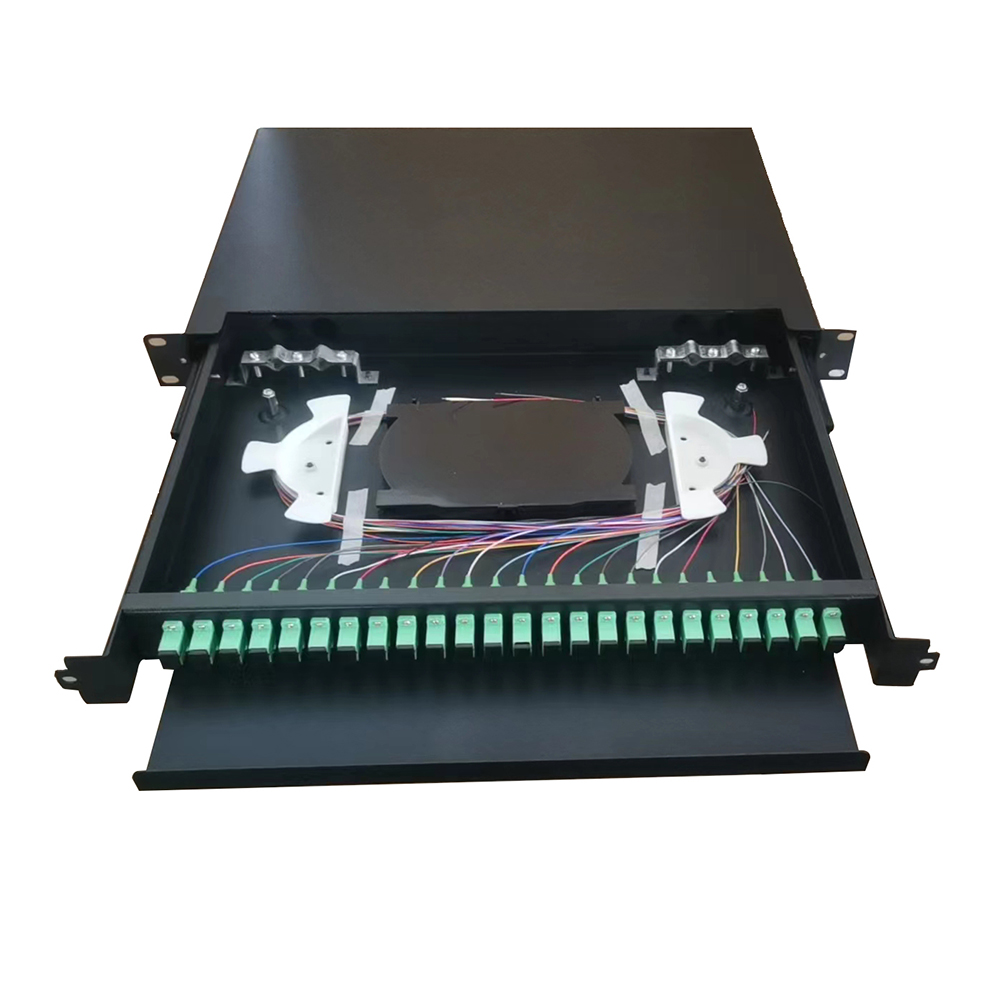
- Optical Distribution Frames (ODFs): Located in central offices or headends, ODFs require high-density pigtail assemblies to manage thousands of incoming fiber lines. Color-coded pigtails (typically following TIA-598 standards) are used to facilitate easy identification and troubleshooting.
- Fiber Distribution Boxes (FDBs): Mounted on walls or poles in neighborhood corridors, FDBs house splitters and pigtails that route signals from the main feeder cable to individual drop cables.
- Subscriber Outlets / FTTH Boxes: In residential or commercial units, a small 0.9mm pigtail is spliced to the incoming drop cable inside a wall outlet box, providing a clean, protected port for the end-user's patch cord connection to the Optical Network Terminal (ONT).
Future Trends in Optical Fiber Pigtail Technology
As networks evolve towards higher speeds (XGS-PON, 25G-PON, and beyond), the requirements for optical components become more stringent. Key trends include:
1. Ultra-Bend-Insensitive Fibers: The adoption of ITU-T G.657.A2/B3 fibers in pigtail manufacturing allows for tighter routing bends inside micro-enclosures without causing micro-bending losses. This is essential for compact indoor FTTH outlets.
2. Multi-Fiber Pigtail Assemblies: Instead of routing individual single-fiber pigtails, operators are opting for pre-bundled 12-core and 24-core pigtails. These feature a single outer jacket that fan out into individual color-coded 0.9mm tails, significantly reducing cable clutter and installation time inside high-density ODFs.
Oyi International Co., Ltd.
Oyi international., Ltd. is a dynamic and innovative fibre optic cable company based in Shenzhen, China. Since its inception in 2006, OYI has been dedicated to providing world-class fibre optic products and solutions to businesses and individuals across the globe. Our Technology R&D department has more than 20 specialized staff committed to developing innovative technologies and providing high-quality products and services. We export our products to 143 countries and have established long-term partnerships with 268 clients.
Our products are widely used in telecommunications, data center, CATV, industrial and other areas. Our main products include various types of optical fiber cables, fiber optic linkers, fiber distribution series, fiber optic connectors, fiber optic adapters, fiber optic couplers, fiber optic attenuators, and WDM series. Not only that, our products cover ADSS, ASU, Drop Cable, Micro Duct Cable, OPGW, Fast Connector, PLC Splitter, Closure, FTTH Box, etc. In addition, we provide our customers with complete fiber optic solutions, such as Fiber to the Home (FTTH), Optical Network Units (ONUs), and High Voltage Electrical Power Lines. We also provide OEM designs and financial support to help our customers integrate multiple platforms and reduce costs.
About Oyi - Project Cases & Scenes


Company Philosophy & Manufacturing Excellence
/ About us /
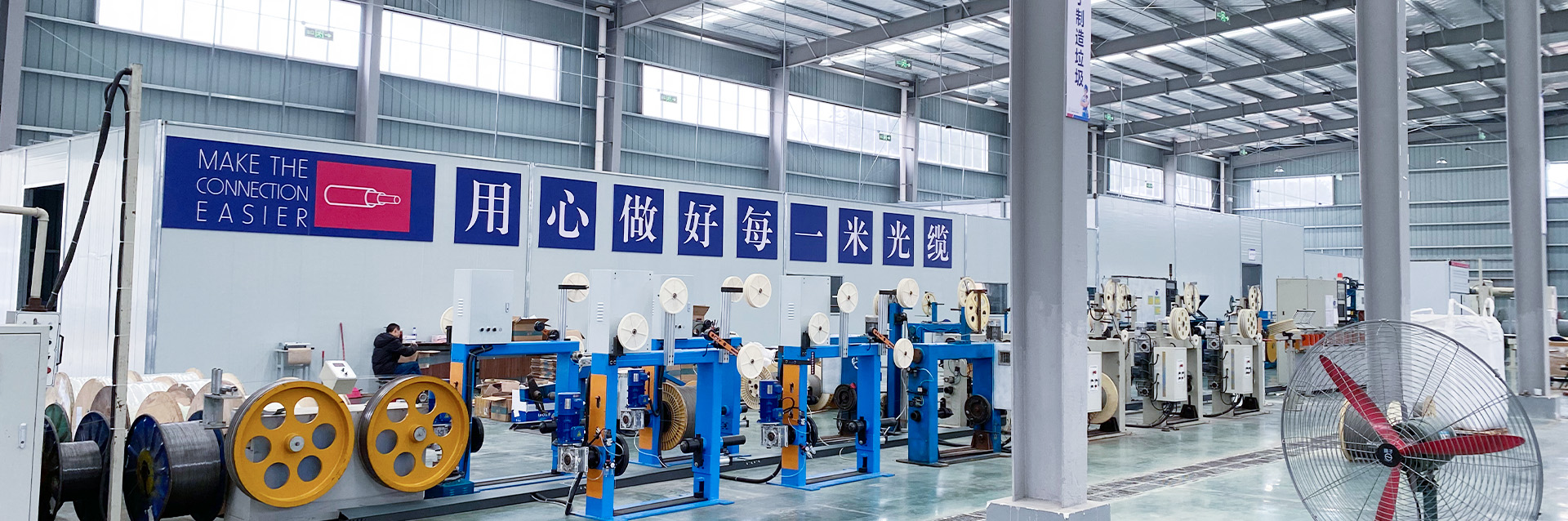
Our Factory
We are committed to innovation and excellence. Our team of experts are constantly pushing the boundaries of what’s possible, ensuring that we remain at the forefront of the industry. We invest heavily in research and development to ensure that we are always one step ahead of the competition. Our cutting-edge technology allows us to produce fibre optic cables that are not only faster and more reliable, but also more durable and cost-effective.
Our advanced manufacturing process ensures that our fibre optic cables are of the highest quality, guaranteeing lightning-fast speeds and reliable connectivity. Our commitment to excellence means that our customers can always rely on us to provide them with the best possible solutions.
If you’re looking for a reliable, high-speed fibre optic cable solution, look no further than OYI. Contact us now to see how we can help you stay connected and take your business to the next level.
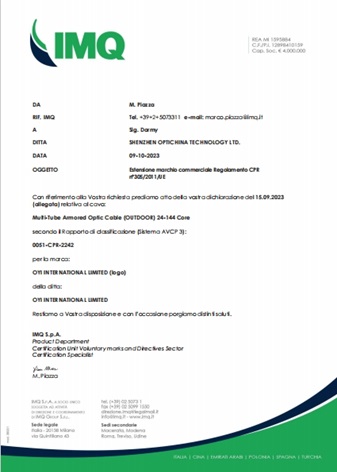
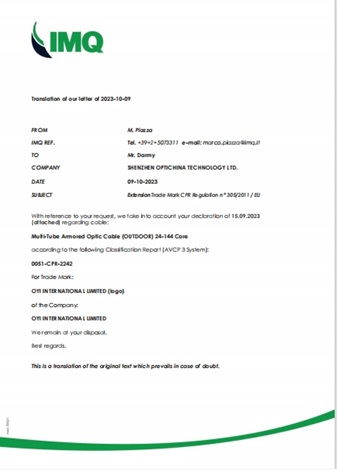
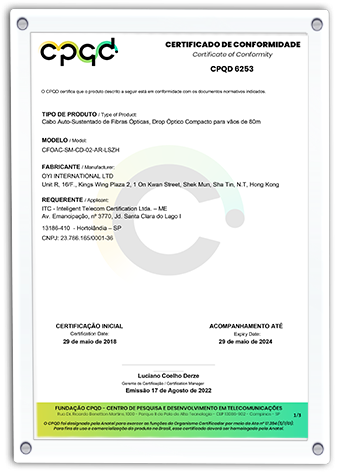
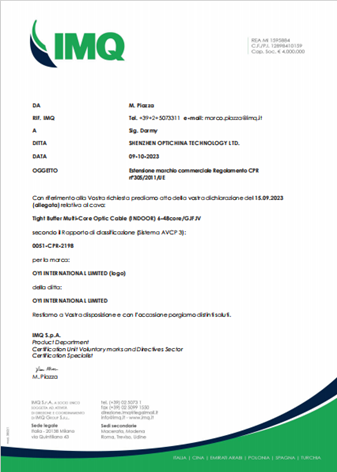
The Company has Obtained Certification


Our Complete Range of FTTx Products
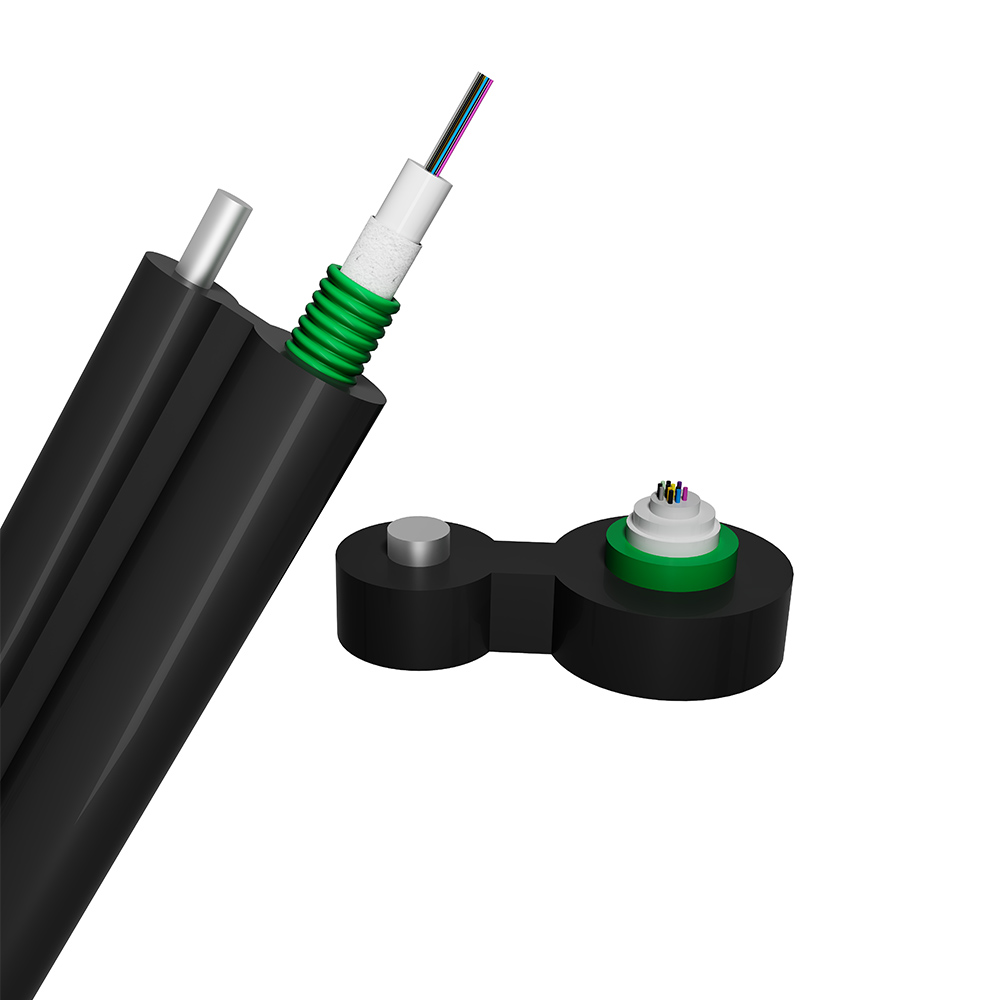
Central Loose Tube Stranded Figure 8 Cable
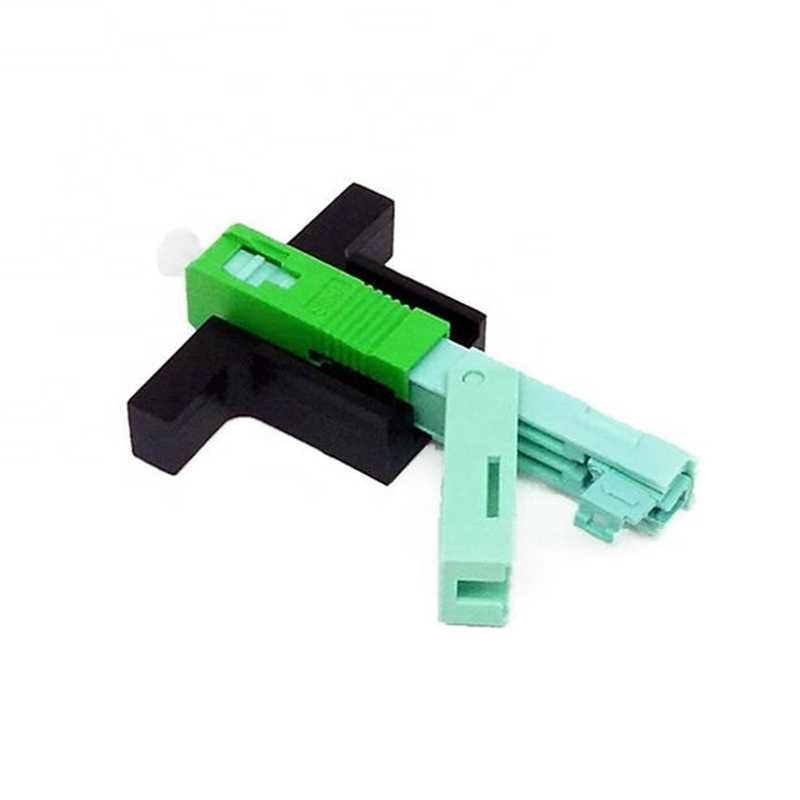
OYI E Type Fast Connector
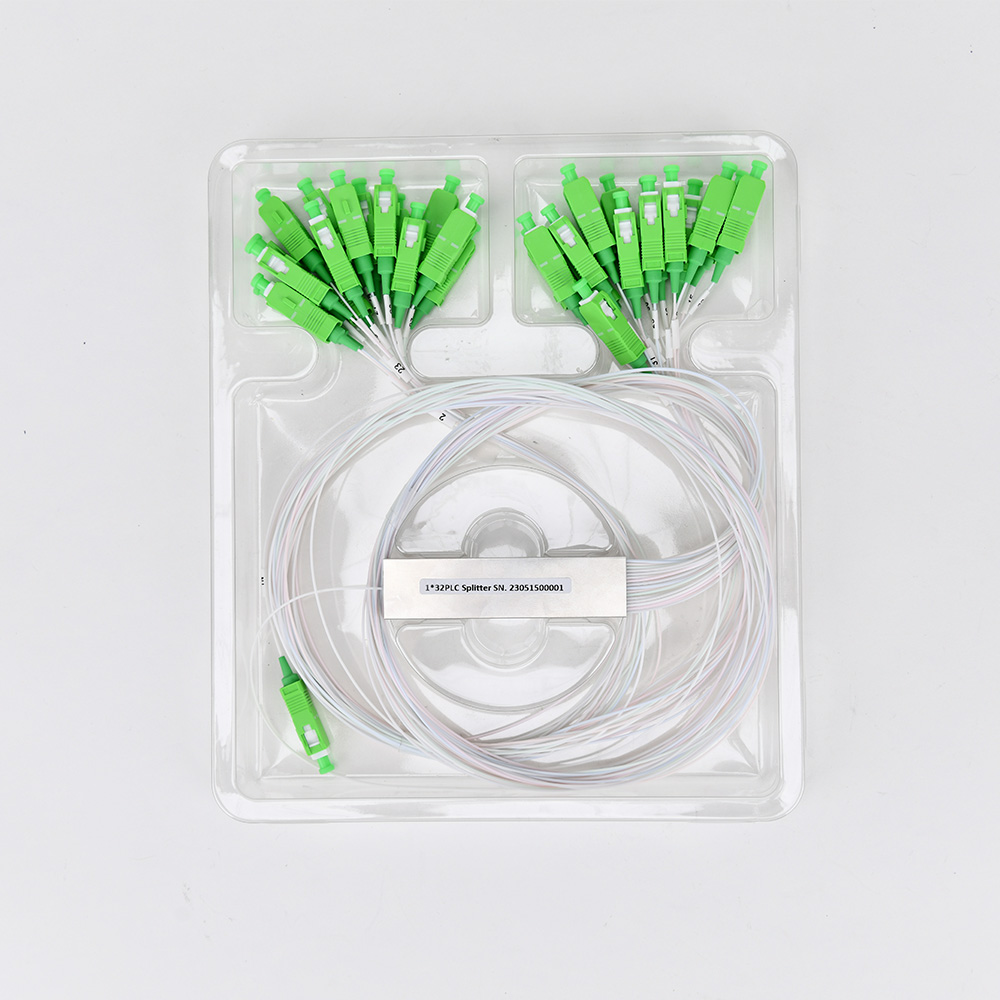
Mini Steel Tube Type Splitter
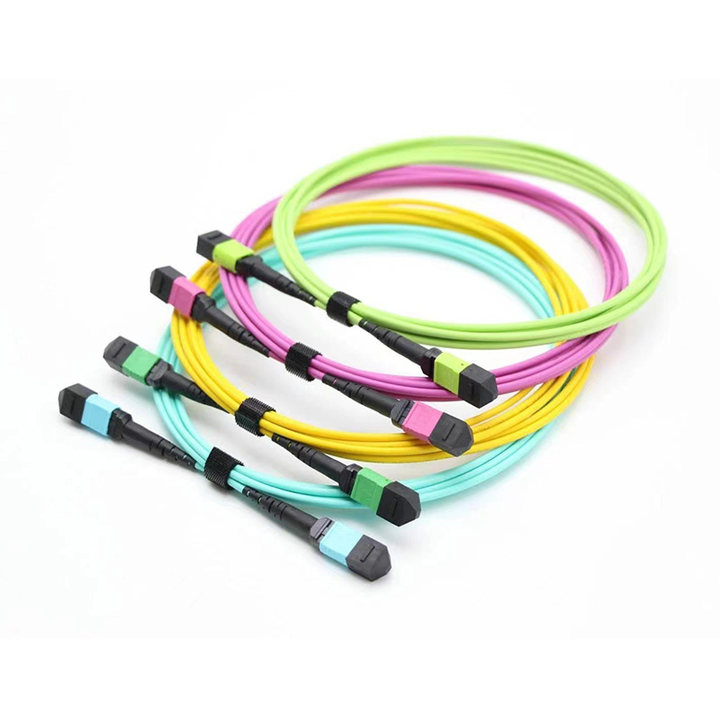
MPO / MTP Trunk Cables
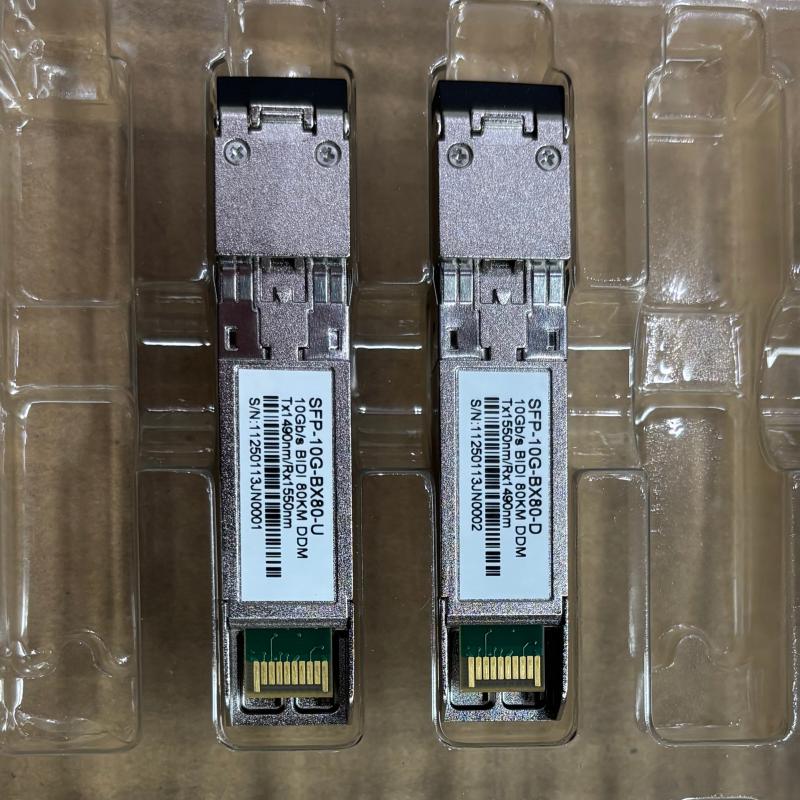
SFP+ 80km Transceiver
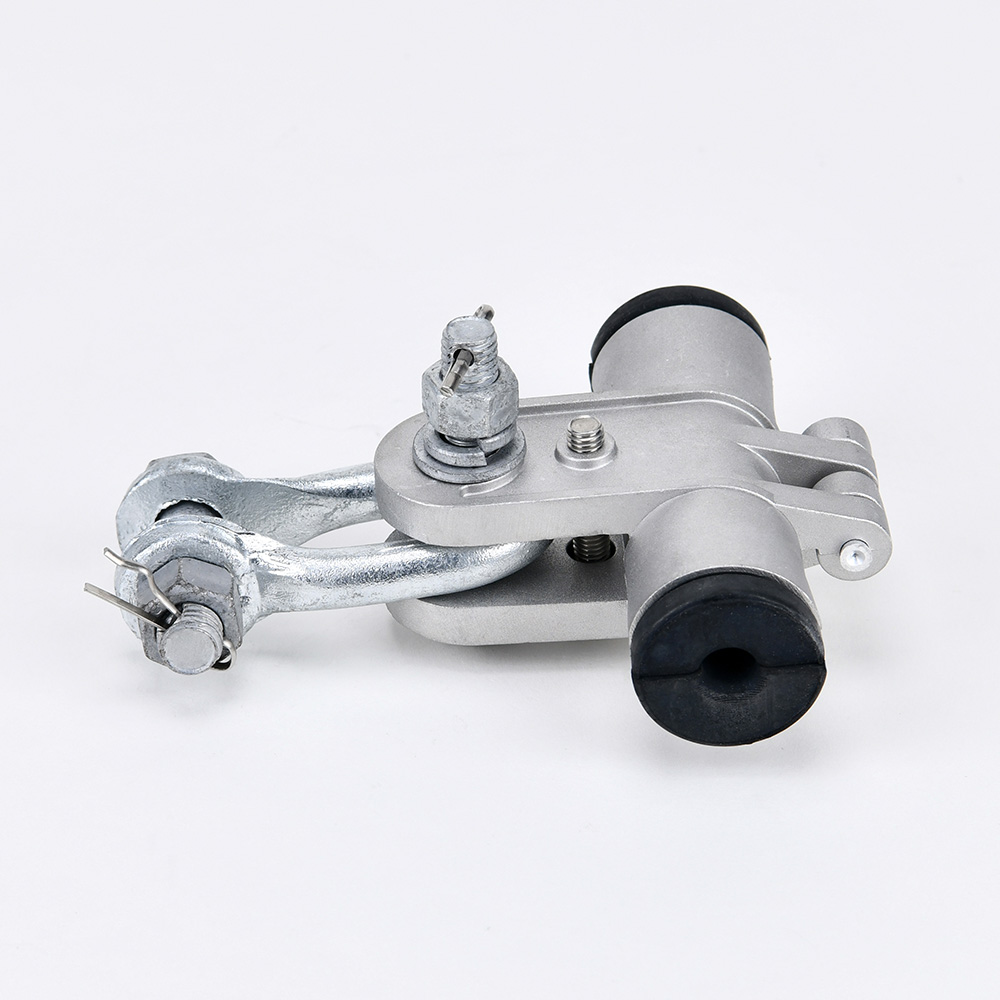
ADSS Suspension Clamp Type B
OYI-ODF-SR2-Series Type