 0755-23179541
  sales@oyii.net
.png) 8618926041961
8618926041961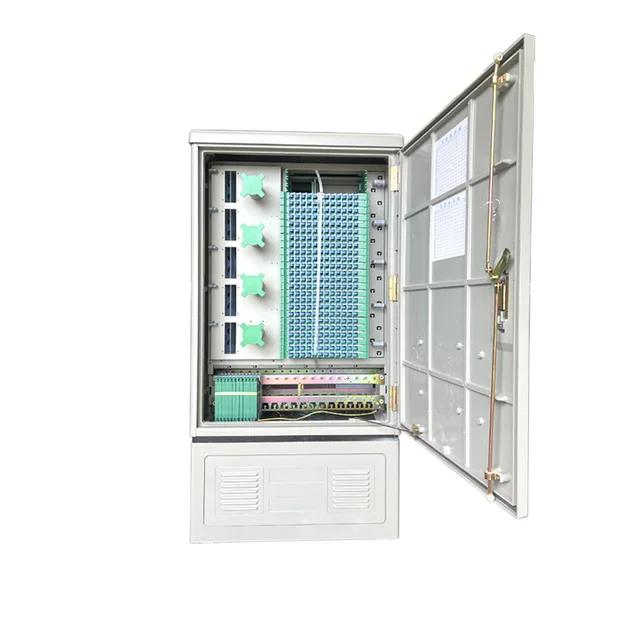
The Vital Role of Panels in Modern FTTx Network Infrastructure
In the era of gigabit connectivity, Fiber-to-the-x (FTTx) deployments have become the bedrock of global digital transformation. As telecommunication operators scale up their fiber footprints to support high-speed broadband, 5G backhaul, and Internet of Things (IoT) ecosystems, the demand for highly organized, scalable, and durable physical layer management has reached an all-time high. At the core of this physical infrastructure are fiber optic panels, termination boxes, and cross-connect cabinets.
Fiber panels act as the primary interface between active transmission equipment and the passive optical network (ODN). Whether deployed in a central office, at an outdoor distribution point, or inside a multi-dwelling unit (MDU), these panels perform the critical functions of fiber splicing, patching, termination, and optical splitting. Without robust, high-performance panels, managing thousands of individual fiber strands becomes an operational nightmare, leading to signal degradation, prolonged troubleshooting times, and escalating maintenance costs.
Industry Insight: High-density, modular fiber panels reduce installation time by up to 40% and minimize insertion loss by providing optimal bend radius protection and structured cable routing paths.
Commercial & Industrial Status of FTTx Deployments
The global market for FTTx infrastructure is experiencing unprecedented growth. Driven by national broadband initiatives, rural electrification projects, and the relentless demand for cloud-based services, telecom operators are investing billions of dollars in fiber rollouts. According to recent market analysis, the demand for outdoor fiber distribution cabinets and indoor patch panels is projected to grow at a compound annual growth rate (CAGR) of over 8.5% through the next decade.
Industrially, the focus has shifted from simple "point-to-point" connections to complex "point-to-multipoint" architectures utilizing Passive Optical Network (PON) technologies. This shift demands that modern fiber panels accommodate high-ratio optical splitters (such as 1:32 or 1:64 splitters) within compact, space-saving enclosures. Furthermore, the integration of open-access networks—where multiple service providers share the same physical fiber infrastructure—requires panels that support easy cross-connection and clear, secure physical partitioning between different operators' lines.
Key Development Trends in Fiber Optic Panel Technology
Pre-Terminated & Plug-and-Play Systems
Traditional field splicing is labor-intensive and highly dependent on technician skill. The industry is rapidly moving toward pre-terminated fiber panels that utilize multi-fiber push-on (MPO/MTP) connectors. These plug-and-play panels allow rapid deployment, drastically reducing on-site installation time and minimizing the risk of contamination or faulty splices.
Ultra-High-Density (UHD) Architectures
Real estate in central offices and data centers is extremely expensive. Modern fiber patch panels are designed to pack more ports into smaller rack units (RU). Standard 1RU panels can now support up to 96 or even 144 LC fiber terminations, utilizing sliding tray designs that allow technicians easy access to individual ports without disturbing adjacent connections.
Intelligent Patching & Infrastructure Management
As networks scale, keeping track of physical connections manually becomes prone to error. The integration of automated infrastructure management (AIM) systems into patch panels allows operators to monitor connection status in real-time. Smart panels equipped with sensor rings or RFID chips automatically detect patching changes and update the network database, simplifying maintenance and troubleshooting.
Environmental Hardening for OSP Deployments
Outdoor panels, such as cross-connection cabinets and terminal boxes, must withstand extreme weather conditions. The industry is seeing a push toward panels with IP65, IP67, or IP68 ingress protection ratings, manufactured from UV-resistant polycarbonate or high-grade stainless steel to resist corrosion, dust, moisture, and physical impact over a 20+ year lifespan.
Deep Application Scenarios of Fiber Panels in FTTx Networks
1. Central Office (CO) / Headend ODF Deployments
In the central office, Optical Distribution Frames (ODFs) house high-density fiber panels that terminate incoming trunk cables and patch them to active Optical Line Terminals (OLTs). In this scenario, the primary challenges are managing high volumes of patch cords and ensuring that bend radius limitations (typically a minimum of 30mm) are strictly maintained to prevent macro-bending losses. Modular, slide-out panels with dedicated vertical and horizontal cable management channels are essential here.
2. Outside Plant (OSP) Fiber Distribution Hubs (FDH)
Located in neighborhoods or business districts, Fiber Distribution Hubs utilize robust outdoor cabinets (like the OYI-OCC-C Type) to house optical splitters. These cabinets act as a bridge between the feeder cable from the CO and the distribution cables heading toward customer premises. The panels inside these cabinets must support modular splitter cassettes that can be added incrementally as customer subscription rates grow, ensuring a cost-effective "pay-as-you-grow" investment model for operators.
3. Multi-Dwelling Unit (MDU) Building Terminations
In apartment complexes and office buildings, compact fiber terminal boxes (such as the OYI-FAT-10A) are mounted in basements, risers, or utility closets. These panels serve as the point of demarcation where the building's riser cables connect to the individual drop cables running to each subscriber's living space. They must be compact, secure (often lockable to prevent unauthorized access), and easy to install in tight spaces.
4. Industrial and Utility Network Deployments
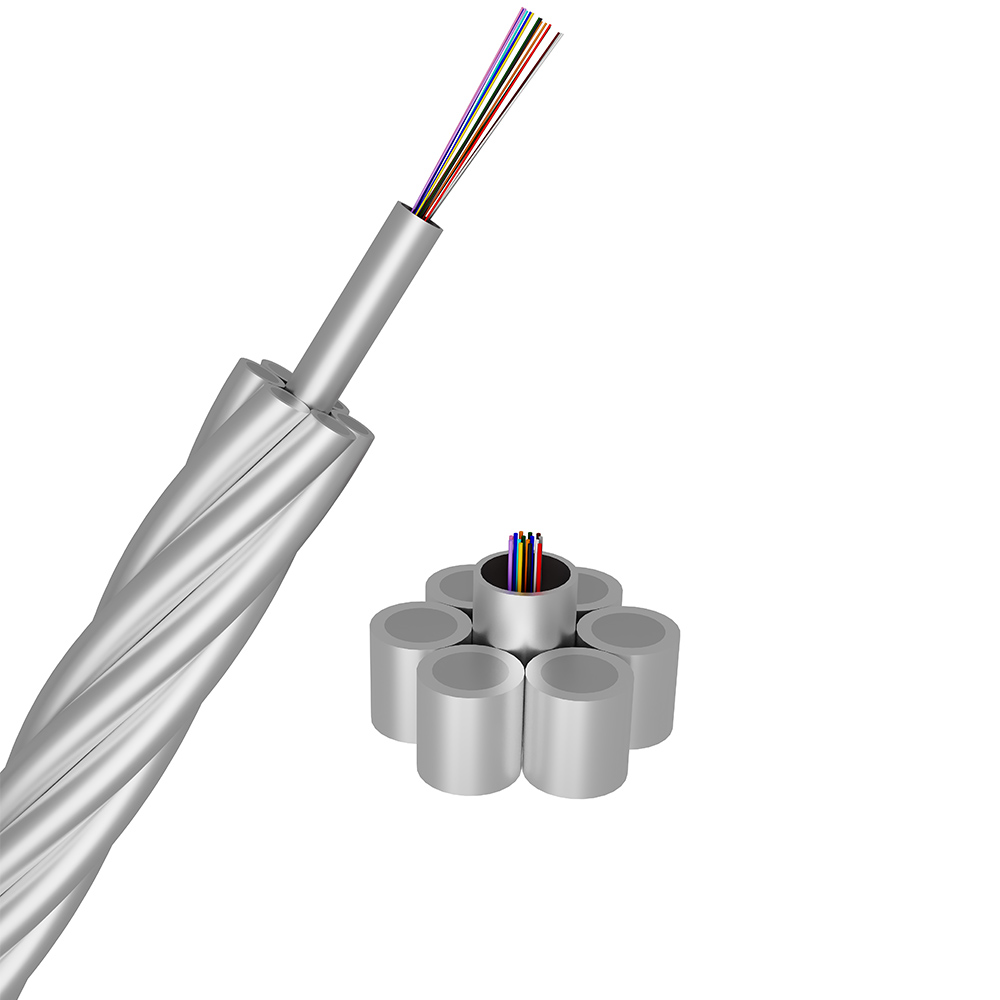
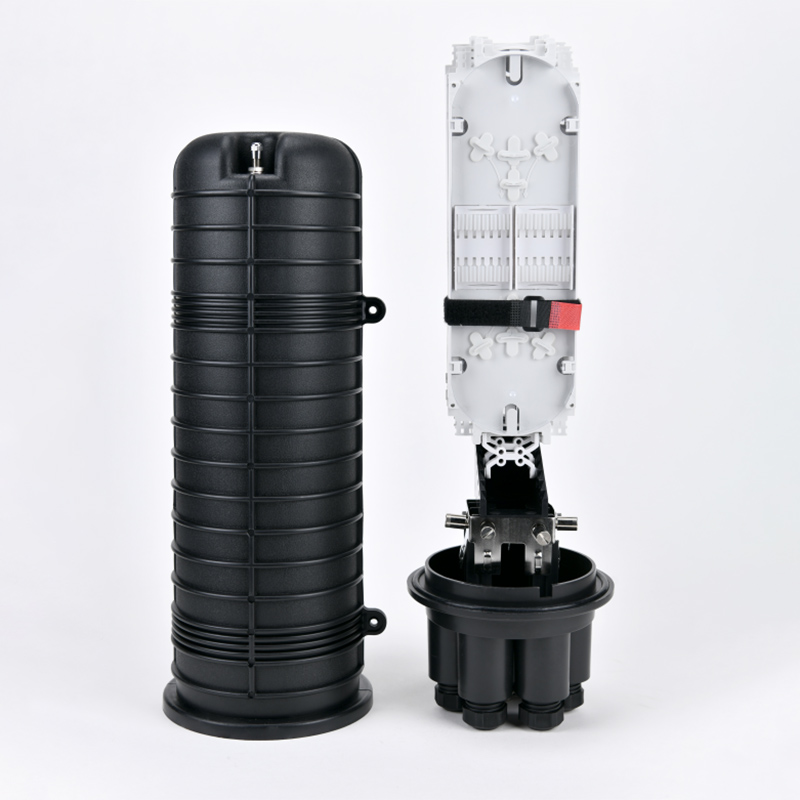
Modern power grids, railways, and oil pipelines rely heavily on fiber networks for telemetry, monitoring, and control. In these harsh industrial environments, fiber panels are integrated with heavy-duty optical cables like OPGW (Optical Ground Wire). The panels and closures used in these scenarios must feature high mechanical strength, vibration resistance, and robust grounding systems to ensure uninterrupted communication alongside high-voltage power lines or heavy machinery.
Oyi International Co., Ltd. - Leading Global Fiber Infrastructure
Oyi international., Ltd. is a dynamic and innovative fibre optic cable company based in Shenzhen, China. Since its inception in 2006, OYI has been dedicated to providing world-class fibre optic products and solutions to businesses and individuals across the globe. Our Technology R&D department has more than 20 specialized staff committed to developing innovative technologies and providing high-quality products and services. We export our products to 143 countries and have established long-term partnerships with 268 clients.
Our products are widely used in telecommunications, data center, CATV, industrial and other areas. Our main products include various types of optical fiber cables, fiber optic linkers, fiber distribution series, fiber optic connectors, fiber optic adapters, fiber optic couplers, fiber optic attenuators, and WDM series. Not only that, our products cover ADSS, ASU, Drop Cable, Micro Duct Cable, OPGW, Fast Connector, PLC Splitter, Closure, FTTH Box, etc. In addition, we provide our customers with complete fiber optic solutions, such as Fiber to the Home (FTTH), Optical Network Units (ONUs), and High Voltage Electrical Power Lines. We also provide OEM designs and financial support to help our customers integrate multiple platforms and reduce costs.
About Oyi - Manufacturing Excellence & Facilities


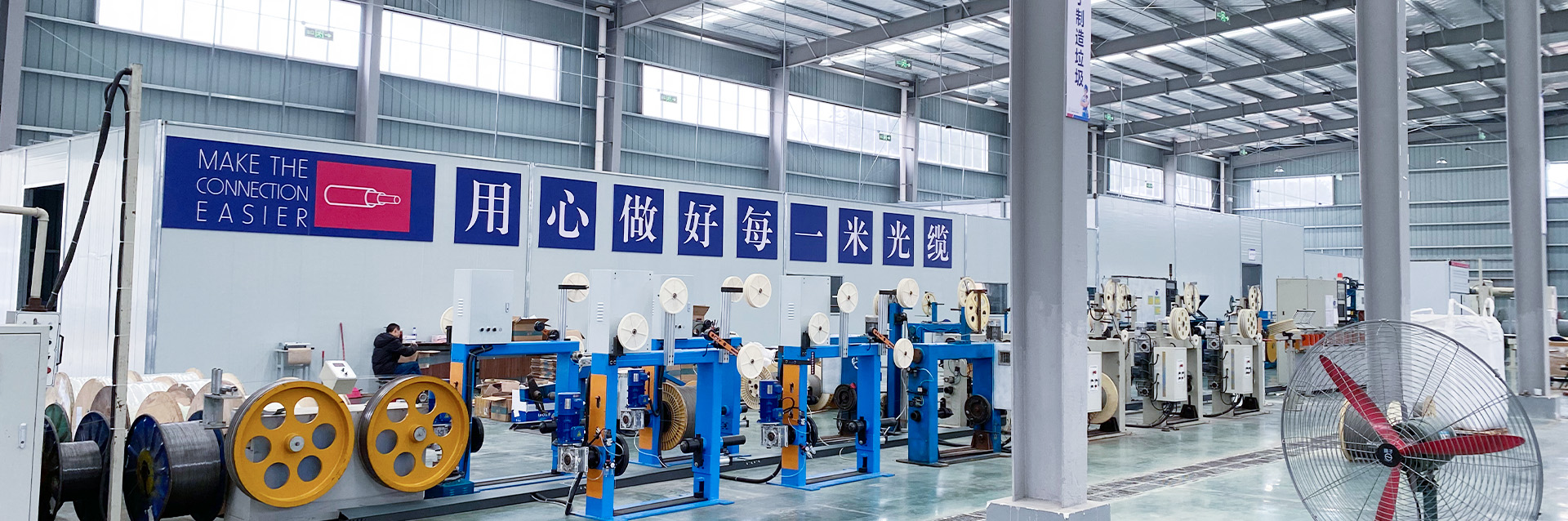
Company Philosophy & Factory Infrastructure
We are committed to innovation and excellence. Our team of experts are constantly pushing the boundaries of what’s possible, ensuring that we remain at the forefront of the industry. We invest heavily in research and development to ensure that we are always one step ahead of the competition. Our cutting-edge technology allows us to produce fibre optic cables that are not only faster and more reliable, but also more durable and cost-effective.
Our advanced manufacturing process ensures that our fibre optic cables are of the highest quality, guaranteeing lightning-fast speeds and reliable connectivity. Our commitment to excellence means that our customers can always rely on us to provide them with the best possible solutions.
If you’re looking for a reliable, high-speed fibre optic cable solution, look no further than OYI. Contact us now to see how we can help you stay connected and take your business to the next level.
International Standards & Industry Certifications
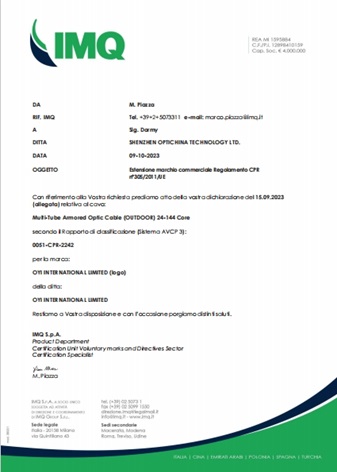
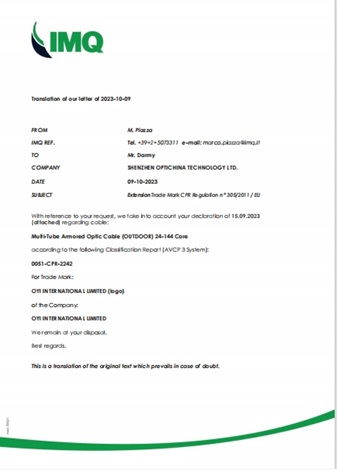
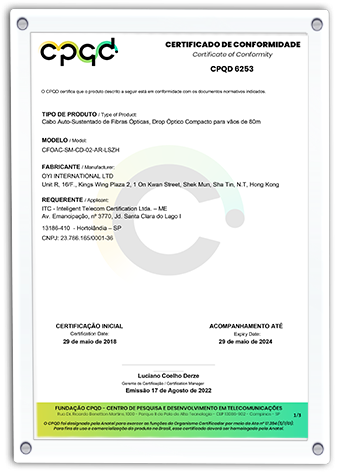
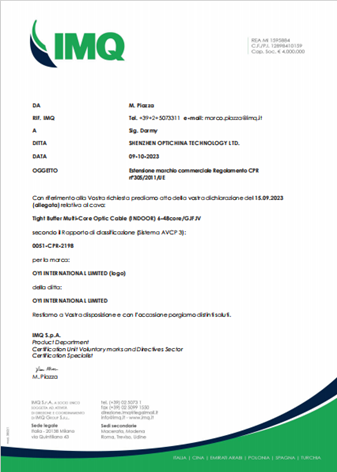
To meet the strict quality and environmental requirements of telecommunication operators globally, OYI implements a rigorous quality control system. Our products comply with international standards and have received various certifications that guarantee safety, durability, and top-tier performance in diverse deployment environments.


Explore Our Full Range of FTTx Fiber Optic Network Products
From high-capacity cross-connection cabinets to high-precision connectors and drop cables, OYI delivers end-to-end passive optical network solutions tailored to your project requirements.