 0755-23179541
  sales@oyii.net
.png) 8618926041961
8618926041961Featured Fiber Optic Terminal & Connection Solutions
Understanding the Role of Optical Distribution Boxes in Modern FTTH
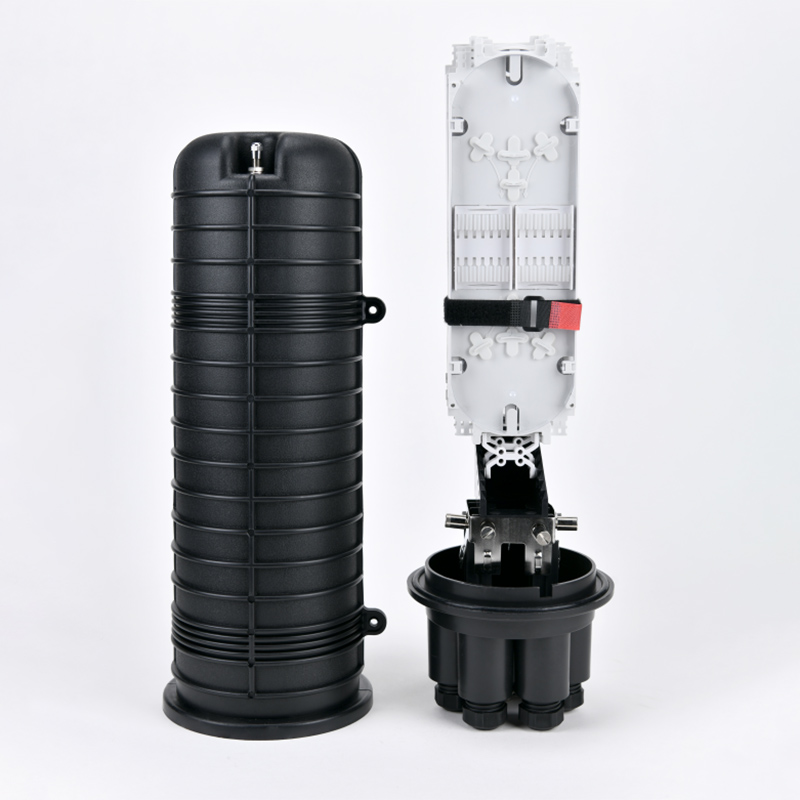
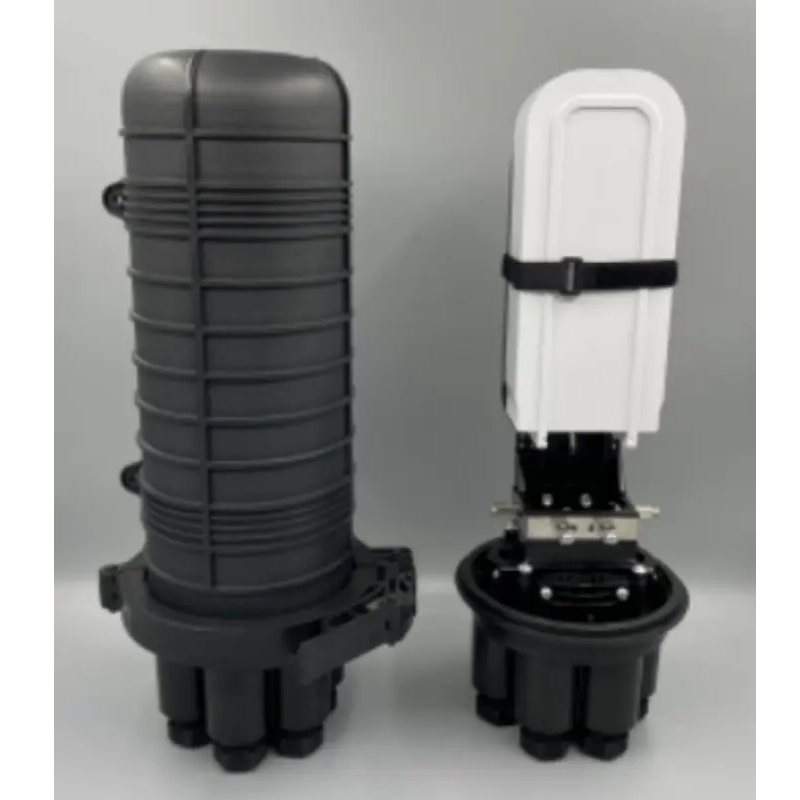
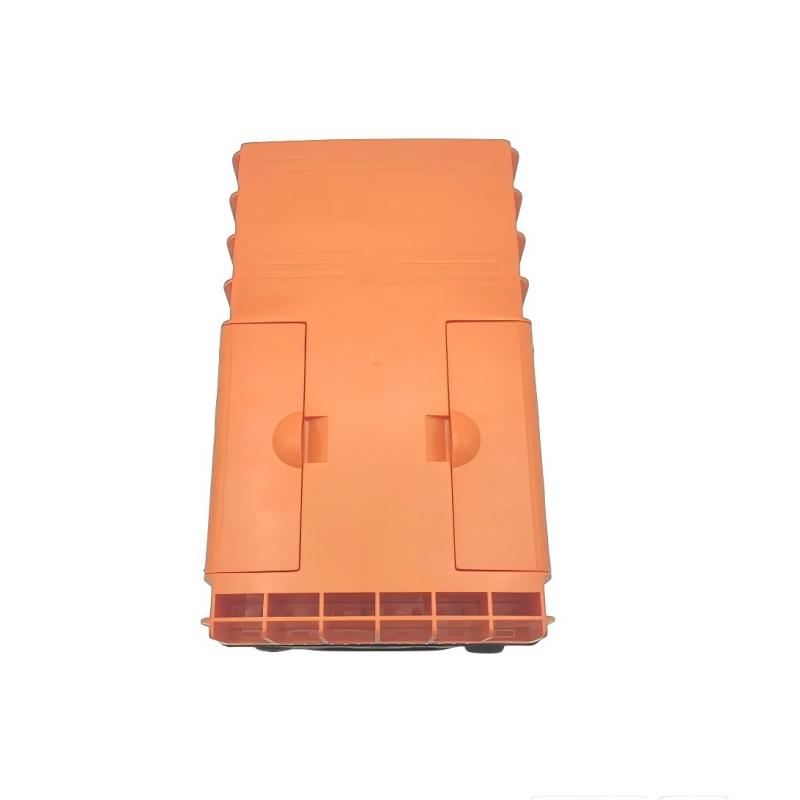
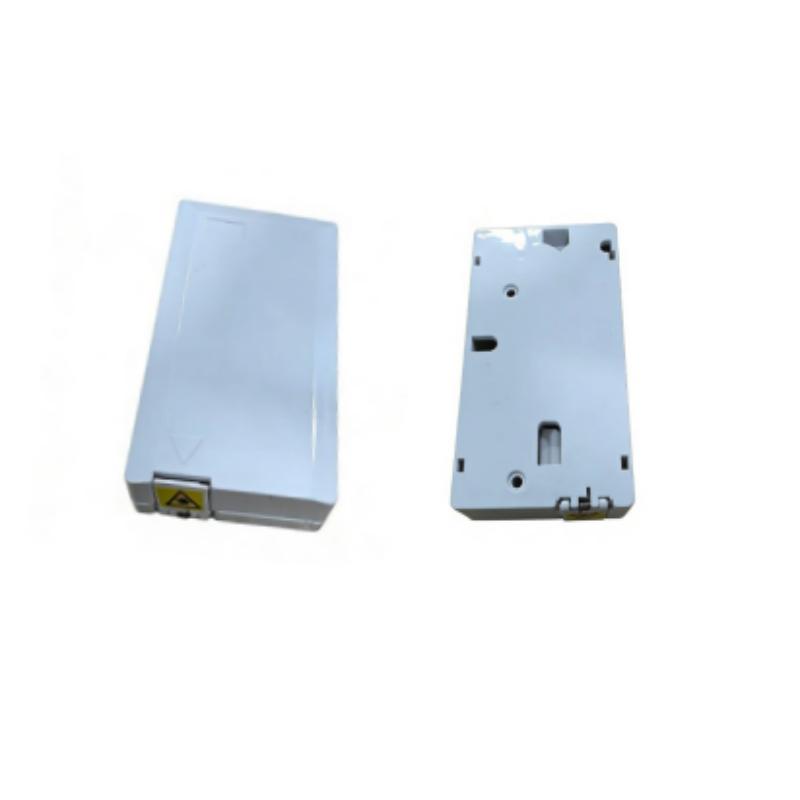
The global demand for high-speed broadband has transitioned fiber-to-the-home (FTTH) from a luxury to an essential utility. At the core of this network revolution is the Optical Distribution Box (ODB), specifically configured for home-run drop cable deployment and wall fixing. In modern optical telecommunication systems, the ODB acts as the crucial interface between the distribution cables coming from the central office and the individual drop cables leading to subscriber premises.
A home-run drop cable deployment refers to a network architecture where fiber optic drop cables run directly from a localized distribution box to the customer's optical network terminal (ONT) without intermediate splicing. This methodology significantly minimizes optical attenuation, reduces points of failure, and streamlines troubleshooting processes for network operators. Wall fixing, both indoor and outdoor, represents the primary mounting strategy in urban and suburban environments, making the structural design and installation flexibility of the ODB a paramount factor in minimizing deployment time and labor costs.
By routing drop cables directly from the wall-fixed optical distribution box to the residential outlet, network engineers preserve signal integrity, achieve lower insertion loss, and eliminate the need for skilled fusion splicing inside subscriber homes.
Industrial Landscape & Evolution
In the current industrial landscape, telecommunication service providers, ISPs, and municipal network builders are facing unprecedented pressure to accelerate fiber rollouts. Traditional splicing methods, which require highly trained technicians and expensive equipment in the field, are increasingly being replaced by pre-terminated plug-and-play solutions integrated within ODBs.
The shift towards smart cities, IoT integration, and 5G small cell backhauling has expanded the application scope of wall-fixed optical distribution boxes. They are no longer simple plastic enclosures; they have evolved into highly sophisticated cable management systems that support PLC splitters, mechanical splices, pre-connectorized drop cables, and multi-operator configurations.
Key Technological Trends
- IP-Rated Weatherproofing: With outdoor wall-fixed deployments exposed to extreme elements, enclosures must meet IP65 to IP68 standards to prevent moisture and dust ingress.
- High-Density Configurations: Optimizing physical space is crucial. Modern ODBs feature compact form factors that manage up to 24 or 48 drop fibers without compromising bend-radius protection.
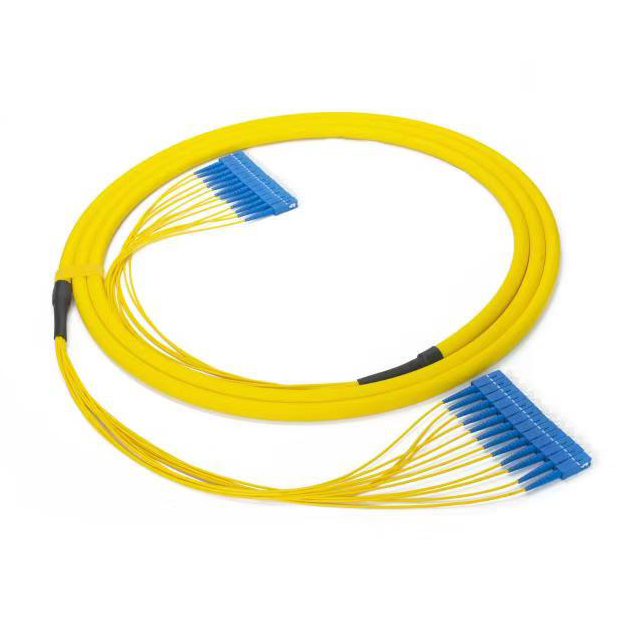
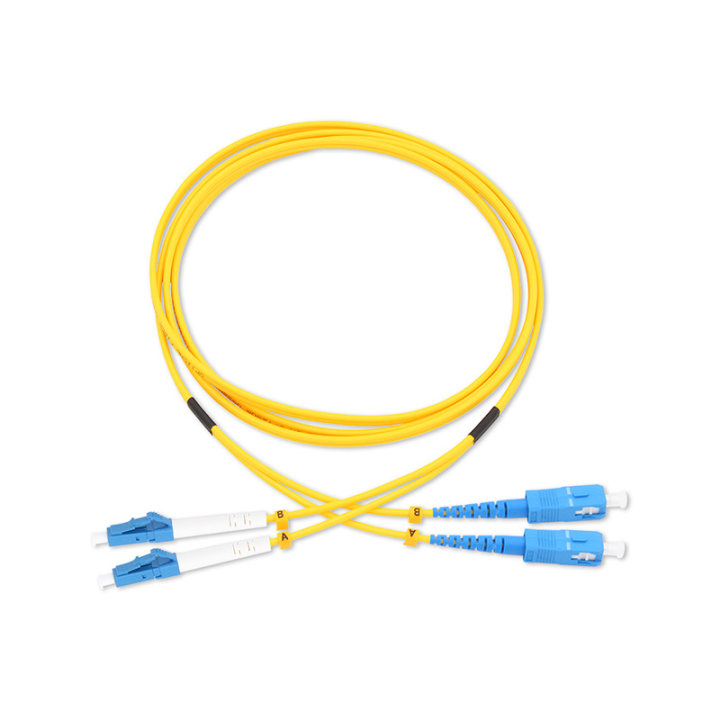
- Pre-Terminated Drop Cables: The integration of hardened connectors reduces installation times by up to 70%, allowing non-specialized technicians to connect homes.
Deep Dive: Critical Application Scenarios for Wall-Fixed ODBs
Optical Distribution Boxes designed for wall fixing and home-run drop cable deployment solve unique engineering challenges across multiple real-world environments.
1. Multi-Dwelling Units (MDUs) and High-Rise Buildings
In densely populated residential buildings, managing vertical riser cables and routing individual drop lines to apartments can be chaotic. Wall-fixed ODBs installed in floor utility closets act as localized hubs. A multi-core riser cable enters the box, is split or spliced, and individual home-run drop cables are routed through conduits directly to each resident's living room. This structured approach prevents cable congestion and simplifies future upgrades.
2. Single-Family Units (SFUs) and Suburban Neighborhoods
For suburban FTTH rollouts, ODBs are typically mounted on external walls. The distribution cable runs aerially or underground to the box, and a ruggedized home-run drop cable is routed externally along the building facade and enters the home near the ONT. The wall-fixing mechanism must withstand wind loads, UV radiation, and temperature fluctuations while maintaining a secure lock to prevent unauthorized access.
3. Industrial Parks and Campus Networks
In large industrial or academic campuses, connecting separate buildings to a centralized network backbone is critical. Wall-fixed ODBs are deployed on the exterior of campus buildings to transition from outdoor-rated backbone cables to indoor-rated drop cables. This configuration supports high-bandwidth data transmission, security camera feeds, and facility management systems.
4. Retrofitting Historical and Legacy Infrastructure
Upgrading older buildings with modern fiber optic networks presents significant architectural constraints. Drilling holes and installing heavy conduits is often restricted. Compact, aesthetically unobtrusive wall-fixed ODBs allow installers to route micro-drop cables along existing structures, minimizing visual impact while delivering gigabit-capable connections.
About Oyi International Co., Ltd.
Oyi international., Ltd. is a dynamic and innovative fibre optic cable company based in Shenzhen, China. Since its inception in 2006, OYI has been dedicated to providing world-class fibre optic products and solutions to businesses and individuals across the globe. Our Technology R&D department has more than 20 specialized staff committed to developing innovative technologies and providing high-quality products and services. We export our products to 143 countries and have established long-term partnerships with 268 clients.
Our products are widely used in telecommunications, data center, CATV, industrial and other areas. Our main products include various types of optical fiber cables, fiber optic linkers, fiber distribution series, fiber optic connectors, fiber optic adapters, fiber optic couplers, fiber optic attenuators, and WDM series. Not only that, our products cover ADSS, ASU, Drop Cable, Micro Duct Cable, OPGW, Fast Connector, PLC Splitter, Closure, FTTH Box, etc. In addition, we provide our customers with complete fiber optic solutions, such as Fiber to the Home (FTTH), Optical Network Units (ONUs), and High Voltage Electrical Power Lines. We also provide OEM designs and financial support to help our customers integrate multiple platforms and reduce costs.
Oyi Manufacturing & Project Cases


Company Philosophy
/ About us /
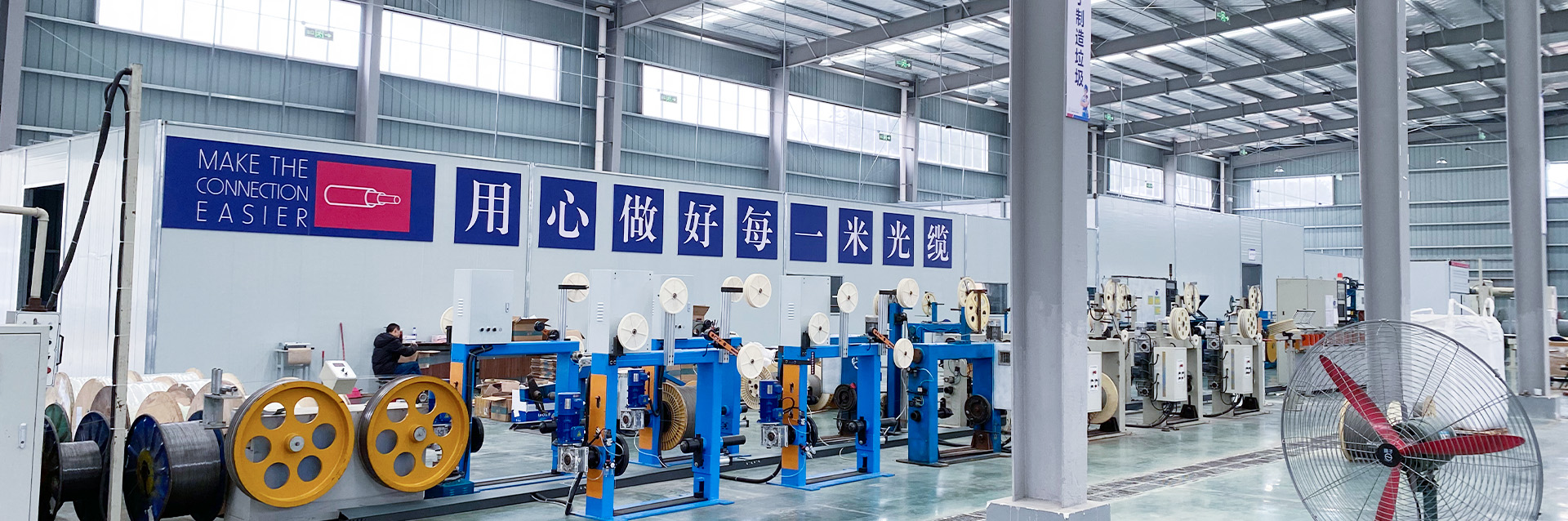
Our Factory & Commitment to Quality
We are committed to innovation and excellence. Our team of experts are constantly pushing the boundaries of what’s possible, ensuring that we remain at the forefront of the industry. We invest heavily in research and development to ensure that we are always one step ahead of the competition. Our cutting-edge technology allows us to produce fibre optic cables that are not only faster and more reliable, but also more durable and cost-effective.
Our advanced manufacturing process ensures that our fibre optic cables are of the highest quality, guaranteeing lightning-fast speeds and reliable connectivity. Our commitment to excellence means that our customers can always rely on us to provide them with the best possible solutions.
If you’re looking for a reliable, high-speed fibre optic cable solution, look no further than OYI. Contact us now to see how we can help you stay connected and take your business to the next level.
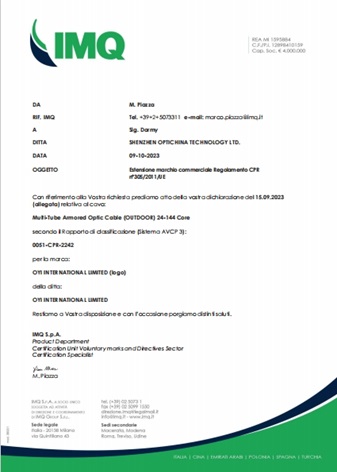
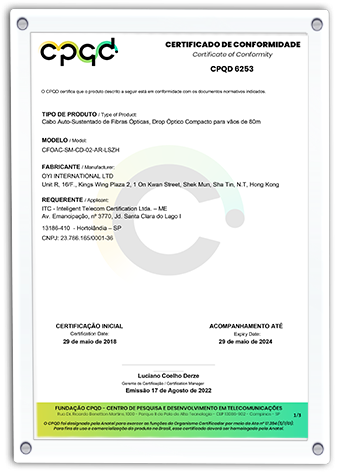
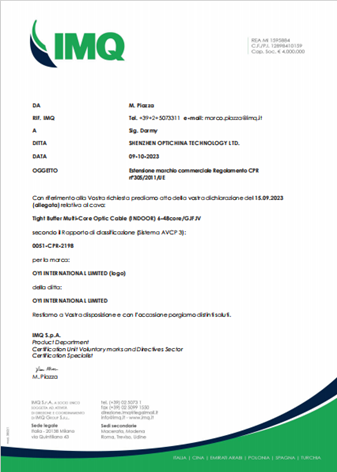
The Company has Obtained Certification



Best Practices for Wall Fixing & Drop Cable Deployment
Successful deployment of an optical distribution box depends heavily on standardizing physical installation procedures. Improper wall fixing can lead to box instability, water accumulation, or cable tension, all of which compromise optical signal integrity.
Pre-Installation Site Assessment
Before mounting the ODB, installers must assess the substrate material of the wall (concrete, brick, drywall, or wood). Using appropriate anchors and corrosion-resistant screws prevents the box from detaching over time. For outdoor walls, position the box away from direct rain paths and potential physical impact zones (such as low-level driveways).
Managing Drop Cable Bend Radius
Fibers are highly sensitive to bending. Standard G.652.D fiber cables require a minimum bend radius of 30mm, whereas bend-insensitive G.657.A1/A2 fibers can handle tighter bends. ODBs must feature internal routing guides, splice trays, and drop cable fixing clamps that maintain the appropriate bend radius, minimizing macrobending losses.
1. Ensure all unused cable ports are sealed with rubber grommets to maintain IP rating.
2. Use mechanical or fusion splicing trays that keep fiber routes organized and easily accessible.
3. Label all ports clearly to enable efficient maintenance and subscriber provisioning.
4. Verify the ground connection if metallic strength members are present in the incoming distribution cable.
Future Trends: The Evolution of Optical Distribution Networks
As network architectures transition to support 10G-PON (XG-PON, XGS-PON) and future 50G-PON standards, the demands on physical layer infrastructure are changing. High-speed networks require cleaner connections with lower reflection losses. Consequently, APC (Angled Physical Contact) connectors are becoming the default standard in ODB configurations to prevent back-reflections.
Furthermore, sustainability is driving manufacturers to utilize recyclable, UV-stabilized polycarbonate and ABS materials that offer a longer service life (often exceeding 20 years) under harsh environmental conditions. The integration of smart locking systems and RFID tags inside ODBs is another emerging trend, allowing operators to track physical port configurations digitally, reducing human error during service calls.