 0755-23179541
  sales@oyii.net
.png) 8618926041961
8618926041961Key FTTH Access Network Components
Essential Fiber Optic Cables and Hardware for Last-Mile Connectivity
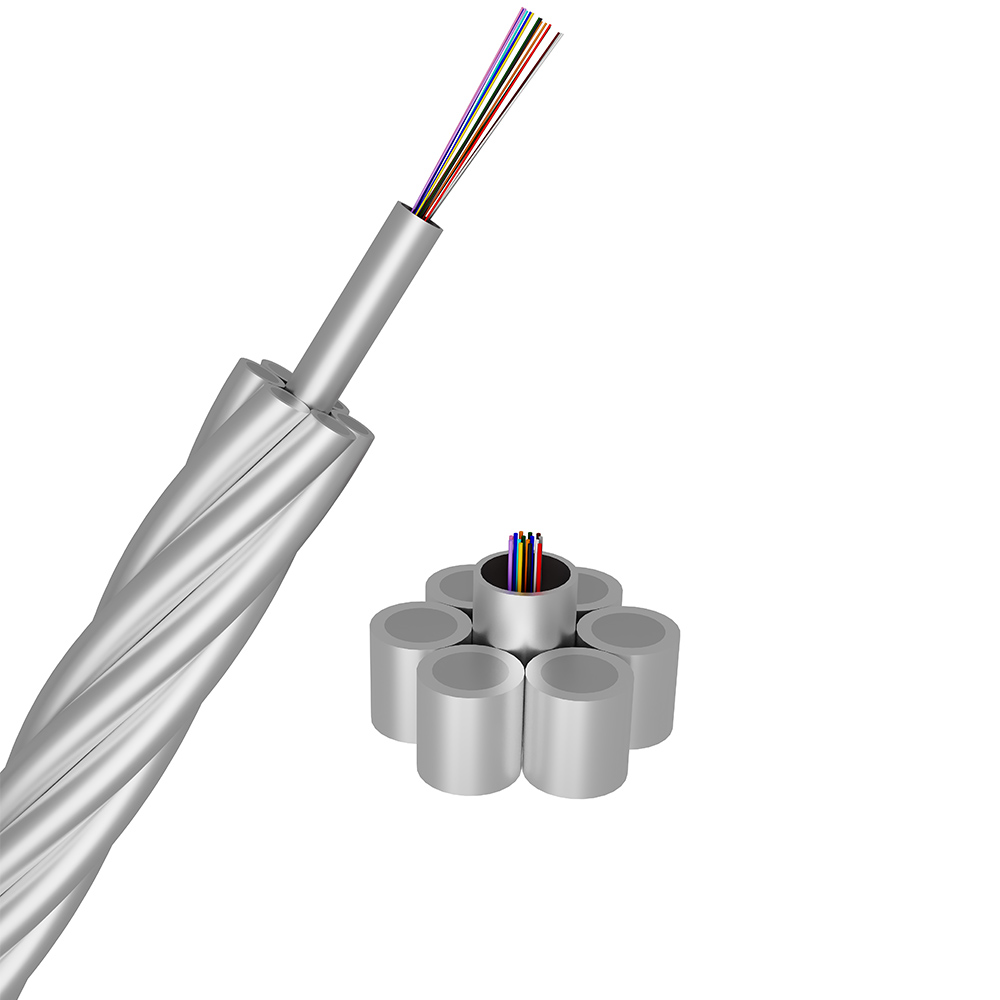
High-Capacity OPGW Backbone Fiber Optic Cable for FTTH Distribution
Backbone Fiber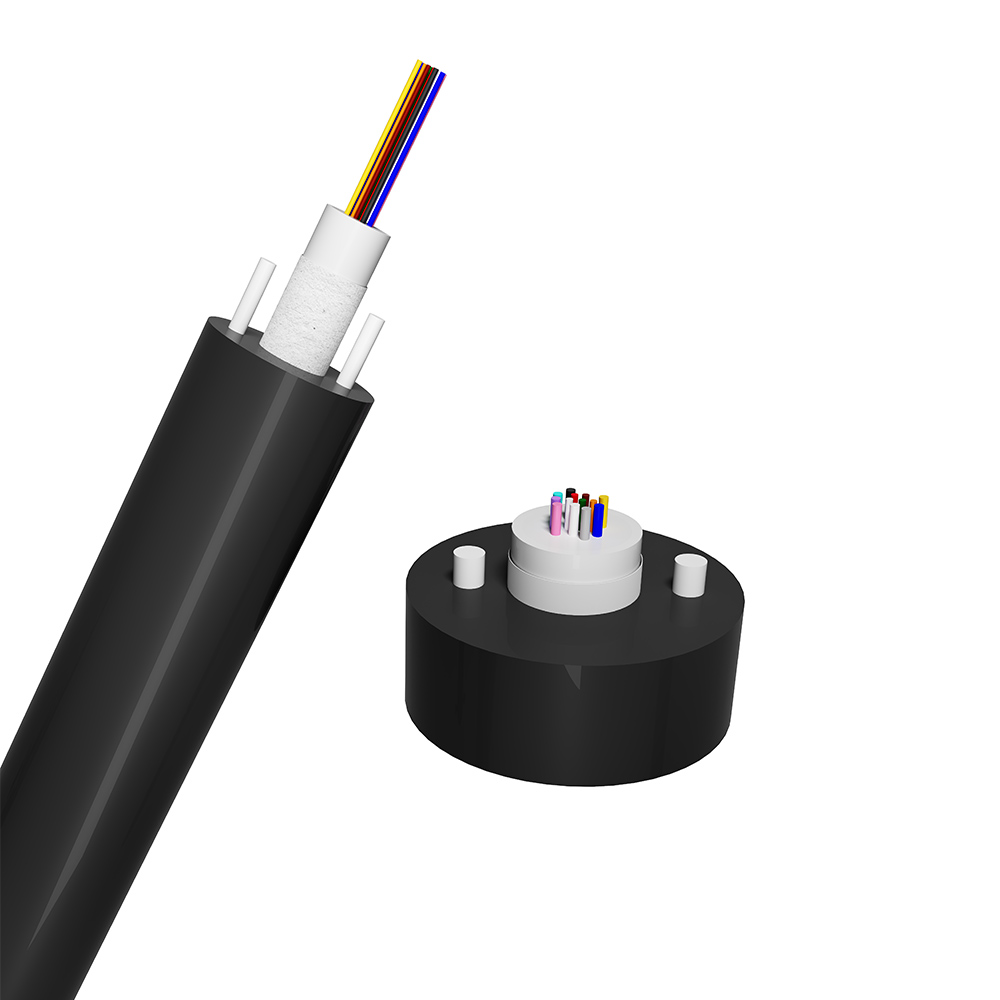
Central Loose Tube Non-Metallic Drop Cable for Residential FTTH
Drop Cable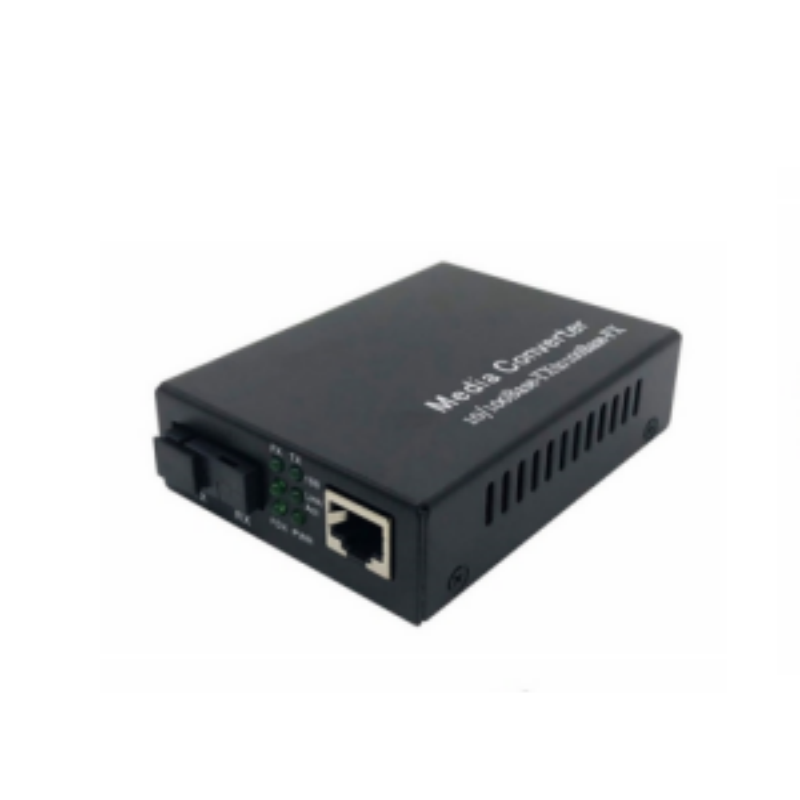
Ethernet-to-Fiber Media Converter for FTTH Last-Mile Access
Media Converter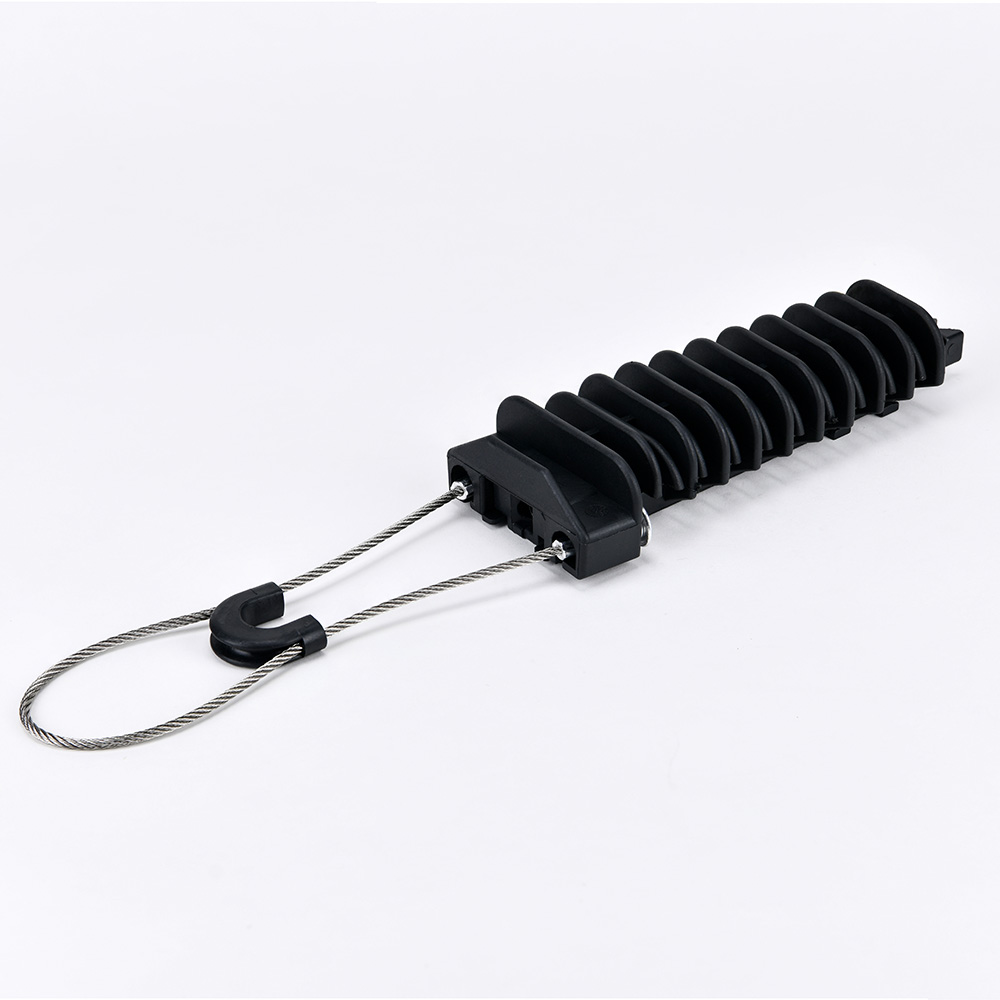
Heavy-Duty Anchoring Clamp PA2000 for Aerial FTTH Cable Deployment
Hardware & FittingsDeep Dive: Residential FTTH Optical Access Networks
Architectures, Cable Designs, and Last-Mile Technical Demands
The global demand for high-speed, low-latency internet has transformed the telecommunications landscape. Fiber to the Home (FTTH) has emerged as the gold standard for residential broadband delivery, replacing legacy copper-based DSL and coaxial networks. At the core of this transition is the specialized fiber optic cable for residential FTTH optical access networks. These cables are engineered to withstand the unique physical challenges of last-mile installation while maintaining optimal optical transmission performance over decades.
Modern residential FTTH systems rely heavily on Passive Optical Network (PON) architectures. PON technology enables a single optical fiber from the Central Office (CO) to serve multiple end-users via unpowered optical splitters. While GPON (Gigabit PON) remains widely deployed, operators are rapidly migrating to XGS-PON to support symmetrical 10 Gbps speeds, necessitating premium-grade fiber optic cables that exhibit minimal attenuation across all operational wavelengths (1310nm, 1490nm, and 1550nm/1577nm).
Optimizing Fiber Cable Construction for Residential Environments
Residential installations present layout complexities that standard long-haul trunk cables cannot handle. Sharp corners, tight bends, and routing through narrow conduits require cables with specific mechanical properties:
- Bend-Insensitive Fiber (ITU-T G.657): Standard G.652.D single-mode fiber is highly susceptible to macro-bending losses when routed around wall corners. FTTH drop cables utilize G.657.A1 or G.657.A2 bend-insensitive fibers, which maintain signal integrity even when bent to a radius as small as 7.5mm.
- Low Smoke Zero Halogen (LSZH) Jackets: For indoor routing, safety regulations mandate the use of LSZH materials. In the event of a fire, LSZH jackets emit minimal toxic fumes and smoke, protecting residents and property.
- Strength Members (FRP vs. Steel): Non-metallic Fiber Reinforced Plastic (FRP) strength members are preferred for residential installations. They provide excellent tensile strength to resist pulling forces during installation while remaining lightweight and completely non-conductive, eliminating grounding concerns.
Commercial & Industrial Landscape of FTTH
Market Drivers, Global Investment Trends, and Industry Standards
The commercial market for FTTH infrastructure is experiencing unprecedented growth. Driven by the proliferation of remote work, cloud computing, 8K video streaming, and the rise of Smart Home IoT devices, consumers now view high-speed broadband as an essential utility, comparable to electricity and water.
Global Market Drivers and Government Initiatives
Governments worldwide are actively funding broadband expansion projects to bridge the digital divide. Programs such as the United States' BEAD (Broadband Equity, Access, and Deployment) program and the European Union's Digital Decade target 100% gigabit connectivity for households by 2030. These initiatives have catalyzed massive private equity investments into regional altnets (alternative networks) and tier-1 operators, creating a sustained demand for reliable fiber optic cables, distribution boxes, and optical splitters.
A key industrial trend is the convergence of FTTH and 5G wireless networks. 5G small cells require dense fiber backhaul networks to deliver ultra-low latency. Network planners are increasingly deploying high-fiber-count cables in residential areas that serve a dual purpose: providing FTTH broadband to homes and acting as backhaul access points for neighborhood 5G microcells.
Key Deployment Challenges and Solutions
Despite high demand, deployment costs remain a challenge, with the "last mile" accounting for up to 70% of total network capital expenditure. To mitigate these costs, the industry is shifting toward:
- Pre-Terminated Cabling Systems: Eliminating the need for highly skilled fusion splicing technicians at the customer premises, pre-terminated drop cables allow for plug-and-play connections, reducing installation times by up to 50%.
- Micro-Duct and Air-Blown Fiber: In dense urban areas, installers lay empty micro-ducts underground and blow micro-cables through them using compressed air as needed. This pay-as-you-grow model defer capital expenditure until subscribers sign up.
Advanced Application Scenarios
Tailoring Fiber Infrastructure to Diverse Residential Environments
FTTH deployment strategies vary significantly depending on the density and architecture of the residential zone. Below, we analyze three primary deployment scenarios and the specific fiber optic solutions they require.
1. Multi-Dwelling Units (MDUs)
High-rise apartments and condominiums present complex indoor routing paths. Vertical riser shafts require fire-rated riser cables, while horizontal distribution to individual apartments utilizes ultra-flexible, low-profile drop fibers. Micro-duct systems are frequently deployed to facilitate future upgrades without disturbing building structures.
2. Suburban Single-Family Homes
Suburban setups typically involve aerial distribution from utility poles. Self-supporting drop cables, such as Figure-8 cables or lightweight ADSS (All-Dielectric Self-Supporting) cables, are used to span the distance from the distribution pole to the home's eave. Heavy-duty anchoring clamps secure the span against wind and ice loads.
3. Rural Broadband Expansion
Rural deployments feature long distances between premises. Operators deploy cost-effective, long-span aerial fiber or direct-buried armored fiber cables to protect against rodent damage and environmental stress. High-power optical line terminals (OLTs) and sensitive optical network units (ONUs) are paired to maintain signal integrity over extended loops.
Oyi International ., Ltd.
A Leading Global Fiber Optic Solutions Provider
Oyi international., Ltd. is a dynamic and innovative fibre optic cable company based in Shenzhen, China. Since its inception in 2006, OYI has been dedicated to providing world-class fibre optic products and solutions to businesses and individuals across the globe. Our Technology R&D department has more than 20 specialized staff committed to developing innovative technologies and providing high-quality products and services. We export our products to 143 countries and have established long-term partnerships with 268 clients.
Our products are widely used in telecommunications, data center, CATV, industrial and other areas. Our main products include various types of optical fiber cables, fiber optic linkers, fiber distribution series, fiber optic connectors, fiber optic adapters, fiber optic couplers, fiber optic attenuators, and WDM series. Not only that, our products cover ADSS, ASU, Drop Cable, Micro Duct Cable, OPGW, Fast Connector, PLC Splitter, Closure, FTTH Box, etc. In addition, we provide our customers with complete fiber optic solutions, such as Fiber to the Home (FTTH), Optical Network Units (ONUs), and High Voltage Electrical Power Lines. We also provide OEM designs and financial support to help our customers integrate multiple platforms and reduce costs.


Company Philosophy & Manufacturing
Commitment to Innovation, Quality, and Global Connectivity Standards
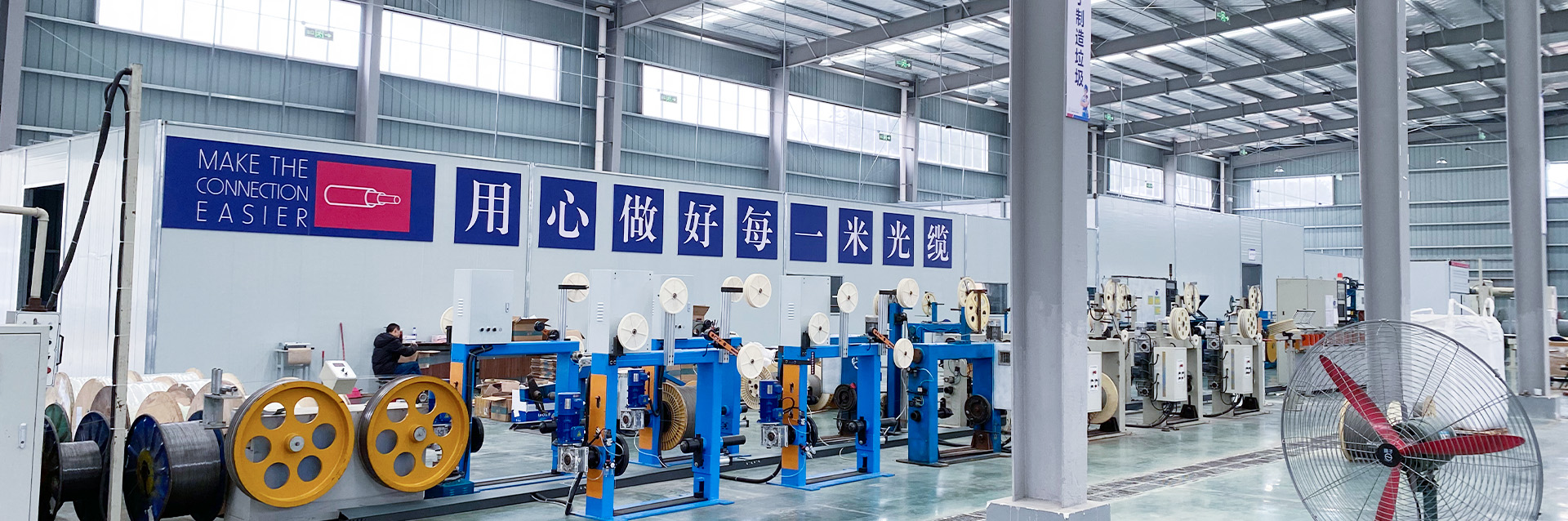
Our Factory
We are committed to innovation and excellence. Our team of experts are constantly pushing the boundaries of what’s possible, ensuring that we remain at the forefront of the industry. We invest heavily in research and development to ensure that we are always one step ahead of the competition. Our cutting-edge technology allows us to produce fibre optic cables that are not only faster and more reliable, but also more durable and cost-effective.
Our advanced manufacturing process ensures that our fibre optic cables are of the highest quality, guaranteeing lightning-fast speeds and reliable connectivity. Our commitment to excellence means that our customers can always rely on us to provide them with the best possible solutions.
If you’re looking for a reliable, high-speed fibre optic cable solution, look no further than OYI. Contact us now to see how we can help you stay connected and take your business to the next level.
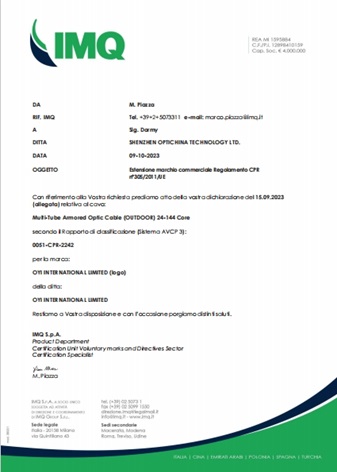
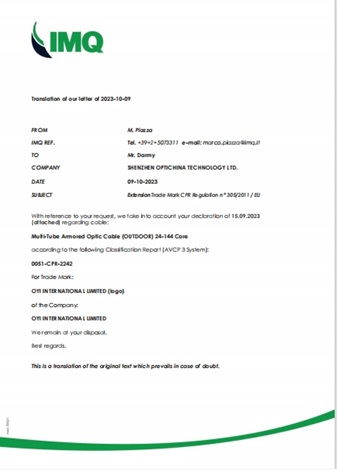
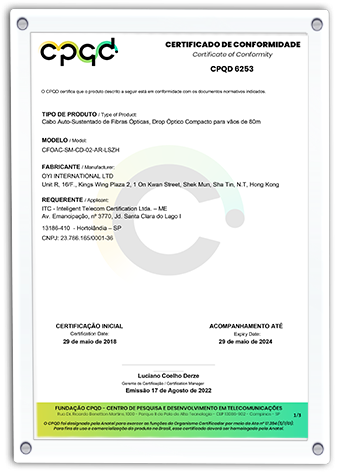
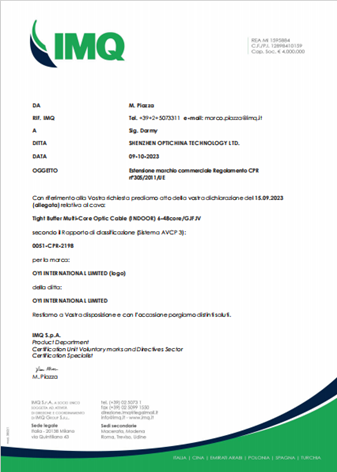
The Company has Obtained Certification


Our Complete Product Catalog
Explore Our Comprehensive Range of FTTH and Infrastructure Solutions
OPGW Optical Ground Wire for High-Voltage Transmission Lines
Optical Ground Wire
Central Loose Tube Non-Metallic & Non-Armored Fiber Optic Cable
Loose Tube Cable
10/100Base-TX Ethernet Port to 100Base-FX Fiber Port Converter
Media Converters
Anchoring Clamp PA2000 Tension Clamp for ADSS/OPGW Cables
Fittings & Clamps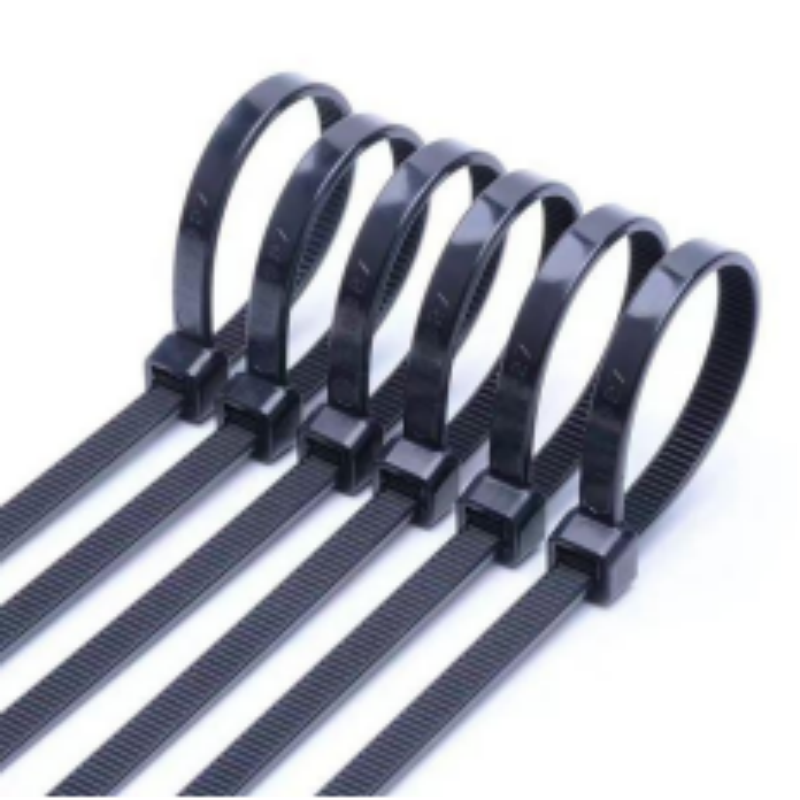
Heavy-Duty Cable Ties for Structured Cabling & Outdoor Management
Cable Accessories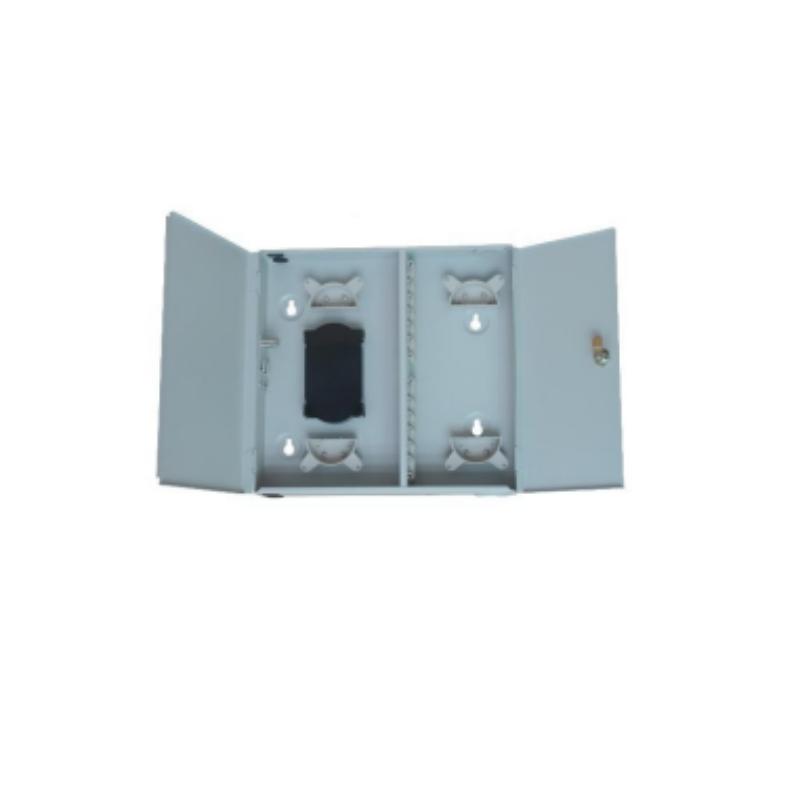
OYI-IW Series Indoor Wall-Mount Optical Distribution Box
Distribution Boxes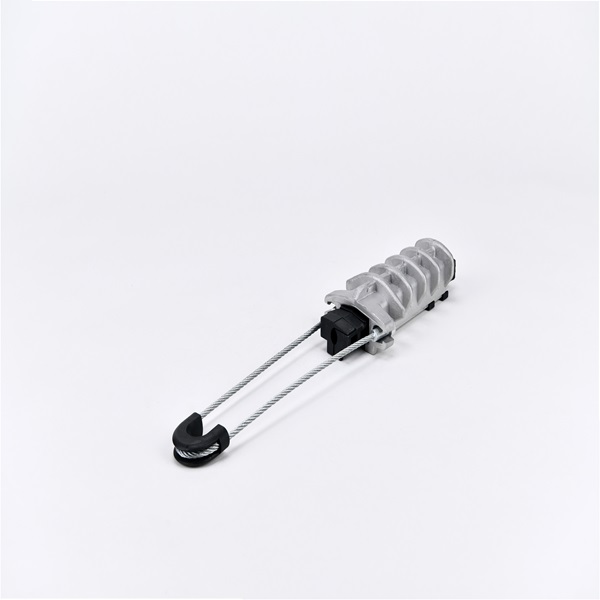
Anchoring Clamp PAL1000-2000 High-Strength Suspension Fitting
Fittings & Clamps