 0755-23179541
  sales@oyii.net
.png) 8618926041961
8618926041961Featured High-Speed Interconnect Products
Explore our primary physical layer components optimized for high-density optical switches and router SFP/SFP+ transceiver modules.
The Industrial & Commercial Paradigm of High-Speed Optical Connections
In the modern era of hyper-scale cloud computing, artificial intelligence (AI) clusters, and 5G telecommunication infrastructures, the demand for bandwidth is experiencing exponential growth. At the core of this digital transformation lies the optical transport network, where high-speed optical switches and enterprise-grade routers process petabytes of data every second. Connecting these massive hardware nodes requires highly specialized, low-loss, and high-density fiber optic cables configured specifically for Small Form-Factor Pluggable (SFP, SFP+, SFP28, QSFP+, QSFP28, and OSFP) transceiver modules.
The commercial landscape has shifted rapidly from legacy 10G and 40G systems to state-of-the-art 100G, 400G, and emerging 800G optical architectures. In this high-frequency environment, the physical fiber optic patch cable is no longer considered a passive accessory; it is a critical component that directly influences signal integrity, link length, bit error rate (BER), and overall network latency. As data centers transition to spine-leaf architectures, the density of fiber connections inside optical switch ports has multiplied, requiring robust, bend-insensitive fiber cabling solutions that can withstand congested cable trays while maintaining optimal transmission performance.
High-Density SFP Transceiver Integration
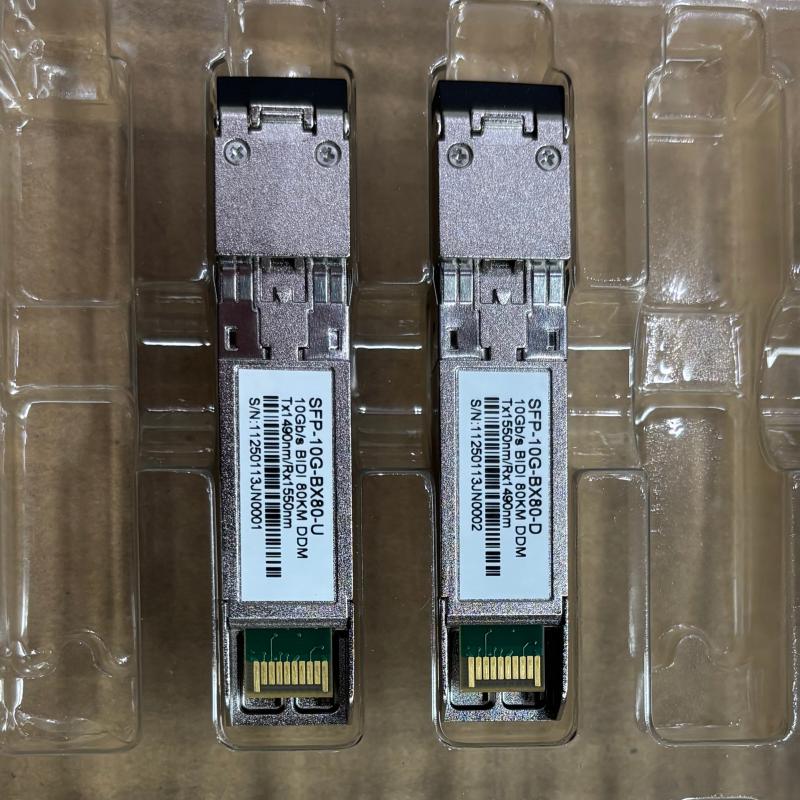
SFP modules act as the bridge between the electrical processing units of routers and switches and the optical transport media. High-performance fiber optic patch cords equipped with ultra-polished LC or MTP/MPO connectors ensure minimal insertion loss and high return loss at the transceiver interface. This interface integrity is crucial for preventing optical reflections that can degrade transceiver laser performance and disrupt high-speed switch backplanes.
Silicon Photonics & The Co-Packaged Optics (CPO) Revolution
As speeds exceed 800Gbps, traditional copper interconnects become obsolete due to severe attenuation and electromagnetic interference (EMI). The industry is rapidly adopting silicon photonics and Co-Packaged Optics (CPO), which bring the optical interfaces directly onto the silicon switch ASIC. This transition necessitates ultra-reliable, specialized fiber array assemblies and fiber optic cables capable of interfacing with multi-channel transceivers, reducing power consumption and latency at the physical layer.
Technical Deep Dive: Fiber Optic Cable Selection for Switch & Router Interfaces
Single-Mode (SMF) vs. Multi-Mode (MMF) in SFP Deployments
Choosing the correct fiber optic cable type is highly dependent on the transmission distance and the wavelength of the SFP modules deployed within switches and routers:
Single-Mode Fiber (OS2): Utilizing a narrow core of approximately 9 microns, OS2 single-mode fiber cables are optimized for long-distance transmissions ranging from 2km up to 80km or more. When paired with long-wavelength SFP+ transceivers (operating at 1310nm or 1550nm), they provide virtually unlimited bandwidth capacity with minimal dispersion, making them the standard for metropolitan networks, telecommunication backhaul, and inter-data center interconnects (DCI).
Multi-Mode Fiber (OM3, OM4, OM5): With a larger core diameter (typically 50 microns), laser-optimized multi-mode fibers are designed for short-reach applications, typically under 400 meters. These are widely used within data center server racks and switch-to-switch links. OM4 and OM5 (Wideband Multimode Fiber) support Shortwavelength Division Multiplexing (SWDM), allowing multiple wavelengths to transmit over a single fiber pair, thereby maximizing the density of SFP module channels.
Crucial Cable Characteristics for Enterprise Routing
To ensure uninterrupted operation of core routers and edge switches, fiber optic cables must meet strict physical and optical specifications:
- Insertion Loss (IL): Must be kept under 0.2dB for premium connections to prevent signal degradation over multi-connection optical paths.
- Return Loss (RL): Typically greater than 50dB (UPC) or 60dB (APC) to prevent back-reflections from damaging SFP lasers.
- Bend Insensitivity (ITU-T G.657): Essential for tight cable routing within high-density patch panels and switch enclosures without causing macro-bend signal attenuation.
- LSZH (Low Smoke Zero Halogen) Jackets: Crucial for compliance with international safety standards, minimizing toxic gas emission in the event of a fire inside data centers.
Deep Application Scenarios of Fiber Connections
1. Hyper-Scale Data Centers & AI Compute Clusters
Within modern AI compute clusters, thousands of GPU nodes are linked via high-speed InfiniBand or Ethernet switches. These connections demand ultra-low latency. High-density fiber optic patch cables connect high-port-count switches to router SFP modules. Any packet drop due to poor fiber quality can stall massive parallel processing algorithms, making physical layer reliability paramount.
2. Telecom Central Offices & 5G Fronthaul
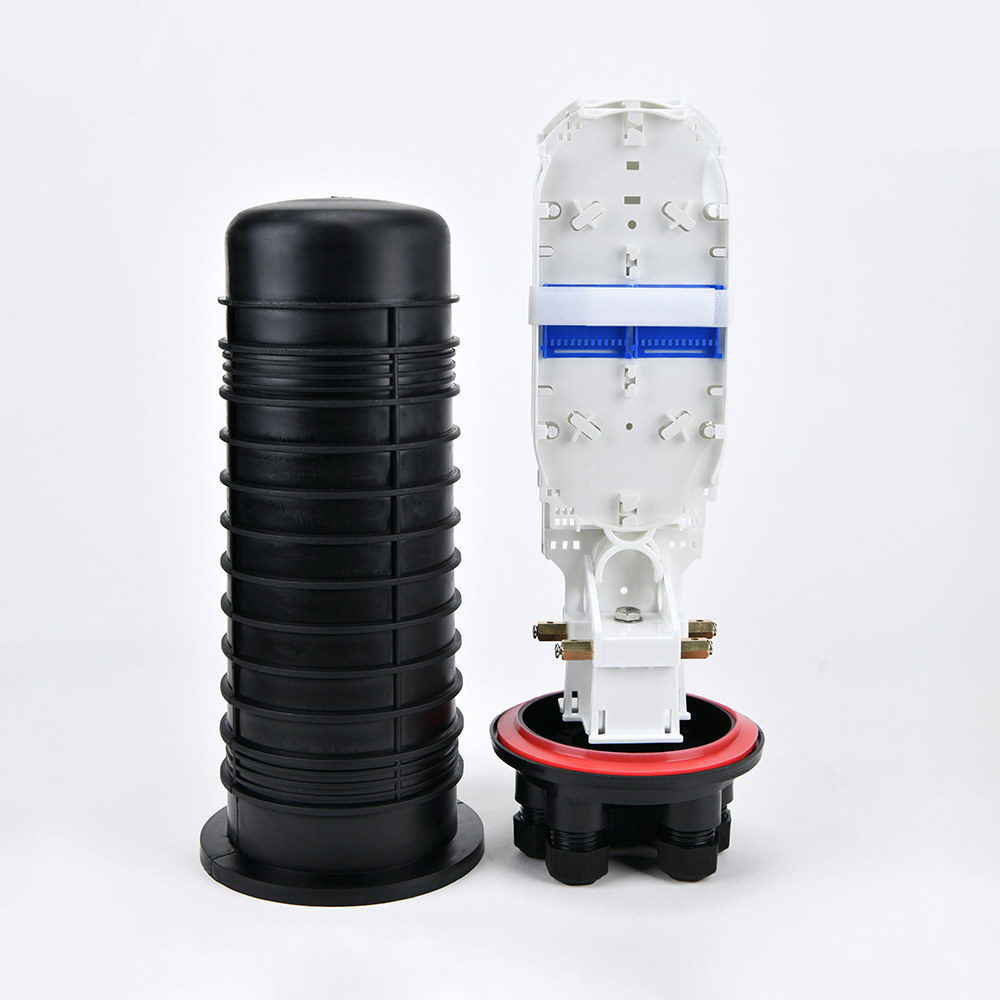
At telecommunication base stations and central offices, optical switches route traffic from cellular towers to the core network. Fiber optic cables connect outdoor-rated SFP modules inside remote radio heads (RRH) to baseband units (BBU). These cables must withstand harsh environmental conditions, temperature fluctuations, and physical tension, requiring ruggedized outer jackets and IP68-rated fiber closures.
3. Enterprise Core Networks & Financial Trading Systems
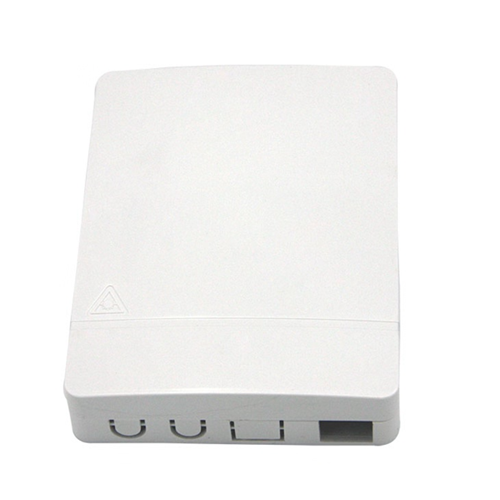
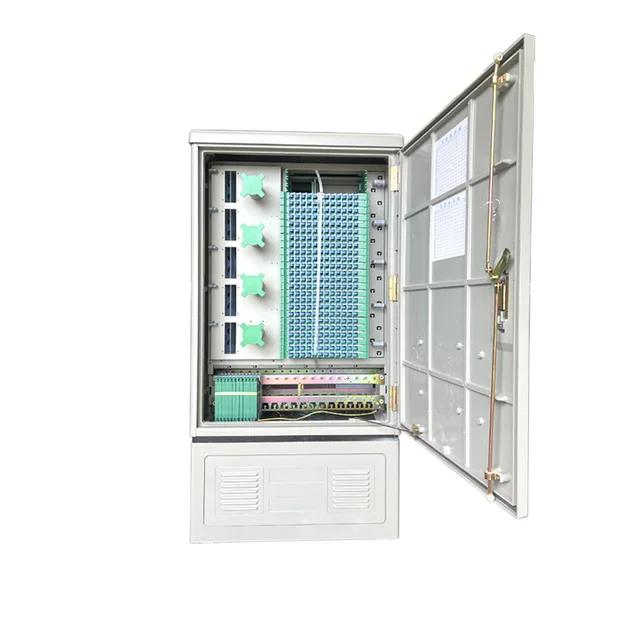
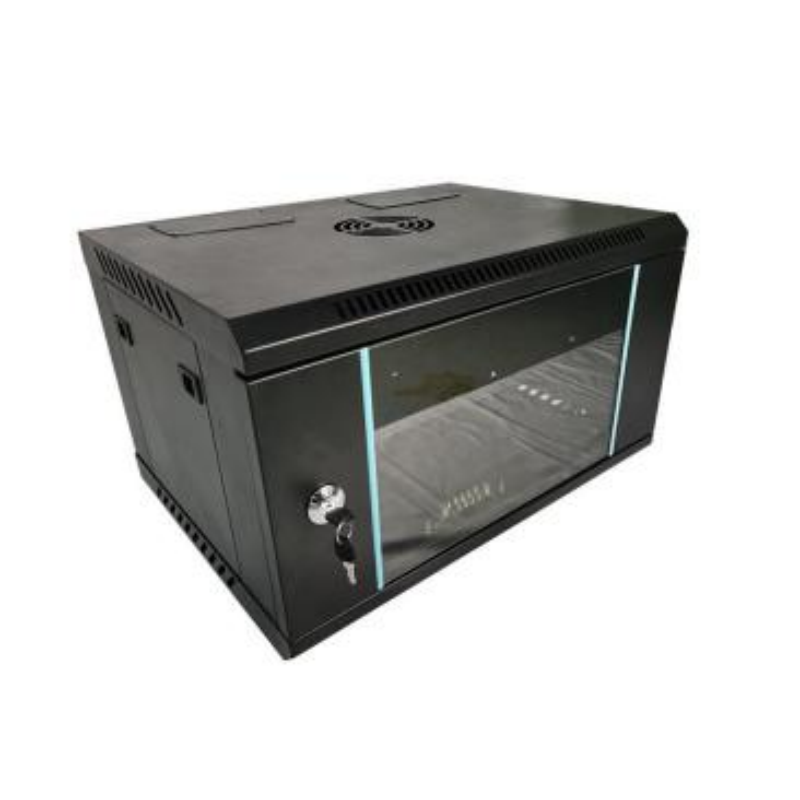
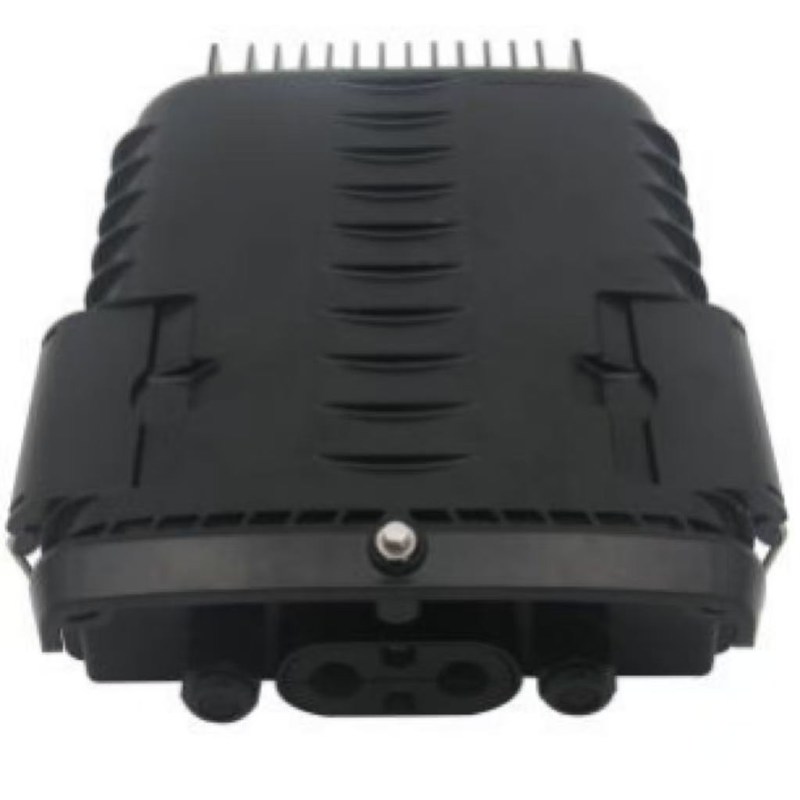
In corporate headquarters and financial institutions, core routers handle massive transaction volumes. High-speed SFP+ transceivers and optimized fiber patch cords ensure microsecond-level latency for high-frequency trading platforms. Reliable distribution cabinets and desktop patch boxes organize this infrastructure, preventing accidental disconnects and simplifying maintenance.
Oyi International ., Ltd.
Oyi international., Ltd. is a dynamic and innovative fibre optic cable company based in Shenzhen, China. Since its inception in 2006, OYI has been dedicated to providing world-class fibre optic products and solutions to businesses and individuals across the globe. Our Technology R&D department has more than 20 specialized staff committed to developing innovative technologies and providing high-quality products and services. We export our products to 143 countries and have established long-term partnerships with 268 clients.
Our products are widely used in telecommunications, data center, CATV, industrial and other areas. Our main products include various types of optical fiber cables, fiber optic linkers, fiber distribution series, fiber optic connectors, fiber optic adapters, fiber optic couplers, fiber optic attenuators, and WDM series. Not only that, our products cover ADSS, ASU, Drop Cable, Micro Duct Cable, OPGW, Fast Connector, PLC Splitter, Closure, FTTH Box, etc. In addition, we provide our customers with complete fiber optic solutions, such as Fiber to the Home (FTTH), Optical Network Units (ONUs), and High Voltage Electrical Power Lines. We also provide OEM designs and financial support to help our customers integrate multiple platforms and reduce costs.
About Oyi Manufacturing & Operations


Company Philosophy
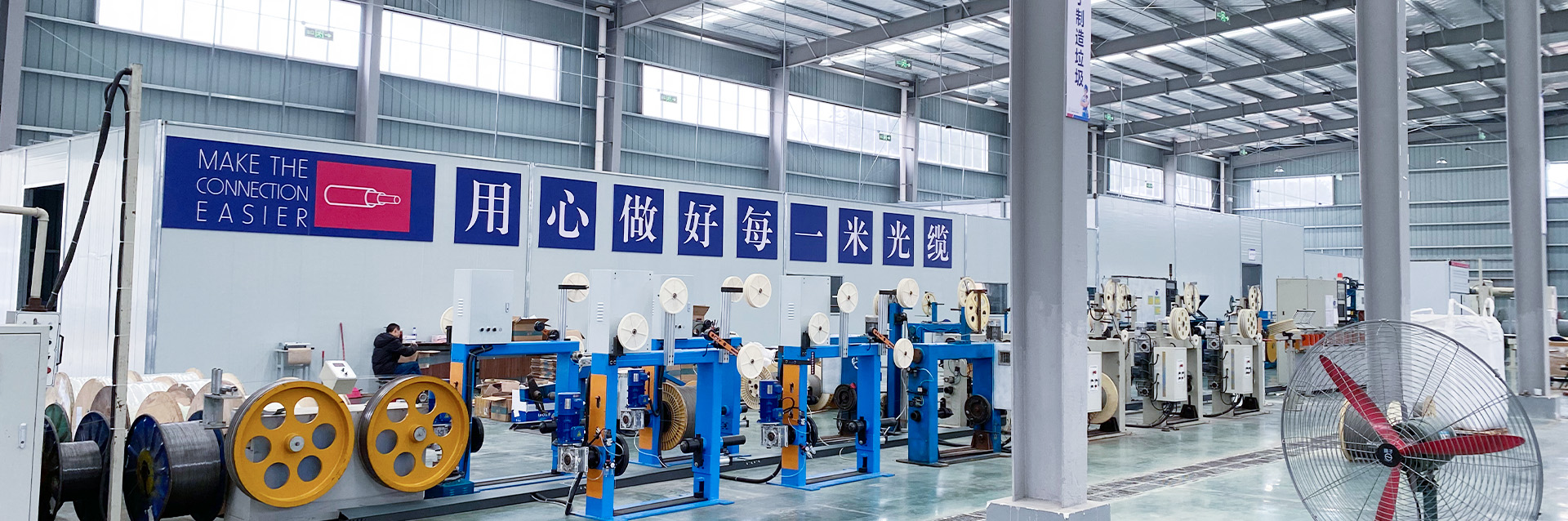
Our Factory & Commitment
We are committed to innovation and excellence. Our team of experts are constantly pushing the boundaries of what’s possible, ensuring that we remain at the forefront of the industry. We invest heavily in research and development to ensure that we are always one step ahead of the competition. Our cutting-edge technology allows us to produce fibre optic cables that are not only faster and more reliable, but also more durable and cost-effective.
Our advanced manufacturing process ensures that our fibre optic cables are of the highest quality, guaranteeing lightning-fast speeds and reliable connectivity. Our commitment to excellence means that our customers can always rely on us to provide them with the best possible solutions.
If you’re looking for a reliable, high-speed fibre optic cable solution, look no further than OYI. Contact us now to see how we can help you stay connected and take your business to the next level.
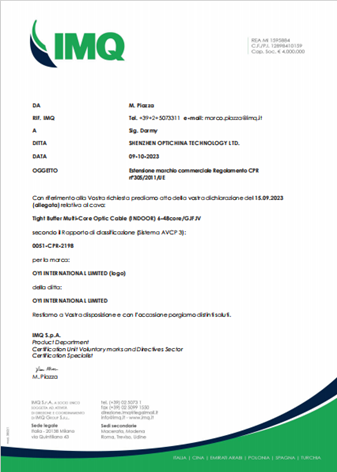
The Company has Obtained Certification
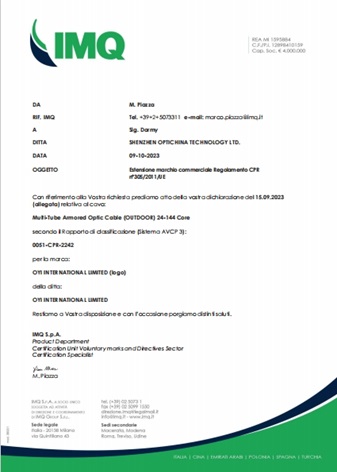
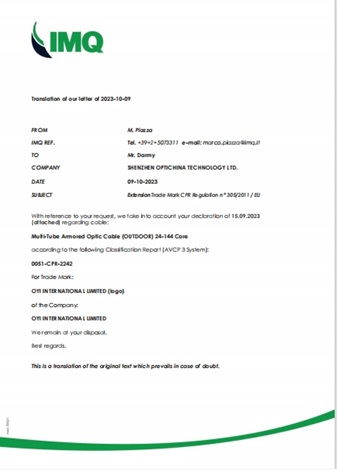
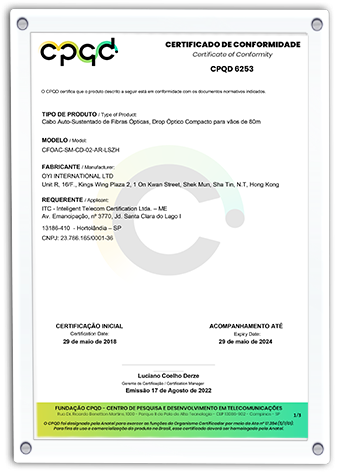


Complete High-Speed Optical Interconnect Portfolio
Browse our comprehensive range of high-performance fiber optic distribution panels, splitters, terminal boxes, and transceivers designed to ensure seamless integration with high-speed switches and routers.