 0755-23179541
  sales@oyii.net
.png) 8618926041961
8618926041961Featured Drop Cable Deployment Solutions
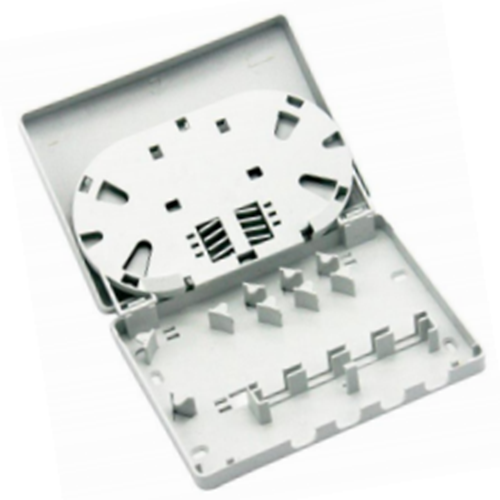
Explore our key structural components engineered for high-performance home-run cabling and secure wall-mounted drop deployments.
The Commercial & Industrial Landscape of Home-Run Drop Cable Deployments
In modern telecommunications, the race to deliver gigabit and multi-gigabit broadband to residential and commercial properties has accelerated the adoption of Fiber-to-the-Home (FTTH) architectures. Among these, the home-run drop cable deployment strategy stands out as a highly reliable method for connecting individual subscribers directly to a localized distribution hub. Unlike distributed split topologies where splitting occurs at multiple cascading levels, a home-run architecture routes individual drop cables from a central fiber distribution point (FDP) or optical distribution node (ODN) straight to the subscriber’s premises.
This deployment strategy places extreme demands on the physical layer infrastructure. Outdoor fiber optic closures (FOSC) and wall-fixing termination boxes must serve as the robust gateway between the harsh external distribution network and the controlled indoor environment. In commercial and industrial contexts, operators look for closures that can withstand diverse environmental stressors—ranging from freezing temperatures and heavy rain to intense UV radiation—while ensuring rapid, error-free installation. The global market for fiber closures is experiencing a shift toward pre-connectorized and plug-and-play designs, which dramatically reduce labor costs and speed up time-to-revenue for internet service providers (ISPs).
IP68 Environmental Protection
Advanced mechanical sealing and silicone gel gaskets prevent dust and moisture ingress, ensuring decades of reliable service in outdoor wall-mounted environments.
Pre-Connectorized Speed
Supports fast-connector compatibility and hardened adapter interfaces, cutting installation times by up to 50% during subscriber activation.
Optimized Cable Management
Integrated splice trays, curvature radius protection, and dedicated routing paths safeguard delicate optical fibers against macrobending losses.
Structural Mechanics of Wall Fixing & Cable Management
Wall fixing is a critical phase of the home-run drop cable deployment process. Outdoor building envelopes present a variety of substrates, including brick, concrete, stucco, and wood siding. The fiber optic closure must be securely anchored using corrosion-resistant mounting brackets and hardware that can withstand wind loads, thermal expansion, and mechanical vibrations.
Within the closure, managing the physical transition of the drop cable is paramount. The box must feature robust cable strain relief clamps to prevent external pulling forces from transferring to the internal optical splices or connectors. Furthermore, bend-radius management mechanisms (typically maintaining a minimum bend radius of 30mm or 15mm for bend-insensitive fibers like G.657.A2) are integrated directly into the physical layout of the routing trays.
🔧 Key Design Considerations
- UV-Resistant Polycarbonate Materials: Ensures the enclosure does not degrade or become brittle under direct sunlight.
- Anti-Tamper Lock Systems: Restricts unauthorized physical access to critical customer fiber connections.
- Modular Entry Ports: Accommodates various drop cable profiles, including flat, round, and figure-8 cables.
- Integrated Splitter Compartments: Allows for seamless integration of PLC splitters (1:4, 1:8, or 1:16) directly inside the wall-mounted closure.
Future Trends in Fiber Optic Wall Fixing and Closure Technologies
As telecommunications networks evolve toward 10G-PON, 25G-PON, and beyond, the demand for physical layer reliability has never been higher. Future trends point towards the integration of smart sensors inside fiber closures to monitor internal humidity, temperature, and unauthorized entry. These IoT-enabled closures report real-time status updates to network operation centers (NOCs), allowing operators to proactively address physical faults before they impact customer service.
Another significant trend is the miniaturization of wall-mounted enclosures. As municipalities impose stricter aesthetic regulations on historic and urban building facades, manufacturers are designing ultra-slim, low-profile closures that blend seamlessly into building exteriors. Additionally, there is a strong push towards environmentally sustainable materials, with manufacturers utilizing recycled plastics and optimizing packaging to reduce the carbon footprint of global FTTH rollouts.
Deep-Dive Application Scenarios
1. Multi-Dwelling Units (MDUs) and High-Rise Buildings
In dense urban environments, home-run drop cabling is frequently deployed in MDUs. A centralized distribution box is mounted on a building's exterior wall or within a utility closet. Individual drop cables are then routed from this closure through vertical risers and horizontal conduits to reach each apartment unit. The wall-fixing mechanism must be highly adaptable to accommodate varying conduit entry angles and building structures while maintaining a neat, unobtrusive footprint.
2. Single-Family Units (SFUs) and Rural Broadband Expansion
For suburban and rural deployments, drop cables often span aerially from utility poles to the customer’s home. At the building facade, the cable transitions to a wall-fixed closure. This junction box serves as the demarcation point, protecting the splice between the rugged outdoor drop cable and the flexible, flame-retardant indoor fiber patch cord. The closure must withstand extreme weather variations, including heavy snow accumulation and high winds.
Oyi international ., Ltd.
Oyi international., Ltd. is a dynamic and innovative fibre optic cable company based in Shenzhen, China. Since its inception in 2006, OYI has been dedicated to providing world-class fibre optic products and solutions to businesses and individuals across the globe. Our Technology R&D department has more than 20 specialized staff committed to developing innovative technologies and providing high-quality products and services. We export our products to 143 countries and have established long-term partnerships with 268 clients.
Our products are widely used in telecommunications, data center, CATV, industrial and other areas. Our main products include various types of optical fiber cables, fiber optic linkers, fiber distribution series, fiber optic connectors, fiber optic adapters, fiber optic couplers, fiber optic attenuators, and WDM series. Not only that, our products cover ADSS, ASU, Drop Cable, Micro Duct Cable, OPGW, Fast Connector, PLC Splitter, Closure, FTTH Box, etc. In addition, we provide our customers with complete fiber optic solutions, such as Fiber to the Home (FTTH), Optical Network Units (ONUs), and High Voltage Electrical Power Lines. We also provide OEM designs and financial support to help our customers integrate multiple platforms and reduce costs.
Company Philosophy & Our Factory
We are committed to innovation and excellence. Our team of experts are constantly pushing the boundaries of what’s possible, ensuring that we remain at the forefront of the industry. We invest heavily in research and development to ensure that we are always one step ahead of the competition. Our cutting-edge technology allows us to produce fibre optic cables that are not only faster and more reliable, but also more durable and cost-effective.
Our advanced manufacturing process ensures that our fibre optic cables are of the highest quality, guaranteeing lightning-fast speeds and reliable connectivity. Our commitment to excellence means that our customers can always rely on us to provide them with the best possible solutions.
If you’re looking for a reliable, high-speed fibre optic cable solution, look no further than OYI. Contact us now to see how we can help you stay connected and take your business to the next level.
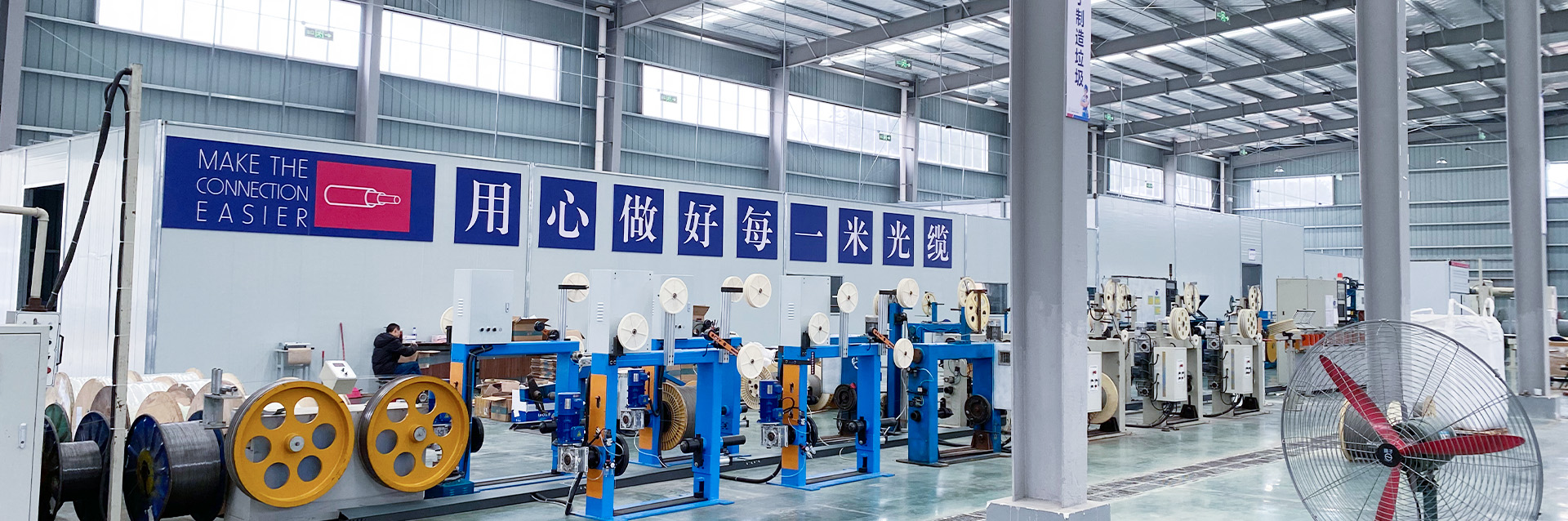
Industrial Showcase & Production Facilities


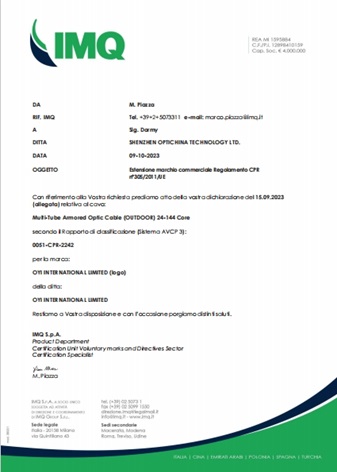
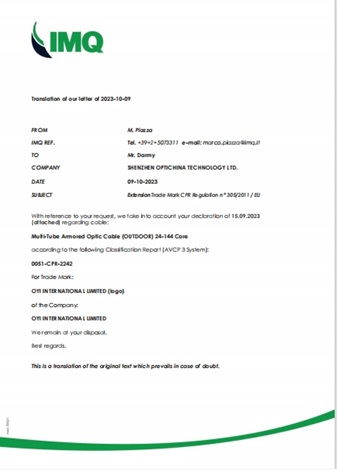
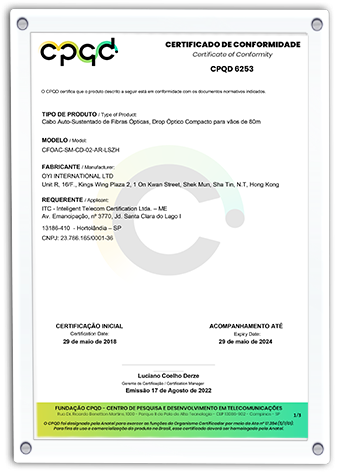
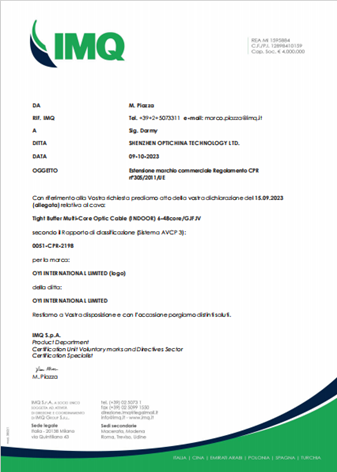
The Company has Obtained Certification
Our quality assurance and production processes comply with global standards, certified by international bodies.


Our Complete Fiber Optic Product Lineup
From self-supporting drop cables to mechanical closures and fast connectors, we offer a comprehensive suite of hardware designed to optimize your home-run deployments.
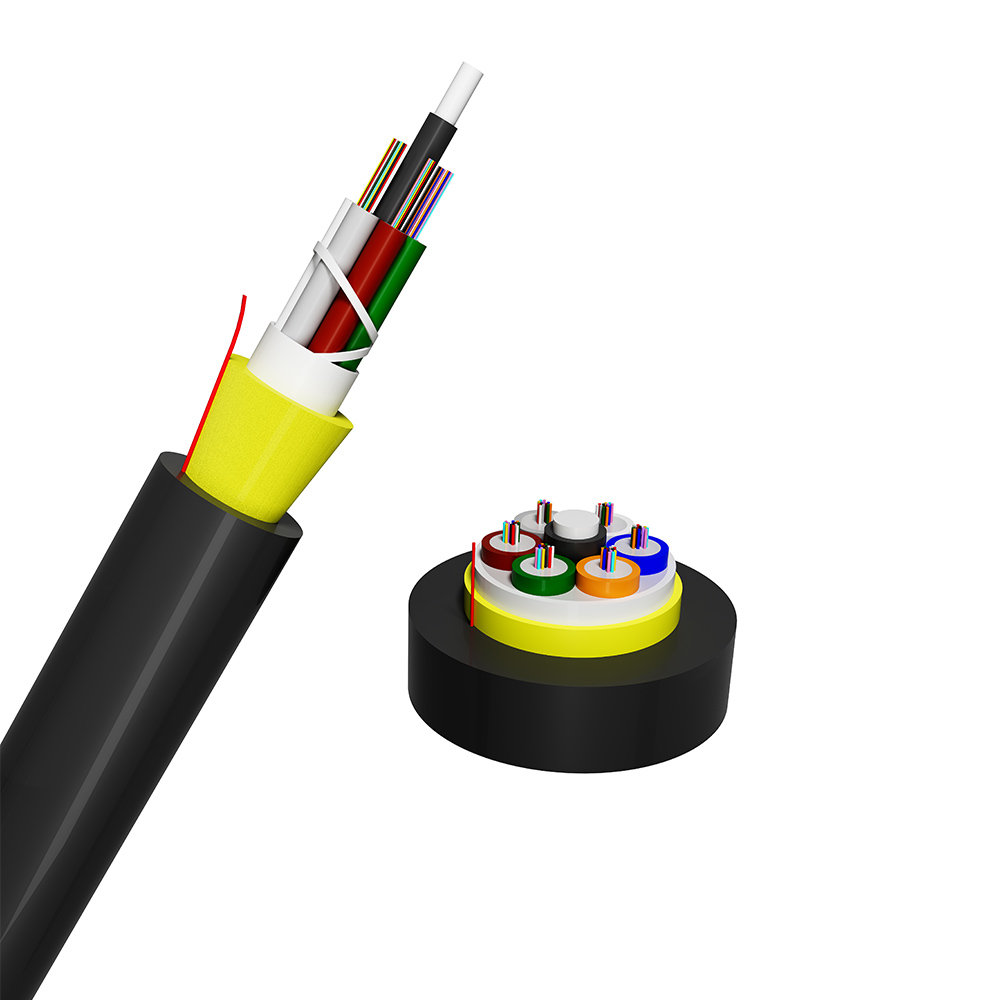
All Dielectric Self-Supporting Cable
View Details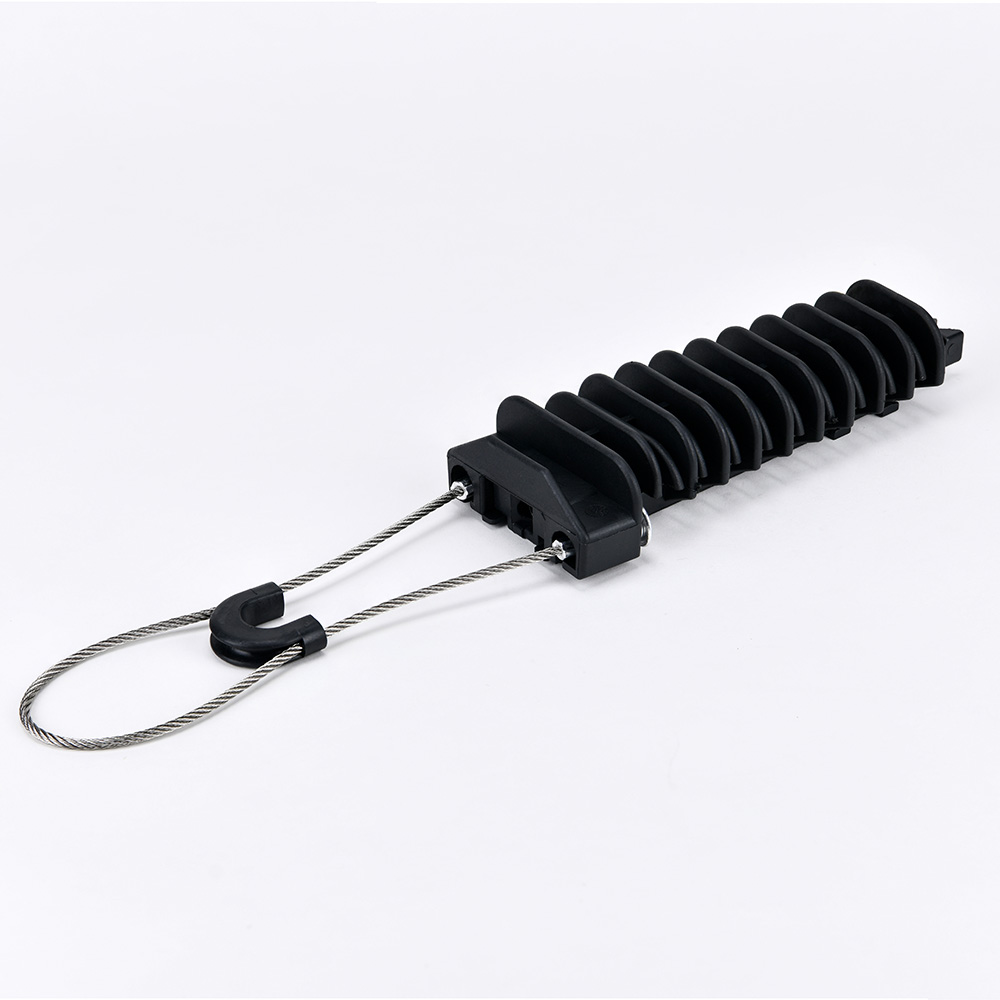
Anchoring Clamp PA2000 OPGW Fitting
View Details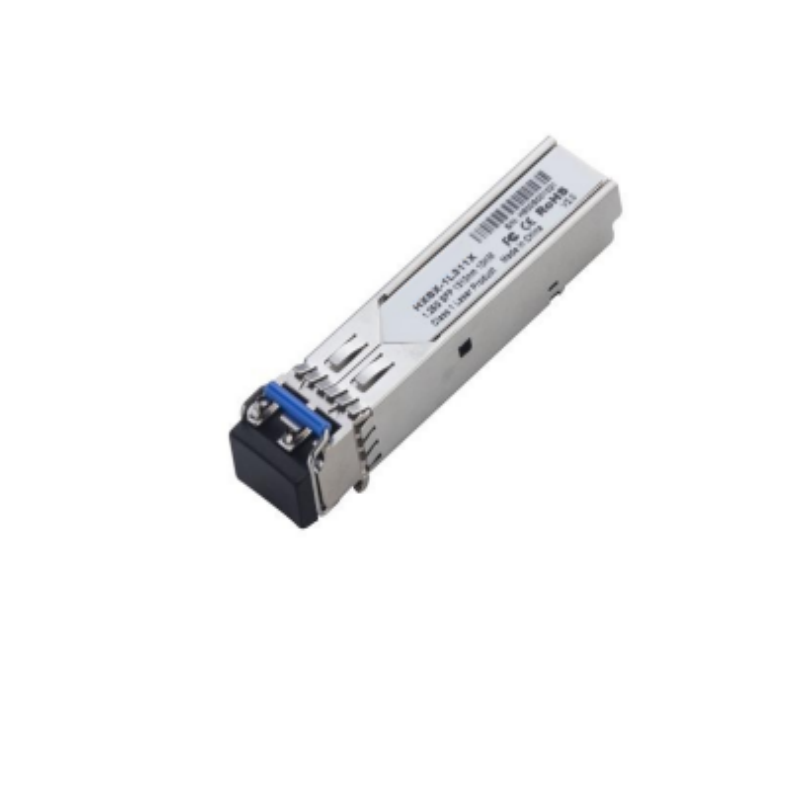
Module OYI-1L311xF Splice Module
View Details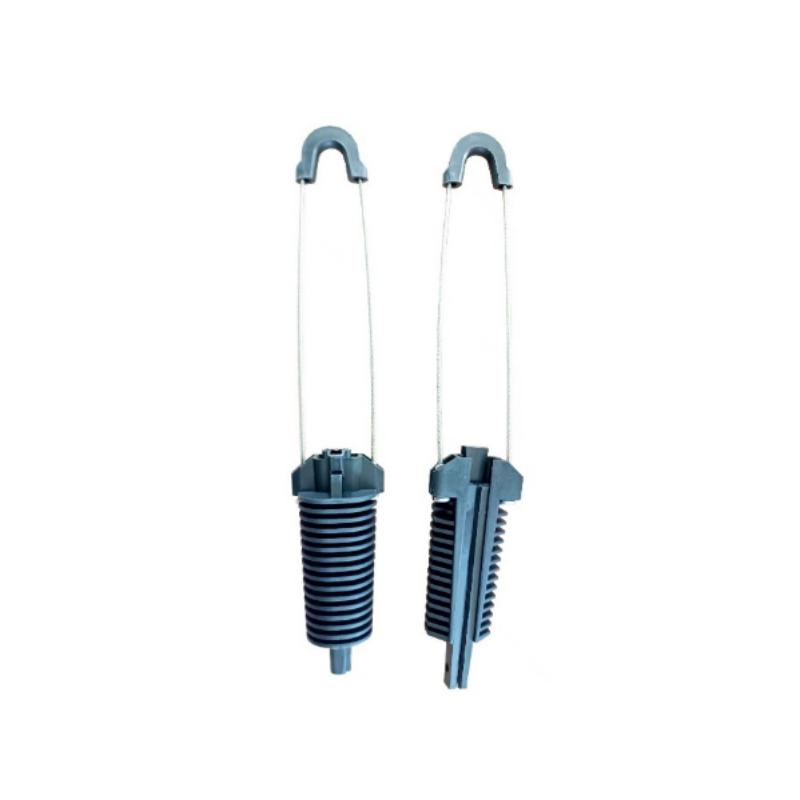
Anchoring Clamp PA300 Drop Clamp
View Details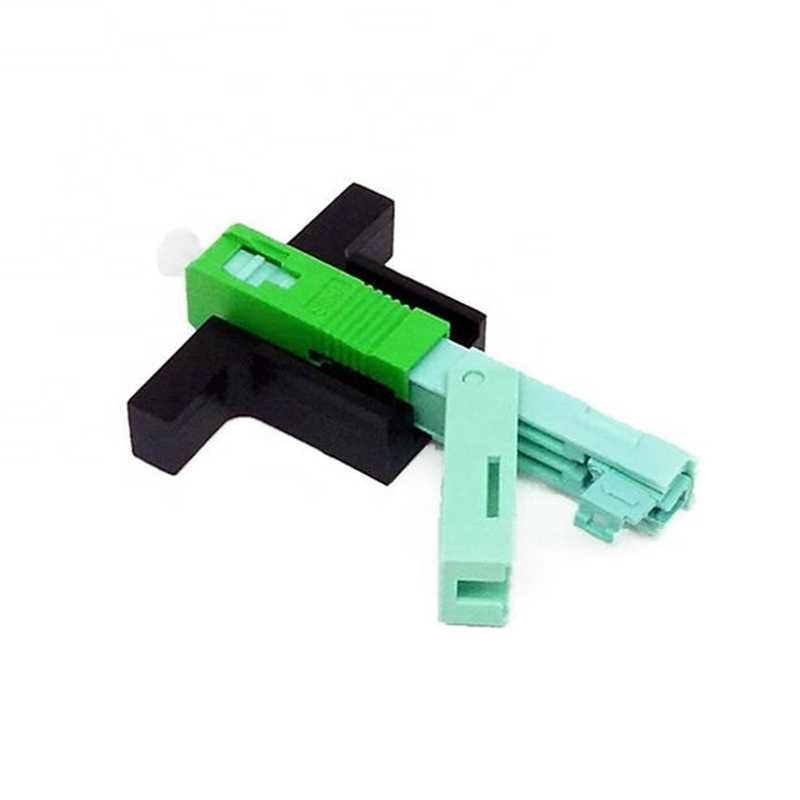
OYI E Type Fast Connector FTTH Cable
View Details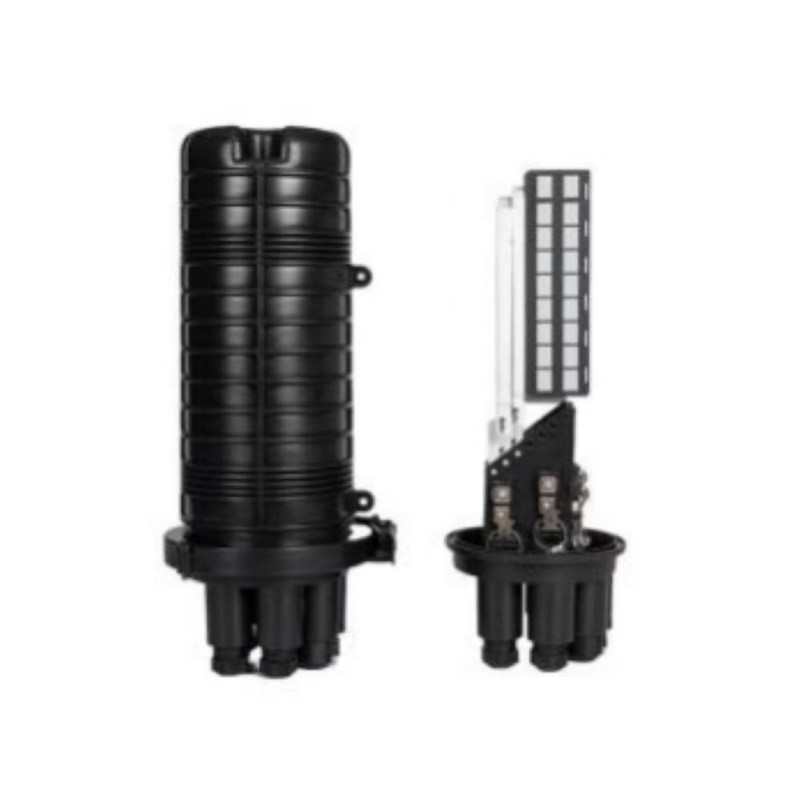
OYI-FOSC-D108M-B PLC Type Closure
View Details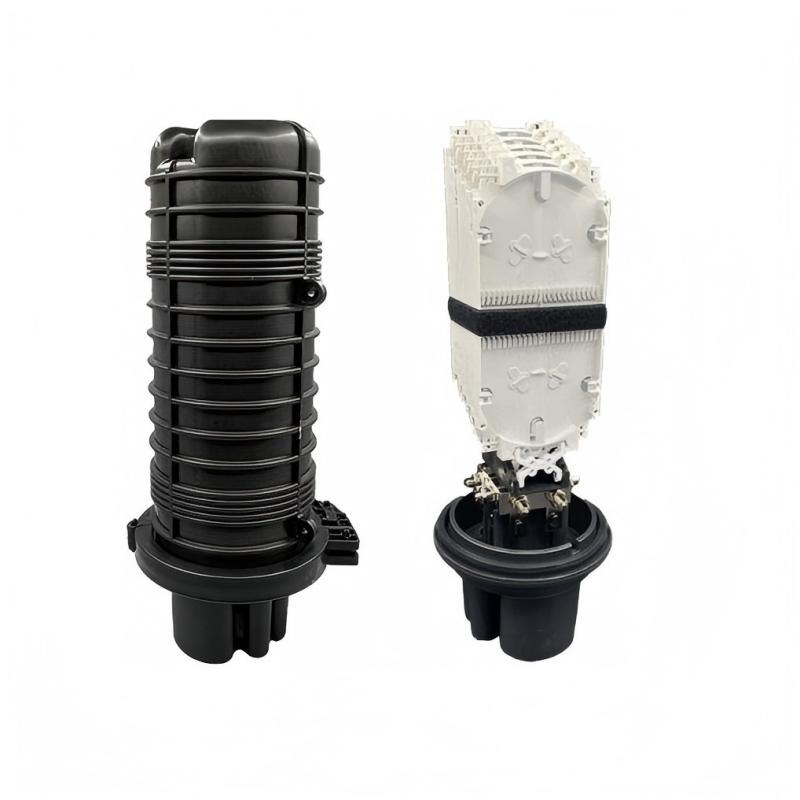
OYI-FOSC-D106H Fiber Optic Splice Closure
View Details