
 0755-23179541
 sales@oyii.net
 8618926041961
Featured Centralized Network Hardware Solutions
Industrial interconnect components optimized for ultra-dense cabinet routing architectures
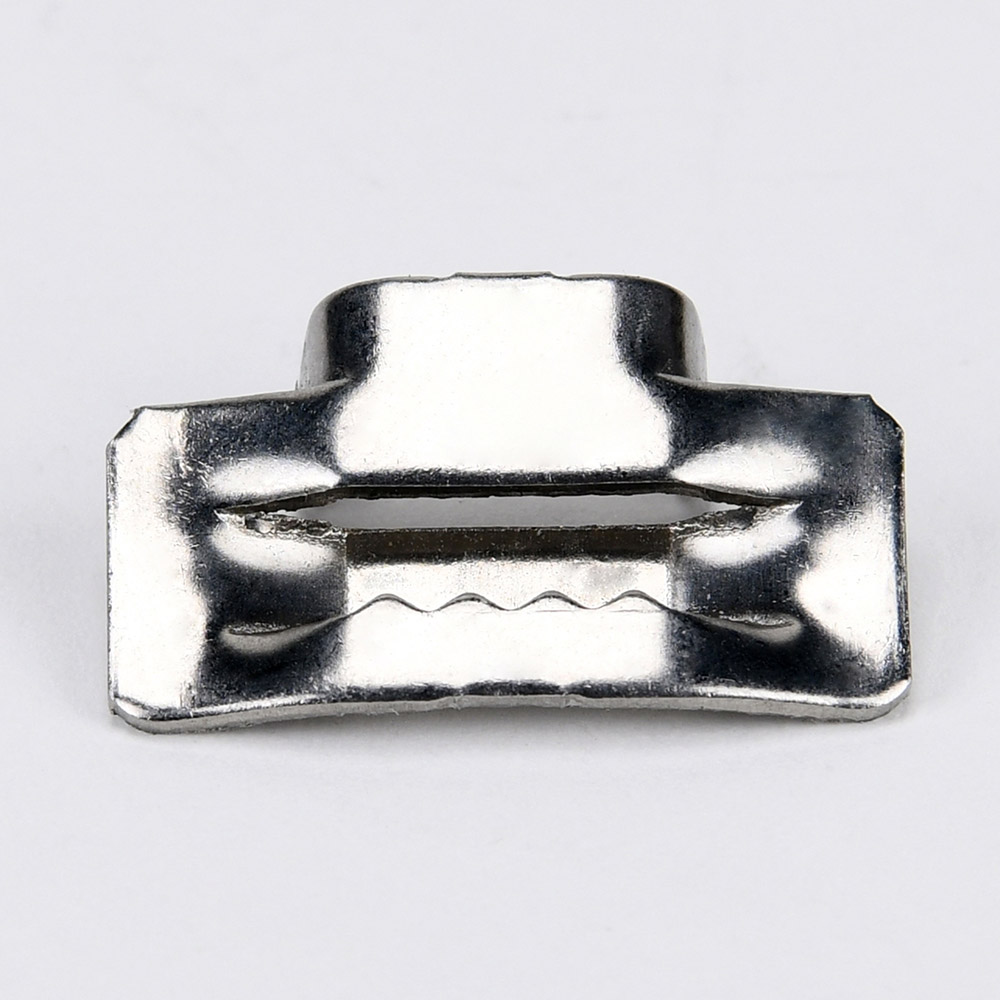 Ear-Lokt Stainless Steel Buckle
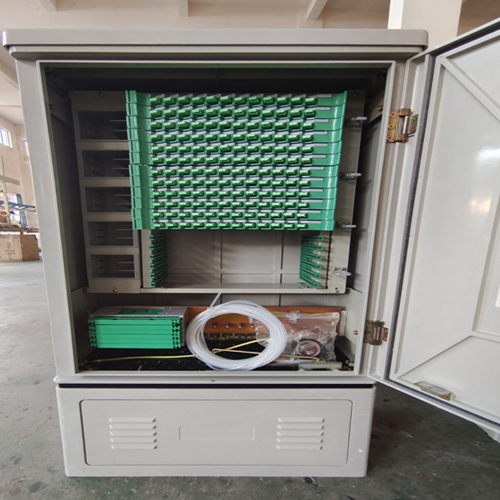 OYI-OCC-B Type
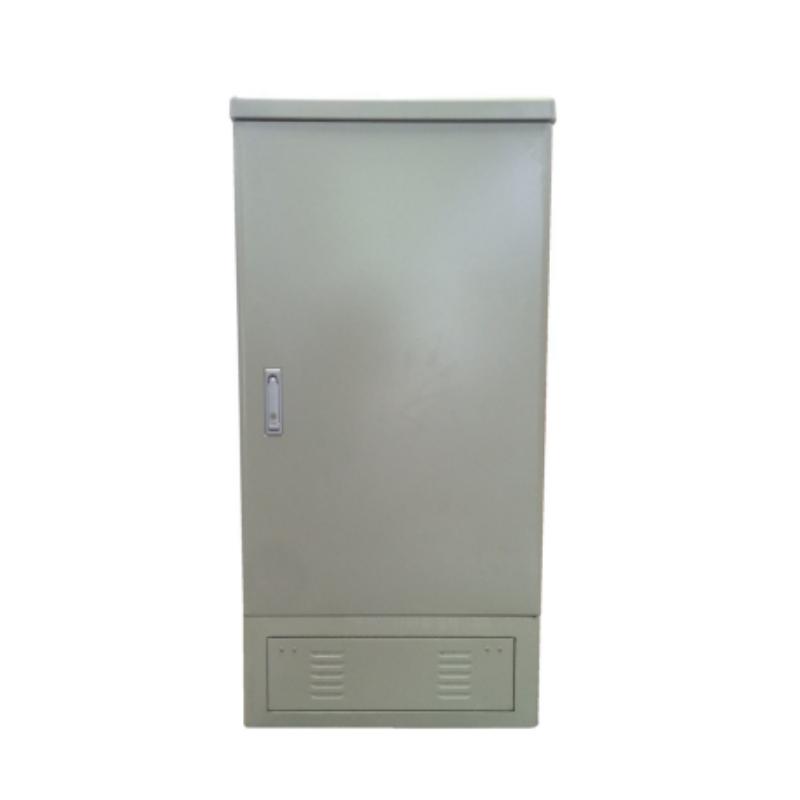 OYI-OCC-G Type (24-288)steel TYPE
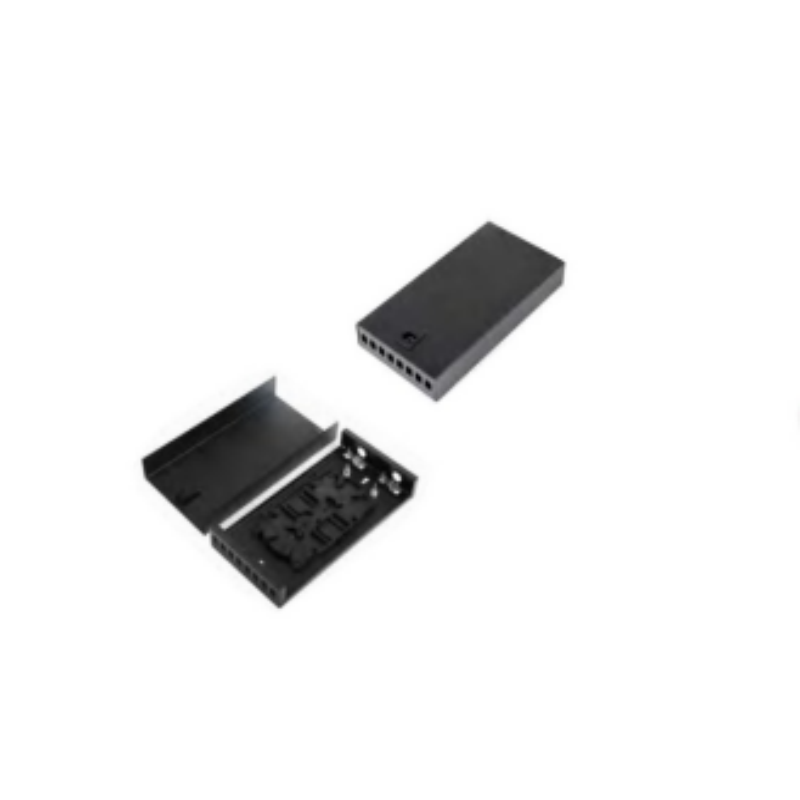 OYI-F401
Executive Paradigm: The Strategic Role of Simplex Fiber in Centralized Storage Environments
Modern telecommunications infrastructure centers around centralized optical cross-connect arrays and dense network equipment racks. As telecommunication infrastructure evolves toward higher compute densities and aggregated optical cross-connects, the internal environment of network cabinets has become a critical focal point for physical layer engineering. The simplex fiber optic cable—a single optical strand enclosed within a tight buffer, fortified with aramid yarn strength members, and coated in specialized LSZH or OFNR jackets—serves as the foundational microscopic artery in centralized telecommunication network cabinet equipment storage systems.
Unlike multifiber trunk bundles designed for long-haul transmission, simplex cabling within centralized storage equipment is engineered explicitly for high-granularity interconnections. Within dense central offices (CO), point-of-presence (PoP) structures, and enterprise data distribution centers, cabinets house a converging ecosystem of active edge switches, DWDM terminals, fiber patch panels, splitters, and redundant battery supplies. In these constrained interior volumes, the space efficiency, thermal boundary layer management, and macrobending resilience of simplex fiber configurations define the operational reliability of the entire network backbone.
Industrial Dynamics, Space Constraints, and Dense Cabinet Architectures
The contemporary telecommunication industry faces unprecedented spatial limitations. The commercialization of 5G, massive cloud migration, and distributed artificial intelligence workloads demand an unprecedented number of optical interconnections per cubic meter of rack volume. Cabinet environments that historically managed hundreds of terminations are now pressured to host thousands of individual patch terminations within standardized 19-inch and 23-inch footprints.
Simplex fiber optic cables resolve several mechanical hurdles within centralized equipment storage architectures:
1. Volumetric Density and Micro-Climate Management: High-density active electronics generate substantial heat, demanding laminar airflow across server chassis and switches. Bulky multifiber assemblies cause aerodynamic blockages inside cabinet vertical pathways. Simplex patch configurations, engineered with exterior diameters between 1.6mm and 2.0mm, reduce aerodynamic profile drag, maintain low cabinet static pressure, and facilitate targeted airflow distribution.
2. Route Agility and Tensile Durability: In centralized storage cross-connect panels, field technicians frequently reroute individual fiber segments without disrupting adjacent circuits. The inclusion of woven aramid yarns protects the central glass fiber core against pulling tension during routine reconfigurations. Simplex fibers isolate physical strain, ensuring that dynamic adjustments to one channel do not exert lateral or compressive force on neighboring optical paths.
3. Enhanced Bend Radius Resilience (G.657.A2/B3 Standards): High-density termination fields rely heavily on bend-insensitive single-mode fiber variants. Modern simplex patch cords deployed in telecommunication cabinets conform to ITU-T G.657 standards, permitting bend radii as narrow as 7.5mm without inducing unmanageable attenuation spikes or risking micro-crack propagation over extended decadal operation.
Deep-Dive Architectural Mechanics: Cabinet Ingress, Slack Storage, and Port Patching
A systematic breakdown of centralized telecommunication network cabinet equipment storage reveals a continuous mechanical-optical transition. Incoming high-count OSP (Outside Plant) distribution cables typically land in bottom or top splice trays inside the cabinet. There, bulk strand fibers break out into simplex fiber optic links to interface with active transceivers and passive cross-connect fields.
Simplex fiber management hinges on three primary internal stages:
Stage A: Primary Slack Ingress and Coiling Reservoirs: Because exact path lengths between transceivers and front-panel distribution modules can fluctuate across varying rack unit (U) positions, simplex cables require managed slack loops. Dedicated slack spools within equipment storage channels hold unused cable lengths without violating the minimum bend radius, avoiding localized optical power loss.
Stage B: Fiber Transition and Partition Trays: At the intersection of active switching hardware and passive optical distribution frames, simplex cables are anchored via precision connector boots (such as LC/UPC, LC/APC, or SC interfaces). The mechanical housing of the simplex outer jacket transfers physical pulling stresses away from the internal 125µm glass cladding to the connector strain-relief boot, preserving insertion loss benchmarks below 0.2dB.
Stage C: Vertical Raceway Segmentation: In large-scale centralized installations, simplex fiber jumpers are grouped using lightweight velcro fasteners or segmented finger-duct assemblies. Stainless steel tension buckles and heavy-duty brackets are utilized along outer frame perimeters to anchor rigid breakout modules, isolating interior simplex routes from vibrational stress produced by cooling fans and internal cabinet power distribution systems.
Emerging Trends: AI Diagnostics, High-Density Automation, and Future Readiness
The industrial landscape for centralized telecommunication cabinets is undergoing structural transformation driven by automation and intelligent diagnostic monitoring:
Integrated Fiber Identifiers and RFID Smart Cabling: Emerging smart-cabinet systems incorporate RFID-tagged simplex fiber jumpers. Combined with computerized cross-connect tables, centralized monitoring systems instantly identify the source, destination, and physical length of every simplex patch, eliminating human patching errors and shortening Mean Time to Repair (MTTR).
Transition toward Ultra-Slim Jacketing: Advancements in composite polymer materials allow manufacturers to develop rugged simplex jumpers with outer diameters as thin as 1.2mm, while maintaining full mechanical resistance to crushing and kink-induced deformation. This reduction substantially increases fiber packing capacity across central distribution raceways.
Robotic Patching and Intelligent Cross-Connect Cabinets: Centralized telecommunication hubs are beginning to pilot automated robotic patch systems. These configurations rely on standardized simplex cable interfaces with tight mechanical tolerances to allow precision robotic effectors to reconfigure optical circuits without direct human intervention.
Oyi international ., Ltd.
Oyi international., Ltd. is a dynamic and innovative fibre optic cable company based in Shenzhen, China. Since its inception in 2006, OYI has been dedicated to providing world-class fibre optic products and solutions to businesses and individuals across the globe. Our Technology R&D department has more than 20 specialized staff committed to developing innovative technologies and providing high-quality products and services. We export our products to 143 countries and have established long-term partnerships with 268 clients.
Our products are widely used in telecommunications, data center, CATV, industrial and other areas. Our main products include various types of optical fiber cables, fiber optic linkers, fiber distribution series, fiber optic connectors, fiber optic adapters, fiber optic couplers, fiber optic attenuators, and WDM series. Not only that, our products cover ADSS, ASU, Drop Cable, Micro Duct Cable, OPGW, Fast Connector, PLC Splitter, Closure, FTTH Box, etc. In addition, we provide our customers with complete fiber optic solutions, such as Fiber to the Home (FTTH), Optical Network Units (ONUs), and High Voltage Electrical Power Lines. We also provide OEM designs and financial support to help our customers integrate multiple platforms and reduce costs.
-
20
Time in The Industry Sector
-
20+
Technical R&D Personnel
-
143
Exporting Country
-
268
Cooperative Clients
About Oyi Manufacturing & Facility Operations
Precision manufacturing centers driving high-reliability telecommunication network equipment storage components


Company Philosophy & Production Infrastructure
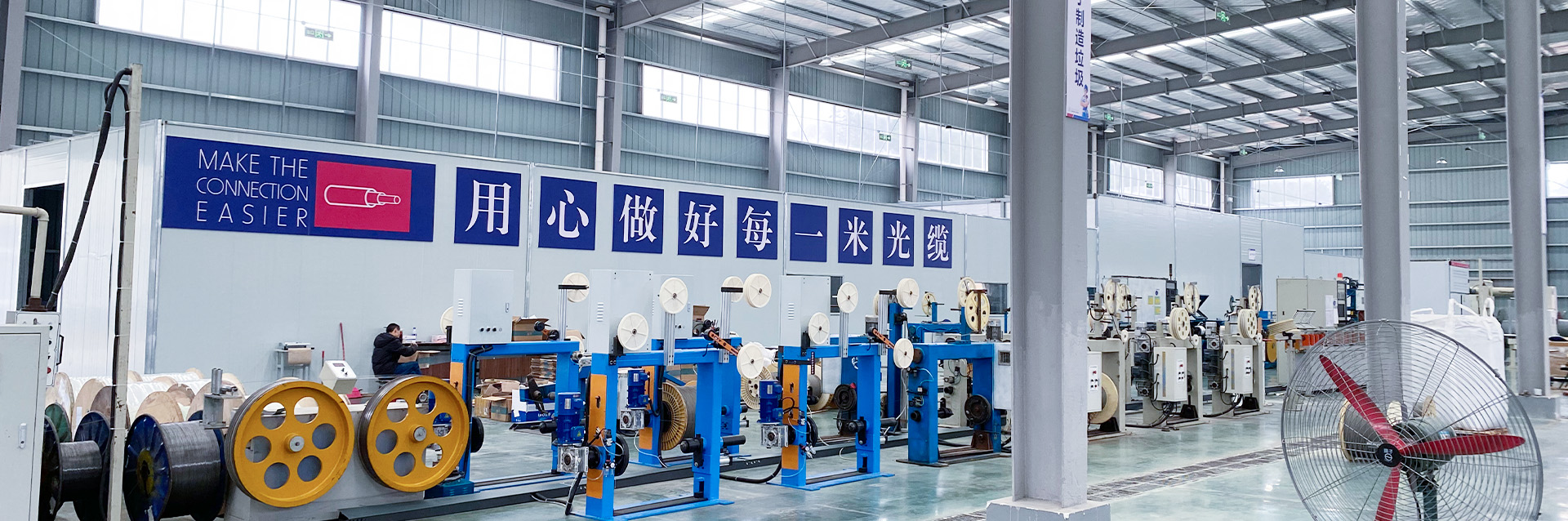
Our Factory
We are committed to innovation and excellence. Our team of experts are constantly pushing the boundaries of what’s possible, ensuring that we remain at the forefront of the industry. We invest heavily in research and development to ensure that we are always one step ahead of the competition. Our cutting-edge technology allows us to produce fibre optic cables that are not only faster and more reliable, but also more durable and cost-effective.
Our advanced manufacturing process ensures that our fibre optic cables are of the highest quality, guaranteeing lightning-fast speeds and reliable connectivity. Our commitment to excellence means that our customers can always rely on us to provide them with the best possible solutions.
If you’re looking for a reliable, high-speed fibre optic cable solution, look no further than OYI. Contact us now to see how we can help you stay connected and take your business to the next level.
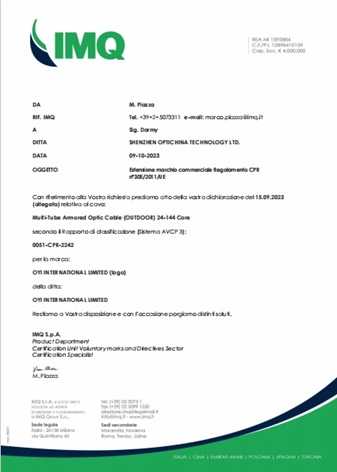
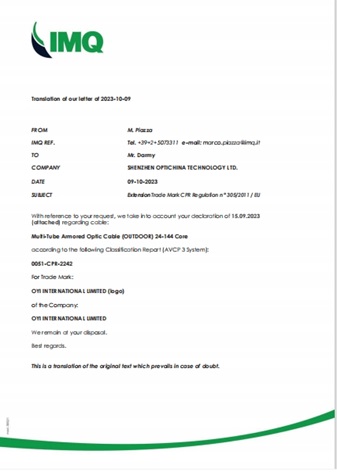
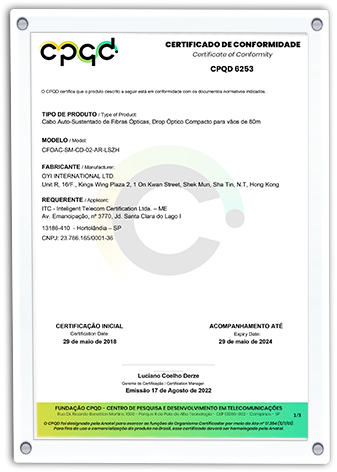
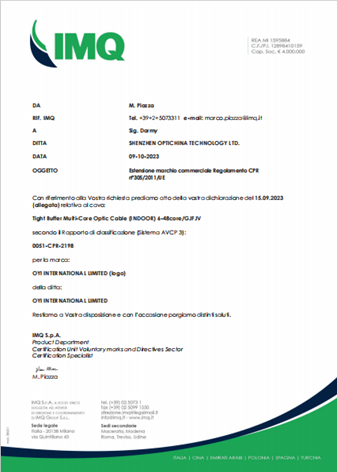
The Company has Obtained Certification


Integrated Network Hardware & Cable Lineup
Complete product spectrum for centralized telecommunication network storage and external optical distribution
 OYI-FOSC-D102H
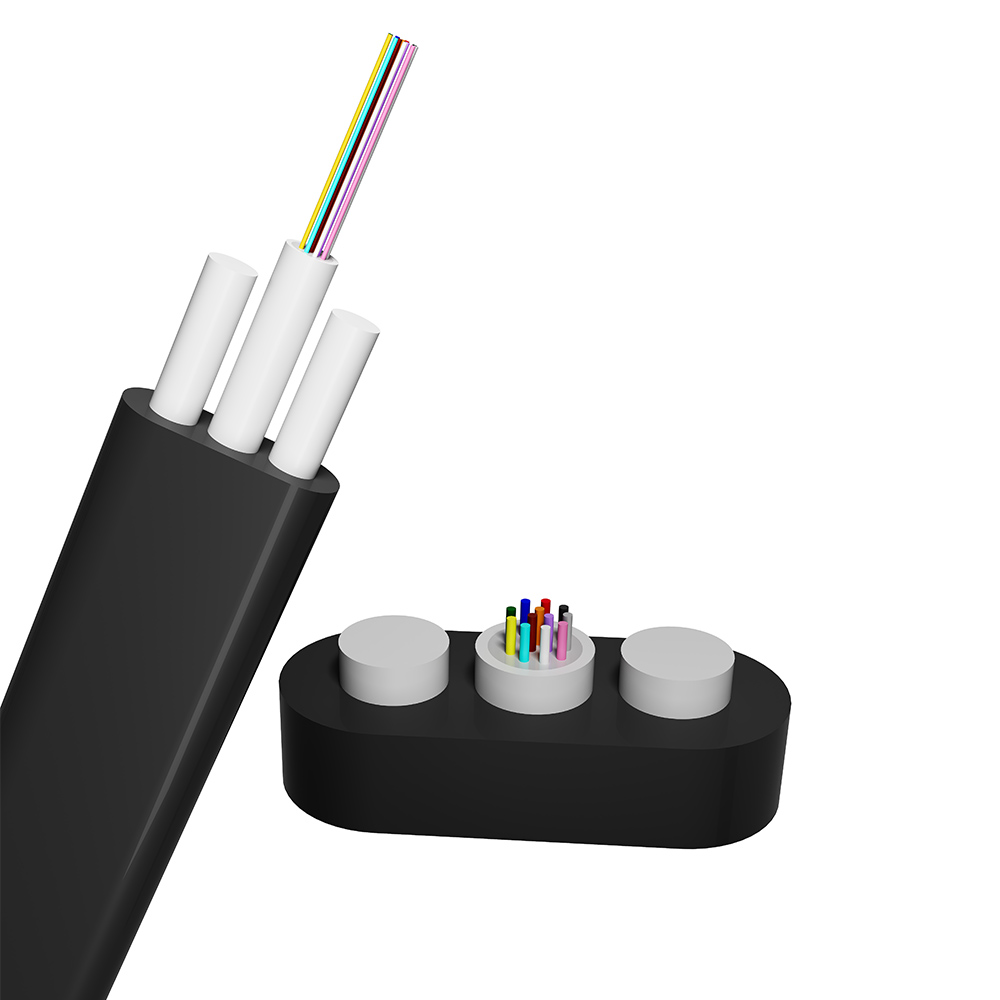 Double FRP reinforced non-metallic central bundle tube cable
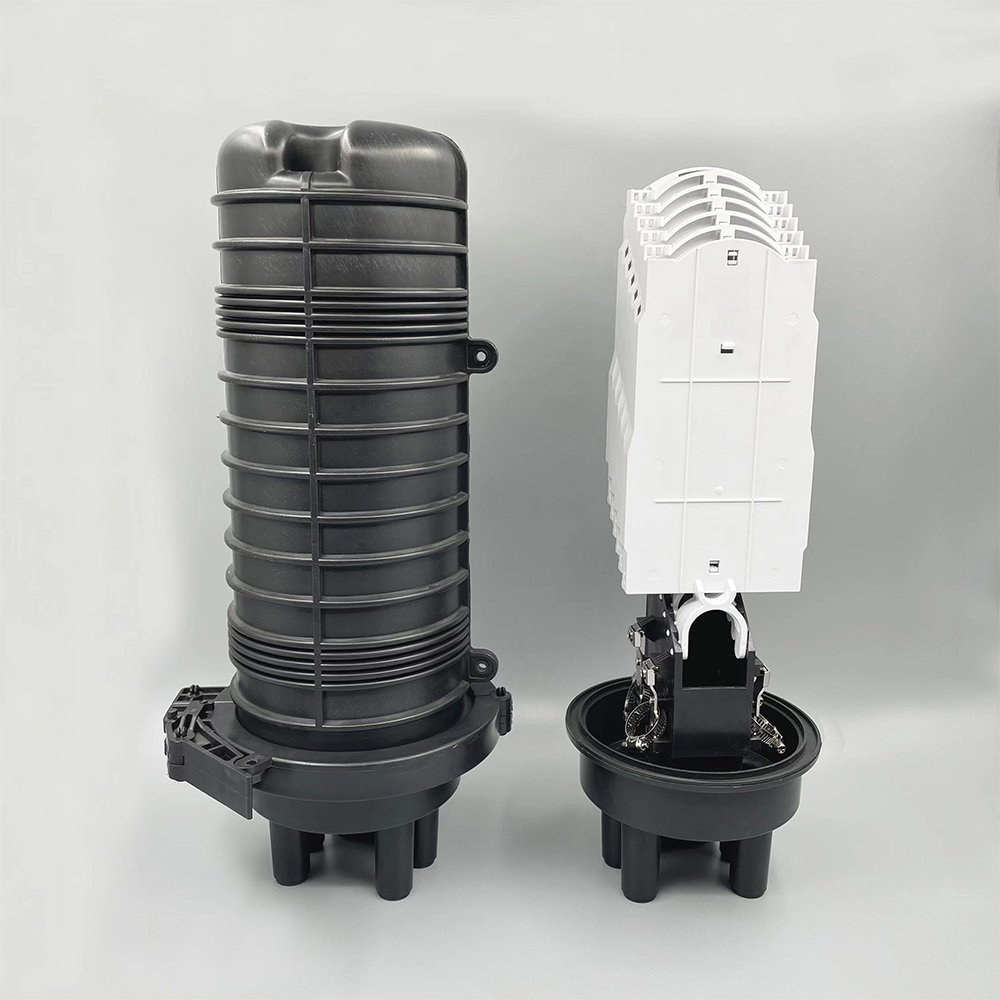 OYI-FOSC-H8
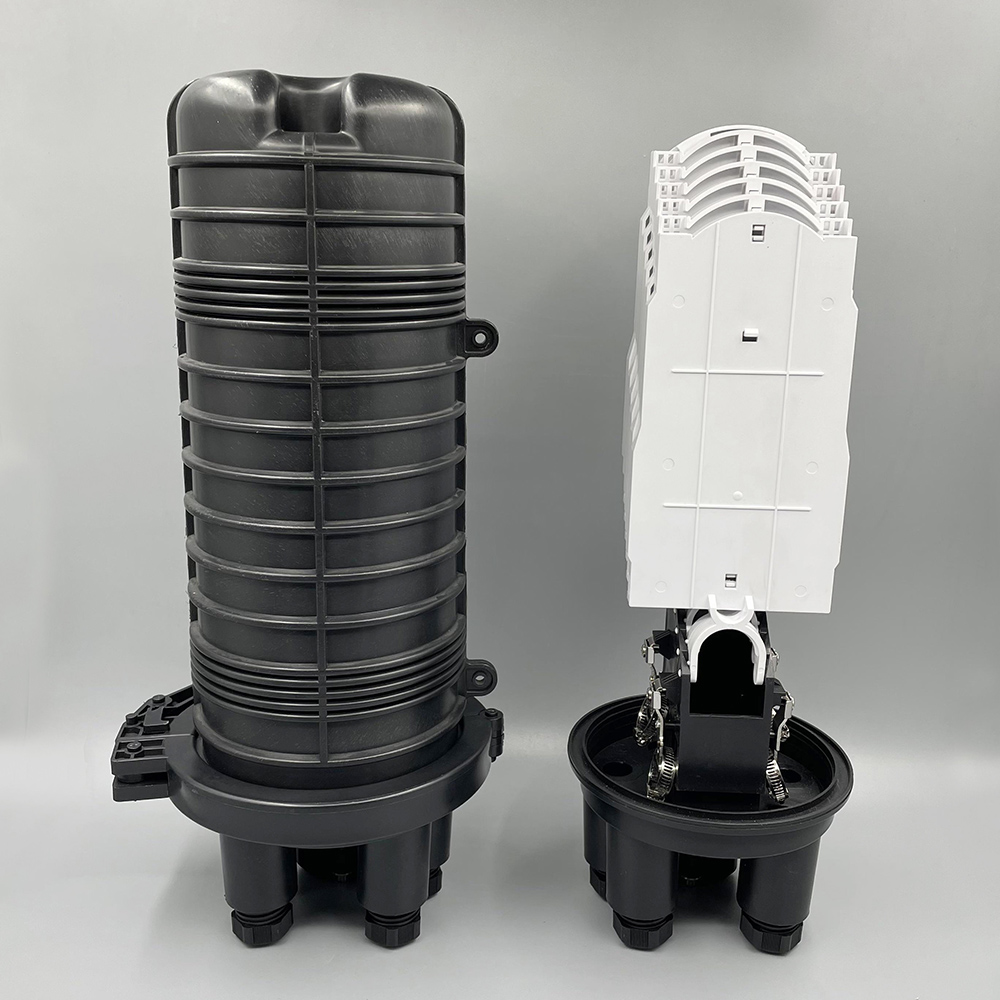 OYI-FOSC-D108M
