
 0755-23179541
  sales@oyii.net
.png) 8618926041961
8618926041961
Oyi International., Ltd., headquartered in Shenzhen, China, has been specializing in fiber optic cable manufacturing since 2006. Over the years, the company has built a solid reputation for delivering reliable, high-performance fiber optic products and customized solutions to customers worldwide. Today, as the industry evolves, OYI is also actively aligning its development with a broader global direction—sustainable connectivity.
The rapid expansion of the digital economy has brought undeniable convenience, but it has also introduced new challenges. Data traffic continues to surge, driven by cloud services, smart infrastructure, and increasingly digital lifestyles. At the same time, the energy consumption behind these networks is becoming a growing concern. As a result, the conversation is no longer just about speed or latency—sustainability is now part of the equation.
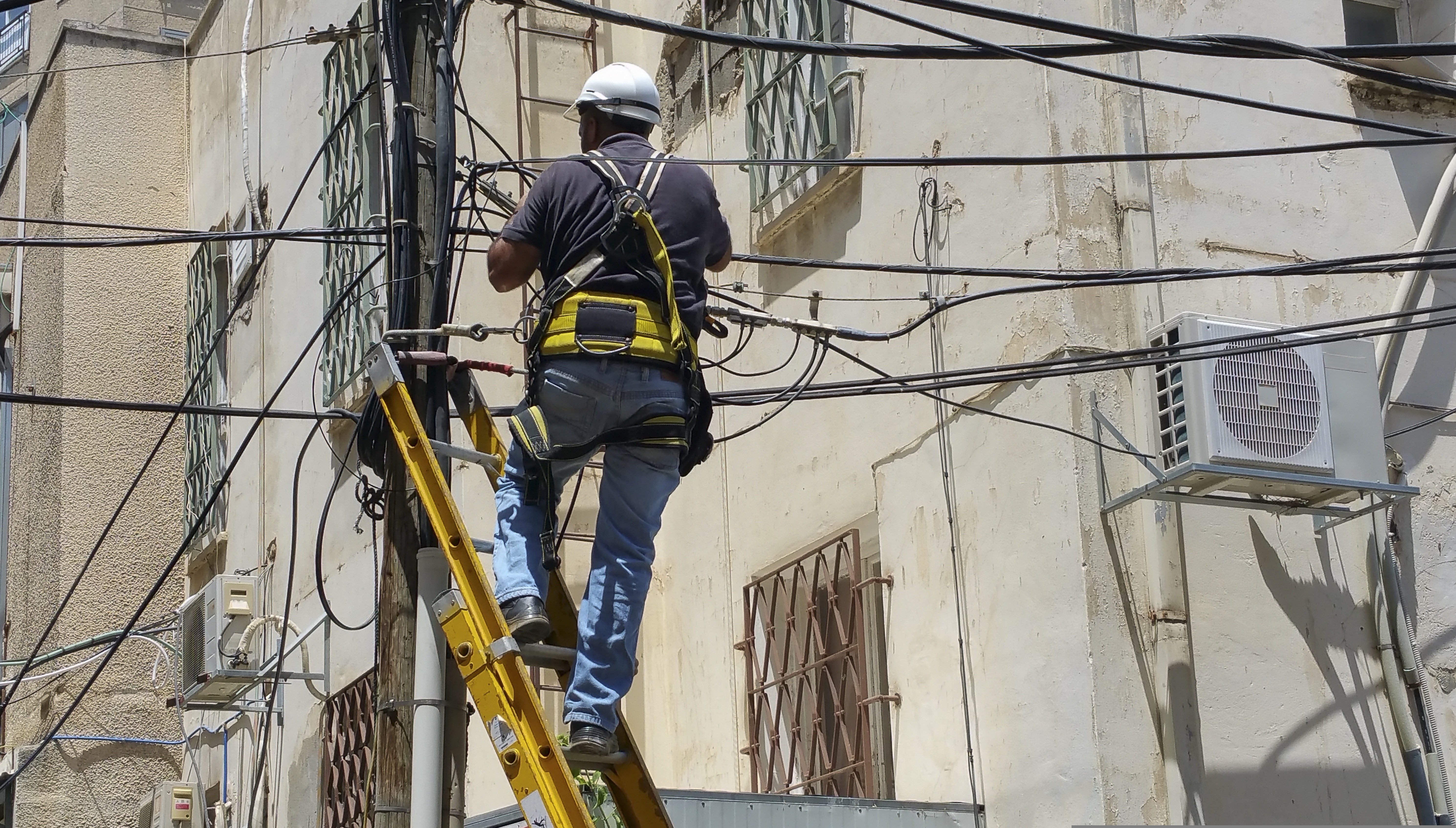
Against this backdrop, fiber optics are gaining renewed attention. Not only do they support high-speed data transmission, but they also offer a more efficient and environmentally responsible alternative to traditional network infrastructure.
Unlike copper-based systems, fiber optic cables transmit data through light signals. This difference significantly reduces energy consumption, especially over long distances. In practical applications, fiber networks can cut energy usage by a substantial margin compared to conventional copper networks. Because signal loss is minimal, fewer repeaters and amplifiers are needed, which further lowers overall power demand.
Another advantage lies in durability. Fiber optic networks are known for their long service life, often operating effectively for 25 years or more once installed. This reduces the need for frequent replacement and maintenance, helping to limit material consumption and industrial waste. In contrast, legacy infrastructure typically requires more regular upgrades, which adds to both cost and environmental burden.
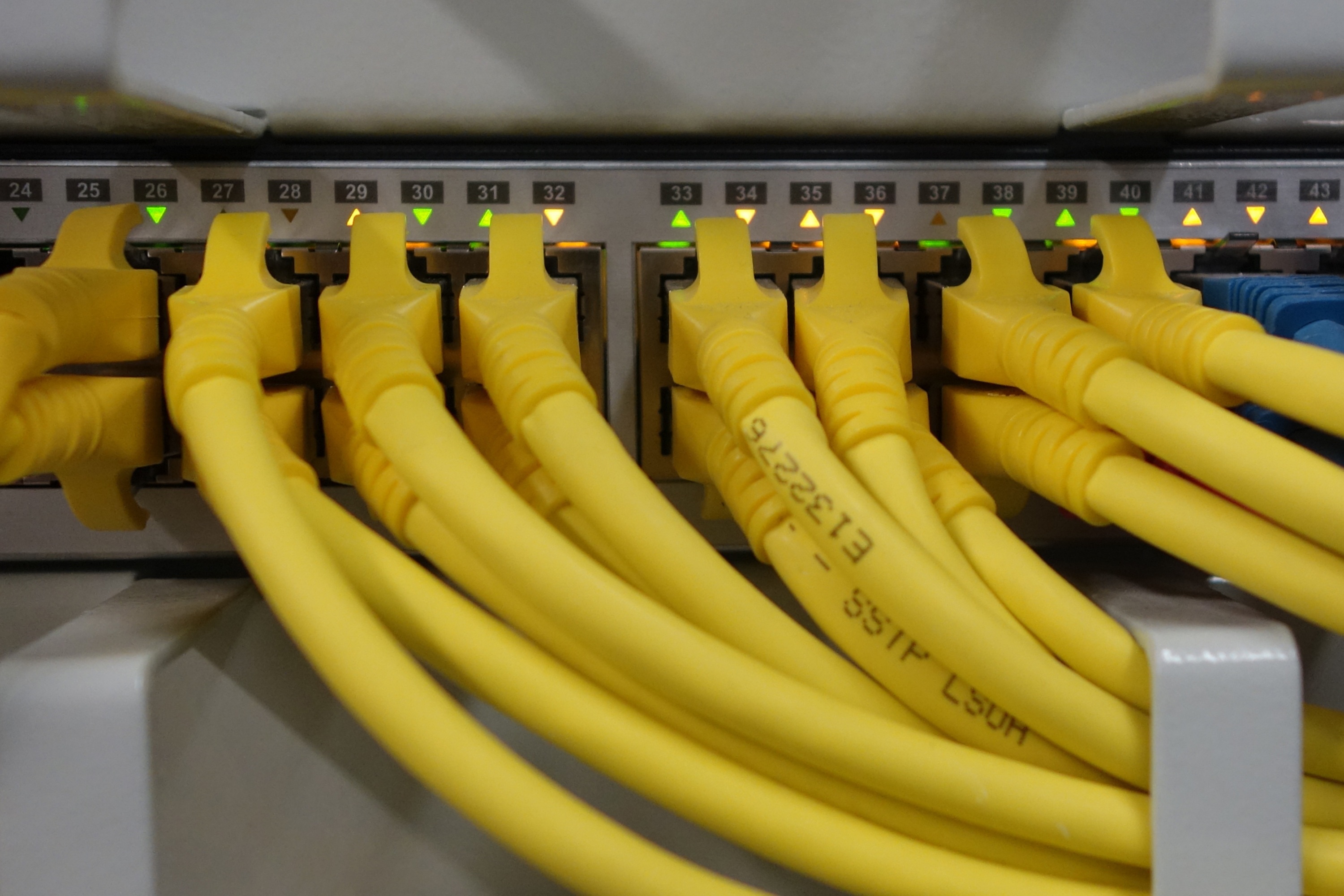
Material sourcing is also an important factor. Copper extraction involves intensive mining processes that can impact ecosystems and generate significant carbon emissions. Fiber optic cables, on the other hand, are primarily made from silica—a widely available resource. This shift in material reliance contributes to a lower overall environmental footprint for network deployment.
Beyond the infrastructure itself, fiber connectivity plays a key role in enabling greener systems across different sectors. Stable, high-speed networks support remote work, reducing commuting-related emissions. They also underpin smart energy systems, digital healthcare, and precision agriculture, all of which contribute to improved efficiency and reduced resource consumption.
Globally, support for fiber-based infrastructure continues to grow. Governments and industry leaders are increasingly incorporating sustainability targets into digital development strategies. Many telecom operators have already included fiber expansion as part of their long-term carbon reduction goals, recognizing its role in building more efficient networks.
While fiber production does require energy, long-term assessments consistently show that its operational savings outweigh the initial environmental cost. Over its full lifecycle, fiber remains one of the most energy-efficient and sustainable options available for large-scale data transmission.
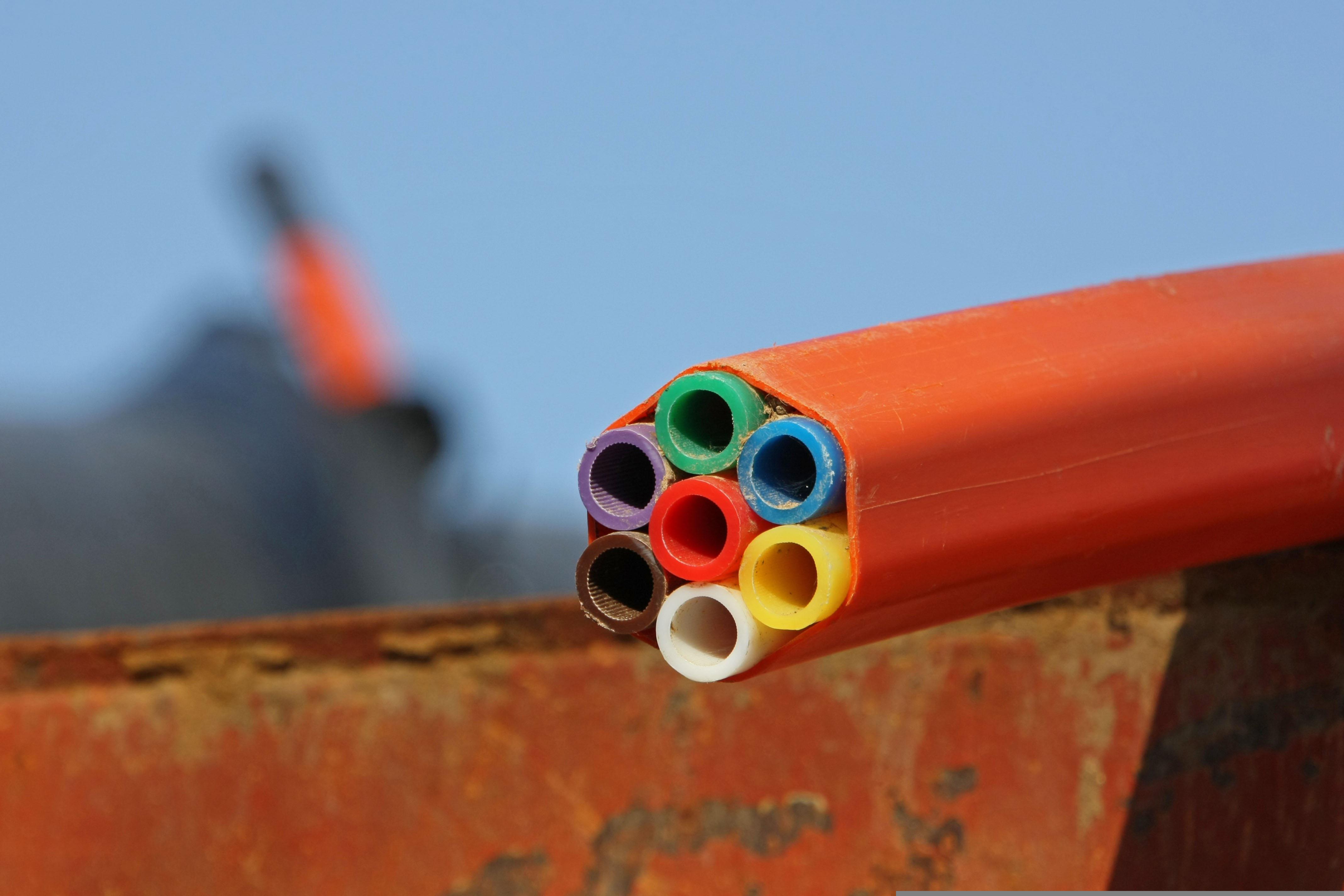
For businesses, adopting fiber solutions can help reduce operating costs while supporting ESG objectives. For end users, choosing fiber-based services contributes—directly or indirectly—to a more sustainable digital ecosystem.
At Oyi , this transition is seen not just as an industry trend, but as a responsibility. By continuing to improve product quality and optimize manufacturing processes, the company aims to support global customers in building networks that are both high-performing and environmentally conscious.
As demand for digital connectivity continues to grow, so does the need for smarter and more sustainable infrastructure. Fiber optics are increasingly proving to be a practical answer to both. The shift toward green connectivity is already underway, and it is reshaping how networks are built for the future.
