 0755-23179541
  sales@oyii.net
.png) 8618926041961
8618926041961Essential Field Splicing Equipment & Accessories
Top Solutions for Underground Pipeline Deployments
Deep Dive: FTTH Duct Cables in Underground Infrastructures
Commercial Realities, Technical Standards, and Field Practices
1. The Commercial and Industrial Landscape of Underground FTTH Networks
The global telecommunication sector is undergoing a massive transformation, driven by the relentless demand for high-speed broadband, low-latency applications, and the ubiquitous transition to Fiber-to-the-Home (FTTH) networks. In urban, suburban, and industrial zones, the deployment of fiber optic cables is increasingly shifting underground. While aerial cabling remains popular in rural regions due to lower initial installation costs, underground pipeline installations have become the gold standard for modern metropolitan areas.
This preference is rooted in several critical industrial factors. First, municipal regulations and aesthetic policies in smart cities heavily restrict aerial infrastructure to reduce visual clutter. Second, and more importantly, underground networks are highly resilient against extreme weather events such as hurricanes, ice storms, and severe temperature fluctuations. They are also protected from accidental vehicle collisions, falling tree limbs, and vandalism. Consequently, although the initial capital expenditure (CAPEX) for underground pipeline trenching and duct installation is high, the long-term operational expenditure (OPEX) is dramatically lower, offering an exceptional return on investment (ROI) over a typical 25-to-30-year network lifecycle.
Within this context, the demand for specialized FTTH duct cables has skyrocketed. Telecommunication operators and utility companies require cables that are not only optically superior but also physically optimized for installation within pre-installed plastic conduits. This has spurred the rapid adoption of micro-duct technology, allowing operators to scale network capacity incrementally by blowing new micro-cables through empty sub-ducts as subscriber density increases.
Micro-Duct Compatibility
Optimized outer diameters and low-friction HDPE jackets designed for long-distance pneumatic air-blowing (jetting) installations.
IP68 Environmental Protection
Waterproof and moisture-blocking materials prevent water ingress and freezing damage in underground manholes.
High Tensile Strength
Equipped with glass yarns or steel armor to withstand heavy mechanical stress during cable pulling operations.
2. Technical Analysis of FTTH Duct Cables
FTTH duct cables must be engineered to withstand the unique mechanical stresses associated with installation and long-term placement inside underground conduits. Unlike direct-buried cables that require heavy steel wire armor to resist direct soil pressure, duct cables prioritize high tensile strength, flexibility, a low coefficient of friction, and a compact diameter.
The core construction of a high-quality FTTH duct cable typically features a loose tube design. In this configuration, optical fibers are housed within protective plastic tubes that are filled with a water-resistant gel or dry water-blocking yarns. This design isolates the fibers from external mechanical stresses, such as bending or stretching, which may occur during pulling or blowing. The outer jacket is typically extruded from High-Density Polyethylene (HDPE), a material selected for its exceptional resistance to environmental stress cracking, moisture penetration, chemical runoff, and mechanical abrasion.
For installations where rodent infestation or heavy mechanical compression is a concern, manufacturers incorporate corrugated steel tape armor or glass yarns between the inner and outer jackets. This provides a robust physical barrier without significantly compromising the cable's flexibility. Furthermore, dry-core water-blocking technologies (using super-absorbent polymers and tapes) have largely replaced traditional gel-filled designs. This advancement makes cable preparation much faster and cleaner for field technicians during splicing, minimizing the risk of dust contamination.
3. Underground Pipelines & Cable Installation Methodologies
The installation of FTTH cables into underground pipelines requires meticulous planning and execution. The two primary methods employed are traditional cable pulling and pneumatic air-blowing (jetting).
Cable Pulling: This traditional method involves feeding a pull line (often a rope or tape) through the duct, securing it to the cable's strength member via a pulling grip, and pulling the cable through the conduit. While cost-effective for short distances and straight runs, pulling places significant tensile stress on the cable. To prevent fiber damage, installers must use tension-monitoring winches and specialized pulling lubricants to minimize friction against the duct walls. Strict adherence to the cable's minimum bend radius is mandatory to prevent macro-bending losses.
Pneumatic Air-Blowing (Jetting): For modern high-density networks, air-blowing is the preferred installation method. This technique uses high-pressure compressed air to float the cable inside the duct, while a mechanical pusher feeds the cable forward. Because the air flow distributes the driving force along the entire length of the cable, tensile stress is virtually eliminated. This allows for much longer continuous installation runs (often exceeding 1000 meters) and enables the deployment of thin, lightweight micro-cables into micro-ducts. This method drastically reduces the number of intermediate splice points, lowering overall network attenuation and installation time.
4. The Critical Role of Fiber Optic Closures in Field Splicing
In any underground fiber network, the splice points are the most vulnerable locations. When FTTH duct cables transition between distribution loops, drop points, or branch lines, they must be spliced. These splices must be housed within high-integrity Fiber Optic Splice Closures (FOSCs) to protect the delicate glass connections from the harsh underground environment.
Underground closures are typically installed in manholes, handholes, or directly buried. They must achieve a minimum rating of IP68, meaning they are completely dust-tight and can withstand continuous immersion in water under pressure. FOSCs are classified into two main form factors:
- Dome (Vertical) Closures: Highly popular in manholes and handholes due to their space-saving vertical design. They feature a single-ended design where all cables enter and exit from the bottom base, sealed using mechanical or heat-shrinkable sleeves.
- Inline (Horizontal) Closures: Often used in shallow trenches or narrow handholes. Cables enter from one end and exit from the other, making them ideal for straight-through splicing and mid-span access.
Inside the closure, the management of the optical fibers is paramount. Splice trays must organize the fibers neatly, ensuring that the minimum bend radius of the fiber (typically 30mm) is maintained at all times to prevent signal degradation. The trays must also allow for clean routing of slack fiber and provide secure slots for holding fusion protection sleeves. Easy re-entry is another critical design feature, allowing technicians to open the closure, add new drop cables for new subscribers, and reseal it without disrupting existing active services.
5. Field Splicing Best Practices in Underground Deployments
Field splicing is a precision craft that directly impacts the optical power budget of the entire network. In underground installations, technicians face challenging environmental conditions, including high humidity, dust, and restricted space. To achieve low-loss splices (typically less than 0.02 dB per splice), several best practices must be followed:
First, cleanliness is paramount. Even a microscopic dust particle on the fiber end-face can cause high attenuation or permanent damage during the fusion process. Splicing should ideally be performed inside a controlled environment, such as a splicing van or a clean tent. Fiber ends must be stripped, cleaned with 99% pure isopropyl alcohol, and cleaved using a high-precision cleaver to ensure a perfect 90-degree flat end-face.
Second, the fusion splicer must be properly calibrated for the specific fiber type being joined (e.g., G.652.D single-mode fiber commonly used in duct cables, or bend-insensitive G.657 fiber used in drop cables). Modern core-alignment fusion splicers automatically align the fiber cores using cameras and advanced software, ensuring optimal alignment before firing the electric arc to melt the glass ends together.
Finally, post-splice validation is critical. Technicians utilize Optical Time-Domain Reflectometers (OTDRs) and Light Source/Power Meters to measure the insertion loss and return loss of the spliced link. These measurements are documented as part of the network's quality assurance record, ensuring the infrastructure is capable of supporting high-speed gigabit services for decades to come.
6. Future Trends in Underground FTTH Infrastructure
As the telecommunications industry looks toward 5G densification, 6G planning, and the expansion of smart city IoT networks, underground FTTH infrastructure is evolving rapidly. Several key trends are shaping the future of duct cables and splicing systems:
Ultra-High-Density Rollable Ribbon Cables: To maximize the capacity of existing underground pipeline systems, manufacturers are developing ultra-high-density cables. By using rollable ribbon technology, thousands of fibers can be packed into a cable with a diameter similar to traditional loose-tube cables. These ribbons can be spliced in groups of 12 simultaneously using mass fusion splicers, drastically reducing field installation times.
Smart Closures with IoT Integration: The integration of Internet of Things (IoT) sensors into underground fiber optic closures is an emerging trend. These low-power sensors monitor internal humidity, temperature, water ingress, and cover status. If a seal fails or a manhole floods, the sensor transmits a real-time alert to the network operations center, allowing maintenance crews to address the issue proactively before it leads to network outages.
Pre-Connectorized Plug-and-Play Systems: To reduce the dependence on highly skilled splicing technicians in the field, pre-connectorized underground distribution systems are gaining traction. These systems utilize hardened, factory-terminated connectors that plug directly into compatible distribution closures, bypassing the need for fusion splicing in difficult field conditions and accelerating the subscriber activation process.
Oyi International Co., Ltd.
Leading Global Fiber Optic Solutions Provider
Oyi international., Ltd. is a dynamic and innovative fibre optic cable company based in Shenzhen, China. Since its inception in 2006, OYI has been dedicated to providing world-class fibre optic products and solutions to businesses and individuals across the globe. Our Technology R&D department has more than 20 specialized staff committed to developing innovative technologies and providing high-quality products and services. We export our products to 143 countries and have established long-term partnerships with 268 clients.
Our products are widely used in telecommunications, data center, CATV, industrial and other areas. Our main products include various types of optical fiber cables, fiber optic linkers, fiber distribution series, fiber optic connectors, fiber optic adapters, fiber optic couplers, fiber optic attenuators, and WDM series. Not only that, our products cover ADSS, ASU, Drop Cable, Micro Duct Cable, OPGW, Fast Connector, PLC Splitter, Closure, FTTH Box, etc. In addition, we provide our customers with complete fiber optic solutions, such as Fiber to the Home (FTTH), Optical Network Units (ONUs), and High Voltage Electrical Power Lines. We also provide OEM designs and financial support to help our customers integrate multiple platforms and reduce costs.
About Oyi
Manufacturing Excellence & Project Highlights


Our Factory & Corporate Philosophy
Commitment to Innovation and Excellence
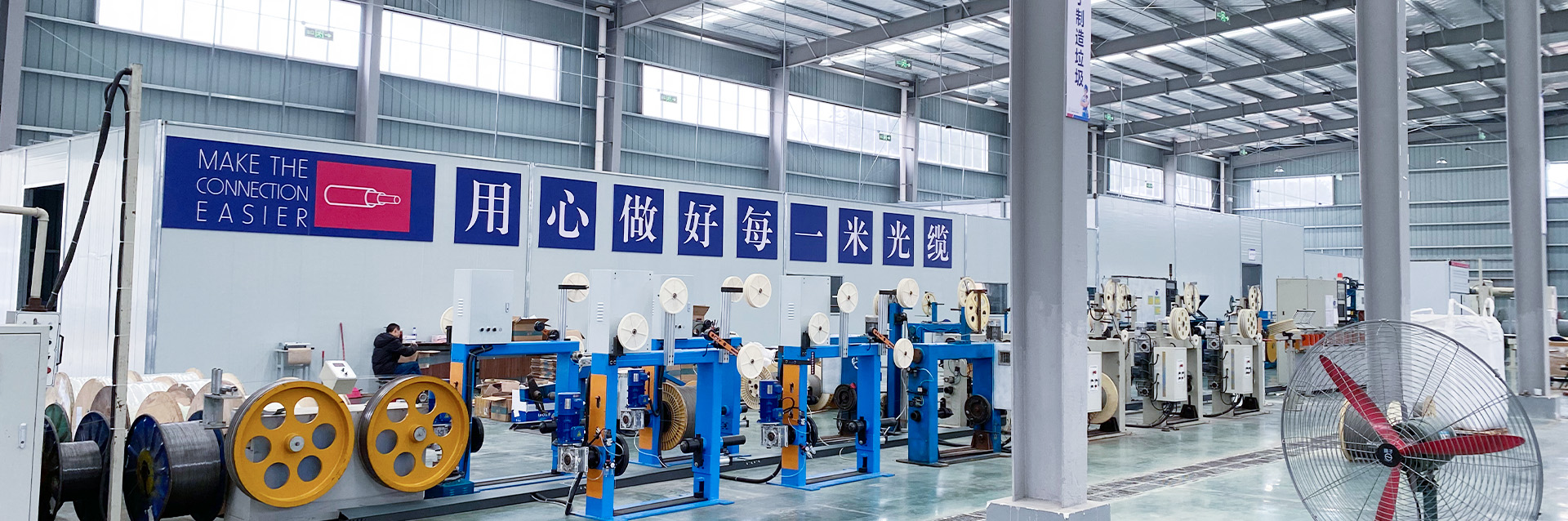
We are committed to innovation and excellence. Our team of experts are constantly pushing the boundaries of what’s possible, ensuring that we remain at the forefront of the industry. We invest heavily in research and development to ensure that we are always one step ahead of the competition. Our cutting-edge technology allows us to produce fibre optic cables that are not only faster and more reliable, but also more durable and cost-effective.
Our advanced manufacturing process ensures that our fibre optic cables are of the highest quality, guaranteeing lightning-fast speeds and reliable connectivity. Our commitment to excellence means that our customers can always rely on us to provide them with the best possible solutions.
If you’re looking for a reliable, high-speed fibre optic cable solution, look no further than OYI. Contact us now to see how we can help you stay connected and take your business to the next level.
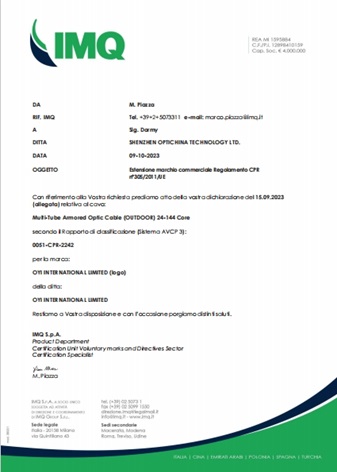
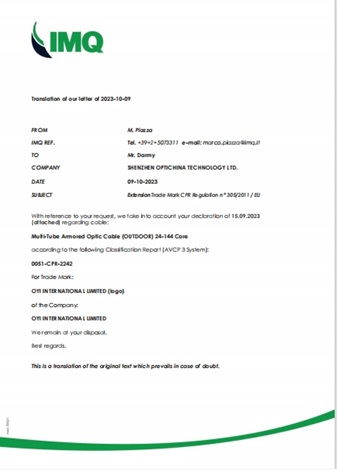
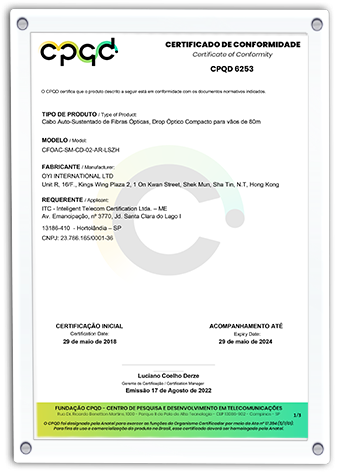
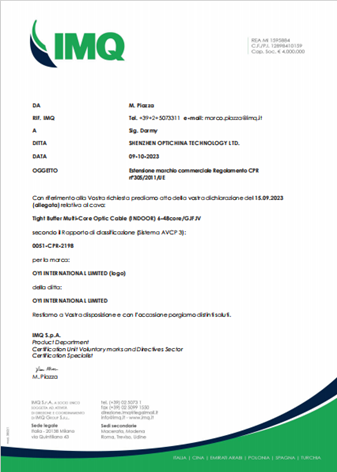
Industry Certifications
Verified Quality and Compliance Standards


Comprehensive Product Catalog
High-Performance Solutions for Global Telecom Networks
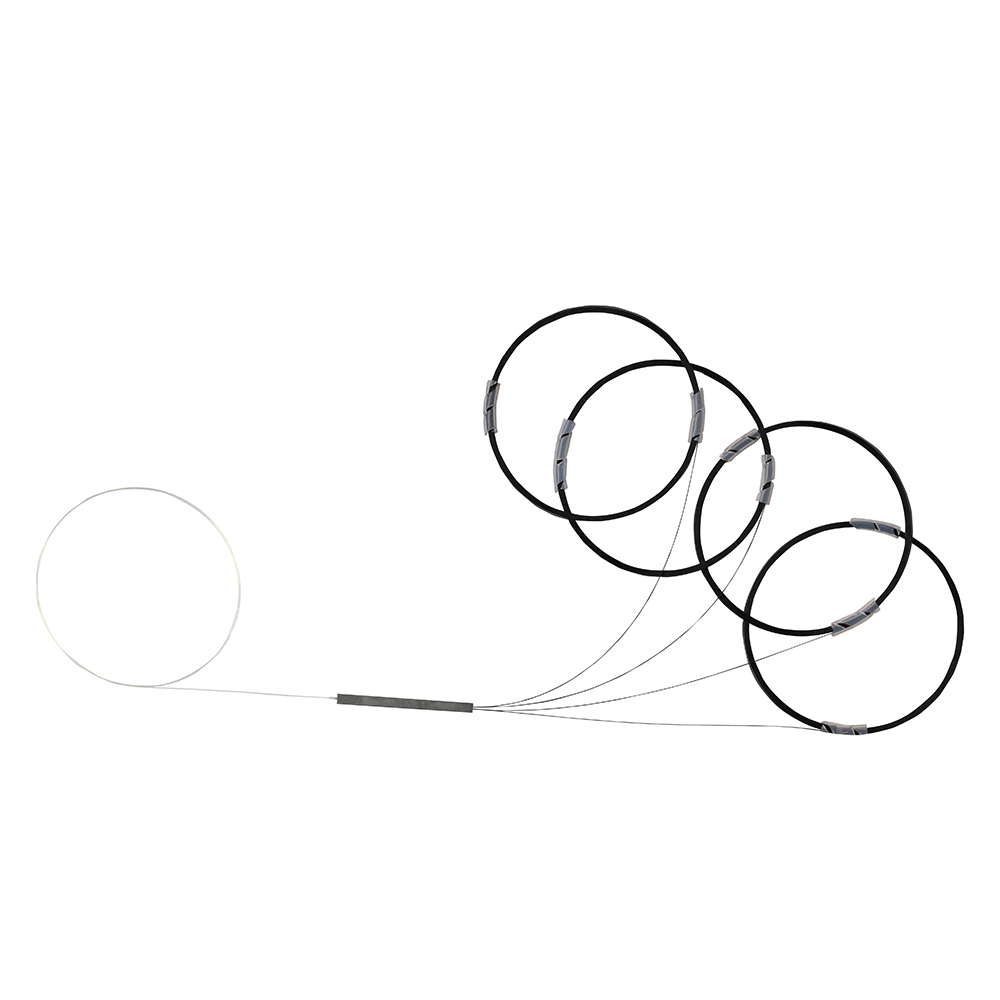
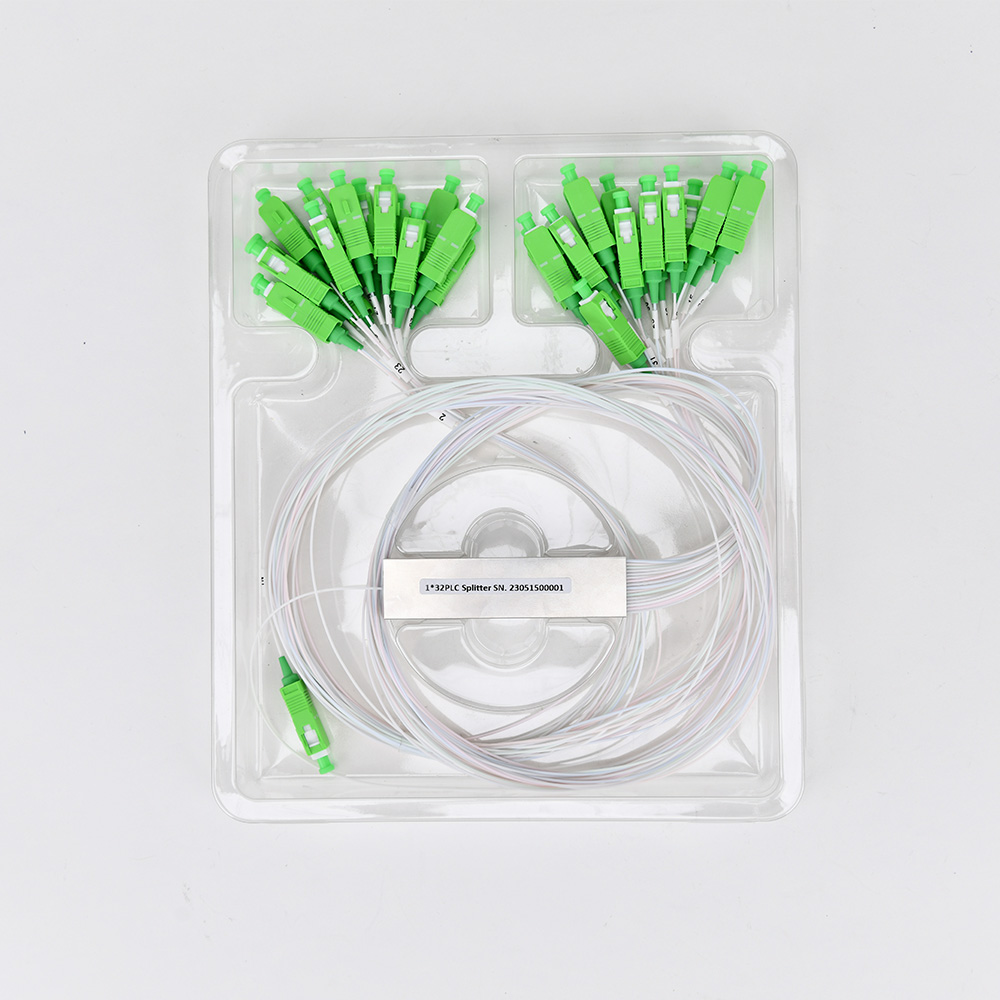
Bare Fiber Type PLC Splitter for Underground Closures
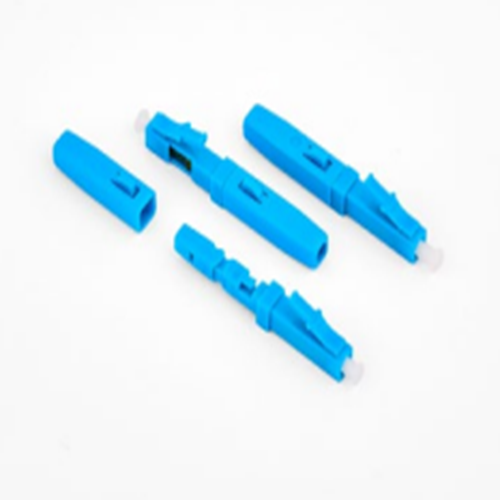
OYI G-Type Fast Connector for Field Splicing
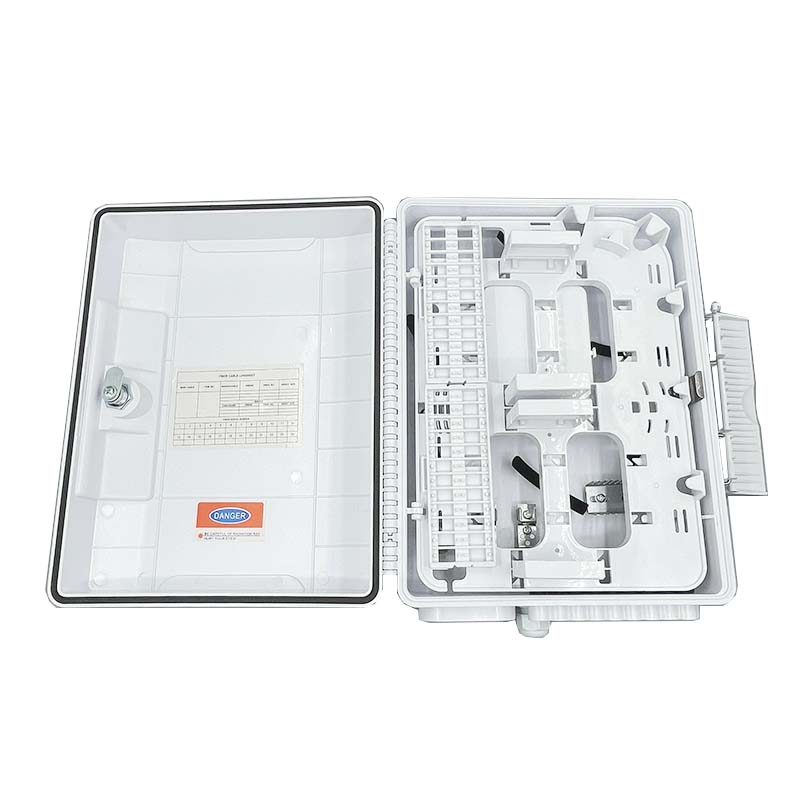
OYI-FAT48A Underground Pipeline Terminal Box
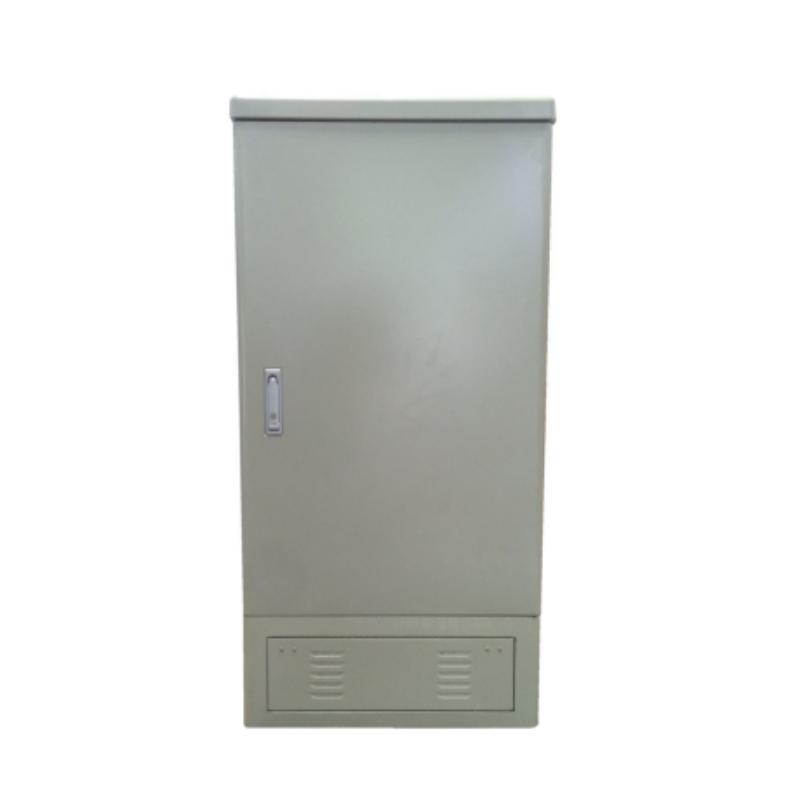
OYI-OCC-G Type Steel Armored Duct Cable Cabinet
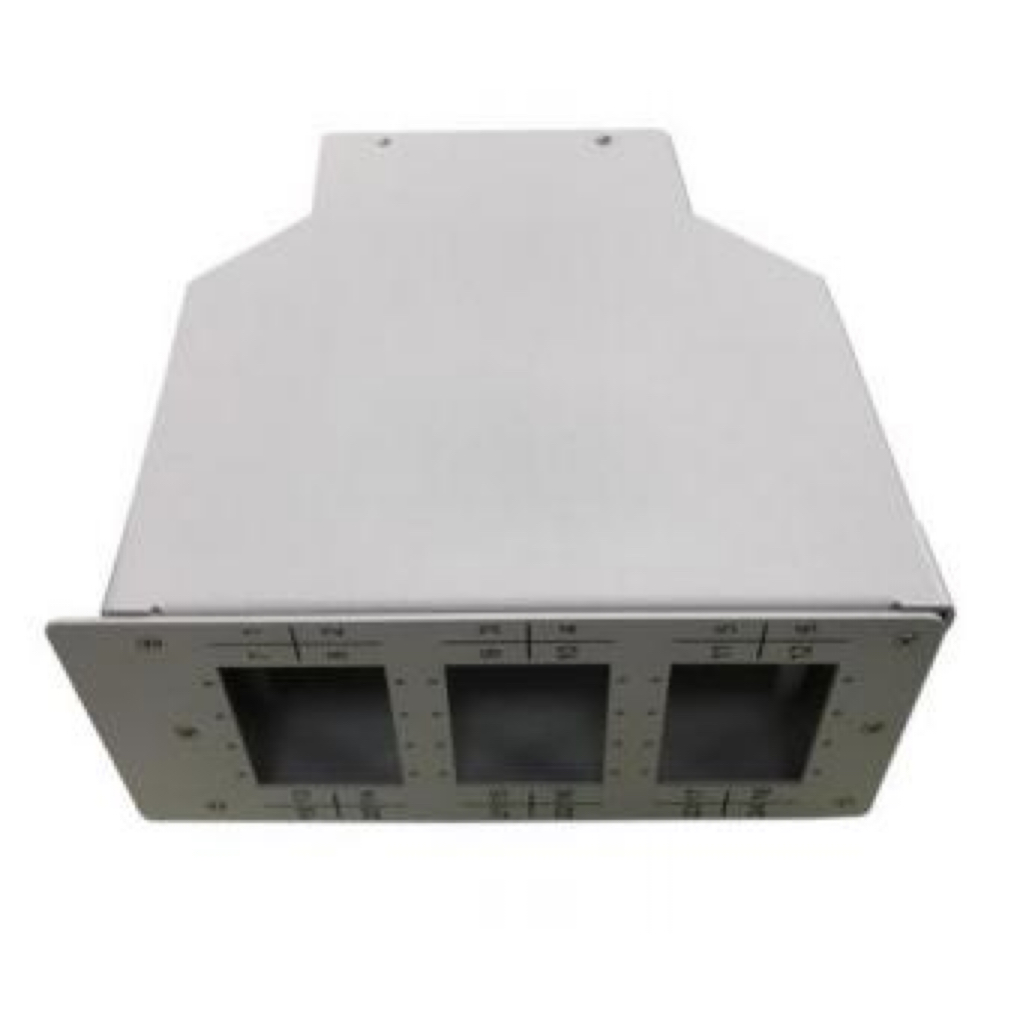
OYI-DIN-07-A Field Splicing Protection Tray
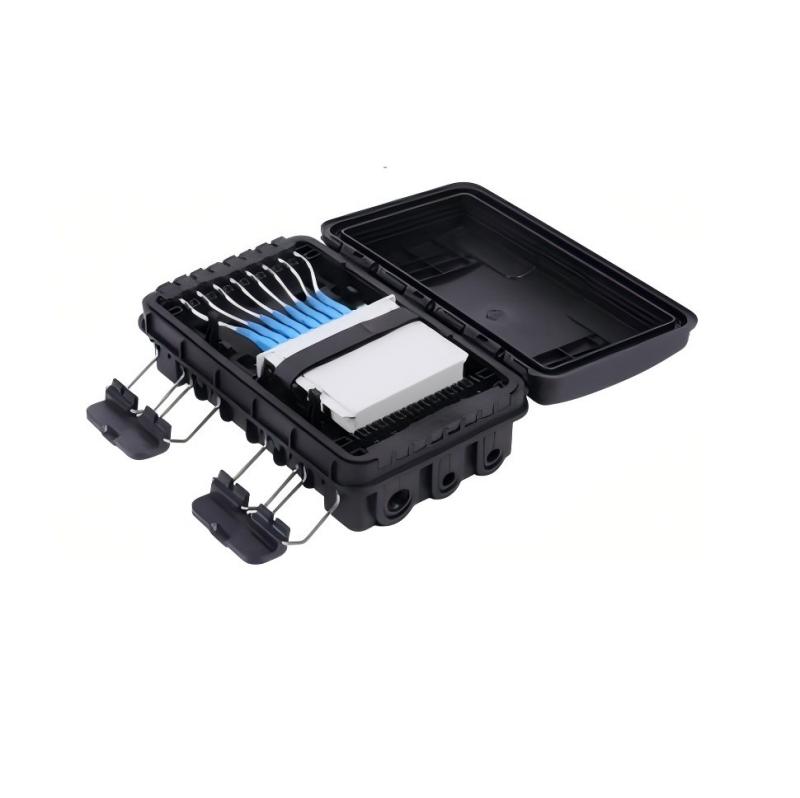
OYI-FAT16F FTTH Duct Cable Distribution Box
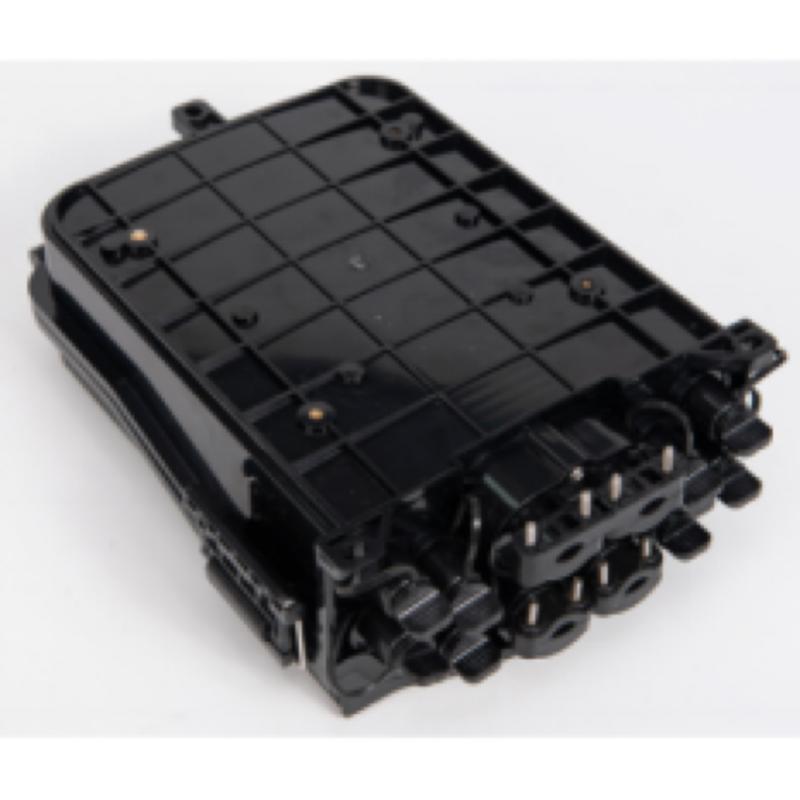
OYI-F234-8Core Underground Pipeline Fiber Closure