 0755-23179541
 sales@oyii.net
 8618926041961
Home-Run Drop Cable Solutions & Core Hardware
Essential components engineered for structural integrity, minimal optical loss, and rapid installation
Commercial Status & Next-Gen Drop Cable Evolution
Analyzing modern FTTH last-mile architectural challenges and deployment standards
The global demand for high-speed, uncompressed bandwidth has transformed Fiber-to-the-Home (FTTH) architectures from an optional luxury into critical utility infrastructure. At the center of this transformation is the Home-Run drop cable deployment scenario. Unlike traditional cascaded routing or complex spliced branch topologies, the home-run methodology routes dedicated, uninterrupted optical fiber lines directly from the primary fiber distribution hub (FDH) or optical distribution box directly to the customer premises wall-mounted terminal unit. This setup offers unmatched reliability, ultra-low insertion loss, and seamless operational upgrades to 10G-PON, 25G-PON, and future terabit networks.
Industrial deployment data indicates that last-mile drop segments account for nearly 70% of total fiber deployment labor costs and subsequent field failure tickets. Macro-bending losses, jacket wear caused by architectural corners, improper wall-nail clamping, and micro-shearing during high-speed cable pulls remain persistent hurdles. In response, modern FTTH drop cable engineering relies heavily on bend-insensitive ITU-T G.657.A2 and B3 fiber cores housed in Low Smoke Zero Halogen (LSZH) or UV-stabilized polyurethane formulations, supported by non-metallic FRP or metallic steel-wire strength members.
Optimized Mechanical Resilience
Equipped with dual parallel dielectric or metallic strength members to absorb high tensile axial forces, preventing core strain during vertical home-run shaft pulls and sharp wall bends.
Fire-Retardant LSZH Sheathing
Complies with rigorous IEC 60332 and CPR fire-safety standards, releasing near-zero toxic halogens and light-blocking smoke during combustion, ensuring compliance for multi-dwelling residential setups.
Micro-Bend Immunity
Utilizing high-purity silica cores certified under G.657.A2 standards, reducing optical loss down to negligible levels even when bent around tight 7.5mm architectural wall corners.
In-Depth Scenarios: Home-Run & Wall Fixing Execution
Engineering procedures for structured outdoor-to-indoor transitions and internal pathway management
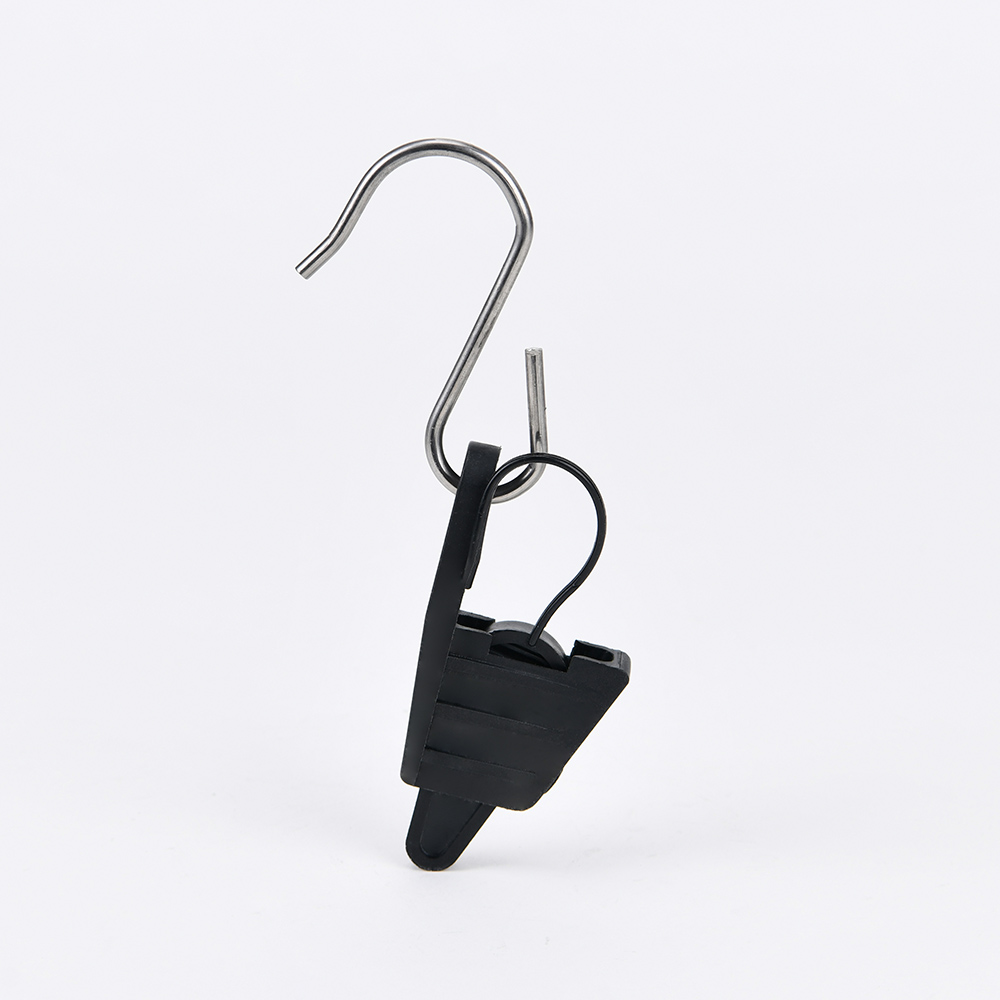
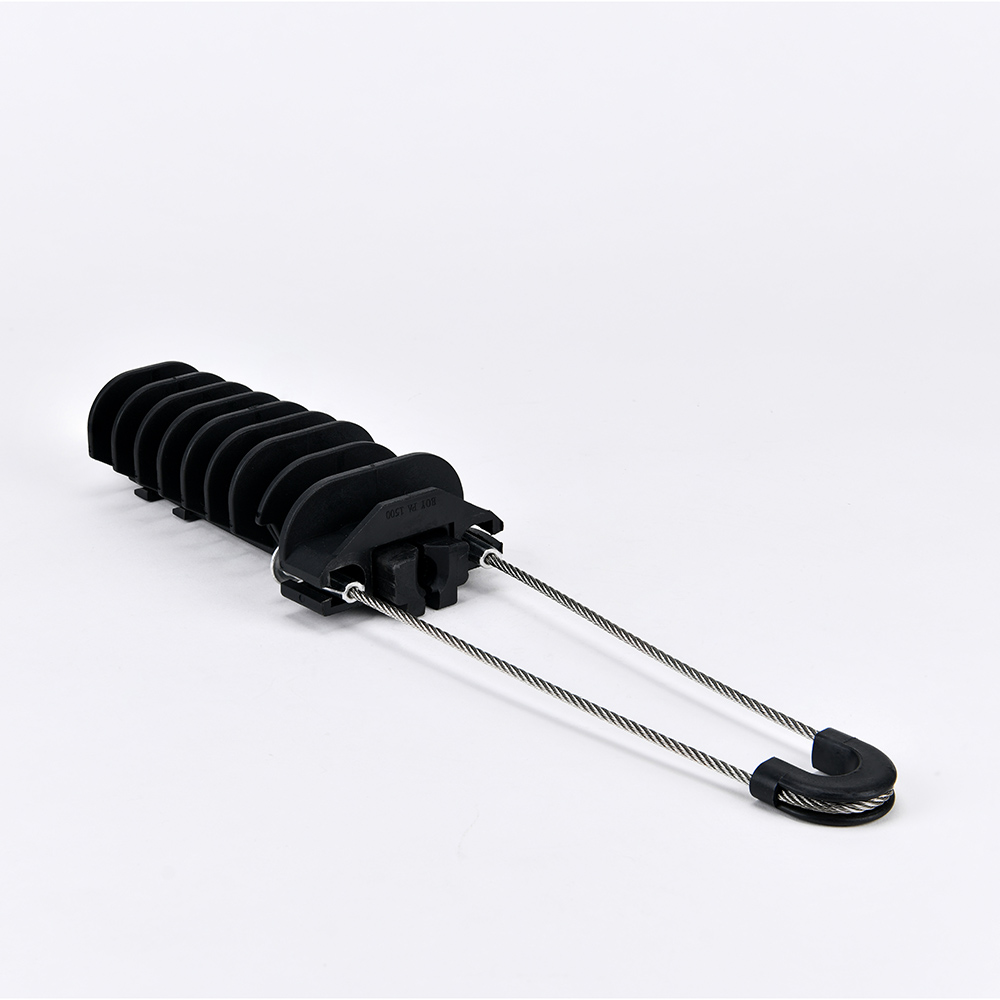
In high-density Multi-Dwelling Units (MDUs) and suburban residential developments, deploying home-run drop cables involves both external overhead or underground entry and internal facade wall fixing. The process starts at the outdoor terminal, where pre-terminated or field-installable drop cables are anchored to eliminate strain using specialized suspension brackets or tension S-clamps. As the optical cable transitions across building perimeters, thermal variation and surface abrasion require ruggedized outer protection.
During the internal wall-fixing phase, technicians utilize specialized cable wall clips, low-impact tackers, and discreet adhesive raceways. The primary engineering goal is to maintain a consistent minimum bend radius and avoid excessive localized clamping pressure, which can induce micro-bends that deteriorate signal-to-noise margins over time. When combined with modular wall faceplates and quick-assembly field connectors, home-run drop cable solutions cut overall on-site labor times by more than 40% compared to traditional field splicing practices.
Vertical Shaft & MDU Risers
Optimized low-friction jackets streamline high-rise vertical cable pulling through conduits, dampening friction resistance and eliminating cable snagging hazards.
External Wall Cleat Routing
UV-rated materials resist degradation from sun exposure, wind-induced sway, and temperature shifts from -40°C to +75°C without jacket embrittlement.
Subscribers Terminal Demarcation
Facilitates quick stripping and separation of strength members for swift termination inside standard surface-mounted wall boxes and Optical Network Terminals (ONT).
Global Market Growth & Material Advancements
How automation, invisible fiber innovations, and pre-connectorized solutions are shaping the future
The global broadband infrastructure push, supported by nationwide fiber modernization programs across North America, Europe, and Asia, has catalyzed extensive R&D in drop cable hardware. A key emerging trend is the rise of transparent, near-invisible drop cables applied with hot-melt adhesives directly along baseboards and crown molding. These ultra-bend-insensitive single-mode fibers eliminate the need for heavy wall drilling, keeping installations structurally sound and aesthetically clean in historic properties and luxury apartments.
Concurrently, pre-connectorized drop systems (Plug-and-Play) are becoming the new industry standard. By eliminating fusion splicing at the customer wall terminal, telecommunications operators maintain factory-controlled optical cleanliness, prevent dust-induced connector degradation, and empower field technicians to provision gigabit connections in under twenty minutes. This shift significantly reduces capital expenditures on specialized field machinery while providing clean optical margins suitable for low-latency cloud gaming, multi-gigabit streaming, and smart home IoT ecosystems.
Oyi international ., Ltd.
Pioneering fiber optic cable manufacturing, system design, and international engineering partnerships
Oyi international., Ltd. is a dynamic and innovative fibre optic cable company based in Shenzhen, China. Since its inception in 2006, OYI has been dedicated to providing world-class fibre optic products and solutions to businesses and individuals across the globe. Our Technology R&D department has more than 20 specialized staff committed to developing innovative technologies and providing high-quality products and services. We export our products to 143 countries and have established long-term partnerships with 268 clients.
Our products are widely used in telecommunications, data center, CATV, industrial and other areas. Our main products include various types of optical fiber cables, fiber optic linkers, fiber distribution series, fiber optic connectors, fiber optic adapters, fiber optic couplers, fiber optic attenuators, and WDM series. Not only that, our products cover ADSS, ASU, Drop Cable, Micro Duct Cable, OPGW, Fast Connector, PLC Splitter, Closure, FTTH Box, etc. In addition, we provide our customers with complete fiber optic solutions, such as Fiber to the Home (FTTH), Optical Network Units (ONUs), and High Voltage Electrical Power Lines. We also provide OEM designs and financial support to help our customers integrate multiple platforms and reduce costs.
About Oyi & Manufacturing Prowess
Advanced optical testing laboratories, production facilities, and end-to-end quality control


Company Philosophy & Industrial Facility
/ About us / Delivering excellence through automated manufacturing precision
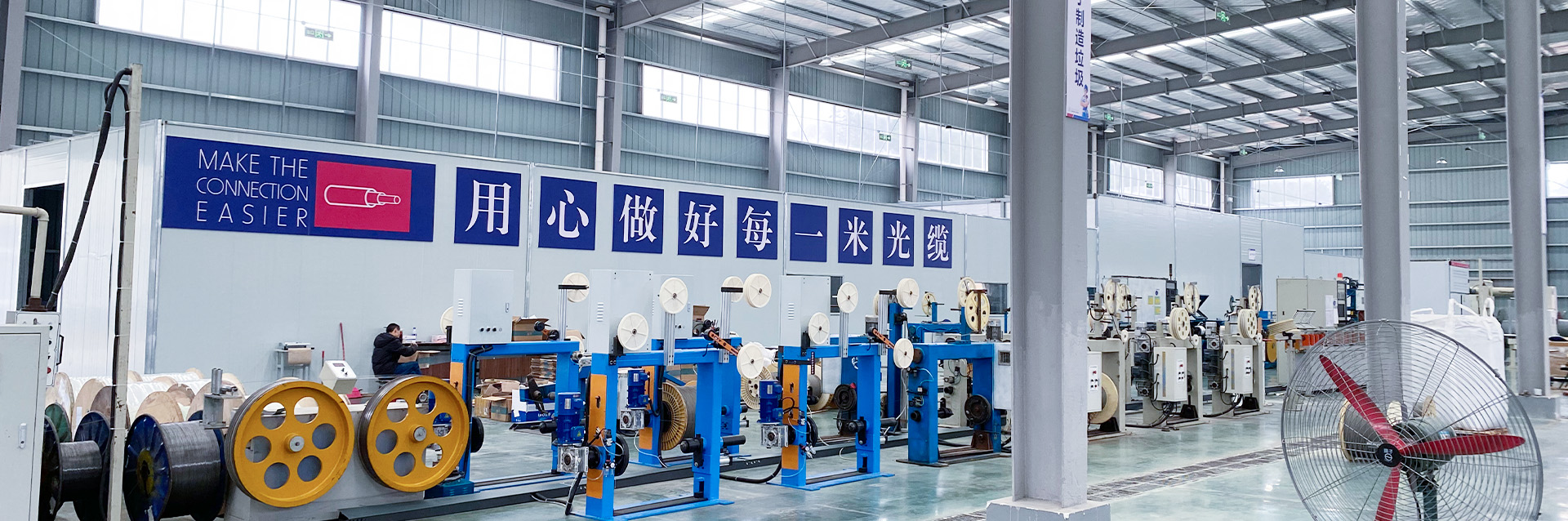
We are committed to innovation and excellence. Our team of experts are constantly pushing the boundaries of what’s possible, ensuring that we remain at the forefront of the industry. We invest heavily in research and development to ensure that we are always one step ahead of the competition. Our cutting-edge technology allows us to produce fibre optic cables that are not only faster and more reliable, but also more durable and cost-effective.
Our advanced manufacturing process ensures that our fibre optic cables are of the highest quality, guaranteeing lightning-fast speeds and reliable connectivity. Our commitment to excellence means that our customers can always rely on us to provide them with the best possible solutions.
If you’re looking for a reliable, high-speed fibre optic cable solution, look no further than OYI. Contact us now to see how we can help you stay connected and take your business to the next level.
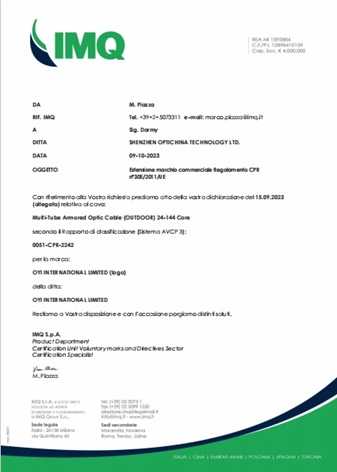
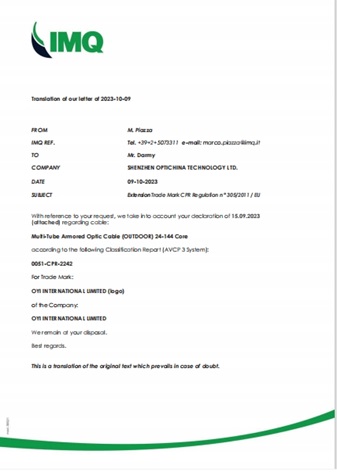
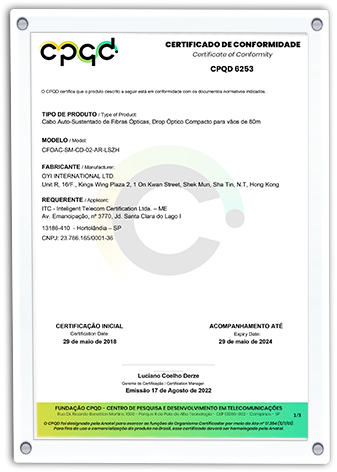
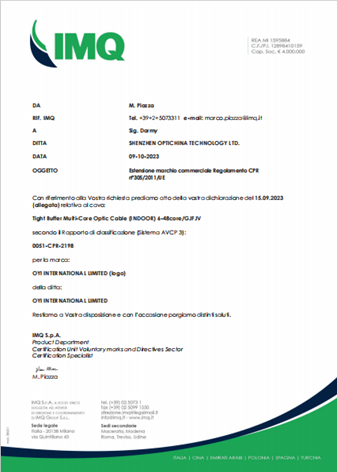
The Company has Obtained Certification


Home-Run Drop Cable Hardware & Wall Fixing Series
Complete structural hardware for horizontal, vertical, and wall demarcation setups