 0755-23179541
  sales@oyii.net
.png) 8618926041961
8618926041961Featured Fiber Infrastructure Solutions
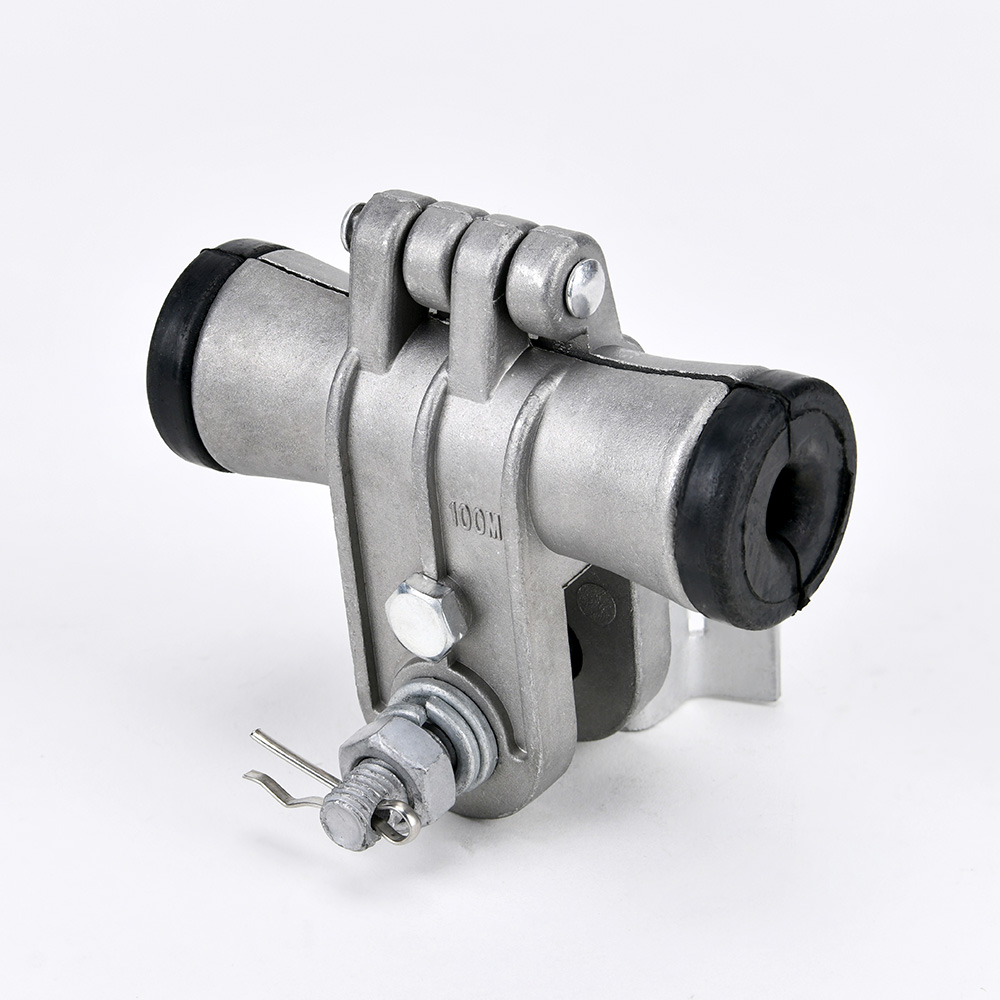
Cabinet-optimized ADSS Suspension Clamp Type A
View Details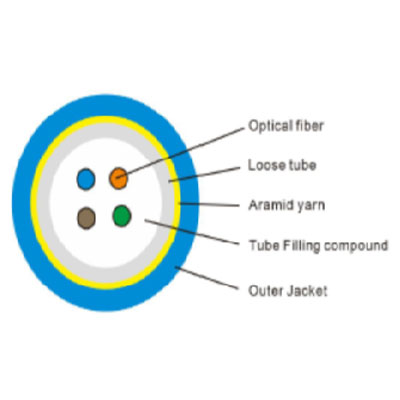
Centralized Cabinet GYFXTH-2/4G657A2 Fiber Cable
View Details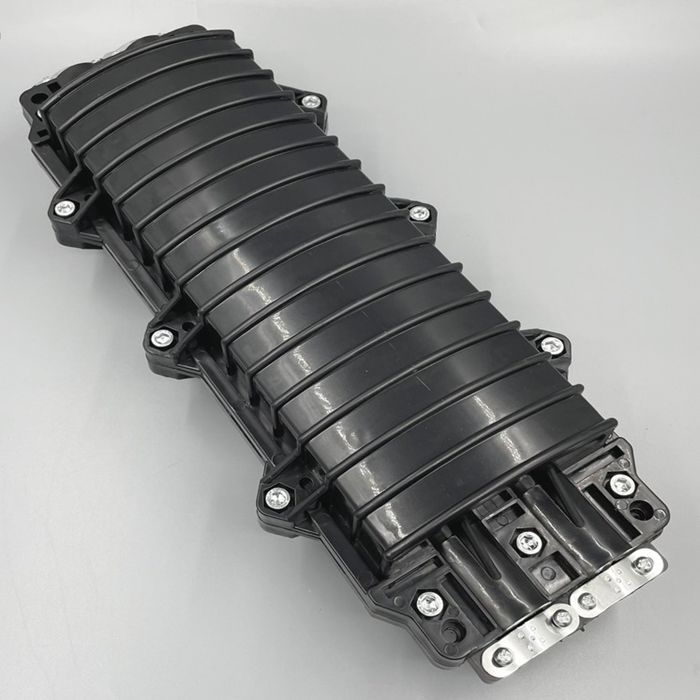
Cabinet-integrated OYI-FOSC H10 Splice Closure
View Details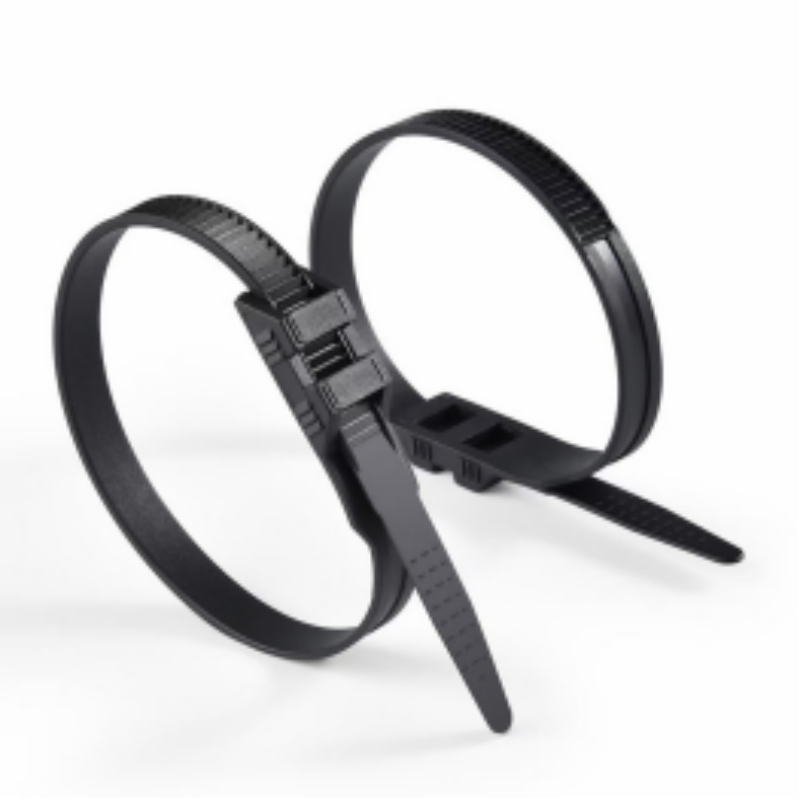
High-Tensile Self-Locking Nylon Cabinet Tie
View DetailsIn the rapidly evolving landscape of global telecommunications, the transition toward centralized network architectures has become a key driver for efficiency, scalability, and performance. At the heart of this transformation is the closure for centralized telecommunication network cabinet equipment storage. As data demands skyrocket due to 5G integration, Internet of Things (IoT) expansion, and cloud-native applications, the physical layer of fiber optic distribution requires robust protection. A Fiber Optic Splice Closure (FOSC) acts as the primary shield, ensuring that delicate fiber connections inside outdoor and indoor centralized cabinets remain completely isolated from environmental hazards, signal degradation, and mechanical stresses.
Why Centralization Demands Specialized Splice Closures
Centralized telecom cabinets consolidate massive volumes of distribution feeds, splitting networks, and active switching gear into single locations. Unlike traditional distributed architectures, a centralized node houses thousands of fiber splices. Any failure within this node can trigger localized blackouts affecting entire districts. Therefore, closures designed specifically for cabinet storage must exhibit exceptional space efficiency, modular tray designs, and reliable sealing mechanics to guarantee continuous uptime.
Industrial and Commercial Landscape of Telecom Cabinet Closures
The commercial market for telecommunication infrastructure is experiencing a paradigm shift. Network operators are moving away from decentralized splice points toward centralized, high-density cabinet solutions. This shift minimizes operational expenditures (OPEX) by concentrating active equipment and splicing points in accessible, secure hub locations.
From a commercial standpoint, the demand for cabinet-compatible closures is driven by the global push for Fiber-to-the-Home (FTTH) and Fiber-to-the-Business (FTTB) installations. Governments and private enterprises are investing billions in broadband expansion. For instance, smart city initiatives require centralized data collection hubs where hundreds of sensor networks converge. In these hubs, high-capacity closures are utilized within outdoor cabinets to manage the complex splicing of trunk lines into localized drop cables. The ability of these closures to withstand temperature fluctuations, humidity, and atmospheric pollutants directly impacts the return on investment (ROI) for telecom operators by reducing maintenance dispatches (truck rolls).
Market Growth & 5G
The global deployment of 5G micro-cells requires centralized edge cabinets. High-density closures protect the crucial fronthaul and backhaul connections feeding these cells.
IP68 Environmental Protection
Modern closures utilize advanced mechanical sealing and vulcanized rubber gaskets to prevent moisture ingress, even when subjected to prolonged flooding.
OPEX Reduction
By organizing splices in modular, easily accessible trays within a centralized cabinet, technicians can perform upgrades and troubleshooting in a fraction of the time.
Deep Application Scenarios of Cabinet-Stored Closures
1. High-Density Urban FTTH Deployments
In dense metropolitan areas, physical space is at a premium. Telecom operators deploy large centralized street cabinets to serve thousands of subscribers. Inside these cabinets, multiple dome or horizontal closures are stacked systematically. These closures manage the transition from high-core-count backbone cables (often ranging from 144 to 576 cores) to smaller distribution cables. The closures must allow for mid-span access, enabling technicians to tap into specific fiber buffers without disrupting active services on adjacent fibers.
2. Industrial IoT and Smart Factory Environments
Industrial plants and automated factories generate massive amounts of telemetry data that must be routed to centralized control cabinets. These environments are often plagued by electromagnetic interference (EMI), high vibration, chemical exposure, and extreme temperatures. Closures placed in industrial cabinet storage protect fiber splices from airborne particulates and corrosive gases, ensuring that the critical control loops of the smart factory remain uninterrupted.
3. Smart City Infrastructure and Surveillance Networks
Modern smart cities rely on extensive networks of IP cameras, traffic sensors, and public Wi-Fi access points. These networks converge at centralized roadside cabinets. Closures stored in these cabinets serve as the consolidation point for the fiber backhaul. Because these cabinets are exposed to extreme outdoor weather, the closures inside act as a secondary defense layer, protecting the fiber optic connections even if the outer cabinet shell is breached by water or dust.
4. Railway and Transportation Communication Systems
Modern rail networks utilize fiber optics for signaling, passenger information systems, and trackside monitoring. Centralized communication cabinets are placed at regular intervals along the rail corridors. Closures deployed in these cabinets must be highly resistant to continuous vibrations caused by passing trains. The mechanical clamping systems within the closures ensure that the fiber cables remain anchored and that the splice joints are subjected to zero physical strain.
Technological Evolution and Future Trends
The design of fiber optic closures is undergoing rapid technological evolution to keep pace with the demands of modern networks. One of the most prominent trends is the integration of smart monitoring technology. Next-generation closures are being equipped with IoT-enabled sensors that monitor internal humidity, temperature, and cabinet door access. If a seal begins to degrade, the sensor transmits an alert to the network operations center (NOC), allowing for preventive maintenance before a network outage occurs.
Another key trend is the development of ultra-high-density splicing systems. With the introduction of rollable ribbon cables, closures must accommodate significantly higher fiber counts within the same physical footprint. Manufacturers are redesigning internal splice trays to support both single-fusion and mass-fusion splicing, while maintaining strict bend radius controls to prevent micro-bending signal losses.
Sustainability is also driving design changes. Closures are increasingly manufactured using recyclable, UV-stabilized thermoplastic materials that offer a service life of over 25 years. This longevity reduces the environmental impact of network infrastructure and aligns with the green initiatives of global telecom operators.
Oyi International Co., Ltd.
Oyi international., Ltd. is a dynamic and innovative fibre optic cable company based in Shenzhen, China. Since its inception in 2006, OYI has been dedicated to providing world-class fibre optic products and solutions to businesses and individuals across the globe. Our Technology R&D department has more than 20 specialized staff committed to developing innovative technologies and providing high-quality products and services. We export our products to 143 countries and have established long-term partnerships with 268 clients.
Our products are widely used in telecommunications, data center, CATV, industrial and other areas. Our main products include various types of optical fiber cables, fiber optic linkers, fiber distribution series, fiber optic connectors, fiber optic adapters, fiber optic couplers, fiber optic attenuators, and WDM series. Not only that, our products cover ADSS, ASU, Drop Cable, Micro Duct Cable, OPGW, Fast Connector, PLC Splitter, Closure, FTTH Box, etc. In addition, we provide our customers with complete fiber optic solutions, such as Fiber to the Home (FTTH), Optical Network Units (ONUs), and High Voltage Electrical Power Lines. We also provide OEM designs and financial support to help our customers integrate multiple platforms and reduce costs.
-
20Years
Time in The Industry Sector
-
20+
Technical R&D Personnel
-
143Countries
Exporting Country
-
268Customers
Cooperative Clients
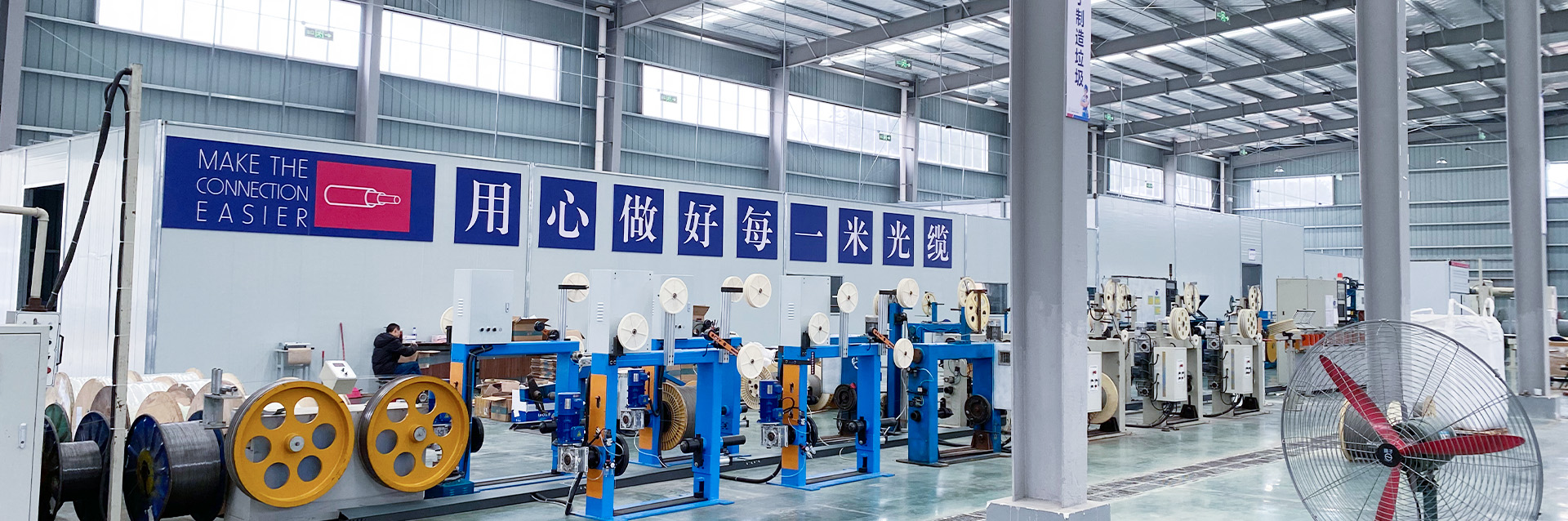
About Oyi - Advanced Production & Facilities


Company Philosophy
"We are committed to innovation and excellence. Our team of experts are constantly pushing the boundaries of what's possible, ensuring that we remain at the forefront of the industry."
Our Factory & Innovation Focus
We invest heavily in research and development to ensure that we are always one step ahead of the competition. Our cutting-edge technology allows us to produce fibre optic cables that are not only faster and more reliable, but also more durable and cost-effective.
Our advanced manufacturing process ensures that our fibre optic cables are of the highest quality, guaranteeing lightning-fast speeds and reliable connectivity. Our commitment to excellence means that our customers can always rely on us to provide them with the best possible solutions.
If you're looking for a reliable, high-speed fibre optic cable solution, look no further than OYI. Contact us now to see how we can help you stay connected and take your business to the next level.
Quality Control & R&D
Every single product, from our robust closures designed for centralized telecommunication cabinets to our high-precision optical connectors, undergoes rigorous testing. Our in-house laboratories simulate extreme environmental conditions, ensuring IP68 water resistance, thermal stability, and mechanical durability.
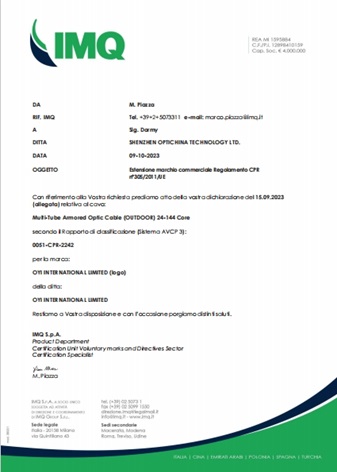
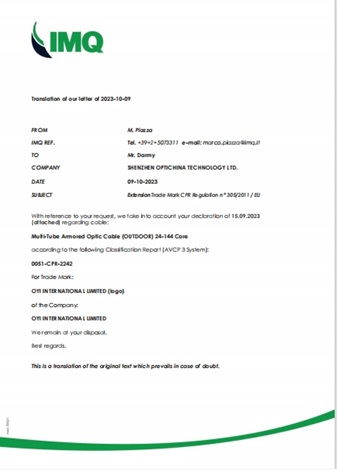
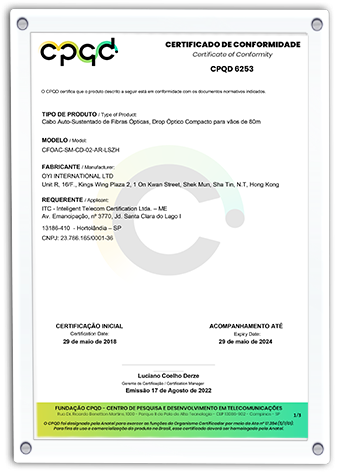
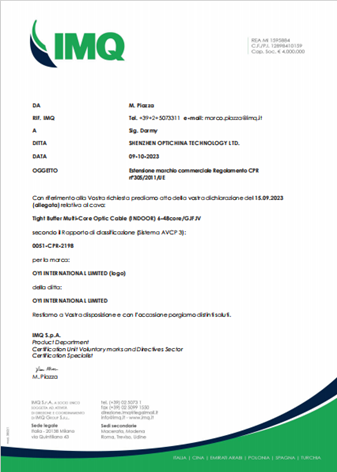
The Company has Obtained Certification


Complete Optical Distribution Portfolio
Cabinet-optimized ADSS Suspension Clamp Type A
View Details
Centralized Cabinet GYFXTH-2/4G657A2 Fiber Cable
View Details
Cabinet-integrated OYI-FOSC H10 Splice Closure
View Details
High-Tensile Self-Locking Nylon Cabinet Tie
View Details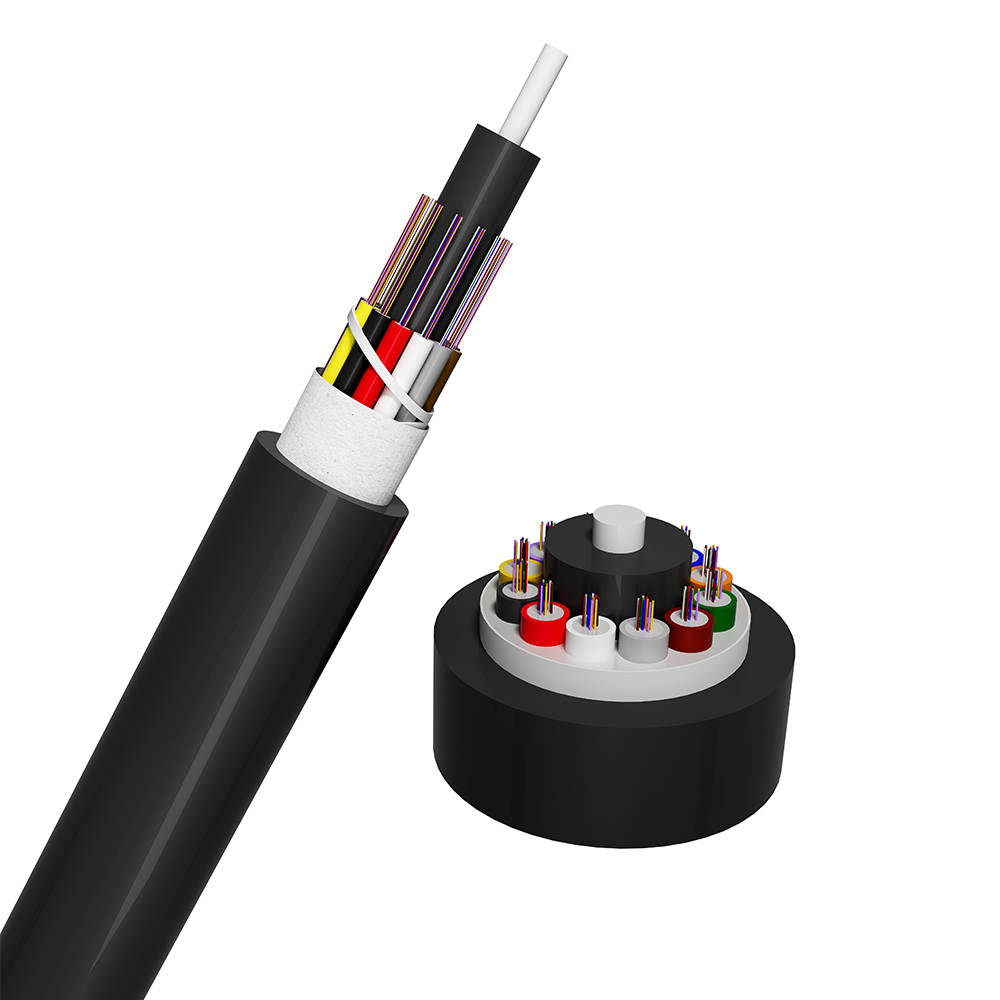
Centralized Storage Loose Tube Non-metallic Fiber Cable
View Details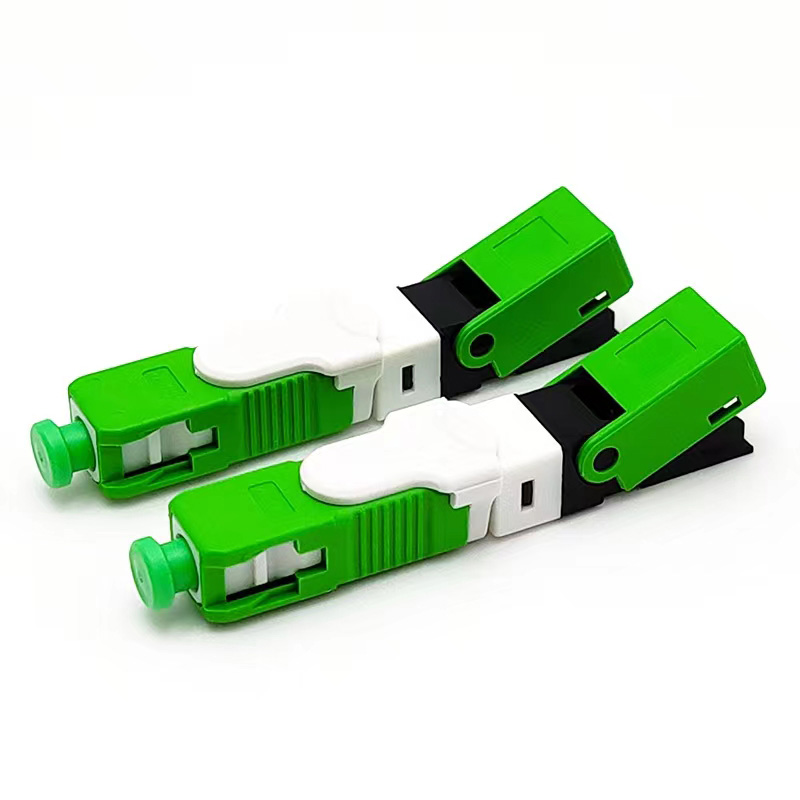
Cabinet Distribution OYI A Type Fast Connector
View Details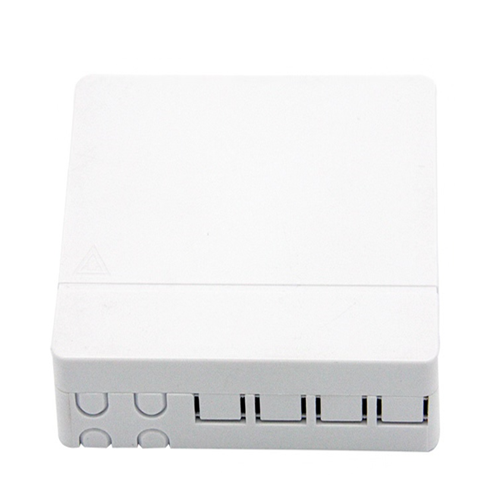
Centralized Terminal OYI-ATB04A Desktop Box
View Details